

Bears and food: a growing concern
Last summer in Olympic National Park, a camper woke to find a black bear dismantling their car, lured in by a forgotten bag of trail mix. It’s a story I hear with increasing frequency. These incidents aren’t just about property damage; they’re about escalating conflicts between humans and bears, and often, the bear pays the ultimate price. We’re seeing more of these encounters, and a major driver is improper food storage.
Historically, bear-human conflicts were localized. Now, as more people venture into backcountry areas and bear populations recover in some regions, the potential for interaction – and conflict – rises. Bears are incredibly intelligent and have an exceptional sense of smell; they quickly learn to associate campsites with easy access to food. This creates a dangerous situation for both campers and bears.
The National Park Service and USDA Forest Service are overhauling food storage rules for 2026. The update moves away from hanging food bags and toward mandatory certified containers. It is a direct effort to stop bears from seeing campsites as easy kitchens.
Ignoring these rules leads to more than just a $500 fine; it usually ends with a ranger having to euthanize a 'problem' bear. Here is how the new tiered system works and which gear actually passes the test.
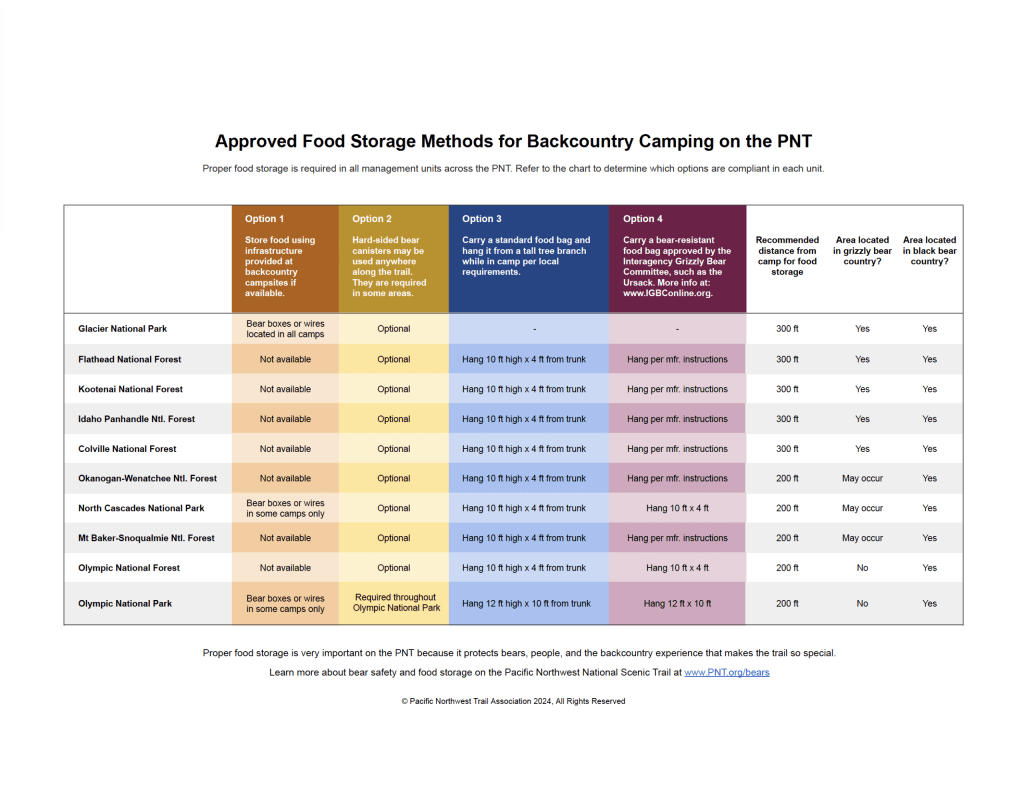
New 2026 rules for national parks
The upcoming 2026 regulations represent a significant shift in how the NPS and USDA Forest Service approach bear-human conflict prevention. The core change is a move towards requiring the use of certified bear-resistant containers (BRCs) in more areas. While some parks and forests already mandate BRCs, the 2026 rules will expand this requirement considerably.
Specifically, the regulations are focusing on a tiered system. In areas with high bear activity or a history of conflicts, BRCs will be required for all food and attractants. In other areas, BRCs will be strongly recommended, but alternatives like proper hanging may still be permitted – though with much stricter guidelines. The USDA Forest Service, as of November 2024, is actively working to standardize these guidelines across all national forests.
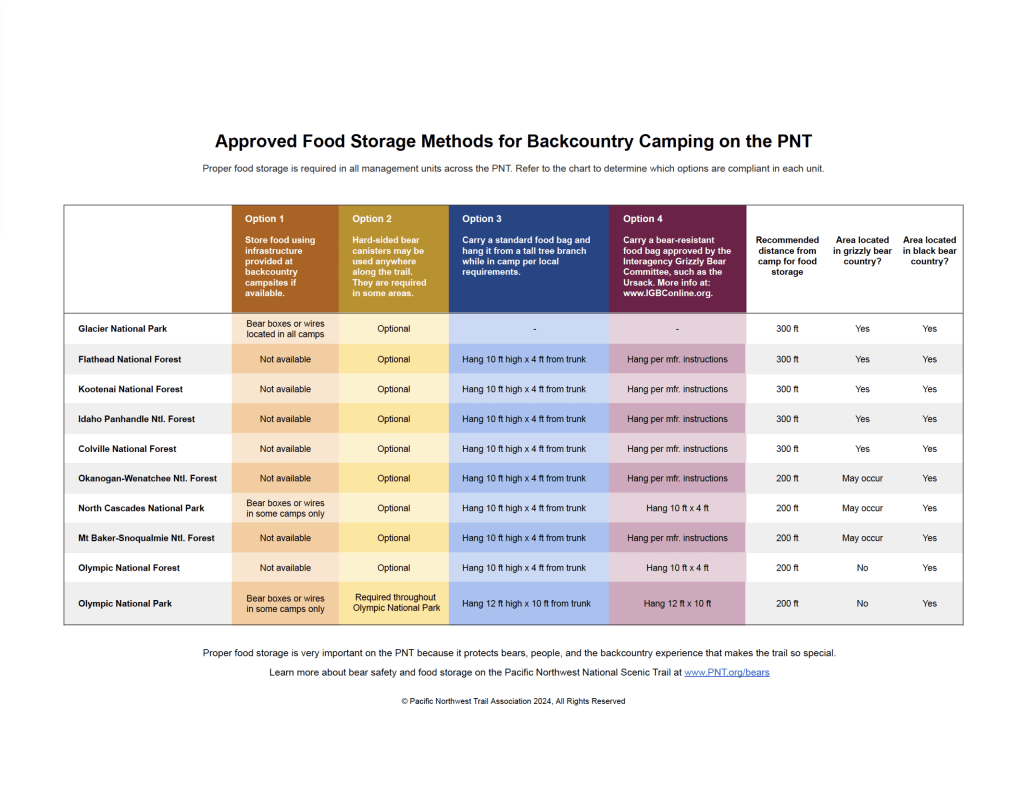
There are differences between parks and forests. The White Mountain National Forest, for example, already has a strict food storage requirement in the Pemigewasset Wilderness, mandating either a BRC or a proper hang. Other areas are adopting similar policies, but the specifics can vary. Always check the regulations for the specific area you plan to visit before your trip. Don't assume the rules are the same everywhere.
Non-compliance carries potential penalties. These can range from warnings and citations to fines, and in some cases, even the confiscation of improperly stored food. Fines can be substantial, reaching hundreds of dollars. More importantly, repeatedly violating these rules could lead to restrictions on your access to certain areas. The emphasis is on education and compliance, but enforcement will be stricter.
Choosing a bear-resistant container
A bear-resistant container is not bear-proof. The Interagency Grizzly Bear Committee (IGBC) only certifies a canister if it keeps a grizzly out for 60 minutes during testing. You can find the full list of approved models on the IGBC website.
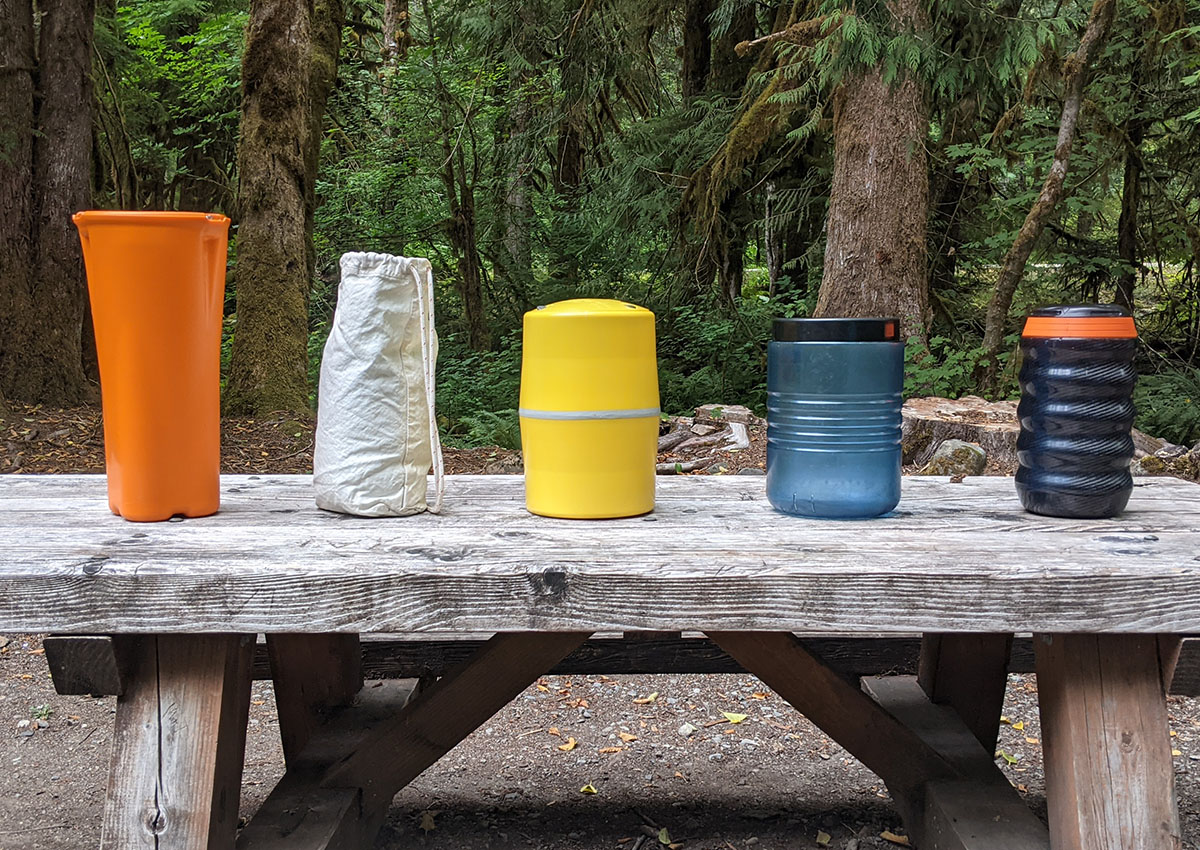
There are several types of BRCs available. Hard-sided canisters, often made of polycarbonate or metal, are exceptionally durable and offer excellent protection. Soft-sided containers, made of reinforced fabric and webbing, are lighter and more packable, but may be more vulnerable to determined bears. Canisters generally range in size from 8 to 30 liters, while soft-sided containers vary significantly. Garcia Bear Resistant Gear and BV400 Bear Resistant Food Canister are two well-regarded brands.
A common misconception is that BRCs are foolproof. They're not. Bears are remarkably persistent, and a damaged or improperly used container can be breached. Always inspect your BRC for damage before each trip, and ensure the lid is securely fastened. Also, remember that BRCs only protect the contents inside the container. Leaving food scraps around the container defeats the purpose.
Proper use and maintenance are essential. Don't place the BRC near anything a bear could use to climb or knock it over. Keep it at least 100 feet away from your tent and cooking area. After each trip, clean the container thoroughly to remove any lingering food odors. Regular cleaning extends the life of the container and reduces its attractiveness to bears.
I've heard from rangers about people trying to modify BRCs – drilling holes for straps, for example. Don’t do it. Any modification can compromise the container’s resistance. Stick to using the container as it was designed.
- Hard-sided canisters are heavy but offer the best protection against crushing.
- Soft-sided bags are easier to pack but can be compromised by determined bears.
- Always check the IGBC website for approved container lists (www.igbconline.org).
Featured Products
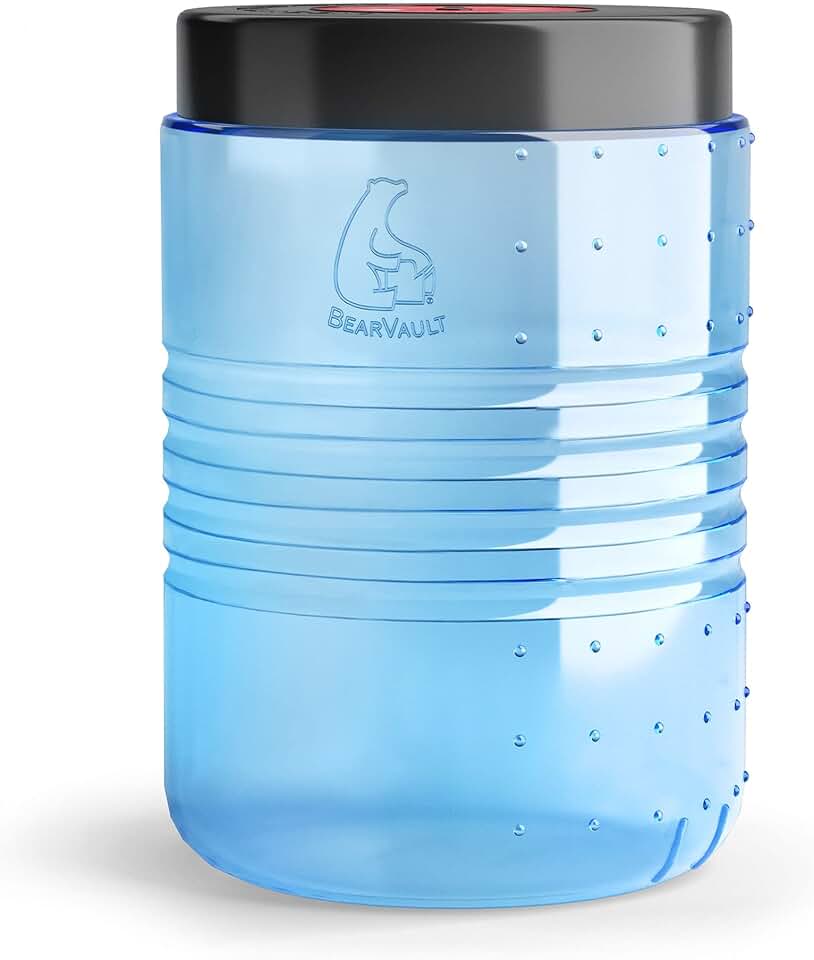
IGBC-certified bear-resistant food container · Available in four sizes (BV500, BV475, BV450, BV425) · Durable, hard-sided construction
This IGBC-certified container is essential for safely storing food in bear country, protecting both campers and wildlife.
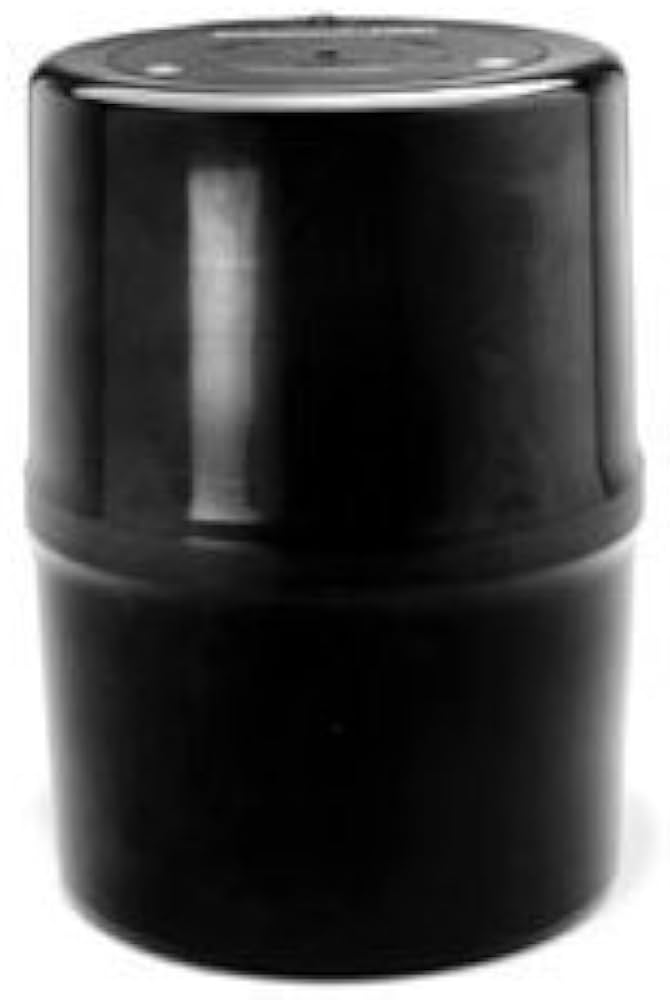
IGBC-certified bear-resistant food container · Hard-sided, durable construction · Provides secure food storage in bear country
This IGBC-certified container is essential for safely storing food in bear country, protecting both campers and wildlife.

IGBC-certified bear-resistant food container · Available in four sizes (BV500, BV475, BV450, BV425) · Durable, hard-sided construction
This IGBC-certified container is essential for safely storing food in bear country, protecting both campers and wildlife.
IGBC-certified bear-resistant food container · Available in four sizes (BV500, BV475, BV450, BV425) · Durable, hard-sided construction
This IGBC-certified container is essential for safely storing food in bear country, protecting both campers and wildlife.
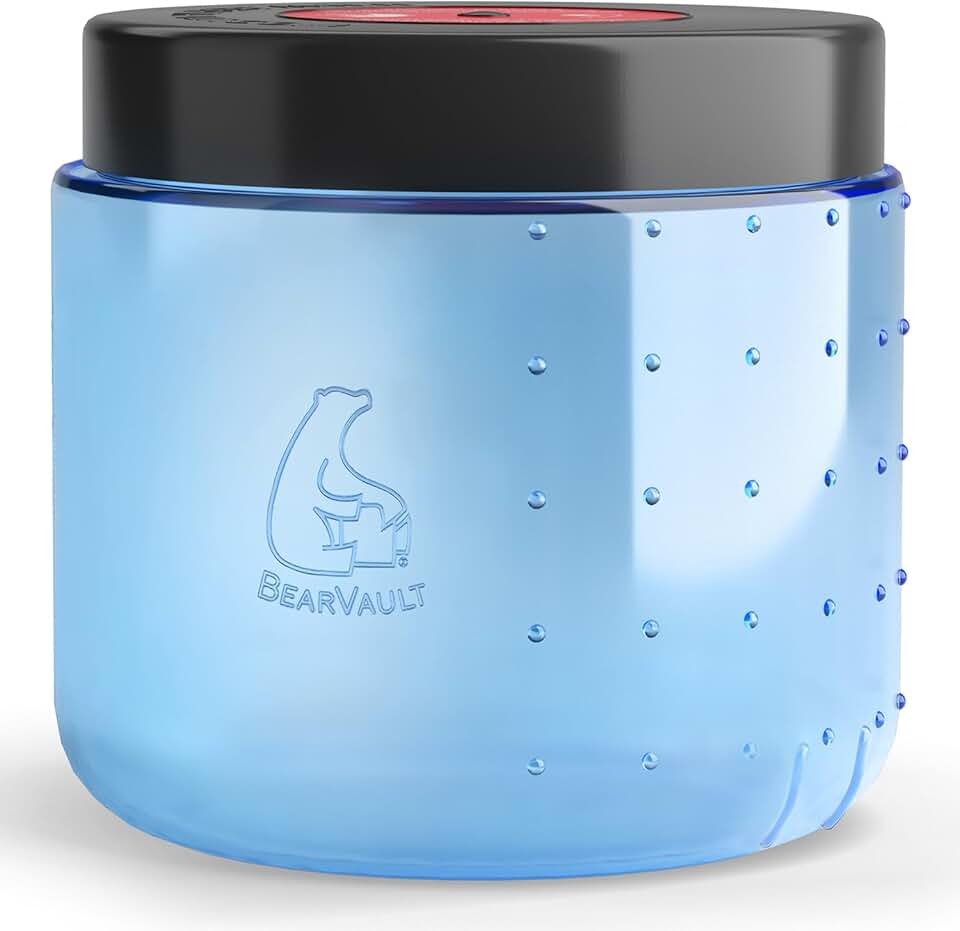
IGBC-certified bear-resistant food container · Medium size (BV450 Jaunt) · Portable and durable for backpacking
This IGBC-certified container is essential for safely storing food in bear country, protecting both campers and wildlife.
As an Amazon Associate I earn from qualifying purchases. Prices may vary.
The problem with hanging food
For decades, hanging food was the standard practice in bear country. However, the NPS is increasingly discouraging this method, and the 2026 regulations reflect this shift. The primary reason is that many people simply don't hang food correctly. A poorly executed hang is worse than no hang at all, as it can actually attract bears.
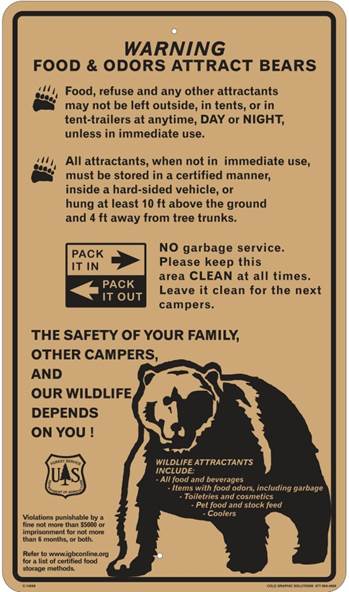
The proper technique, often referred to as the PCT method, involves throwing a rope over a high branch (at least 12 feet off the ground and 6 feet from the trunk) and hoisting your food bag up. It requires a counterbalance weight and careful knot tying. But even a perfectly executed hang can fail if the branch is weak or a bear is determined enough. I’m skeptical of its effectiveness in many areas, especially where bears are accustomed to human presence.
Hanging might still be acceptable in certain situations – for example, in areas where BRCs are impractical due to weight or space constraints, and where the regulations specifically permit it. However, you must be absolutely confident in your ability to execute a proper hang. If you're unsure, opt for a BRC.
The risks are significant. A failed hang can lead to a bear getting into your food, damaging your gear, and potentially becoming habituated to human food. It also puts you and other campers at risk. The NPS is moving away from relying on a technique that's so prone to error.
Electric Fences: A Powerful Deterrent
Electric fences can be a highly effective deterrent to bears, creating a perimeter that they are reluctant to cross. They work by delivering a non-lethal electric shock when a bear touches the fence. This teaches the bear to associate the area with an unpleasant experience, discouraging it from returning.
There are different types of electric fence systems available, ranging from portable, backpack-sized units to larger, more permanent setups. Portable systems typically consist of a low-impedance energizer, a spool of wire, and ground stakes. Larger systems may include multiple strands of wire and a more powerful energizer. Companies like Gallagher offer reputable systems.
The pros of using electric fences include their high effectiveness and ability to protect a larger area than a BRC. However, they also have cons. They can be expensive, require setup time and knowledge, and rely on batteries or another power source. Safety is also a concern – you need to be careful not to touch the fence while it’s energized.
Regulations surrounding electric fence use vary. Some parks and forests allow them, while others restrict their use to specific areas or require permits. Always check the local regulations before deploying an electric fence. It’s also crucial to follow the manufacturer’s instructions carefully to ensure the system is functioning properly and safely.
Beyond Food: All Attractants Matter
It’s easy to focus solely on food when thinking about bear attractants, but bears are drawn to a wide range of scents. This includes toiletries like toothpaste, soap, deodorant, and sunscreen. Even seemingly innocuous items like lip balm and insect repellent can attract bears. Trash, of course, is a major attractant, as is pet food.
All of these items should be stored in the same manner as food – either in a BRC or, if permitted, hung properly. Don’t leave toiletries or trash lying around your campsite. Use scent-free or low-scent products whenever possible. Pack out all trash, including food wrappers and hygiene products.
Proper waste disposal is critical. Use designated bear-resistant trash receptacles whenever available. If none are provided, pack out all of your trash. Never bury food scraps or trash, as bears can easily dig them up. Even wastewater from cooking can attract bears, so dispose of it properly.
Maintaining a clean campsite is essential. Wipe down cooking surfaces, wash dishes immediately after use, and avoid leaving any food or attractants exposed. A clean campsite is less likely to attract bears and helps to prevent conflicts. Remember, bears are opportunistic, and they’ll take advantage of any easy meal.
Regional Differences: Adapting Your Strategy
Bear behavior and regulations vary significantly by region. In Yellowstone and Grand Teton National Parks, grizzly bears are prevalent, and BRCs are strictly enforced. Black bears are more common in the Great Smoky Mountains National Park, but food storage regulations are still stringent. In California, both black bears and grizzly bears inhabit certain areas, requiring a tailored approach.
Grizzly bears, generally larger and more aggressive than black bears, tend to be more persistent in their attempts to access food. This means that BRCs need to be particularly robust in grizzly country. Black bears, while less aggressive, are still capable of causing significant damage and can become habituated to human food.
Local regulations can also vary. Some areas may require specific types of BRCs, while others may have restrictions on where you can store your food. For example, certain wilderness areas may prohibit the use of electric fences. It's vital to check with the park or forest service before your trip to understand the specific regulations.
The best approach is to research the area you plan to visit and adapt your food storage strategy accordingly. Talk to park rangers, consult the park or forest service website, and be aware of recent bear activity in the area. A one-size-fits-all approach simply won’t work.
Bear Country Food Storage Regulations & Activity – Select National Parks/Forests
| Park Name | Primary Bear Species | Required Storage Method | Common Violations | Links to Park Regulations |
|---|---|---|---|---|
| Yellowstone National Park | Grizzly & Black Bear | Hard-sided vehicles, bear-resistant food canisters, or suspension at least 10 feet off the ground and 4 feet from any tree trunk. | Improper suspension, leaving food unattended, storing food in tents. | https://www.nps.gov/yell/planyourvisit/bearsafety.htm |
| Grand Teton National Park | Grizzly & Black Bear | Bear-resistant food canisters are required in most backcountry areas. Frontcountry sites generally require food to be stored in hard-sided vehicles or bear-resistant lockers where provided. | Failure to use canisters where required, improper food disposal. | https://www.nps.gov/grte/planyourvisit/bearsafety.htm |
| Yosemite National Park | Black Bear | Bear canisters are required for overnight stays in the wilderness. Frontcountry sites require proper food storage lockers or hard-sided vehicles. | Leaving food in vehicles that bears can access, improper use of bear lockers. | https://www.nps.gov/yose/planyourvisit/bears.htm |
| Glacier National Park | Grizzly & Black Bear | Bear-resistant food canisters are required in the backcountry. Frontcountry sites must utilize provided food lockers or hard-sided vehicles. | Failure to store food in designated lockers or canisters, attracting bears with scented items. | https://www.nps.gov/glac/planyourvisit/bearsafety.htm |
| Olympic National Park | Black Bear | Hard-sided vehicles, bear canisters, or suspension 10 feet off the ground and 4 feet from a tree trunk. Regulations vary by area. | Improper suspension, storing food in tents, leaving trash accessible. | https://www.nps.gov/olym/planyourvisit/bears.htm |
| Bridger-Teton National Forest | Grizzly & Black Bear | Generally requires secure storage in hard-sided vehicles or bear-resistant containers. Specific regulations may vary by district. | Leaving food accessible in campsites, improper disposal of food waste. | https://www.fs.usda.gov/alerts/btnf/alerts-notices?recid=78839 |
Illustrative comparison based on the article research brief. Verify current pricing, limits, and product details in the official docs before relying on it.
No comments yet. Be the first to share your thoughts!