

The reality of bear country in 2026
We’re seeing more and more overlap between human recreation and bear habitat. This isn’t necessarily because bear populations are exploding everywhere, though some areas are seeing increases, but rather because we are going further into their territory. Consequently, encounters are becoming more frequent, and unfortunately, so are incidents involving improperly stored food. It's a situation that demands respect and a serious upgrade in our camping practices.
Regulations are getting stricter. Parks are reacting to more frequent incidents by tightening food storage rules. Yosemite has expanded its canister zones and is enforcing them more strictly. Yellowstone and Glacier are doing the same, increasing fines for anyone who ignores the requirements. These rules exist to keep both you and the bears safe.
Complacency is the biggest danger. Thinking “it won’t happen to me” or relying on outdated methods is a gamble you don’t want to take. Bears are remarkably intelligent and adaptable. They learn quickly, and a bear that successfully obtains food from a campsite is far more likely to seek out another. The National Park Service documented a 30% increase in bear-related incidents in 2024 alone, largely attributed to human error in food storage. This is a serious number.
The changes aren't just about canisters, either. Parks are also focusing more on education and outreach, providing clearer guidelines and increasing ranger patrols. The goal is to shift the mindset from simply avoiding a fine to understanding the broader ecological impact of improper food storage. A fed bear is often a dead bear – they become habituated to humans and can be eventually removed from the population.
Canisters vs. hanging
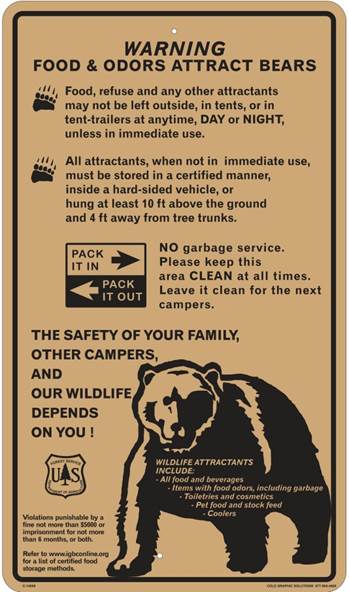
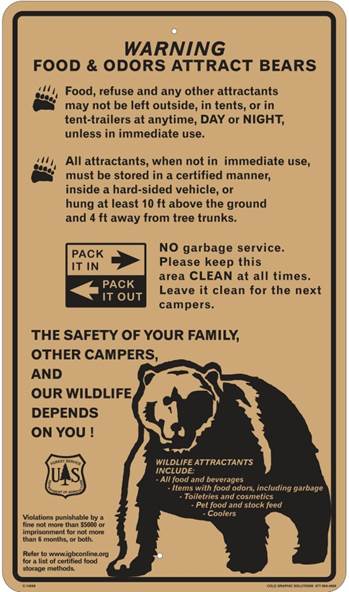
For decades, hanging food bags was considered a viable method of bear-resistant storage. The idea was simple: get the food far enough off the ground and away from the tree trunk that a bear couldn’t reach it. However, this method is becoming increasingly unreliable. Bears, particularly in areas with frequent human interaction, are learning to defeat these systems. They’ve figured out how to climb trees, break branches, and even work together to access suspended food.
Hanging food can still work in certain situations – remote areas with less bear activity and experienced backpackers who are meticulous about their technique. But it requires significant skill and isn’t a guaranteed solution. According to a 2023 study by the US Forest Service, properly hung food bags were accessed by bears in 18% of cases, a number that’s steadily rising. That’s a risk most of us shouldn’t be willing to take.
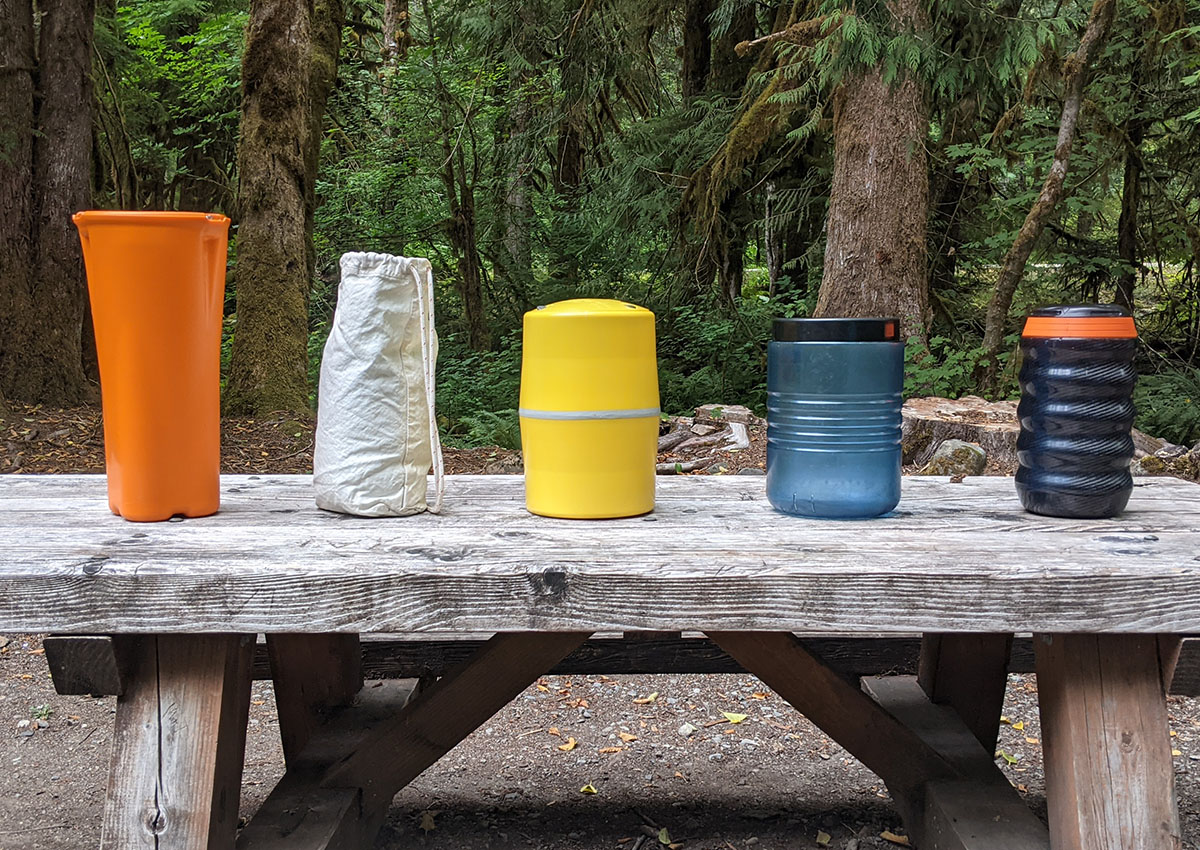
Bear canisters are a better bet. These hard-sided bins are built to take a beating from teeth and claws. While they aren't perfect, they work much better than a rope and bag. Just make sure yours is certified by the Interagency Grizzly Bear Committee (IGBC).
The shift toward canisters isn’t just about effectiveness; it’s about consistency. A canister provides a uniform standard of protection, regardless of the user’s skill level or the specific campsite. Many parks are now requiring IGBC-certified canisters, and this trend is likely to continue. For example, both Sequoia and Kings Canyon National Parks mandated canister use in all backcountry areas starting in 2025.
- Hanging food is difficult to do right and bears are getting better at defeating it.
- Canisters are heavier but provide more reliable protection and meet legal requirements in most parks.
Bear-Resistant Food Storage Comparison: Canisters vs. Hanging - 2026 Best Practices
| Storage Method | Cost | Ease of Use | Effectiveness | Park Regulation Compliance |
|---|---|---|---|---|
| 8L Bear Canister | Moderate | Simple - easy to pack, access | High - if certified | Frequently Required/Common |
| 10L Bear Canister | Moderate to Higher | Simple - slightly bulkier | High - if certified | Frequently Required/Common |
| 12L Bear Canister | Higher | More space, can be heavy when full | High - if certified | Frequently Required/Common |
| PCT Hanging (Traditional) | Lower | Requires skill & suitable trees | Medium - dependent on technique & bear motivation | Increasingly Restricted |
| Bear Bag Hanging (using rope & throw line) | Lower | Technically demanding, time-consuming | Medium - dependent on technique & bear motivation | Increasingly Restricted |
| Ursack AllMitey (Fabric Bear Bag) | Moderate | Lightweight, packable | Medium - requires proper tying and placement | Acceptance Varies - check local regulations |
| Counterbalance Hanging | Lower | Requires two suitable trees, complex setup | Medium to High - if executed correctly | Increasingly Restricted |
Qualitative comparison based on the article research brief. Confirm current product details in the official docs before making implementation choices.
Park-specific regulations
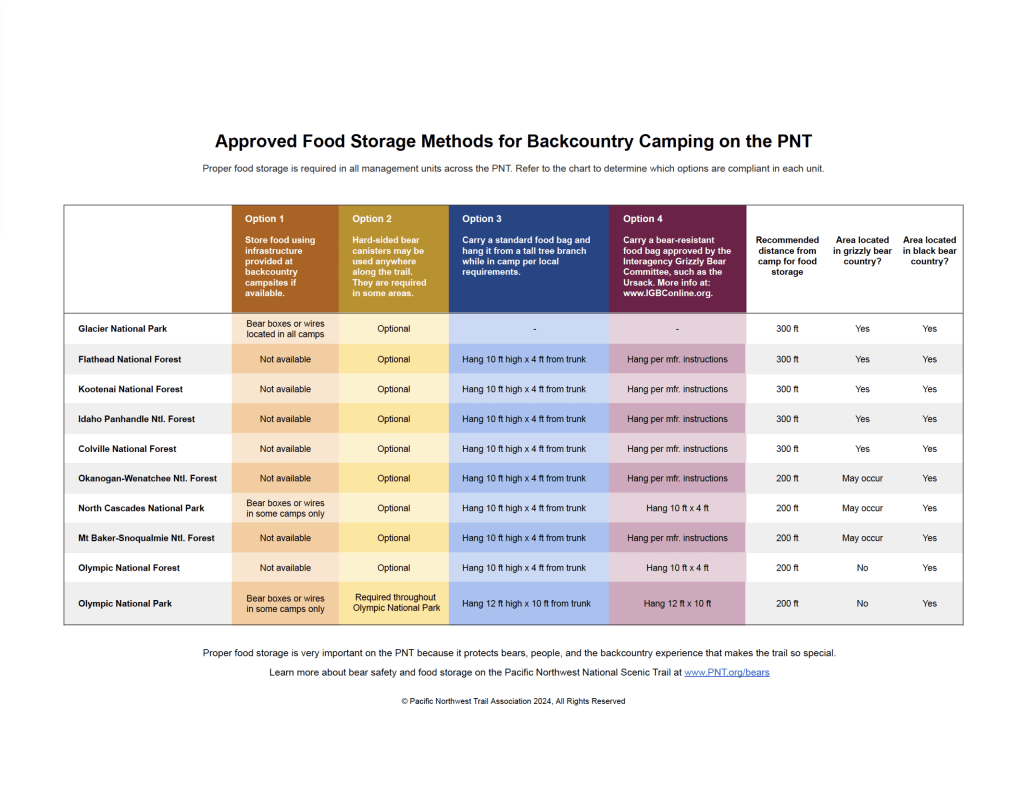
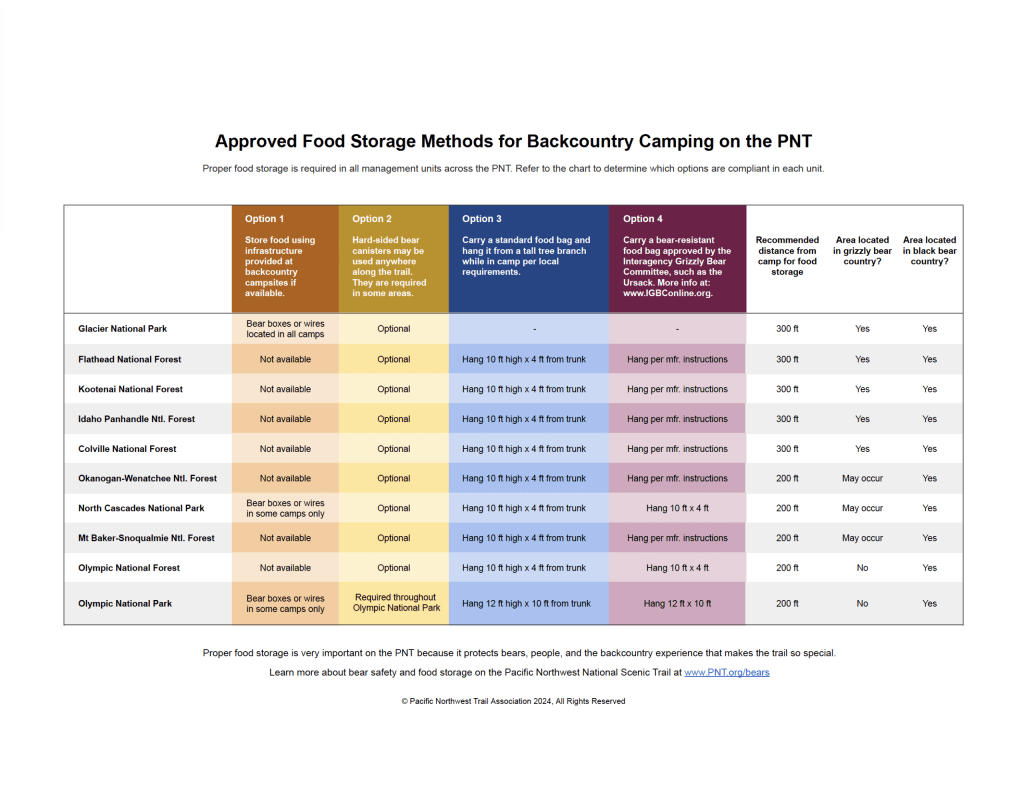
Navigating the specific regulations for each park can be tricky. They vary widely, and requirements can change. Here's a breakdown of some key parks as of late 2026. Always double-check with the park's official website before your trip, as rules are subject to change.
Yosemite National Park: Bear canisters are required in all overnight backcountry areas. Specific canister sizes aren't mandated, but it must be an IGBC-approved model.
Yellowstone National Park: Canisters are required in all backcountry sites within Yellowstone. The park recommends, but doesn't strictly require, using a canister even in frontcountry campgrounds.
Grand Teton National Park: Canisters are required for all overnight backcountry trips. The park provides a list of approved canisters on its website.
Glacier National Park: Canisters are now required in many, but not all, backcountry areas. Check the park's website for a detailed map of canister-required zones.
Olympic National Park: Canisters are required in the Hoh and Quinault Rain Forests, and strongly recommended throughout the park.
North Cascades National Park: Canisters are required in all backcountry areas. The park has a rental program for those who don't own a canister.
Park-Specific Bear Safety
- Grand Teton National Park - Details regulations regarding food storage, including required bear-resistant containers and approved storage locations within the park.
- Yosemite National Park - Provides comprehensive information on bear behavior, food storage orders (when in effect), and proper disposal of food waste. Includes specifics on bear lockers.
- Glacier National Park - Outlines the park’s food storage requirements, including the use of bear-resistant containers and approved hanging methods. Also covers reporting bear incidents.
- Olympic National Park - Explains food storage regulations varying by location within the park (frontcountry vs. backcountry) and emphasizes the importance of scent control.
- Rocky Mountain National Park - Offers guidance on bear safety, including food storage, hiking in bear country, and what to do during a bear encounter. Details on bear canister rentals.
- Great Smoky Mountains National Park - Information about bear activity, food storage guidelines, and safety tips for visitors, with a focus on minimizing bear-human interactions.
Recommended canisters
Choosing the right canister depends on your needs. Weight, capacity, and durability are all important factors. Here are a few standouts for 2026, based on testing and user feedback. Prices can vary depending on retailer.
BearVault BV500: (Around $80) This is a popular choice for solo hikers and couples. It’s relatively lightweight (2.2 pounds) and has a capacity of 7.09 liters. It's known for its durable construction and ease of use. The BV500 has consistently scored high in independent testing for resistance to bear penetration.
Garcia Backpackers' Cache: (Around $70) A more budget-friendly option, the Garcia Cache is a good choice for shorter trips. It weighs 2.3 pounds and has a capacity of 8.9 liters. While it’s not as lightweight as some other options, it's a solid performer and IGBC-certified.
Wilderness Supply Co. Bearikade VX: (Around $130) For those willing to spend more for premium protection, the Bearikade VX is a top contender. It’s incredibly durable, lightweight (1.9 pounds), and has a capacity of 10.5 liters. It’s designed to withstand even the most determined bears.
Lighter1 Bear Canister: (Around $90) As the name suggests, this canister focuses on weight reduction. At just 1.7 pounds, it’s one of the lightest options available, making it ideal for long-distance backpacking. It has a capacity of 6.5 liters, suitable for one or two people.
Featured Products
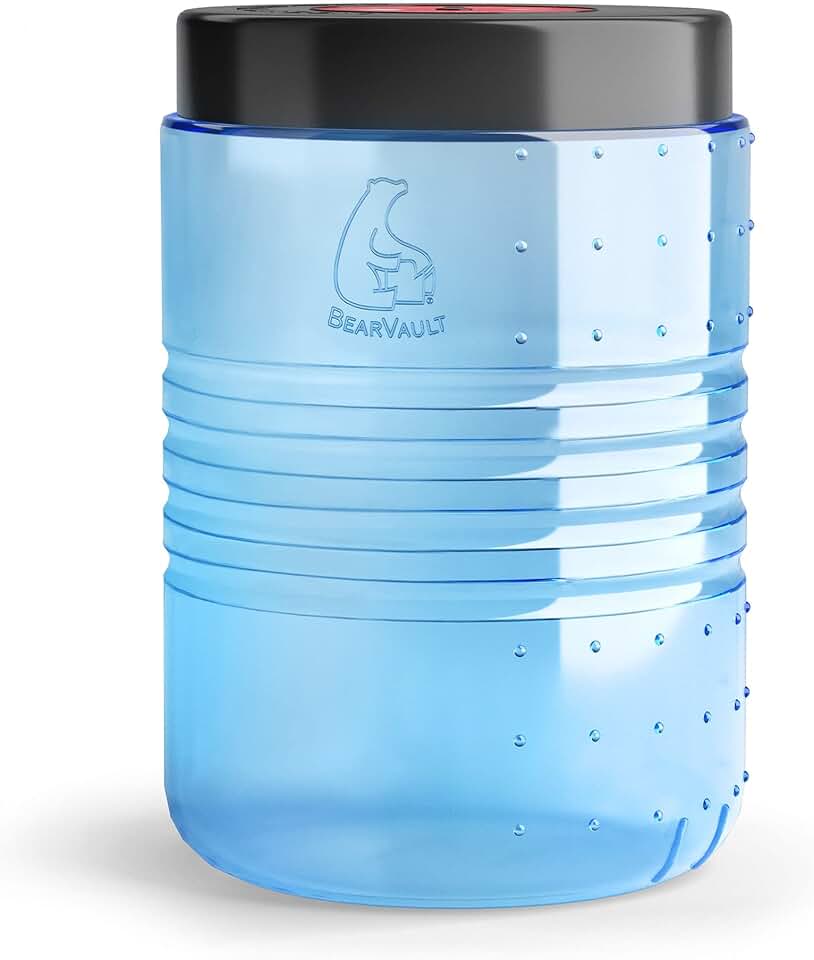
IGBC Certified Bear-Resistant Food Container · Available in 4 sizes (BV500, BV475, BV450, BV425) · Durable and lightweight construction
This IGBC-certified bear canister is essential for safely storing your food in bear country, ensuring compliance with new regulations and protecting both you and wildlife.
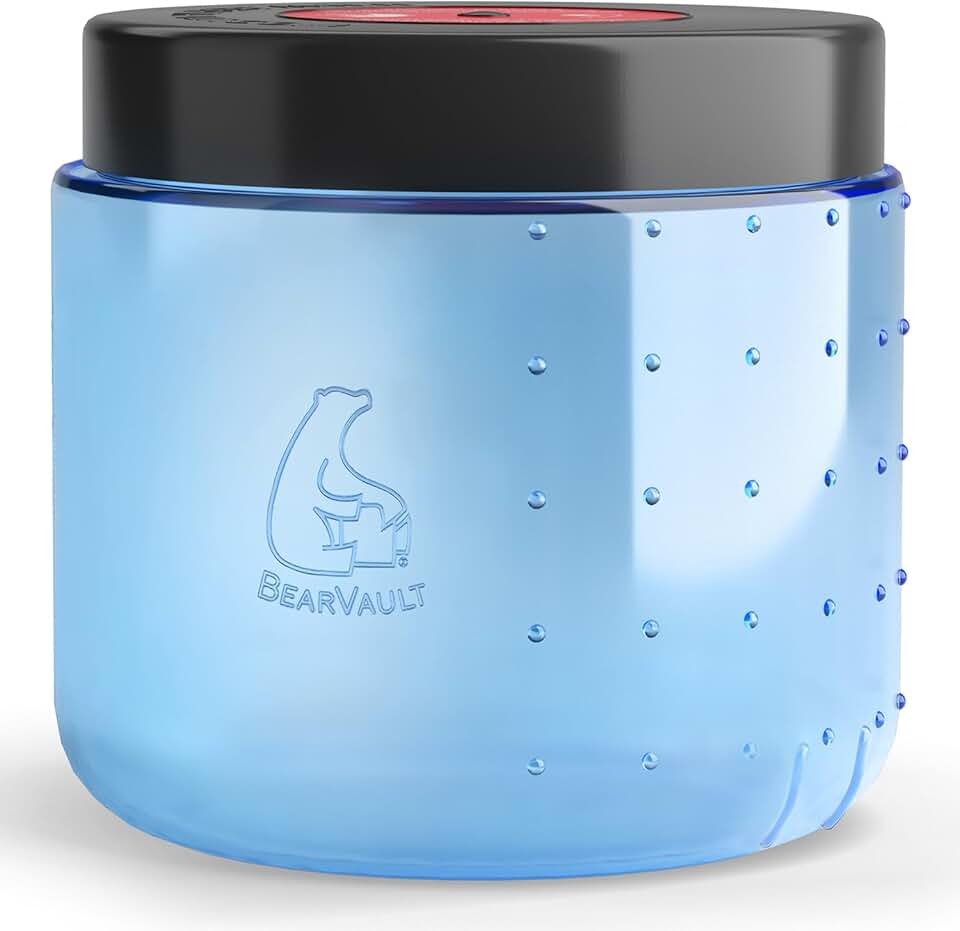
IGBC Certified Bear-Resistant Food Container · Available in 4 sizes (BV500, BV475, BV450, BV425) · Designed for backpacking and outdoor activities
This IGBC-certified bear canister is essential for safely storing your food in bear country, ensuring compliance with new regulations and protecting both you and wildlife.
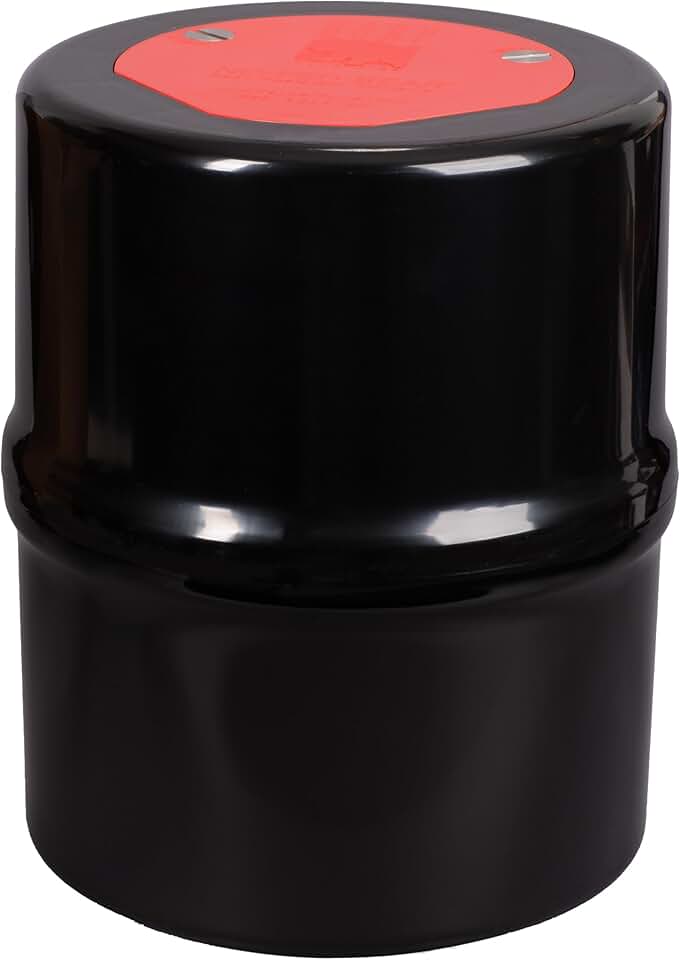
IGBC Approved Bear-Resistant Food Canister · Lightweight and durable construction · 2.1 Gallon / 8 Liter capacity
This IGBC-certified bear canister is essential for safely storing your food in bear country, ensuring compliance with new regulations and protecting both you and wildlife.
IGBC Certified Bear-Resistant Food Container · Available in 4 sizes (BV500, BV475, BV450, BV425) · Suitable for camping, hiking, fishing, hunting, and bikepacking
This IGBC-certified bear canister is essential for safely storing your food in bear country, ensuring compliance with new regulations and protecting both you and wildlife.
As an Amazon Associate I earn from qualifying purchases. Prices may vary.
Packaging and scent control
A canister is a good start, but it isn't magic. Bears can smell food from miles away. Even a sealed bin leaks odors if you aren't careful about how you pack your gear.
Remove all scented items from your campsite – this includes food, toiletries (toothpaste, soap, deodorant), sunscreen, insect repellent, and even trash. Repackage food into airtight, odor-proof bags. Consider using LOKSAK bags or Opsak odor-proof bags – these are designed to minimize smells. Don’t forget to remove food from original packaging, which often contains strong odors.
Cooking and eating away from your tent is also crucial. Choose a campsite at least 100 feet away from your sleeping area and food storage location. Clean up thoroughly after meals, wiping down surfaces and disposing of food scraps properly. Remember that bears aren't just attracted to food; they're also attracted to the smell of garbage.
Masking scents with strong-smelling items like pine needles or coffee grounds is generally ineffective. Bears are too good at distinguishing scents. Focus on eliminating odors at the source rather than trying to cover them up. Proper food storage and campsite hygiene are the most effective strategies.
- Remove all scented items from campsite.
- Repackage food in airtight, odor-proof bags.
- Cook and eat at least 100 feet from your tent.
- Clean up thoroughly after meals.
What to do during an encounter
Despite your best efforts, you might encounter a bear. Knowing how to react can make all the difference. The best course of action is always prevention, but being prepared for an encounter is essential. Remember that every bear and every situation is different, so assess the circumstances carefully.
If you see a bear at a distance, give it plenty of space. Do not approach the bear. Make noise to let it know you're there – talk loudly, sing, or clap your hands. If the bear doesn’t seem to notice you, slowly and calmly back away, keeping an eye on the bear.
If a bear approaches your campsite, stand your ground. Make yourself look as large as possible by raising your arms and waving them. Continue to make noise. If you have bear spray, have it readily accessible and know how to use it. Spray the bear in the face if it continues to approach.
Fighting a bear should be a last resort. It's extremely dangerous and rarely successful. However, if a bear attacks you, fight back aggressively, focusing on its face and muzzle. Use anything you have available as a weapon – rocks, sticks, trekking poles. The goal is to convince the bear that you’re not an easy target.
- See bear at a distance: Give it space, make noise, back away slowly.
- Bear approaches campsite: Stand your ground, make yourself look large, have bear spray ready.
- Bear attacks: Fight back aggressively, focusing on the face and muzzle.
No comments yet. Be the first to share your thoughts!