

Choose the right storage method
Your storage choice depends on where you are camping and what local rules require. Using the wrong container or hanging technique can attract bears and lead to dangerous encounters. Start by checking your destination’s regulations before you pack.
Compare storage options
Different environments require different solutions. The table below compares the three most common methods by weight, cost, and best use case.
| Method | Weight | Cost | Best For |
|---|---|---|---|
| Bear Canister | 2–3 lbs | $40–$100 | Backcountry trails where hangs are banned |
| Bear Hang | < 1 lb (gear only) | Free | Car camping or dispersed sites with tall trees |
| Food Locker | N/A | Included in fee | Designated campgrounds with metal boxes |
When to use each method
Bear canisters are hard plastic tubes that bears cannot open. They are required in many high-traffic backcountry areas, such as parts of Yosemite and the Sierra Nevada. If your trail requires them, this is your only option. They are heavy but keep your food safe from both bears and rodents.
Bear hangs involve suspending your food bag from a tree branch at least 10 feet high and 4 feet away from the trunk. This works well in car camping or dispersed backcountry sites where trees are available and regulations allow it. It is the lightest option but requires practice to do correctly.
Food lockers are metal boxes provided at many established campgrounds. You simply open the box, place your items inside, and close the lid. These are the easiest solution if your campground provides them, but you cannot rely on them for remote wilderness sites.
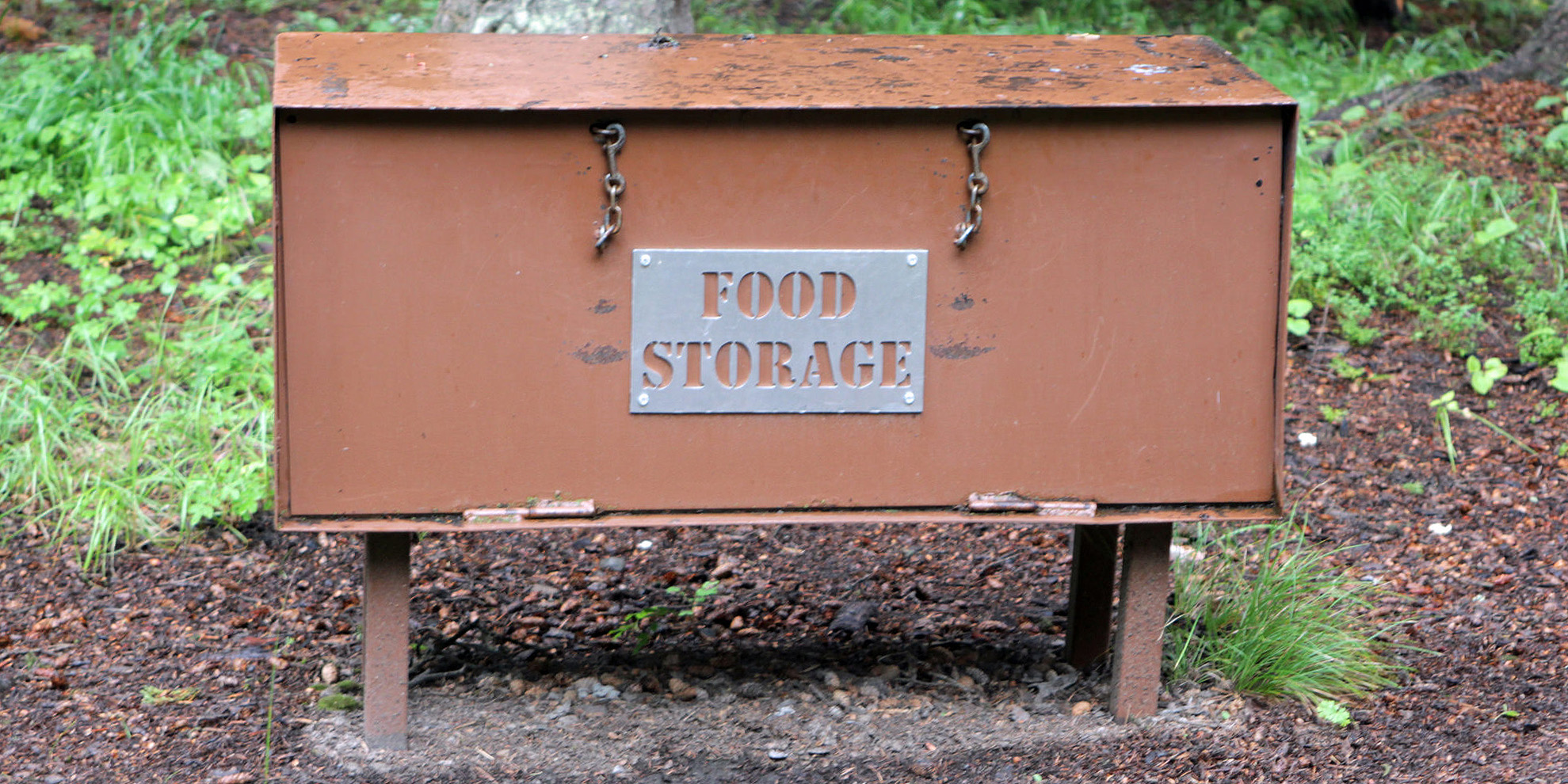
Always verify current rules with the local park service or forest ranger station before your trip. Regulations change frequently based on bear activity levels.
Pack vegan meals for low odor
Choosing vegan meals for bear country is a strategic move for scent control. Plant-based ingredients generally produce less residual odor than cooked meats, dairy, or fish, making them less likely to trigger a bear’s curiosity. By focusing on low-odor foods, you reduce the attractants that draw wildlife to your campsite.
Select shelf-stable staples that resist spoilage and hold their scent profile tightly. Dried fruits, nuts, nut butters, granola, and instant oatmeal are reliable choices. Avoid strong-smelling items like aged cheeses, cured meats, or heavily spiced dishes. When planning your menu, prioritize foods that are consumed quickly or sealed tightly to minimize the window of exposure.
Packaging is just as important as the food itself. Use odor-proof bags or hard-sided bear canisters to contain any lingering smells. Remember that scented items like toothpaste, sunscreen, and lip balm also attract bears. Store all personal care products with your food supply, not in your tent or vehicle.
Hang your food bag correctly
When bear canisters are not required or available, the PCT method (Pacific Crest Trail) is the standard for suspending food. This technique keeps your meals out of reach by placing them high and away from the tree trunk. A properly hung bag prevents curious bears from accessing your supplies and reduces the risk of dangerous encounters.
1. Prepare your bag
Pack your food and all scented items (toothpaste, sunscreen, trash) into a lightweight, odor-proof bag. If you are using a standard drawstring bag, place it inside a larger stuff sack to contain smells. Tie one end of your rope securely around the bag with a strong knot, such as a figure-eight or double fisherman’s knot, leaving enough rope to work with.
2. Find the right tree
Look for a sturdy branch that is at least 12 feet off the ground and 6 feet away from the main trunk. The branch should be horizontal and able to support the weight of your bag without breaking. Avoid branches that are dry, dead, or too thin. If you cannot find a suitable branch, choose a different tree or consider using a bear canister if regulations allow.
3. Attach the rope
Throw the end of your rope over the chosen branch. If you have a throw bag or a weighted line, use it to help get the rope over the branch. Once the rope is in place, pull it down so you have enough length to tie a secure knot or use a carabiner. Ensure the rope is strong enough to hold the weight and resistant to chewing.
4. Lift and secure
Pull the bag up the rope until it is at least 12 feet high and 6 feet away from the trunk. Tie the rope to a lower branch or use a bear-proof carabiner to lock it in place. The bag should hang freely and not touch the ground or any other objects. Double-check the knot to ensure it is secure and will not slip.
5. Test the setup
Give the bag a gentle tug to make sure it is stable and will not fall. If the bag swings too much or seems unstable, adjust the rope or choose a different branch. A secure hang ensures your food stays safe throughout the night.
Note: Always store your food and scented items at least 100 feet away from your tent and cooking area. This separation helps keep bears from associating your camp with food.
Set up your campsite safely
Your campsite layout is your first line of defense against bears. A poorly arranged site turns your sleeping bag into a dinner bell. You need to create three distinct zones: sleeping, cooking, and food storage. Keeping these areas separated by distance and wind direction drastically reduces the risk of a bear investigating your tent.
Position the tent upwind
Set up your tent at least 100 feet away from your cooking and eating area. This distance gives you a buffer if a bear approaches the food source. Additionally, place your tent upwind from the cooking zone. Bears have an incredible sense of smell, and you don't want the scent of your meal drifting toward your sleeping bag. If the wind shifts, your tent becomes a beacon for curious animals.
Store food properly
All scented items—including toothpaste, deodorant, trash, and cosmetics—must be stored with your food. Do not leave anything in your tent, car, or backpack overnight. Hang your bear bag from a tree at least 10 feet high and 4 feet out from the trunk, or use a bear-resistant canister. This includes the cooking gear you used that day. Treat your food storage area as a separate camp entirely.
Keep a clean kitchen
Cook and eat at least 100 feet downwind from your tent. Clean all dishes immediately after meals. Scrub pots and strainers with hot water and strain your dishwater to remove food particles. Scatter this gray water widely, at least 200 feet from your tent and cooking area. Never leave food scraps or wrappers lying around. A clean campsite is a safe campsite.
Check your gear before heading out
Bear country regulations vary by region, but the equipment standards are consistent. Before you enter the backcountry, verify that you have the correct storage containers for your destination. A generic trash bag is not sufficient. You need either a certified bear canister, a bear-proof locker, or a heavy-duty bear bag kit with a proper rope and carabiner.
Inspect every piece of gear for wear and tear. Check the lids of bear canisters for cracks or warping that might prevent a tight seal. Examine the fabric of bear bags for thin spots or holes, especially near the drawstring. A small tear can allow a curious bear to get in. Test all carabiners to ensure the gates close and lock securely.
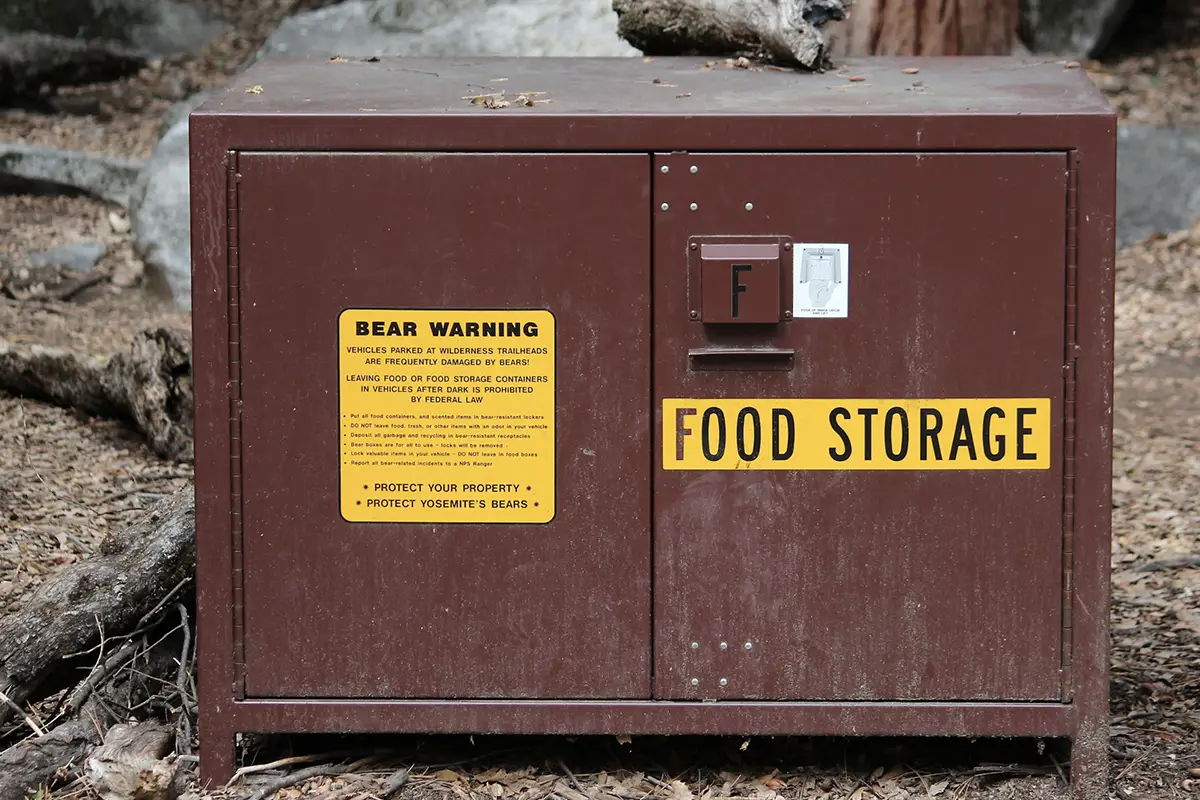
Pack your gear checklist into your pack before you leave home. Do not wait until you reach the trailhead to realize you forgot the rope or the carabiners. Here is a quick checklist to ensure you are prepared.
- Bear canister or bear-proof locker reservation confirmation
- Heavy-duty bear bag (if canisters are not required)
- Paracord or static rope (at least 50 feet)
- Two locking carabiners
- Stuff sack for the bear bag
- Odor-proof liner bag (e.g., Opsak)
If you are using a bear bag system, practice hanging your bag at home. A poorly hung bag is an easy target for bears. Ensure you have the skill to hang it at least 10 feet high and 4 feet away from the trunk.
Common food storage mistakes
Even experienced campers make errors that attract bears. Understanding these pitfalls helps you protect both your supplies and your safety.
Leaving food in the car is the most frequent mistake. Bears have strong noses and can smell food through closed windows or unlocked doors. Never store food, trash, or scented items in your vehicle, even for short trips.
Using non-approved containers is another critical error. Many campers rely on plastic bags or soft-sided coolers, which bears can easily tear open. Use only bear-resistant canisters or approved lockers provided by the park.
Storing items too close to your tent creates unnecessary risk. Bears may investigate the smell of food and wander into your sleeping area. Keep all food and scented items at least 100 yards away from where you sleep.
No comments yet. Be the first to share your thoughts!