

Prep meals before you hit the trail
Minimizing on-site cooking time is the single most effective way to reduce your food's scent profile in bear country. Every minute spent chopping, stirring, or washing dishes at camp is a minute you are lingering in a potential conflict zone. By shifting the labor to your kitchen, you turn a complex outdoor meal into a simple reheating task, allowing you to eat quickly and store your food safely before dusk.
Start by cooking calorie-dense grains like rice, quinoa, or pasta in large batches. These form the base for most vegan camping meals and travel well when portioned. Freeze the cooked grains in rigid, airtight containers before packing. This serves a dual purpose: the frozen blocks act as ice packs to keep perishable items cold in your cooler for the first day or two, and they thaw slowly by mealtime, ready to eat or reheat. This technique eliminates the need for bulky ice management and reduces the weight of water you carry.
Pre-chop vegetables that hold up well to pressure, such as carrots, potatoes, and bell peppers. Store them in separate bags to prevent cross-contamination and sogginess. For dishes like burrito bowls or stews, assemble the dry ingredients and spices in zip-top bags. When you reach camp, you simply dump the contents into a pot, add water, and heat. This approach mirrors the efficiency of no-cook strategies but allows for hot, satisfying meals that boost morale and calorie intake during long hikes.
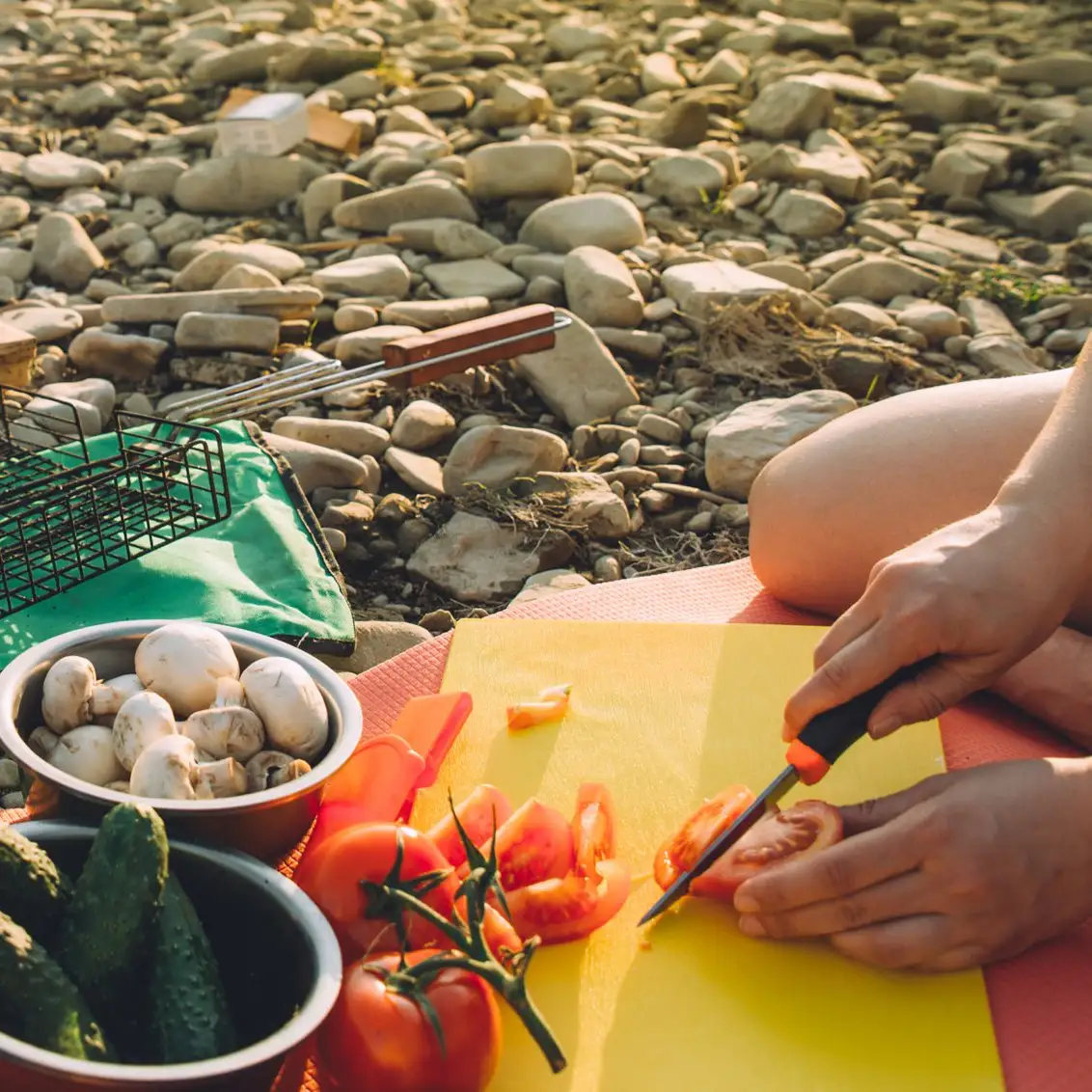
Cook rice, quinoa, or pasta in bulk. Divide into single-serving rigid containers and freeze solid. These become your meal base and natural ice packs.
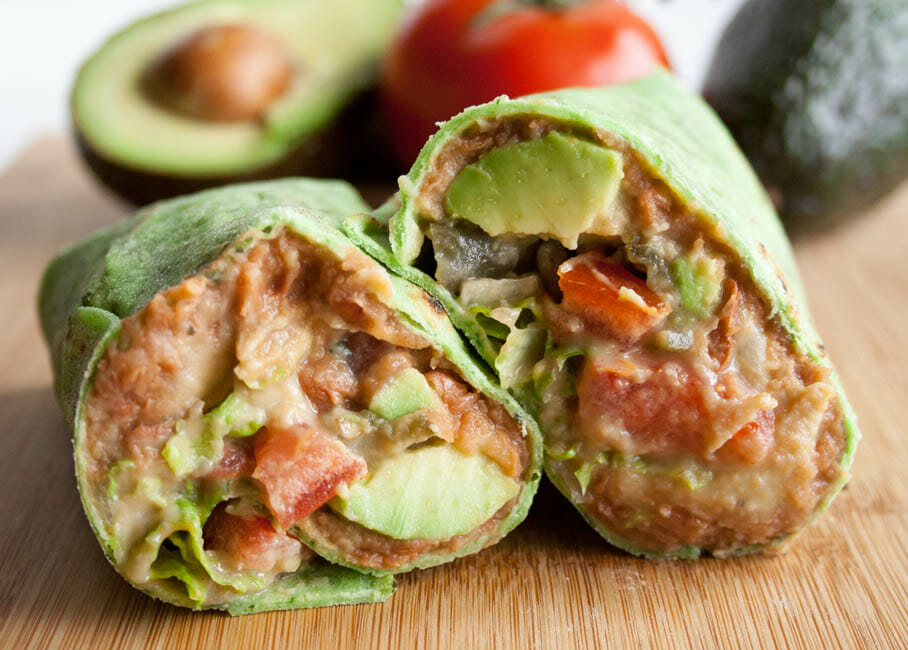
Chop carrots, potatoes, and bell peppers at home. Store in separate bags to maintain texture and prevent mushiness during transport.
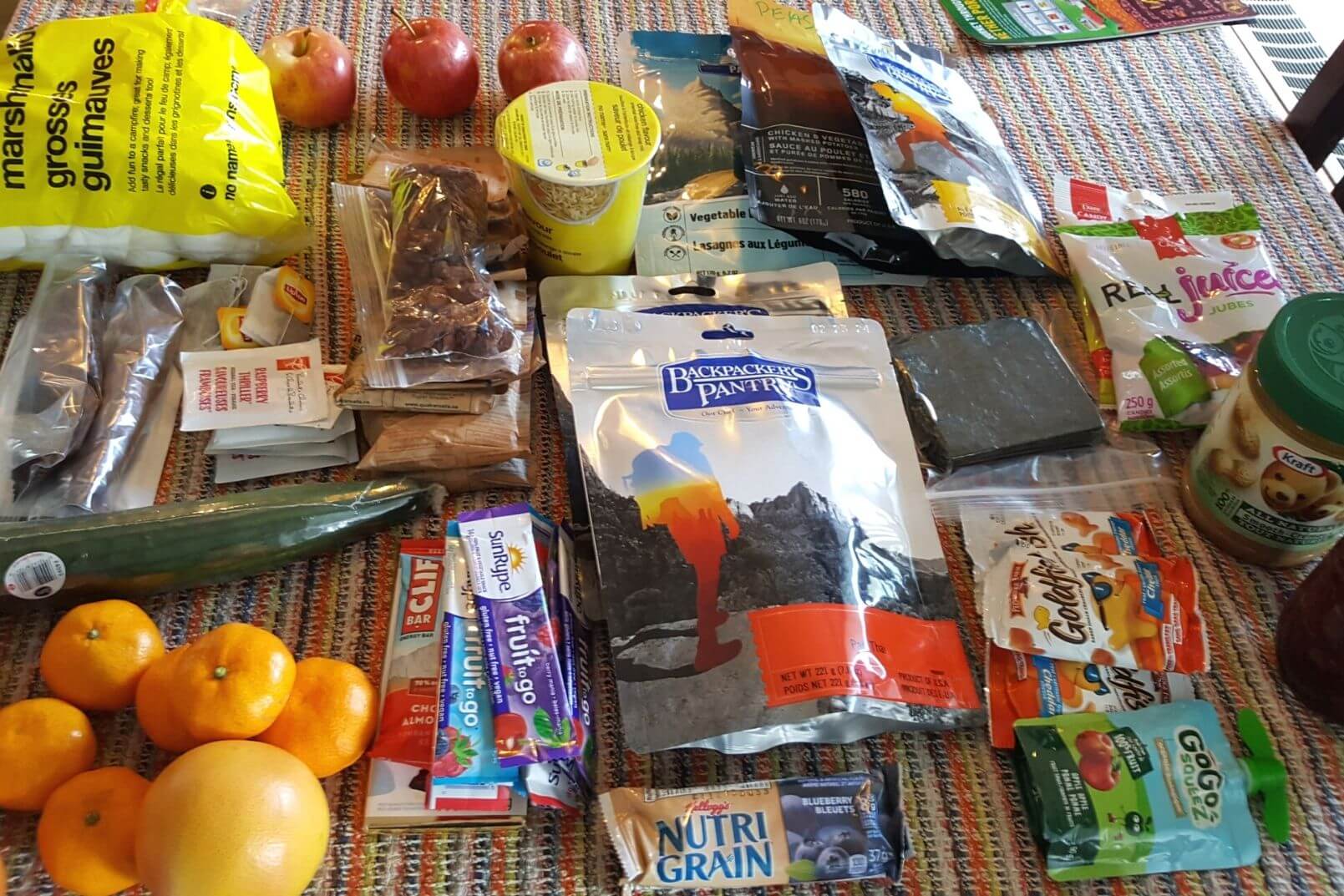
Combine dry mixes, beans, and spices in zip-top bags. At camp, dump into a pot, add water, and heat. This minimizes on-site prep time.
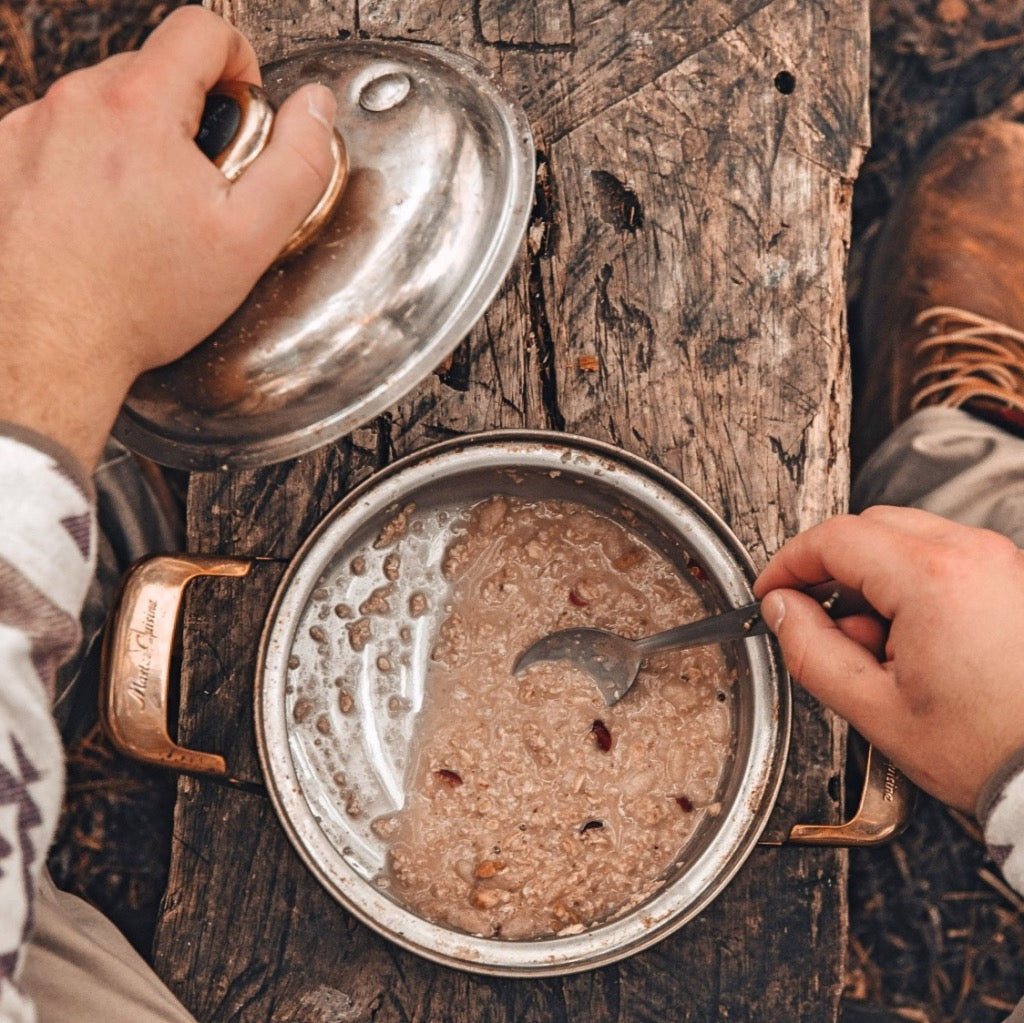
Combine pre-cooked grains with reheated beans and vegetables. This method creates high-calorie, low-waste meals that are safe and efficient.
By handling the heavy lifting at home, you ensure that your time in the backcountry is spent enjoying the trail, not managing a complex kitchen. This preparation strategy directly supports bear safety by reducing the duration and intensity of food-related activities in the wild.
Pack food in bear-proof containers
Storing your vegan camping meals correctly is the single most important safety step in bear country. Bears have an incredible sense of smell and can detect food, trash, and even scented toiletries from miles away. If they associate your campsite with an easy meal, they may become habituated, which often leads to the animal being destroyed. Using approved bear-proof containers keeps your food safe and protects both you and the wildlife.
Most national parks and wilderness areas in the US have strict regulations requiring the use of bear canisters or Ursacks. These regulations apply to all food, including vegan snacks like trail mix, dried fruit, and protein bars. Even items that don't smell strong to humans, such as toothpaste, sunscreen, and lip balm, must be stored inside these containers. The goal is to eliminate any scent source that could attract a bear to your tent or cooking area.
Bear canisters are hard-sided plastic containers that bear cannot crush or open. They are heavy and bulky, so plan your pack weight accordingly. Ursacks are softer, mesh-lined bags that must be hung from a tree or used with a bear hang kit. While lighter than canisters, they require more effort to set up correctly. Check the specific requirements for your camping area before you go, as some regions only accept canisters.
Verify if your campsite requires a hard-sided bear canister or if a bear hang with an Ursack is permitted. Hard canisters are heavier but easier to use, while Ursacks are lighter but require proper hanging technique. Ensure the container meets the size and material standards of the managing agency.
Place every item with a scent inside the container. This includes all vegan camping meals, snacks, wrappers, and utensils. Do not forget toiletries like toothpaste, deodorant, and sunscreen. Even empty wrappers should be packed out or stored inside the canister to prevent lingering odors.
Set up your food storage at least 100 yards (90 meters) downwind from your tent. This distance ensures that if a bear investigates the container, it is far enough away to not pose a threat to your sleeping area. Keep the container closed and latched at all times, even during the day.
Cook simple dinners on a camp stove
Most vegan camping meals fail because they require too much prep or too many pots. The goal is high calories with minimal cleanup. You need a workflow that turns dehydrated or shelf-stable ingredients into a hot meal in under twenty minutes.
Start by boiling water. Use a lightweight stove and a small pot. Boiling water is the engine of backcountry cooking; it rehydrates dehydrated vegetables, beans, and grains. If you are making a lentil pasta or a rice dish, bring the water to a rolling boil before adding anything else. This ensures even cooking and kills any surface bacteria.
Bring your pot of water to a boil. Use just enough to cover your ingredients, but leave a little room to stir. A rolling boil is necessary for rehydrating tough fibers like dried beans or thick pasta.
Add your pre-portioned vegan camping meals. This could be a dehydrated chili, lentil soup, or instant oatmeal with nuts. Stir immediately to prevent sticking. If using fresh veggies like spinach or zucchini, add them in the last two minutes so they don’t turn to mush.
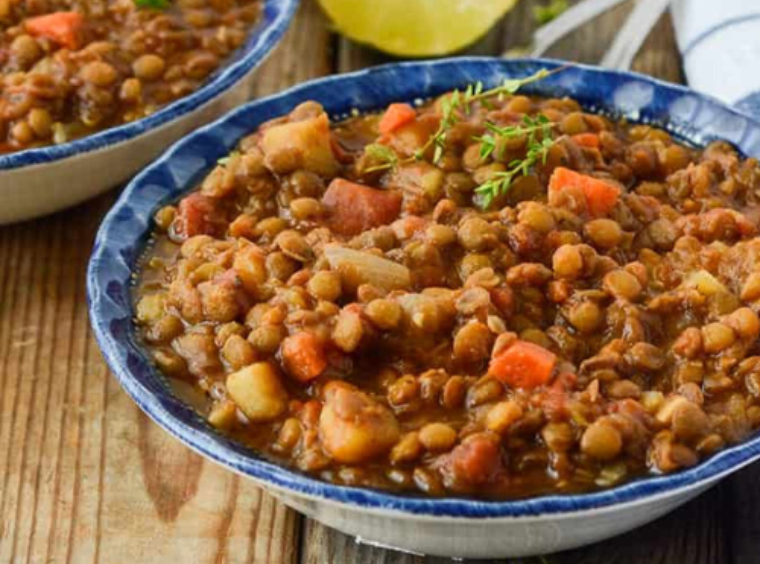
Remove the pot from heat and let it sit covered for five minutes. This resting period allows the heat to penetrate evenly, finishing the cooking process without burning the bottom. It also helps the flavors meld, which is crucial when you are eating cold food in bear country.
Eat directly from the pot to save washing a bowl. Use a spork to scrape the bottom for the last bites. This minimizes trash and keeps your campsite clean, which is a critical safety practice in bear country to avoid attracting wildlife.
This method works because it relies on heat and time rather than complex techniques. You are essentially reheating and rehydrating, not cooking from scratch. This reduces the risk of undercooked food and minimizes the time you spend outside your shelter or vehicle. Keep your cooking area clean and store all unused food properly. A simple, hot meal is worth the effort, but only if it is safe and efficient.
Choose snacks that resist crushing
Packing vegan camping meals requires selecting snacks that survive the pressure of a backpack. Soft bars and delicate cookies turn into crumbs or melt into a sticky mess when the trail gets bumpy. You need food that stays intact, provides steady energy, and resists heat.
Focus on dense, whole-food ingredients. Nuts, seeds, and dried fruits hold their shape well. Look for snacks with minimal added sugar or chocolate coatings, which soften quickly in warm weather. A solid snack bar should snap, not squish.
Compare options side-by-side to find the best balance of weight, durability, and calories for your pack.
| Snack | Durability | Calories/oz | Weight/oz |
|---|---|---|---|
| Mixed Nuts & Seeds | High | 170 | 1 |
| Dried Mango | High | 80 | 1 |
| Nut Butter Packets | Medium | 160 | 1 |
| Granola Bars (Hardbake) | Medium | 110 | 1 |
| Dark Chocolate | Low | 150 | 1 |
| Rice Cakes | Low | 35 | 0.25 |
Packing pitfalls to avoid
Even the best vegan camping meals can turn into a disaster if your packing strategy is flawed. The difference between a peaceful night and a bear encounter often comes down to discipline in how you store and transport your gear. Focus on these common mistakes to keep your food safe and your pack light.
Don’t store food near your tent. This is the most critical rule in bear country. Food odors attract wildlife, and sleeping with your dinner nearby is an invitation for trouble. Store all vegan camping meals, snacks, and scented items (like toothpaste) in a bear canister or hang them in a bear bag at least 200 feet away from your sleeping area. Treat this distance as non-negotiable.
Avoid overpacking water. Weight is your enemy on the trail. Instead of hauling gallons of water for every meal, plan recipes that require minimal rehydration. Use dehydrated ingredients like lentils, rice, and pasta that only need a small amount of boiling water. This reduces your pack weight significantly and makes cleanup faster.
Never skip cleaning cookware. Greasy pots and pans retain odors long after the meal is gone. Bears have an incredible sense of smell and can detect residue from previous meals. Wash all dishes with biodegradable soap and strain food particles into your trash bag. Rinse utensils thoroughly and store them in sealed bags until the next use.
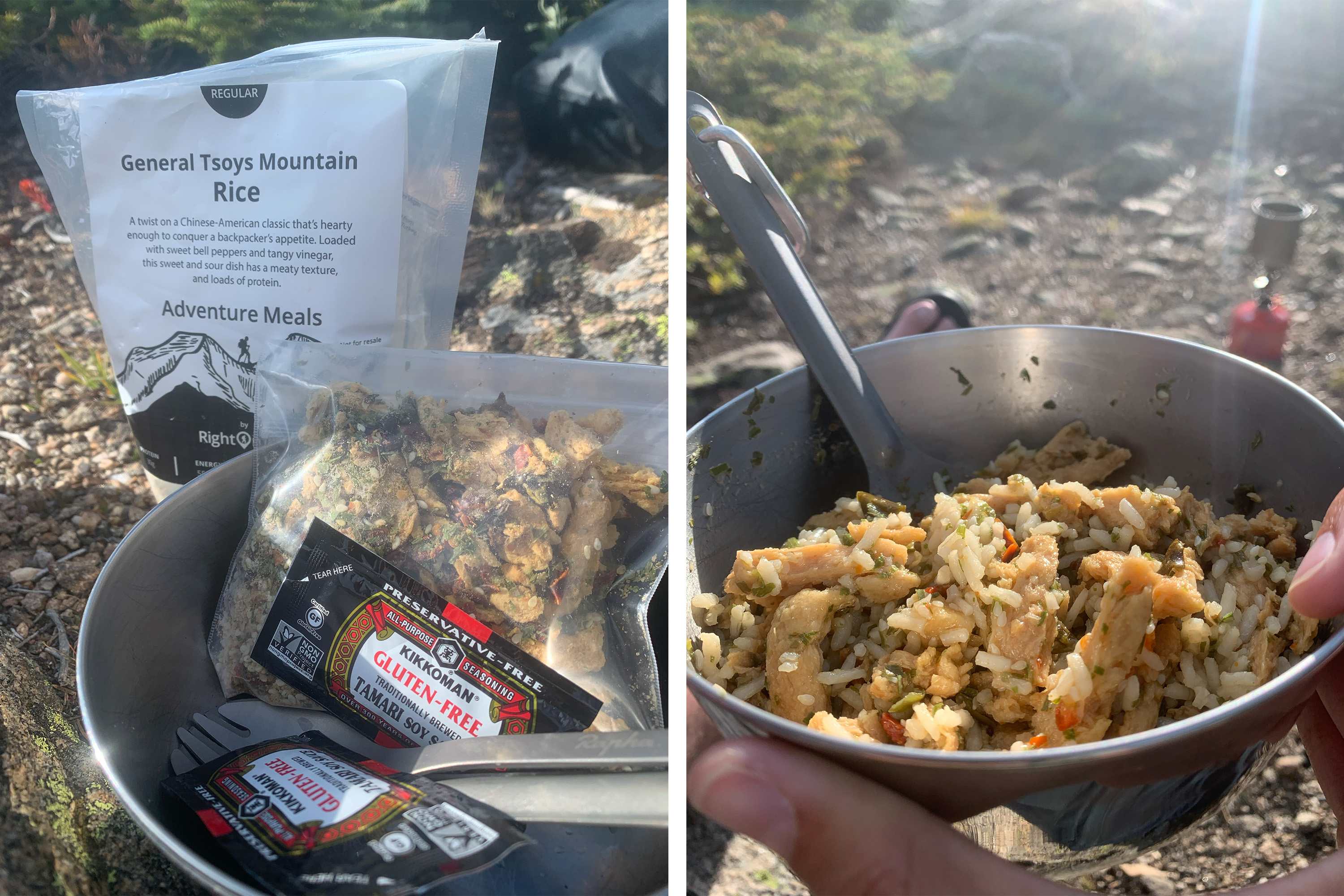
Store all food, trash, and scented items in bear-proof containers at least 200 feet from your tent. This distance breaks the association between your campsite and food sources.
Swap heavy canned goods for dehydrated lentils, rice, and pasta. These ingredients only need boiling water, reducing both pack weight and the amount of water you must carry.
Wash all pots and utensils with biodegradable soap. Strain food particles into your trash bag and rinse thoroughly. Odor-free gear prevents attracting wildlife to your camp.
Check your gear before leaving
Before you head into bear country, a quick inventory check prevents dangerous food spills and wasted time. Vegan camping meals rely heavily on dry goods and durable packaging, so verify that every container is sealed tight. Bears have an incredible sense of smell; a single loose granola bar wrapper can draw attention to your tent.
Focus on three areas: storage, cooking, and waste. Ensure your bear canister or hang bag fits all your food and scented items, including toothpaste and sunscreen. Check that your stove fuel is sufficient and that your cookware has no leaks. Finally, pack a dedicated trash bag for food scraps; leaving nothing behind is the final rule of safe vegan camping meals.
Transfer all dry goods into airtight containers. Remove original packaging that bears strong food odors or bright colors. Pack heavy items at the bottom of your bear canister to keep the center of gravity low.
Test your stove burner and check fuel levels. Verify that your pot lids fit securely and that your utensils are clean. A leaking fuel line or dirty pan can attract insects and bears alike.
Line your trash bin with a heavy-duty bag. Pack extra zip-top bags for storing leftover food scraps. These will be carried out of the wilderness, ensuring no scent remains at your campsite.
No comments yet. Be the first to share your thoughts!