

Fueling a vegan trek
Vegan backpacking is gaining serious momentum. More and more people are realizing you don’t need animal products to tackle challenging trails and feel great doing it. But let’s be honest, finding convenient, nutritious plant-based food for the backcountry can be a struggle. Traditional backpacking fare often relies heavily on meat and dairy, leaving vegan adventurers scrambling for options.
The good news is that plant-based eating actually supports endurance and recovery. Whole plant foods are packed with complex carbohydrates for sustained energy, vital antioxidants to combat the stress of physical exertion, and fiber for healthy digestion. The challenge is translating those benefits into a lightweight, shelf-stable package. That's where freeze-dried vegan camping meals come in.
I've spent the last season testing these options on the trail to see which ones actually taste like food and which ones are just salty mush. Here is what's worth the pack space in 2026.
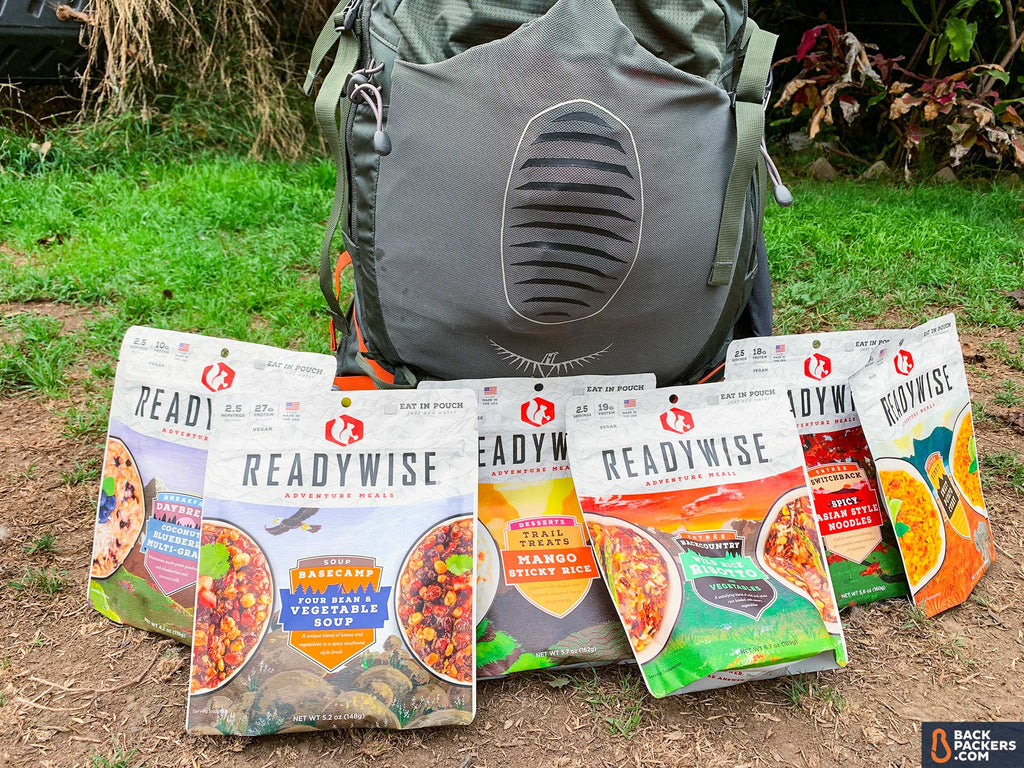
The 2026 vegan meal lineup
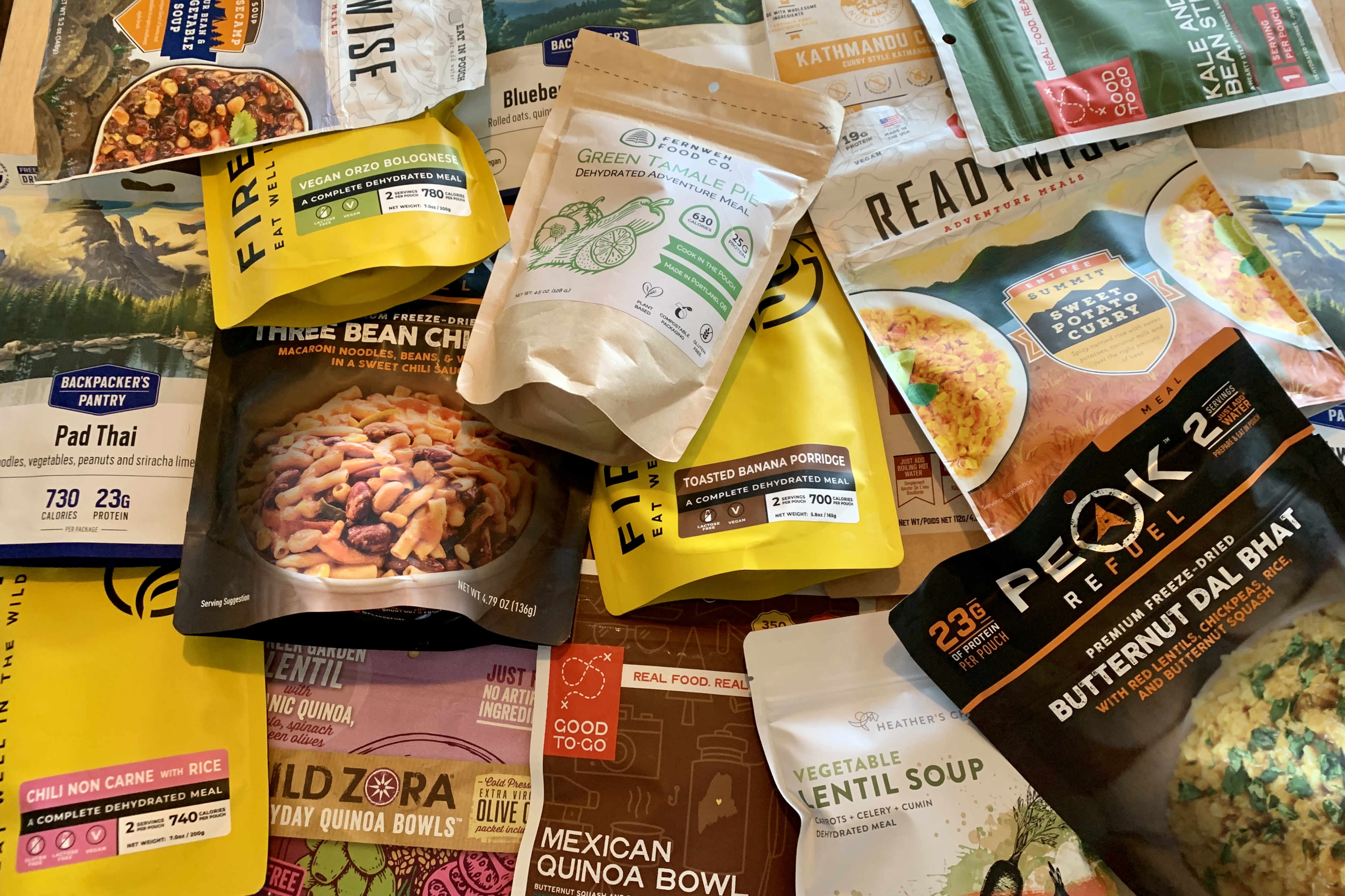
The freeze-dried vegan meal market has exploded in recent years, offering backpackers a wider variety of choices than ever before. Here's a curated list of some of the best options available in 2026, considering taste, nutrition, price, and convenience. Pricing can vary, but the 'price per serving' estimates are based on current market data.
Taste is personal, but I've prioritized meals that don't require a gallon of hot sauce to be edible. I've categorized these by who they're for—whether you're counting every gram or just want a decent dinner after a 20-mile day.
- Good To-Go Vegan Thai Curry ($14.99): This is the gold standard for trail flavor. It uses real coconut milk and hits 400 calories with 8g of protein. It's organic and actually tastes like a restaurant meal.
- Backpacker’s Pantry Pad Thai: (Price per serving: $13.50) – A classic flavor in a convenient package. It’s not quite as complex as the Good To-Go version, but it’s a solid option. 380 calories, 7g protein.
- Outdoor Herbivore Moroccan Tagine: (Price per serving: $12.00) – A hearty and flavorful option with a unique spice blend. It’s a bit heavier than some of the other meals, but the flavor is worth it. 550 calories, 12g protein. Gluten-free.
- Mary Jane’s Farm Vegan Shepherd’s Delight: (Price per serving: $11.75) – A comforting and familiar flavor. This meal is a good source of protein and fiber. 420 calories, 10g protein. Organic.
- Peak Refuel Vegan Chocolate Coconut Chia: (Price per serving: $15.00) – A surprisingly delicious dessert-style meal. It’s a good option for a quick energy boost. 350 calories, 8g protein.
- Trailtopia Vegan Black Bean Burrito: (Price per serving: $12.50) - A simple, filling meal with a classic flavor profile. 400 calories, 9g protein. Gluten-free.
- Nomad Kitchen Vegan Mac & Cheese: (Price per serving: $13.00) – A surprisingly good vegan take on a comfort food classic. It’s a bit rich, but satisfying. 450 calories, 10g protein.
- Nextbite Vegan Pasta Primavera: (Price per serving: $11.00) – Packed with vegetables, this meal provides a good dose of vitamins and minerals. 370 calories, 6g protein.
- AlpineAire Vegan Red Lentil Curry: (Price per serving: $14.00) – A protein-packed and flavorful meal, ideal for long days on the trail. 480 calories, 15g protein. Gluten-free.
- Fernweh Food Co. Vegan Coconut Curry: (Price per serving: $16.50) – A premium option with a focus on high-quality ingredients and bold flavors. 500 calories, 12g protein.
2026's Best Freeze-Dried Vegan Camping Meals: A Comparative Guide
| Brand | Meal Name | Calorie Level | Protein Content | Taste & Texture Profile |
|---|---|---|---|---|
| Good To-Go | Thai Green Curry | Moderate | Good | Complex flavors, slightly chewy vegetables |
| Backpacker's Pantry | Pad Thai | Moderate | Moderate | Classic Pad Thai taste, can be a little sweet |
| Peak Refuel | Spicy Chipotle Black Bean Burger | High | Higher | Hearty and filling, noticeable spice |
| Outdoor Herbivore | Caribbean Quinoa Bowl | Moderate | Good | Flavorful and aromatic, well-balanced |
| Mary Jane's Farm | Mediterranean Quinoa | Lower | Moderate | Mild flavor, good base for adding extras |
| Trailtopia | Vegan Shepherd's Pie | High | Good | Comfort food feel, substantial texture |
Qualitative comparison based on the article research brief. Confirm current product details in the official docs before making implementation choices.
Nutrition on the trail
You're going to burn through calories faster than you think. On a typical high-mileage day, I aim for an extra 500 calories just to keep from crashing. Protein is what keeps your legs from feeling like lead the next morning; I try to hit about 0.8 grams per kilo of body weight to stay on top of recovery.
Electrolytes, lost through sweat, need to be replenished to maintain proper hydration and prevent cramping. Sodium, potassium, and magnesium are particularly important. Carbohydrates are your primary fuel source, providing sustained energy for your muscles. Focus on complex carbohydrates like those found in whole grains, vegetables, and legumes for a more stable energy release.
When reading nutrition labels, pay attention to the serving size – it’s often smaller than you think. Look for meals with a good balance of macronutrients (carbohydrates, protein, and fats). As a vegan backpacker, it’s important to ensure you're getting enough B12, which is not found in plant foods. Consider a B12 supplement. Iron intake is also important, and pairing iron-rich foods with vitamin C can enhance absorption.
What to look for in the ingredients
Beyond the calorie count and macronutrient ratios, understanding the ingredients list is key to choosing a truly nourishing meal. Complex carbohydrates, like those found in sweet potatoes, quinoa, and brown rice, provide sustained energy release. These are preferable to simple sugars, which cause a quick spike and crash.
Healthy fats, from sources like avocados, nuts, and seeds, are essential for hormone production and nutrient absorption. They also contribute to satiety. Fiber is your friend – it aids digestion, promotes gut health, and helps regulate blood sugar levels. Look for meals with a good amount of fiber from vegetables, legumes, and whole grains.
Ingredients to potentially limit include excessive sodium (which can contribute to dehydration), artificial sweeteners (which may cause digestive upset), and highly processed ingredients. A short, recognizable ingredient list is generally a good sign. Don't be afraid to research unfamiliar ingredients and understand their impact on your body.
- Prioritize: Whole grains, legumes, vegetables, nuts, and seeds
- Limit: Added sugars, excessive sodium, artificial ingredients
- Look for: Meals with a good fiber content (5g or more per serving)
Preparation & Repacking: Minimizing Weight
Most freeze-dried meals require only boiling water for preparation. The amount of water needed varies, but it’s typically around 1-2 cups. Allow the meal to rehydrate for the recommended time (usually 5-10 minutes). Stirring occasionally helps ensure even rehydration. Always use a water purification method – filter, tablets, or boiling – to ensure your water is safe to drink.
To minimize weight, consider removing excess packaging from the meal pouches before your trip. Repackaging meals into ziplock bags can save significant space and weight. Be sure to label the bags clearly with the meal name and any important instructions. Remember to pack out all trash responsibly.
Beyond the Pouch: Supplementing Your Meals
Freeze-dried meals provide a solid foundation for your backcountry nutrition, but supplementing with snacks and add-ins can enhance your energy levels and overall enjoyment. Trail mix, with a combination of nuts, seeds, and dried fruit, is a classic choice. Energy bars, specifically designed for endurance activities, can provide a quick source of carbohydrates and protein.
Dried fruit, like mangoes or apricots, offers a natural source of sugar and vitamins. Nuts and seeds are packed with healthy fats and protein. Electrolyte tablets or powders can help replenish lost minerals. Vegan jerky, made from soy or mushrooms, provides a savory and protein-rich snack. A well-rounded meal plan combines the convenience of freeze-dried meals with the added benefits of supplemental snacks.
- Trail mix (nuts, seeds, dried fruit)
- Energy bars (vegan options available)
- Dried fruit (mango, apricots)
- Nuts and seeds (almonds, walnuts, chia seeds)
- Electrolyte tablets or powders
- Vegan jerky (soy or mushroom-based)
Storing Food Safely in Bear Country
When camping in bear country, proper food storage is absolutely essential. Bears have an incredible sense of smell and are attracted to anything that smells like food, including toothpaste, sunscreen, and even scented toiletries. Never leave food unattended, even for a short period of time. Always store food at least 100 feet away from your tent.
The most reliable method for storing food in bear country is using a bear canister. These hard-sided containers are designed to prevent bears from accessing your food. Alternatively, you can hang your food from a tree using a bear bag and rope, ensuring it’s at least 10 feet off the ground and 4 feet away from the trunk. Check local regulations, as some areas require specific food storage methods. For more information, visit the National Park Service website:
No comments yet. Be the first to share your thoughts!