15 High-Protein Vegan Camping Meals That Don't Need Refrigeration - Part 1
When you're planning your next camping adventure, finding nutritious vegan camping meals that pack a protein punch without requiring refrigeration can seem challenging. However, with the right ingredients and preparation techniques, you can enjoy satisfying plant-based backpacking meals that fuel your outdoor activities while keeping your food safe in bear country.
Why Shelf-Stable Protein Matters for Campers
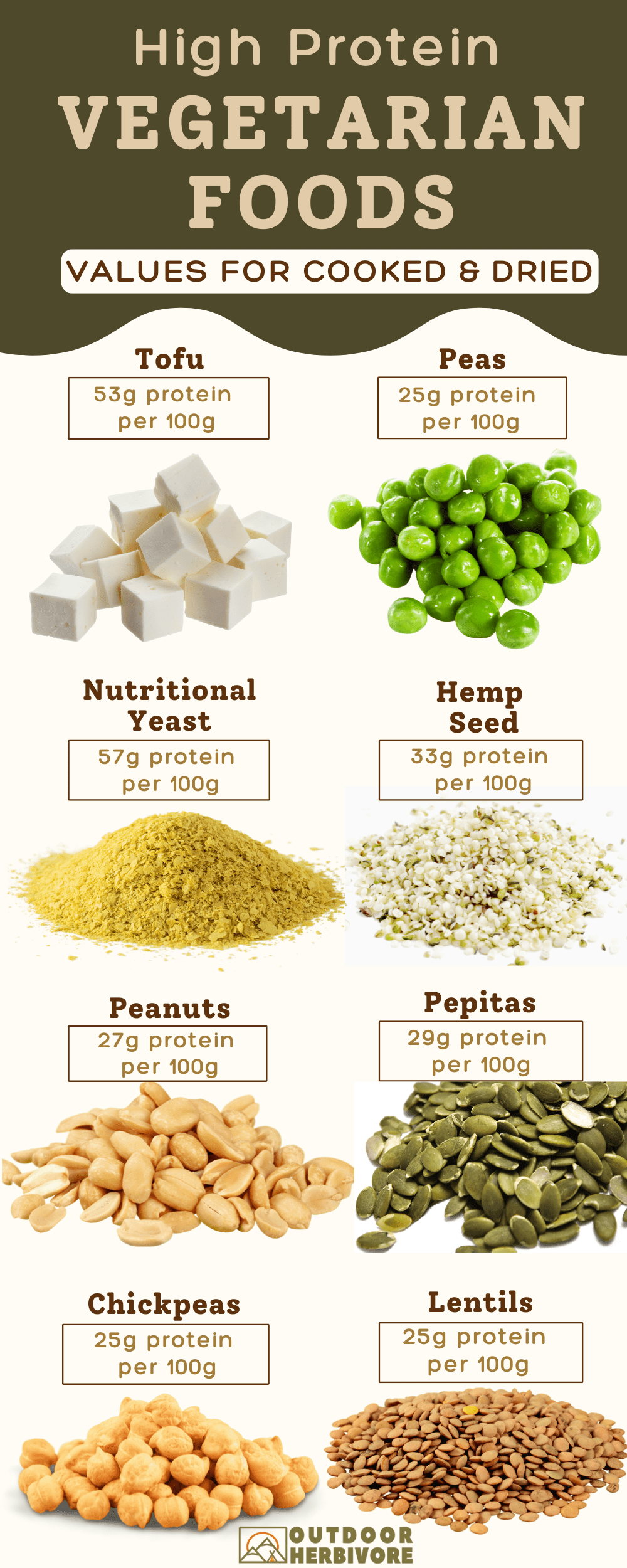
High protein camping food serves multiple purposes beyond basic nutrition. Protein helps maintain energy levels during long hiking days, supports muscle recovery after physical exertion, and provides sustained satiety that prevents frequent snacking. For vegan campers, achieving adequate protein intake without refrigeration requires strategic planning around shelf-stable ingredients like legumes, nuts, seeds, and whole grains.
Protein Content of Shelf-Stable Vegan Camping Ingredients
| Ingredient | Serving Size | Protein (grams) | Calories per Serving | Storage Notes |
|---|---|---|---|---|
| Canned Chickpeas | 1/2 cup (82g) | 6.0 | 134 | Drain and rinse before use |
| Dried Red Lentils | 1/4 cup dry (48g) | 12.0 | 170 | Cook in 15-20 minutes |
| Quinoa | 1/4 cup dry (43g) | 6.0 | 156 | Rinse before cooking |
| Almonds | 1 oz (28g) | 6.0 | 164 | Store in airtight container |
| Pumpkin Seeds | 1 oz (28g) | 9.0 | 158 | Keep dry and sealed |
| Nutritional Yeast | 2 tablespoons (16g) | 8.0 | 60 | Store in cool, dry place |
| Hemp Seeds | 3 tablespoons (30g) | 10.0 | 170 | Refrigerate after opening if possible |
| Peanut Butter | 2 tablespoons (32g) | 8.0 | 188 | Natural varieties may separate |
The key to successful vegan camping nutrition lies in understanding which plant-based proteins can withstand temperature fluctuations and extended storage without spoiling. Canned legumes, dried beans and lentils, nuts, seeds, and protein-rich grains form the foundation of any well-planned camping menu.
Essential Ingredients for High-Protein Vegan Camping
Before diving into specific recipes, it's crucial to stock your camping pantry with versatile, protein-rich ingredients that don't require refrigeration. These staples will serve as building blocks for multiple meals throughout your trip.
Canned chickpeas and black beans top the list for their versatility and impressive protein content. A single can of chickpeas provides approximately 12 grams of protein and can be transformed into everything from hearty salads to satisfying wraps. Similarly, lentils cook quickly over a camp stove and absorb flavors beautifully, making them perfect for one-pot meals.
Nuts and nut butters offer concentrated protein and healthy fats that provide sustained energy for hiking. Almonds, peanuts, and cashews can be eaten as snacks or incorporated into meals, while nut butters serve as excellent bases for sauces and spreads.
Recipe 1: Mediterranean Chickpea Power Wraps
This protein-packed wrap delivers 18 grams of plant-based protein and requires no cooking, making it perfect for lunch on the trail or quick camp meals.
Ingredients:
- 1 can chickpeas, drained and rinsed
- 2 tablespoons tahini
- 1 tablespoon lemon juice (bottled)
- 2 whole grain tortillas
- 1/4 cup sun-dried tomatoes, chopped
- 2 tablespoons hemp hearts
- Salt, pepper, and dried herbs to taste
Instructions: Mash chickpeas in a bowl with tahini and lemon juice until chunky but spreadable. Season with salt, pepper, and herbs. Spread mixture on tortillas, top with sun-dried tomatoes and hemp hearts, then roll tightly. These wraps improve in flavor as they sit, making them ideal for preparing the night before.
Recipe 2: Quinoa Energy Bowls
Quinoa stands out among grains for its complete amino acid profile, providing all essential amino acids your body needs. This versatile bowl can be customized with whatever vegetables and seasonings you have on hand.
Ingredients:
- 1 cup quinoa
- 1 can black beans
- 1/4 cup pumpkin seeds
- 2 tablespoons olive oil
- 1 tablespoon nutritional yeast
- Dried vegetables (bell peppers, onions)
- Spices: cumin, paprika, garlic powder
Instructions: Cook quinoa according to package directions using camp stove. Drain and rinse black beans, then mix with cooked quinoa. Add pumpkin seeds, olive oil, nutritional yeast, and seasonings. This bowl provides 22 grams of protein per serving and can be eaten warm or at room temperature.
Recipe 3: Trail Mix Energy Balls
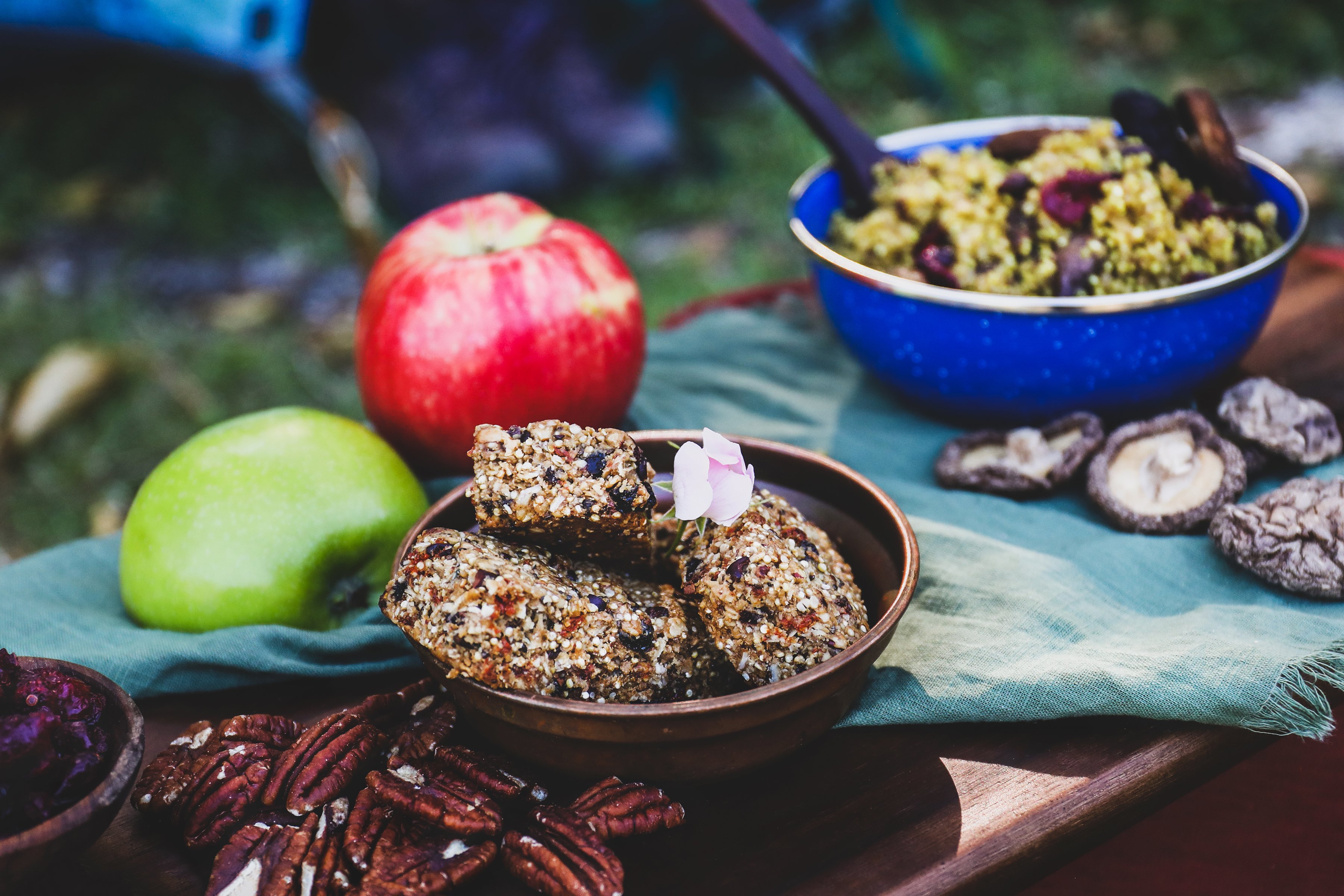
These no-bake energy balls combine multiple protein sources and can be prepared before your trip for grab-and-go convenience.
Ingredients:
- 1 cup dates, pitted
- 1/2 cup almonds
- 1/4 cup chia seeds
- 2 tablespoons almond butter
- 1 tablespoon cocoa powder
- Pinch of salt
Instructions: Process dates and almonds in a food processor until finely chopped. Add remaining ingredients and pulse until mixture holds together when pressed. Roll into balls and store in airtight container. Each ball provides approximately 4 grams of protein and natural sugars for quick energy.
These first five recipes demonstrate how simple ingredients can create satisfying, protein-rich meals without refrigeration. In Part 2, we'll explore hot meal options that showcase the versatility of dried legumes and grains, perfect for warming up after a long day of outdoor activities.
Essential Protein Sources for Shelf-Stable Vegan Camping Meals
Building high-protein vegan camping meals without refrigeration starts with understanding which plant-based ingredients deliver the most nutritional value while maintaining shelf stability. The key is combining complementary proteins and utilizing ingredients that can withstand temperature fluctuations during your outdoor adventures.
Protein Content of Shelf-Stable Vegan Camping Ingredients
| Ingredient | Serving Size | Protein (grams) | Calories per Serving | Storage Notes |
|---|---|---|---|---|
| Canned Chickpeas | 1/2 cup (82g) | 6.2 | 134 | Drain and rinse before use |
| Canned Black Beans | 1/2 cup (86g) | 7.6 | 114 | No refrigeration needed once opened if consumed same day |
| Peanut Butter | 2 tablespoons (32g) | 8.0 | 188 | Natural varieties may separate but remain safe |
| Almonds | 1 ounce (28g) | 6.0 | 164 | Store in airtight container to prevent rancidity |
| Sunflower Seeds | 1 ounce (28g) | 5.8 | 165 | Keep dry to maintain freshness |
| Quinoa (cooked) | 1/2 cup (93g) | 4.4 | 111 | Cook with portable camping stove |
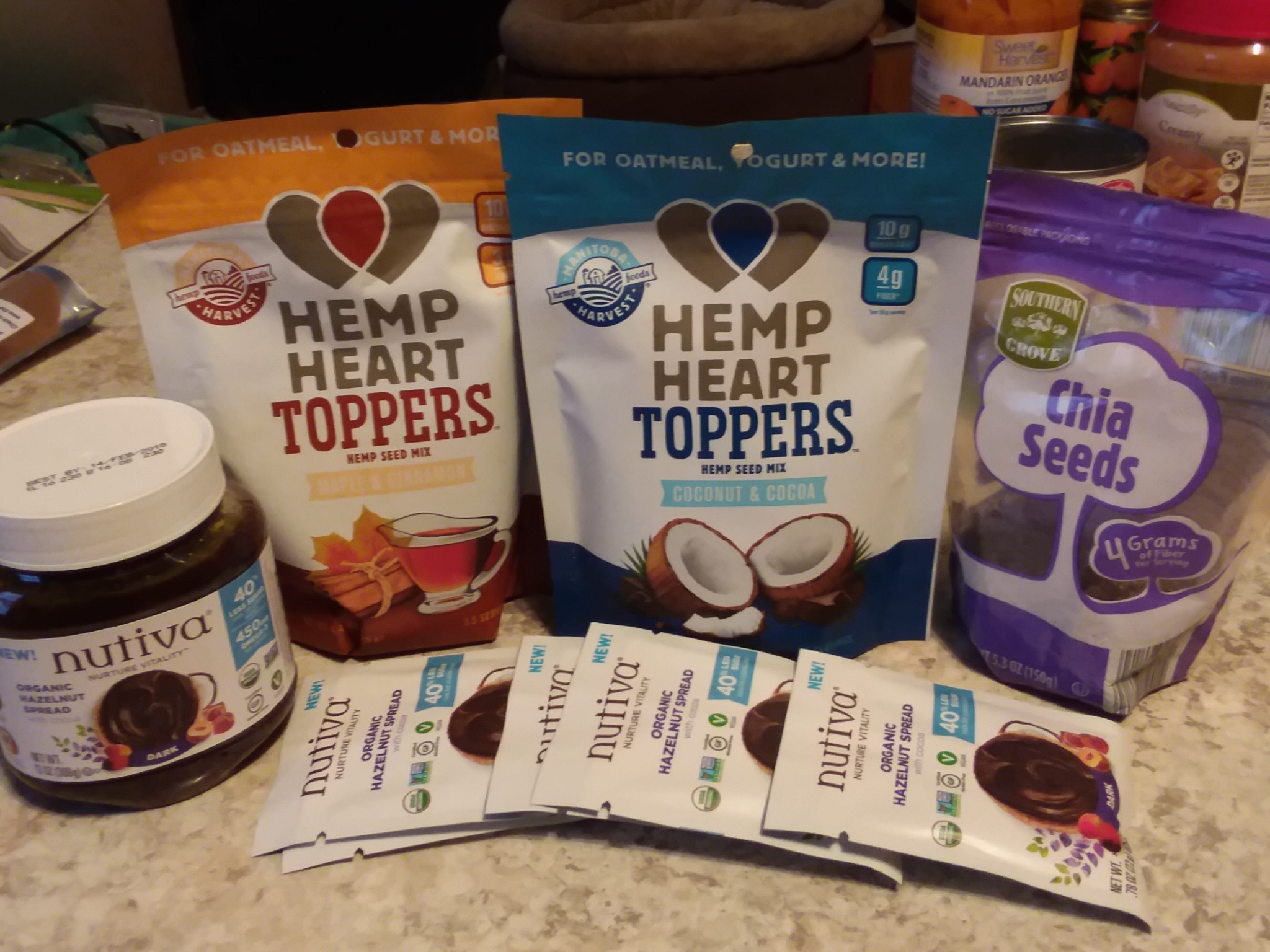
| Hemp Hearts | 2 tablespoons (20g) | 6.3 | 113 | High in omega-3 fatty acids |
| Canned Lentils | 1/2 cup (99g) | 9.0 | 115 | Rinse to reduce sodium content |
Legumes form the backbone of most high-protein camping meals. Canned beans, lentils, and chickpeas provide 12-15 grams of protein per cup while requiring no preparation beyond opening and draining. Nuts and seeds add both protein and healthy fats, with hemp hearts delivering 10 grams of complete protein per 3 tablespoons.
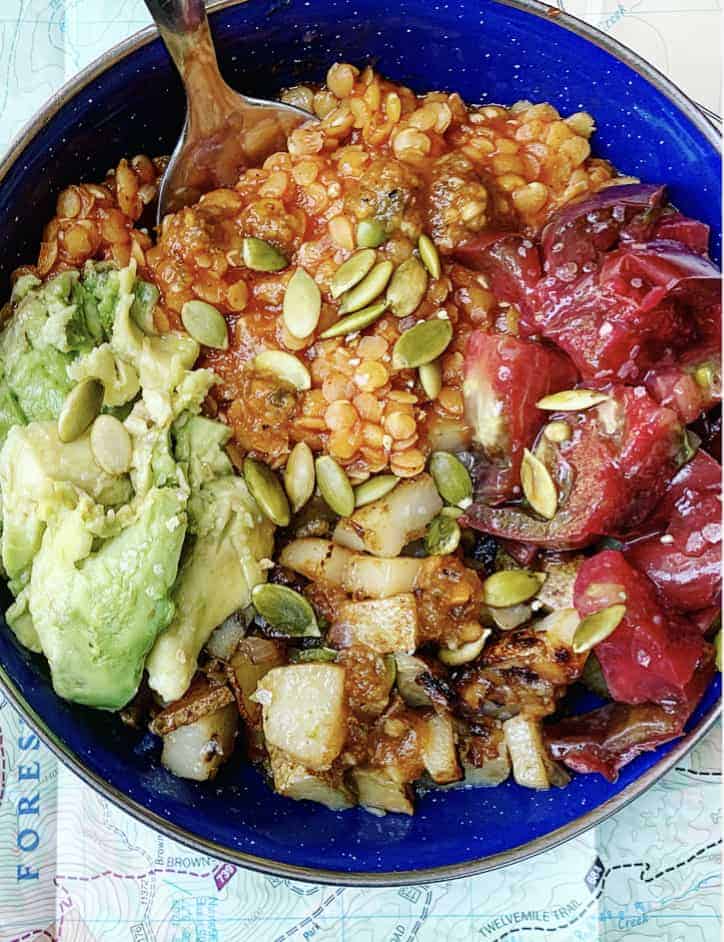
Recipe 6: Mediterranean Chickpea Power Bowl
This protein-packed meal combines chickpeas with tahini for a complete amino acid profile that will fuel your hiking adventures.
Ingredients:
- 1 can (15 oz) chickpeas, drained and rinsed
- 2 tablespoons tahini
- 1 tablespoon olive oil
- 2 tablespoons lemon juice (bottled)
- 1 teaspoon dried oregano
- 1/2 teaspoon garlic powder
- 1/4 cup sun-dried tomatoes, chopped
- 2 tablespoons hemp hearts
- Salt and pepper to taste
Instructions:
- In a large bowl, mash half the chickpeas with a fork, leaving some whole for texture
- Whisk together tahini, olive oil, lemon juice, oregano, and garlic powder
- Combine mashed chickpeas with dressing and sun-dried tomatoes
- Top with hemp hearts before serving
- Serve with crackers or eat directly from the bowl
Protein content: 22 grams per serving
Recipe 7: Spiced Lentil and Nut Trail Mix Bowl
This innovative approach transforms traditional trail mix into a substantial meal by incorporating pre-cooked lentils and protein-rich nuts.
Ingredients:
- 1 cup cooked red lentils (from dried or pre-cooked packets)
- 1/3 cup mixed nuts (almonds, walnuts, cashews)
- 2 tablespoons pumpkin seeds
- 1 tablespoon nutritional yeast
- 1 teaspoon curry powder
- 1/2 teaspoon smoked paprika
- 1 tablespoon coconut oil, melted
- 2 tablespoons dried cranberries
Instructions:
- If using dried lentils, cook according to package directions and let cool completely
- Mix curry powder, paprika, and nutritional yeast in a small bowl
- Combine lentils, nuts, and pumpkin seeds in a large container
- Drizzle with melted coconut oil and toss with spice mixture
- Add dried cranberries and mix well
- Store in an airtight container and eat as needed throughout your trip
Protein content: 18 grams per serving
Recipe 8: Quinoa Tabbouleh Energy Salad
Quinoa provides all nine essential amino acids, making this Middle Eastern-inspired salad a complete protein source perfect for refueling after long hikes.
Ingredients:
- 1 cup quinoa, cooked and cooled
- 1/4 cup fresh parsley, chopped (or 2 tablespoons dried)
- 2 tablespoons fresh mint, chopped (or 1 tablespoon dried)
- 1 medium tomato, diced (or 1/4 cup sun-dried tomatoes)
- 3 tablespoons olive oil
- 2 tablespoons lemon juice
- 1/4 cup pine nuts or sunflower seeds
- Salt and pepper to taste
Instructions:
- Cook quinoa according to package directions and let cool completely
- Combine cooked quinoa with herbs, tomatoes, and nuts
- Whisk olive oil and lemon juice together
- Pour dressing over quinoa mixture and toss well
- Season with salt and pepper
- Let flavors meld for 30 minutes before serving
Protein content: 16 grams per serving
These plant-based backpacking meals demonstrate that vegan camping nutrition doesn't require compromise. By focusing on shelf-stable ingredients that naturally complement each other, you can create satisfying meals that provide sustained energy for your outdoor activities. The combination of legumes, nuts, seeds, and whole grains ensures you're getting complete proteins while enjoying diverse flavors and textures.
Advanced High-Protein Vegan Camping Meal Recipes
These final five recipes round out our collection of 15 high-protein vegan camping meals, focusing on more complex flavor profiles and cooking techniques that still work perfectly in outdoor settings without refrigeration.
Recipe 11: Spiced Lentil and Quinoa Power Bowl
This protein-packed bowl combines red lentils with quinoa for a complete amino acid profile, delivering 22 grams of protein per serving. The warming spices make it perfect for cool mountain evenings.
Ingredients:
- 1 cup red lentils
- 1/2 cup quinoa
- 1 can diced tomatoes
- 1 onion, diced
- 2 tsp cumin
- 1 tsp turmeric
- 1 tsp smoked paprika
- 2 cups vegetable broth
- Salt and pepper to taste
Instructions: Heat oil in your camp pot and sauté onions until translucent. Add spices and cook for 30 seconds until fragrant. Stir in lentils, quinoa, tomatoes, and broth. Bring to a boil, then simmer covered for 20 minutes until grains are tender and liquid is absorbed.
Recipe 12: Mediterranean White Bean and Herb Pasta
This satisfying pasta dish provides 18 grams of protein per serving and captures the flavors of the Mediterranean using shelf-stable ingredients that travel well.
Ingredients:
- 8 oz whole wheat pasta
- 1 can cannellini beans, drained
- 1/4 cup sun-dried tomatoes, chopped
- 2 tbsp olive oil
- 2 cloves garlic, minced
- 1 tsp dried oregano
- 1 tsp dried basil
- 1/4 cup nutritional yeast
- Salt and pepper to taste
Instructions: Cook pasta according to package directions. In a separate pan, heat olive oil and sauté garlic until fragrant. Add beans, sun-dried tomatoes, and herbs, cooking until heated through. Toss with cooked pasta and nutritional yeast.
Recipe 13: Asian-Style Peanut Noodles with Edamame
These flavorful noodles deliver 20 grams of protein per serving and satisfy cravings for bold Asian flavors using ingredients that don't require refrigeration.
Ingredients:
- 8 oz rice noodles
- 1 cup shelled edamame (frozen, thawed)
- 3 tbsp natural peanut butter
- 2 tbsp soy sauce
- 1 tbsp rice vinegar
- 1 tsp sesame oil
- 1 tsp sriracha (optional)
- 2 green onions, sliced
Instructions: Cook noodles according to package directions. Whisk together peanut butter, soy sauce, vinegar, sesame oil, and sriracha with 2-3 tablespoons of hot pasta water to create sauce. Toss noodles with sauce, edamame, and green onions.
Essential Packing and Preparation Checklists
Successful vegan camping meals require proper planning and organization. These checklists ensure you have everything needed for protein-rich plant-based backpacking meals.
Storage and Safety Guidelines
Proper food storage becomes critical when camping with vegan camping meals that don't require refrigeration. Even shelf-stable ingredients need protection from wildlife and temperature fluctuations.
Store all food items in bear-proof containers or hang them at least 12 feet high and 6 feet from tree trunks. Keep dried goods in airtight containers to prevent moisture and pest infiltration. Canned goods should be inspected for dents or rust before packing, as damaged cans pose food safety risks in outdoor settings.
Nutritional Optimization for Outdoor Adventures
These high protein camping food options provide the sustained energy needed for hiking, climbing, and other outdoor activities. The combination of complex carbohydrates, plant proteins, and healthy fats in these meals supports muscle recovery and maintains energy levels throughout your camping adventure.
Each recipe in this collection provides between 15-25 grams of complete protein, meeting the increased protein needs of active campers. The inclusion of quinoa, legumes, nuts, and seeds ensures you're getting all essential amino acids required for optimal muscle function and recovery.
By incorporating these plant-based backpacking meals into your outdoor menu planning, you'll enjoy nutritious, satisfying meals that fuel your adventures while maintaining your vegan lifestyle. These recipes prove that camping cuisine doesn't require animal products or refrigeration to be delicious and nutritionally complete.
No comments yet. Be the first to share your thoughts!