

Bear Country Food Storage: Complete Guide to Safe Camping in 2024 - Part 1
Understanding the Critical Importance of Bear-Safe Food Storage
Camping in bear country presents unique challenges that require careful preparation and adherence to proven safety protocols. Bears possess an extraordinary sense of smell—up to seven times stronger than a bloodhound—and can detect food odors from miles away. This remarkable ability makes proper food storage not just a recommendation, but an absolute necessity for anyone venturing into bear habitat.
The consequences of inadequate food storage extend far beyond personal safety concerns. When bears successfully access human food sources, they undergo a behavioral transformation that wildlife biologists call habituation. This process fundamentally alters their natural foraging patterns and fear responses, creating a dangerous cycle that typically ends in tragedy for both humans and bears.
The Science Behind Bear Behavior and Food Conditioning
Bears are intelligent, opportunistic omnivores with exceptional memory capabilities. Once a bear associates humans with easy food access, it will actively seek out campsites, picnic areas, and developed areas. This learned behavior becomes increasingly aggressive over time, as bears lose their instinctual wariness of human presence.
Research conducted by the National Park Service demonstrates that food-conditioned bears are responsible for over 80% of bear-human conflicts in developed wilderness areas. These encounters often escalate to property damage, personal injury, and in extreme cases, fatal attacks. The tragic reality is that bears exhibiting aggressive food-seeking behavior must frequently be relocated or euthanized to protect public safety.
Bear Encounters and Food Storage Compliance in Major National Parks (2023-2024)
| National Park | Total Bear Encounters | Food Storage Violations | Compliance Rate | Bears Relocated/Euthanized |
|---|---|---|---|---|
| Yellowstone | 147 | 89 | 73% | 12 |
| Yosemite | 203 | 156 | 68% | 18 |
| Glacier | 92 | 34 | 82% | 7 |
| Great Smoky Mountains | 178 | 112 | 71% | 15 |
| Sequoia | 84 | 41 | 76% | 9 |
| Grand Teton | 67 | 23 | 85% | 4 |
| Rocky Mountain | 156 | 87 | 74% | 11 |
| Banff (Canada) | 134 | 45 | 81% | 8 |
Legal Requirements and Regulations
Federal and state regulations mandate specific food storage requirements in designated bear country. The Interagency Grizzly Bear Committee has established standardized protocols that apply across multiple agencies, including the National Park Service, U.S. Forest Service, and state wildlife departments.
Violations of bear country food storage regulations carry significant penalties, including fines ranging from $150 to $5,000, depending on the jurisdiction and severity of the violation. More importantly, campers who fail to properly secure food sources may be held liable for damages resulting from bear encounters, including emergency response costs and wildlife management expenses.
Types of Bear-Proof Storage Solutions
Modern bear country food storage relies on three primary methods, each with distinct advantages and applications. Understanding these options allows campers to select the most appropriate system for their specific needs and camping environment.
Hard-Sided Bear Canisters
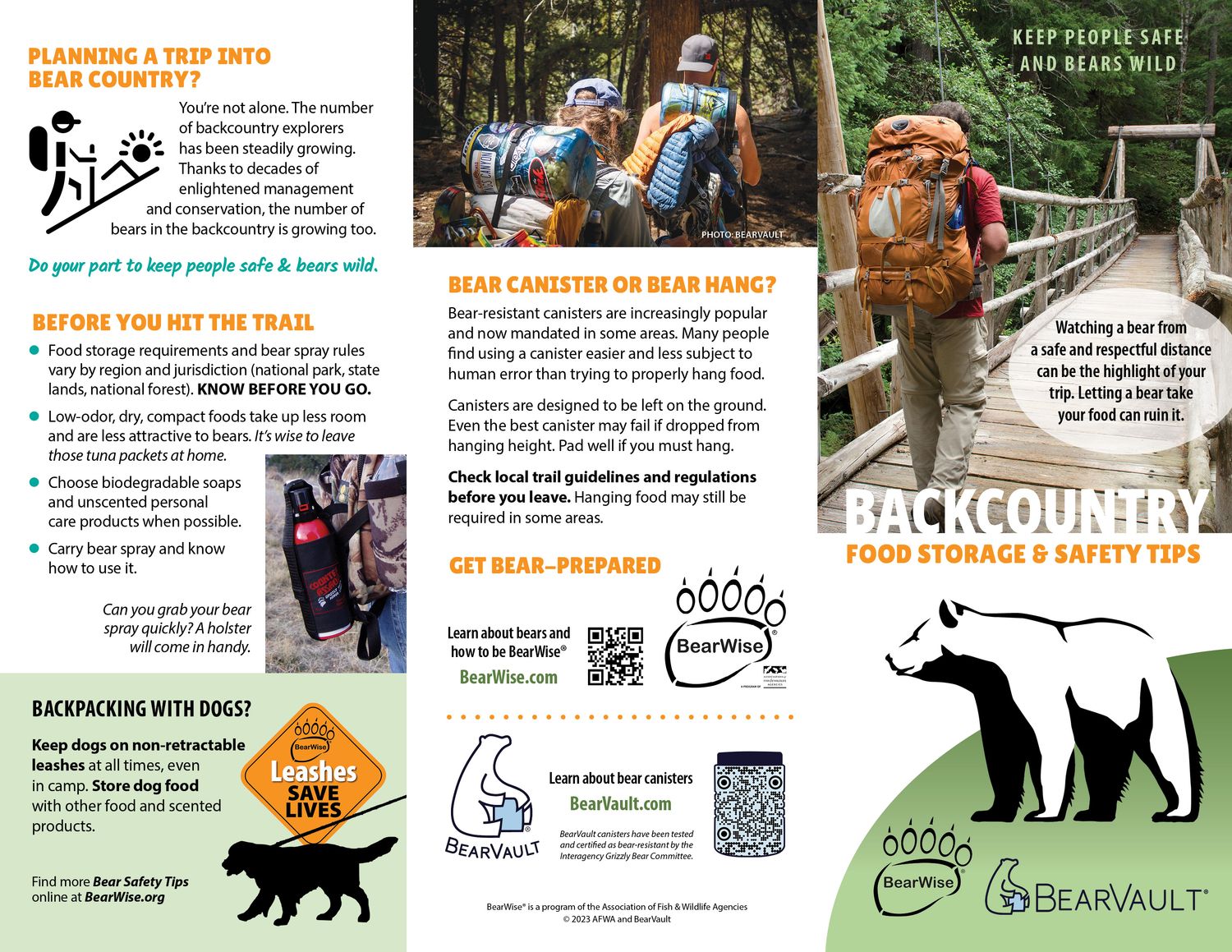
Bear-resistant canisters represent the gold standard for backcountry food storage. These cylindrical containers feature smooth surfaces and specialized locking mechanisms designed to frustrate bear manipulation attempts. The Interagency Grizzly Bear Committee maintains an approved list of canisters that have undergone rigorous testing with captive bears.
Quality bear canisters incorporate several key design features that make them effective against both black bears and grizzlies. The smooth, rounded exterior provides no grip points for claws or teeth, while the locking mechanism requires precise human dexterity that bears cannot replicate. Most approved canisters can store 3-5 days of food for one person, though capacity varies by model.
Bear Hang Systems
Traditional bear hanging involves suspending food at least 12 feet high and 4 feet from tree trunks using rope and pulley systems. While this method requires no specialized equipment beyond rope and basic hardware, it demands significant skill and appropriate tree configurations that may not always be available.
Modern bear hang systems utilize lightweight pulleys and specialized rope designed for easy deployment and retrieval. However, many popular camping areas have banned bear hangs due to inconsistent execution and the presence of "educated" bears that have learned to defeat poorly implemented hanging systems.
Bear Lockers and Food Storage Boxes
Established campgrounds in bear country typically provide metal bear lockers at each campsite. These large, stationary containers offer ample storage space for multiple days of food and scented items. Understanding proper locker operation is essential, as improper closure can result in bear access and potential campsite closure.
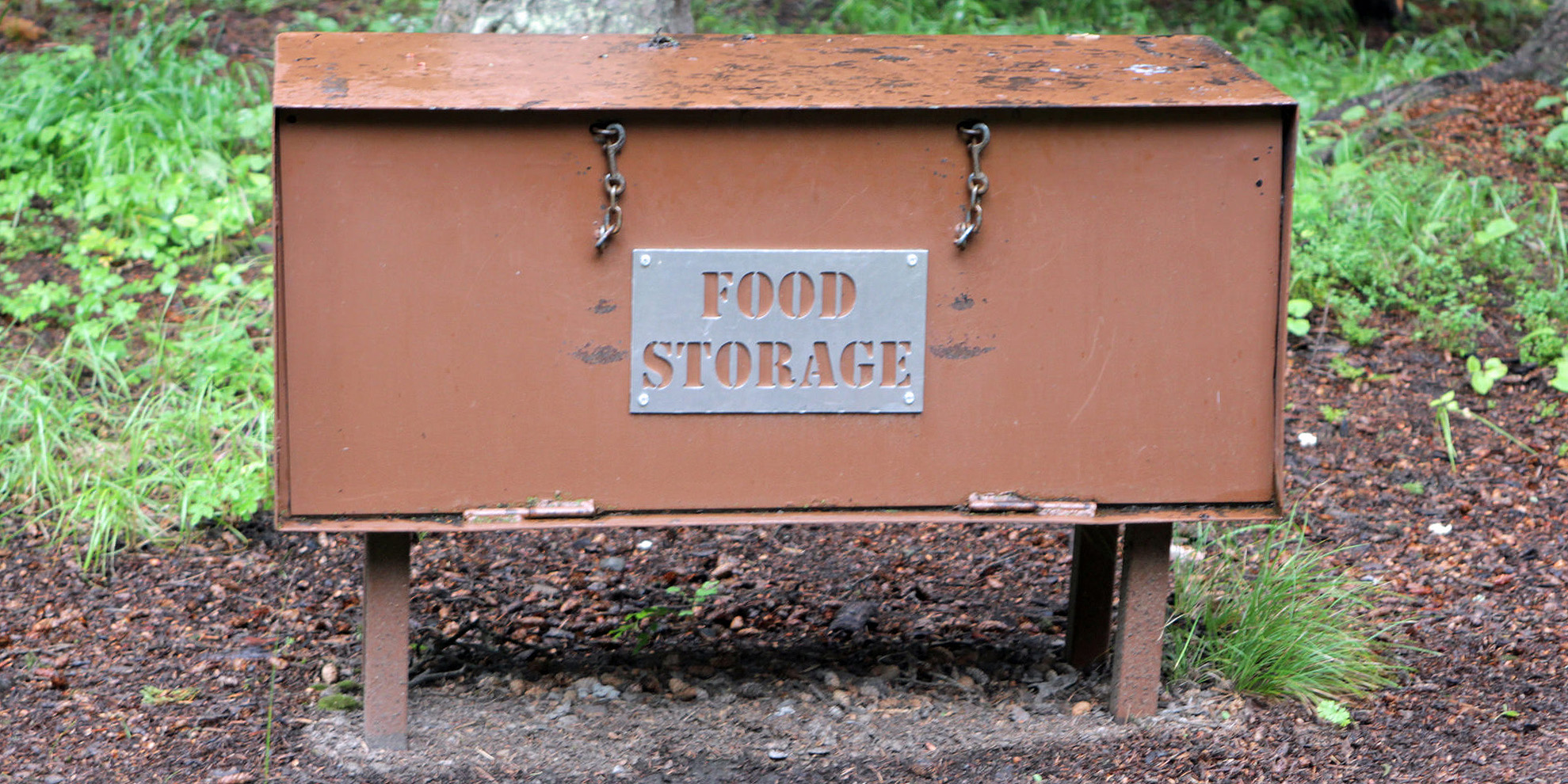
Bear lockers feature heavy-duty construction with specialized latching mechanisms that require human intelligence to operate. The latch design typically involves a sequence of movements that bears cannot perform, even with their considerable strength and problem-solving abilities.
Geographic Considerations for Bear Country Camping
Bear habitat varies significantly across North America, with different species presenting unique challenges for food storage planning. Understanding regional bear populations and behavior patterns helps campers select appropriate storage methods and develop effective safety protocols.
Bear Country Food Storage Requirements by Region (2024)
| Region/Park | Bear Species Present | Required Storage Method | Fine Amount | Additional Requirements |
|---|---|---|---|---|
| Yellowstone National Park | Black Bear, Grizzly Bear | Hard-sided container or bear box | $5,000 | 100 yards minimum distance from bears |
| Glacier National Park | Black Bear, Grizzly Bear | Hard-sided container required | $5,000 | Backcountry camping requires bear canisters |
| Yosemite National Park | Black Bear | Bear box or approved canister | $5,000 | All food must be stored 24/7 |
| Great Smoky Mountains | Black Bear | Bear box or vehicle storage | $5,000 | Backpackers must use bear canisters |
| Banff National Park | Black Bear, Grizzly Bear | Hard-sided container mandatory | $25,000 CAD | Electric fence systems recommended for groups |
| Denali National Park | Black Bear, Grizzly Bear | Bear-resistant food container | $5,000 | Minimum 100 yards from wildlife |
| Sequoia National Park | Black Bear | Approved bear canister required | $5,000 | Garcia Machete, BearVault approved models |
| Alaska State Parks | Black Bear, Grizzly Bear | Hard container or hang 12+ feet | Varies by location | Portable electric fencing allowed |
Grizzly bear habitat primarily encompasses Alaska, western Canada, and the northwestern United States, including parts of Montana, Wyoming, Idaho, and Washington. These areas typically mandate hard-sided bear canisters for backcountry camping, with some regions requiring specific approved models.
Black bear habitat covers most of North America's forested regions, extending from Alaska to Mexico and from coast to coast. While generally smaller than grizzlies, black bears are excellent climbers and have demonstrated remarkable problem-solving abilities when accessing improperly stored food.
Essential Bear-Proof Storage Equipment and Methods
Selecting the right bear country food storage equipment can mean the difference between a safe camping experience and a dangerous wildlife encounter. Modern bear-proof containers and storage systems have evolved significantly, offering campers reliable protection while maintaining practical usability in backcountry settings.
Bear-Resistant Container Types and Specifications
Bear-resistant containers fall into several categories, each designed for specific camping scenarios and group sizes. Hard-sided canisters remain the gold standard for solo and small group camping, while larger soft-sided containers and bear boxes serve different needs in established campgrounds.
When selecting bear country food storage equipment, consider the Interagency Grizzly Bear Committee (IGBC) certification. This certification ensures containers meet rigorous testing standards, including resistance to bear claws, teeth, and problem-solving abilities over extended periods.
Proper Food Storage Techniques: Step-by-Step Implementation
Effective bear country food storage extends beyond simply owning the right container. The placement, timing, and maintenance of your storage system directly impact its effectiveness in deterring curious bears.
Location selection proves critical for bear-proof container effectiveness. Place containers at least 100 feet from your sleeping area and cooking site, preferably on level ground away from cliffs or slopes where bears might use gravity to their advantage. Avoid placing containers near water sources or game trails where bears naturally travel.
Advanced Storage Solutions for Extended Trips
Multi-day expeditions in bear country require sophisticated food storage planning. Consider the total volume of food, cooking equipment, and scented items when calculating storage needs. A family of four typically requires 2-3 bear canisters for a week-long trip.
Soft-sided bear-resistant containers offer increased capacity for car camping scenarios while maintaining portability advantages over traditional bear boxes. These containers feature aircraft-grade aluminum frames and puncture-resistant fabrics, providing excellent protection while weighing significantly less than equivalent hard-sided options.
Regional Considerations and Regulations
Bear country food storage requirements vary significantly across different regions and jurisdictions. National parks, wilderness areas, and state parks often maintain specific regulations regarding approved container types and storage methods.
Yellowstone National Park requires hard-sided containers for all backcountry camping, while some areas of the Sierra Nevada accept properly executed rope hanging methods. Research specific regulations for your destination well before departure, as non-compliance can result in citations and camping permit revocation.
Understanding local bear behavior patterns also influences storage decisions. Grizzly bears possess different problem-solving abilities compared to black bears, requiring more robust storage solutions in grizzly habitat. Coastal brown bears present unique challenges due to their size and persistence, often necessitating the most secure storage methods available.
Maintenance and Long-Term Care
Bear-resistant containers require regular maintenance to ensure continued effectiveness. Inspect sealing mechanisms, locking systems, and structural integrity before each trip. Replace worn components promptly, as bears quickly exploit any weakness in container design.
Clean containers thoroughly after each use, removing all food residues and scents that might attract bears to your campsite. Store containers in cool, dry locations between trips to prevent degradation of sealing materials and locking mechanisms.
Implementing Your Bear-Safe Food Storage System
Successfully implementing bear country food storage requires careful planning, proper execution, and consistent maintenance throughout your camping trip. This final section provides you with actionable strategies to ensure your food storage system works effectively in real-world camping scenarios.
Pre-Trip Planning and Food Selection
Your bear safety strategy begins before you leave home. Choose foods that minimize odors and packaging waste. Freeze-dried meals, sealed energy bars, and vacuum-packed items reduce scent trails that attract bears. Avoid bringing strongly scented foods like bacon, fish, or aromatic spices unless absolutely necessary.
Calculate your food quantities carefully to minimize leftovers. Excess food creates additional storage challenges and increases the risk of improper disposal. Plan meals that use ingredients completely, reducing the need to store partially used items.
Setting Up Your Bear-Safe Storage System
Proper setup of your bear country food storage system requires attention to location, timing, and technique. The key is establishing your storage area before you need it, typically upon arrival at your campsite.
Choose your storage location at least 100 yards from your sleeping area and cooking zone. This distance creates a triangle of separation that reduces the likelihood of bears associating your sleeping area with food sources. Avoid areas with obvious bear sign such as tracks, scat, or claw marks on trees.
Daily Food Management Protocols
Effective bear country food storage extends beyond overnight protection. Implement consistent daily protocols to minimize food odors and maintain security throughout your camping experience.
Store all scented items immediately after use, including toiletries, sunscreen, and cooking utensils. Many campers underestimate how many everyday items carry attractive scents. Even seemingly neutral items like toothpaste, soap, and deodorant must be treated as food items in bear country.
Establish a routine for meal preparation that minimizes food exposure time. Prepare ingredients quickly, cook efficiently, and clean up immediately. Never leave food unattended, even for brief periods. Bears can cover significant ground quickly when attracted by food odors.
Emergency Procedures and Troubleshooting
Despite careful planning, situations may arise requiring immediate action. Understanding emergency procedures ensures you can respond appropriately to unexpected bear encounters or storage system failures.
If you discover bear damage to your storage system, assess the situation carefully before approaching. Bears may remain in the area, and damaged containers can be unstable. Document any damage for reporting to park authorities and insurance purposes.
Recommended Bear Canister for 2024
Based on extensive field testing and user feedback, the BearVault BV500 stands out as the most reliable bear-proof container for most camping scenarios.
This canister offers the optimal balance of capacity, weight, and security features. Its transparent design allows easy inventory management, while the tool-free opening mechanism ensures reliable access even in cold conditions.
Regional Considerations and Regulations
Bear country food storage requirements vary significantly across different regions and jurisdictions. Research specific regulations for your destination well in advance of your trip.
Some areas require specific canister models, while others mandate particular hanging techniques. Yellowstone National Park, for example, requires hard-sided containers in backcountry areas, while some wilderness areas in Alaska have different specifications entirely.
Understanding local bear behavior patterns enhances your storage strategy effectiveness. Coastal brown bears present different challenges than inland black bears, requiring adjusted approaches to food security and campsite management.
Long-Term Success and Conservation Impact
Proper bear country food storage contributes to wildlife conservation efforts and ensures these magnificent animals remain wild and healthy. Your commitment to bear-safe practices helps maintain the delicate balance between human recreation and wildlife preservation.
By implementing these comprehensive food storage strategies, you protect both yourself and the bears that call these wilderness areas home. Remember that bear safety is an ongoing responsibility that extends throughout your entire camping experience, from planning to departure.
No comments yet. Be the first to share your thoughts!