

The Evolving Threat: Why 2026 Bear Country Food Storage Needs an Update
Camping and enjoying the outdoors is increasingly popular, and unfortunately, so are encounters with bears. It’s not just that more people are venturing into bear country; bear behavior is changing. They’re becoming bolder, more adaptable, and frankly, more resourceful at finding food. This means that food storage practices that were considered adequate just a few years ago may no longer be sufficient to protect both campers and bears.
Historically, a lot of emphasis was placed on simply making food inaccessible. But bears are learning. They're figuring out how to open coolers, dismantle hanging systems, and even recognize the smell of food through seemingly impenetrable containers. The National Park Service has documented a rise in 'food-conditioned' bears – animals that have lost their natural fear of humans and actively seek out food in campsites, creating dangerous situations for everyone involved.
The Interagency Grizzly Bear Committee (IGBC) sets the standards for bear-resistant containers and food storage. They regularly update these standards based on research and field observations. The 2026 updates reflect new data on how bears bypass older locks. Ignoring these updates isn't just risky; it’s irresponsible.
We’ve moved past the days of thinking a simple rope hang will always do the trick. Bears are surprisingly strong and clever. The IGBC’s ongoing work is essential, and staying informed about their recommendations is the best way to ensure a safe and enjoyable camping experience in bear country. It's about respecting wildlife and protecting ourselves.
Join us for a free bear aware training presentation. Montana Bear Education working group will be covering current #bear distribution, #bearencounters, precautions for bear country, food storage, and bear spray training with a practice session. https://t.co/Y6H7wRn0eN #mwfshowsup
— Montana Wildlife (@MTWildlife) July 6, 2020
IGBC Approvals: What's New for 2026 and What It Means for You
The 2026 IGBC standards focus heavily on container construction and locking mechanisms. The biggest change is an increase in required wall thickness for plastic containers – from a minimum of 6mm to 8mm. This is directly in response to bears successfully breaching thinner containers. They’ve found that even seemingly solid plastic can be compromised with enough force. The reasoning is simple: thicker plastic equals greater resistance.
Locking mechanisms are also under scrutiny. The new standards require more robust latching systems that are less susceptible to manipulation. Older designs with simple clips or push-button releases are no longer considered adequate. The IGBC is now prioritizing containers with multi-point locking systems and reinforced hinges. It's a response to bears learning how to open those older styles.
Material specifications have also been refined. The standards now specify the type of plastic that can be used, favoring high-density polyethylene (HDPE) with a specific impact resistance rating. This isn’t just about thickness; it’s about the quality of the plastic itself. You can find a complete list of IGBC-approved containers on their website: https://igbc.org/bear-resistant-containers/.
What does this mean for you? If you’re buying new food storage containers, look for the IGBC approval seal. Don’t assume that a container labeled "bear-resistant’ automatically meets the 2026 standards; verify that it’s specifically listed on the IGBC website. It"s an investment in your safety and the well-being of the bears.
- Wall Thickness: Increased from 6mm to 8mm for plastic containers.
- Locking Mechanisms: Multi-point locking systems are now required.
- Material Specifications: HDPE plastic with a specific impact resistance rating is preferred.
- IGBC Approval Seal: Look for this seal when purchasing new containers.
IGBC Bear-Resistant Container Requirements: 2024-2026
| Container Type | Wall Thickness | Locking Mechanism | Material Specifications | Testing Protocol |
|---|---|---|---|---|
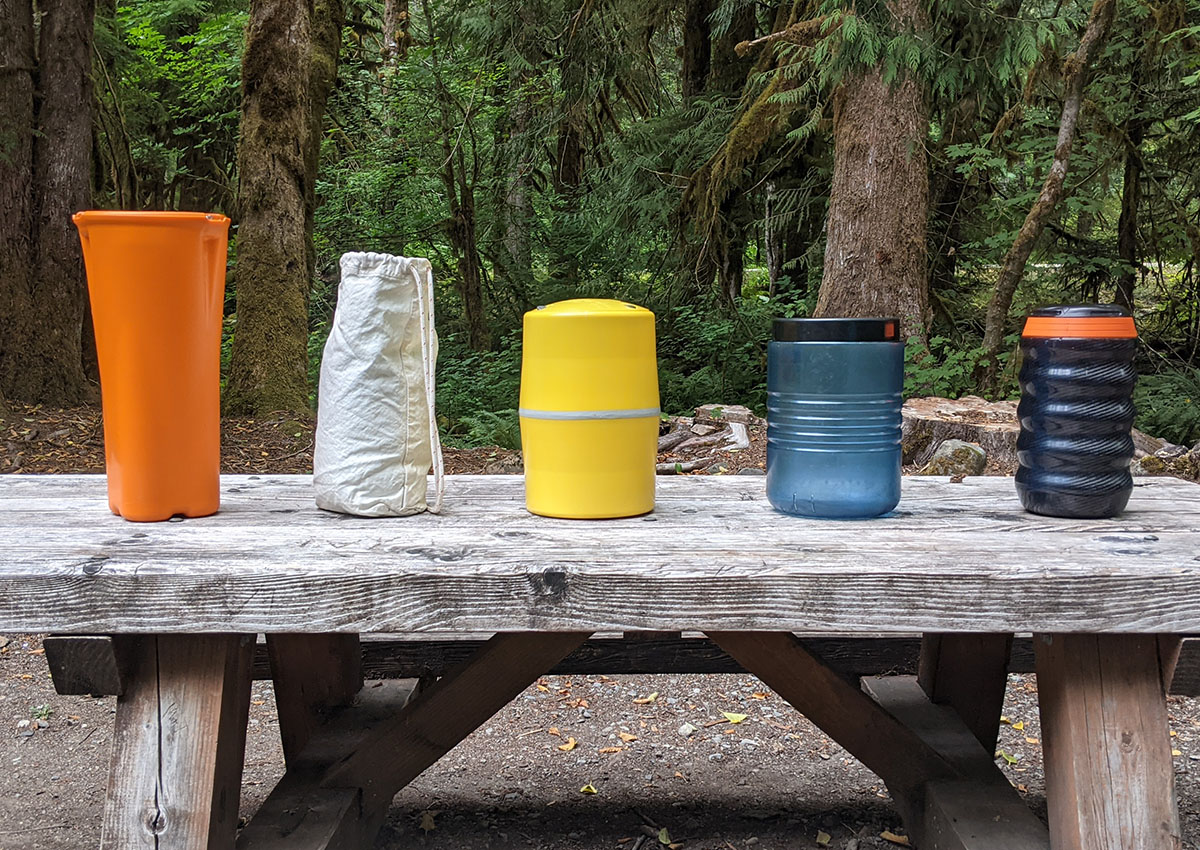
| Hard-Sided Containers | Minimum 360-degree wall thickness of 0.75 inches | Must incorporate a multi-point locking system resisting 200 lbs of force | Polypropylene or similar durable plastic; impact resistant | Subjected to a 30-minute test involving repeated impacts and attempts to penetrate the container by a simulated bear |
| Bear-Resistant Canisters | Minimum wall thickness of 0.60 inches | Secure screw-top lid with a robust locking ring; must withstand 300 lbs of pull force | High-density polyethylene (HDPE) or similar | Testing involves a simulated bear applying sustained force and attempting to open the canister for a defined period |
| Soft-Sided Containers (Ursacks) | Minimum fabric weight of 1700D ballistic nylon | Integrated drawstring closure with a steel alloy carabiner; must resist cutting and tearing | Ballistic nylon with a waterproof coating | Testing includes puncture, tear, and bite resistance tests using simulated bear claws and teeth |
| Hard-Sided Containers (Updated 2025) | Minimum 360-degree wall thickness of 0.80 inches | Locking system must resist 250 lbs of force and incorporate tamper-evident features | Reinforced polypropylene with UV stabilizers | Increased impact testing duration to 45 minutes with varied impact locations |
| Bear-Resistant Canisters (Updated 2025) | Minimum wall thickness of 0.65 inches | Lid locking mechanism must withstand 350 lbs of pull force and include a visual inspection indicator | HDPE with increased UV resistance | Testing protocol expanded to include drop tests from varying heights |
| Soft-Sided Containers (Ursacks) (Updated 2025) | Minimum fabric weight of 1900D ballistic nylon | Enhanced drawstring system with dual locking carabiners; increased cut resistance | Ballistic nylon with improved waterproof coating and abrasion resistance | Testing now includes simulated bear digging attempts |
| Hard-Sided Containers (2026) | Minimum 360-degree wall thickness of 0.85 inches | Locking system must resist 300 lbs of force and include a unique serial number for tracking | Reinforced polypropylene with enhanced impact modifiers | Testing protocol includes a new 'claw swipe' test simulating bear attempts to access contents |
| Bear-Resistant Canisters (2026) | Minimum wall thickness of 0.70 inches | Lid locking mechanism must withstand 400 lbs of pull force and incorporate a redundant locking feature | HDPE with advanced UV and temperature resistance | Testing now incorporates a prolonged exposure to extreme weather conditions before testing |
Illustrative comparison based on the article research brief. Verify current pricing, limits, and product details in the official docs before relying on it.
Beyond the Container: Smart Storage Techniques for Every Campsite
An IGBC-approved container is a start, but it isn't a guarantee. Smart campsite selection and storage techniques are equally important. Avoid setting up camp in areas with known bear activity, such as near berry patches or salmon streams. The USDA Forest Service provides regional bear activity maps that can be helpful in assessing risk.
I’ve found the "food triangle" concept to be incredibly effective. This means creating distinct zones for cooking, eating, and storing food, and maximizing the distance between them. The cooking area should be downwind and at least 100 feet from your tent. The eating area should be even further away, and the storage area – where your IGBC-approved container resides – should be the most isolated of all.
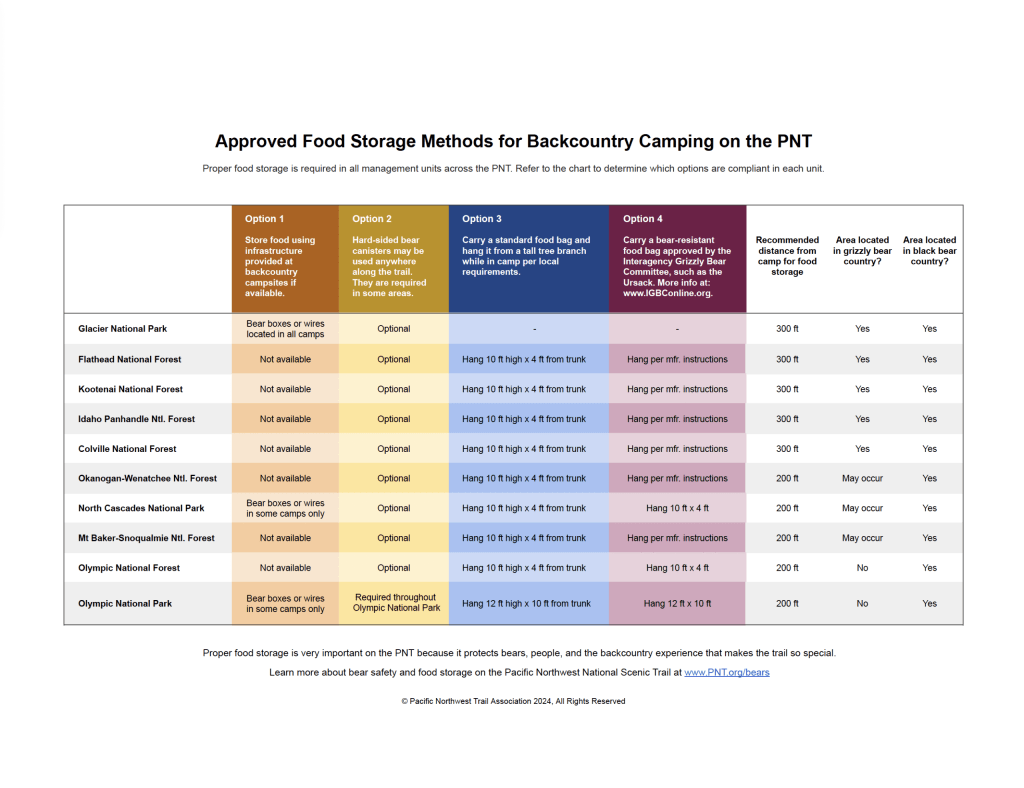
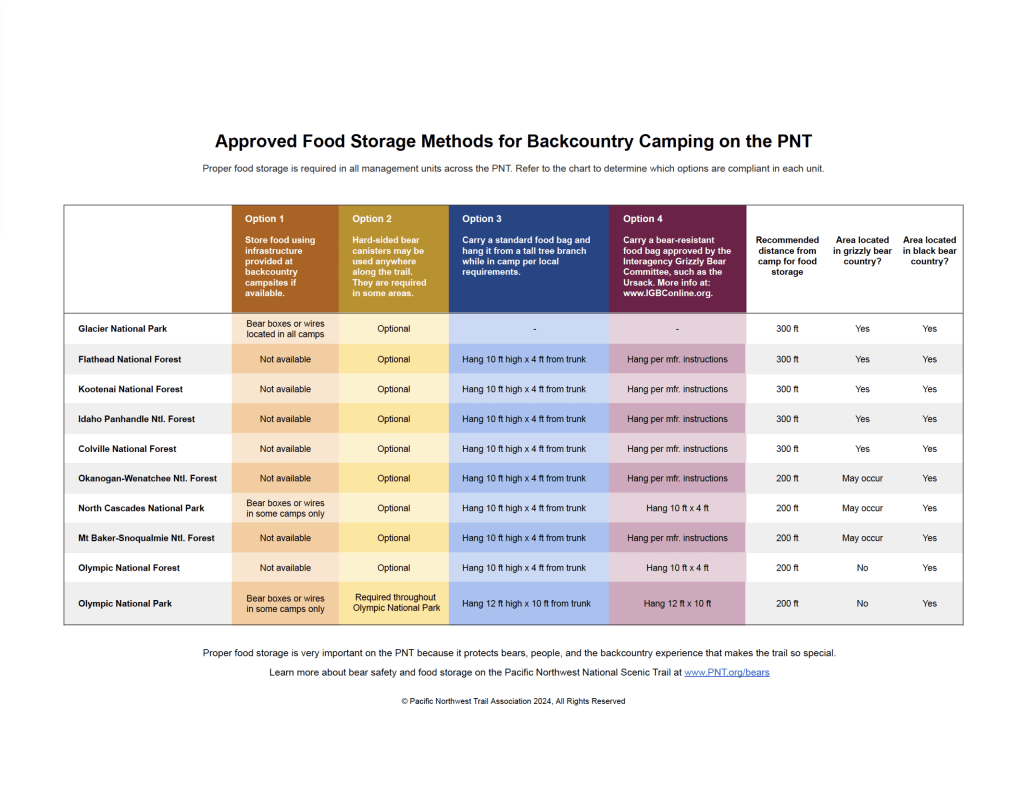
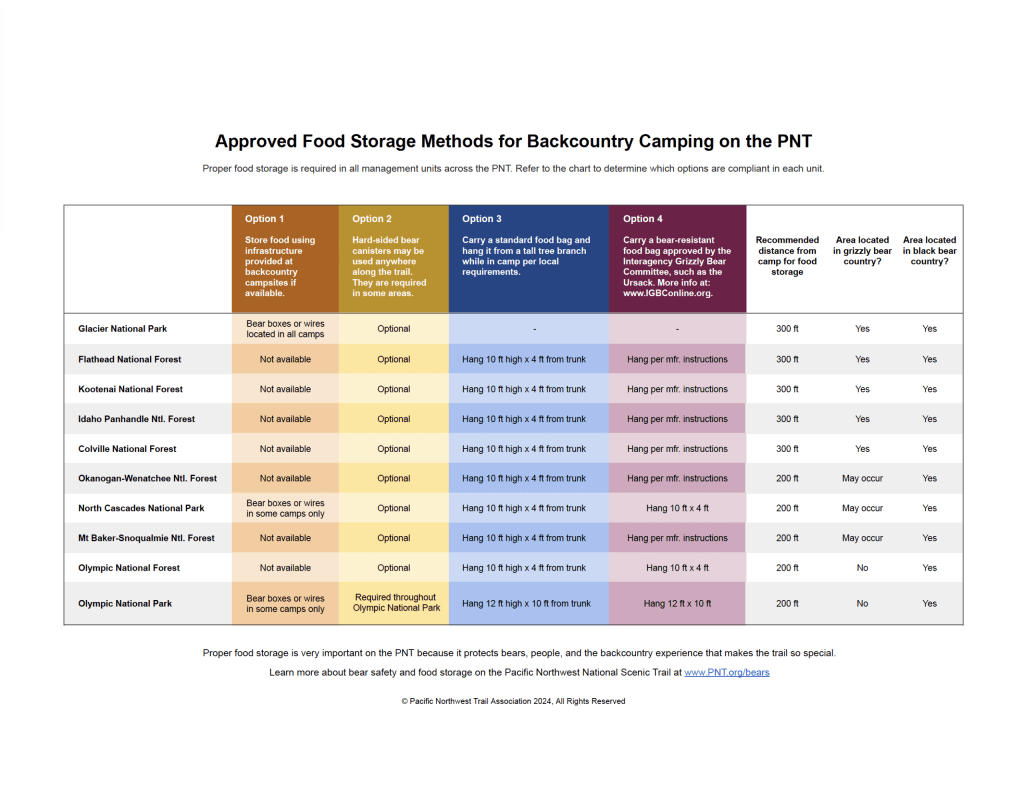
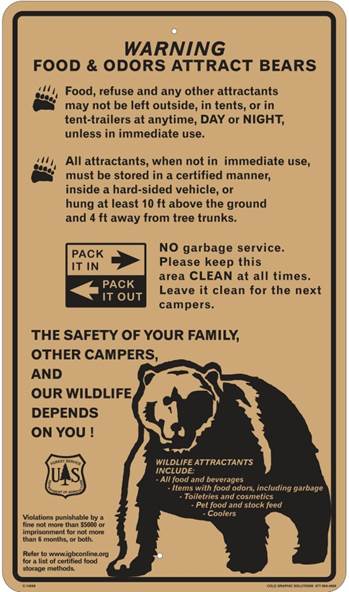
If hanging food is permitted in your area (check with local park regulations – the NPS often has specific guidelines for each park), ensure the hang is at least 10 feet off the ground and 4 feet from any tree trunk. It's surprisingly difficult to do correctly, and many attempts fall short. I once spent an hour perfecting a hang, only to have a particularly determined raccoon defeat it within minutes. It was a humbling experience!
Cleanliness is paramount. Wipe down all surfaces after cooking and eating, and never leave food scraps or trash lying around. Even seemingly innocuous items like toothpaste or scented lotions can attract bears. Double-bag all trash and store it securely in your container. Remember, bears have an incredible sense of smell.
- Select campsites away from known bear activity.
- Establish a "food triangle" with distinct cooking, eating, and storage areas.
- Keep at least 100 feet between cooking area and tent.
- Store food in an IGBC-approved container in the most isolated area.
- Maintain strict cleanliness – wipe surfaces and double-bag trash.
The Rise of Scent-Proof Bags: A Deep Dive into Effectiveness and Limitations
Scent-proof bags have gained popularity as a supplemental food storage method, often used in conjunction with IGBC-approved containers. These bags typically consist of multiple layers of barrier material designed to block odors. The idea is to prevent bears from even detecting the presence of food.
However, the term "scent-proof’ is a bit misleading. No bag is truly scent-proof. They are more accurately described as ‘odor-blocking’ or ‘scent-reducing.’ These bags work by creating a barrier that significantly reduces the amount of odor that escapes, but they don"t eliminate it entirely. A determined bear can still detect faint traces of scent, especially if the bag is compromised.
The effectiveness of scent-proof bags depends heavily on their construction and proper use. They must be made of high-quality materials and sealed completely. Puncture resistance is also a critical factor. A small tear can render the bag useless. I’ve seen bags marketed as "scent-proof" that are easily punctured by sharp objects.
Scent-proof bags are best used as an added layer of protection, not as a replacement for a secure container. They’re particularly useful for storing items that might have lingering odors, such as cooking utensils or trash. But always remember, a robust container remains your primary defense against bears.
- Scent-proof bags are 'odor-blocking' rather than truly 'scent-proof'.
- Effectiveness depends on material quality and proper sealing.
- Puncture resistance is crucial.
- Use as a supplement to an IGBC-approved container, not a replacement.
Dealing with Different Bear Species: Black Bears vs. Grizzlies
Understanding the differences in behavior between black bears and grizzlies is essential for tailoring your food storage strategy. Black bears are generally more opportunistic and less aggressive than grizzlies. They’re more likely to be attracted by easily accessible food and may attempt to raid campsites, but they’re less likely to persist if faced with resistance.
Grizzlies, on the other hand, are more persistent and potentially more dangerous. They have a stronger sense of smell and are more likely to defend their food source, even if it means confronting humans. In grizzly country, you need to be even more diligent about distance. While a black bear might move on if a container doesn't open quickly, a grizzly is more likely to spend hours attempting to crush it. more robust storage solutions are absolutely necessary. A thinner plastic container that might deter a black bear is unlikely to stop a grizzly.
According to the USDA Forest Service, grizzly bear populations are concentrated in the northern Rocky Mountains and parts of Alaska. Black bears are found in a wider range of habitats across North America. Knowing which species you’re likely to encounter in a particular area will help you assess the level of risk and adjust your storage practices accordingly.
In areas where both species coexist, it’s best to assume the presence of grizzlies and implement the most stringent food storage measures. This means using an IGBC-approved container, following all campsite best practices, and being prepared to use bear spray if necessary. It’s always better to err on the side of caution.
Food Storage in Specific Environments: Desert, Mountains, and Forests
The environment plays a significant role in food storage. In hot desert climates, the heat can compromise the integrity of plastic containers, making them more brittle and susceptible to cracking. Storing containers in the shade and burying them partially in the ground can help mitigate this risk. Remember that extreme temperatures can also affect the contents of your container.
Mountainous terrain presents its own challenges. Rocky ground can make it difficult to find suitable trees for hanging food, and the risk of containers rolling or being dislodged is higher. In these situations, a secure container is even more critical. You might need to create a level platform for the container or anchor it to a large rock.
Forest environments often offer more natural concealment, but they also tend to have higher bear activity due to the abundance of food sources. Be extra vigilant about cleanliness and ensure your container is well-hidden from view. Rodents are also a concern in forested areas; make sure your container is completely sealed to prevent them from accessing your food.
Dealing with rodents varies by environment, too. In deserts, kangaroo rats can be a nuisance, while in forests, mice and squirrels are more common. Even small rodents can damage packaging and contaminate food, so proper sealing is essential in all environments.
What to Do If a Bear Approaches Your Campsite (Despite Your Best Efforts)
Even with the best planning, a bear may still approach your campsite. The most important thing is to remain calm. Sudden movements or loud noises can startle the bear and escalate the situation. Identify yourself by speaking in a calm, firm voice. Let the bear know you are human and not a food source.
Make yourself look as large as possible by raising your arms above your head. If you have bear spray, have it readily accessible and know how to use it. Bear spray is a highly effective deterrent, but it’s only effective if used correctly. The National Park Service provides detailed instructions on bear spray use on their website.
It’s crucial to differentiate between defensive and predatory bear behavior. A defensive bear is typically reacting to a perceived threat and may exhibit signs of fear or aggression, such as huffing, jaw-popping, or swatting the ground. A predatory bear is actively stalking you and may behave more calmly and deliberately.
I once had a black bear wander into my campsite while I was preparing dinner. I froze, slowly raised my arms, and spoke firmly. The bear paused, assessed the situation, and eventually wandered off. It was a nerve-wracking experience, but it reinforced the importance of staying calm and following established safety protocols. It taught me that preparation and knowledge are your best defenses.
No comments yet. Be the first to share your thoughts!