

New rules for 2026
New food storage rules are coming to bear country. By 2026, these regulations will be mandatory across most federal lands. We need to change how we pack because the old ways of keeping bears out of human food aren't working anymore.
The increase in bear-human interactions in recent years, coupled with observations of changing bear behavior – bears becoming more accustomed to human food sources – has driven these updates. It’s not about punishing campers; it's about preventing situations where bears become habituated to human food, which often leads to problem bears being relocated or, tragically, euthanized. These rules are a tough pill to swallow for some, I know, but consider the bigger picture.
The National Park Service (NPS) and the U.S. Forest Service (USFS) are the primary agencies implementing these changes. They’ve been working closely with the Interagency Grizzly Bear Committee (IGBC) to develop and refine these standards. While the thought of stricter rules can feel frustrating, remember that proper food storage is the single most effective way to prevent bear encounters and keep both you and these magnificent animals safe.
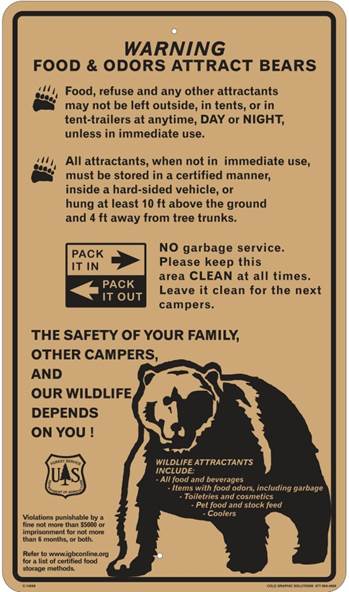
The end of the bear hang
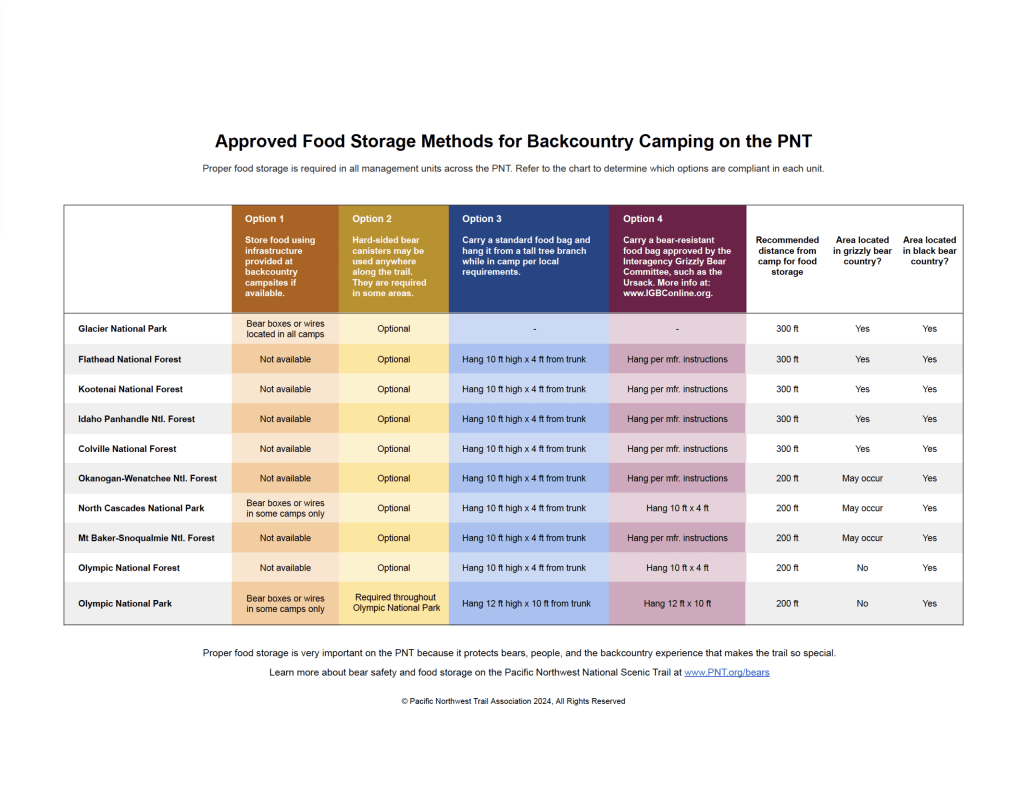
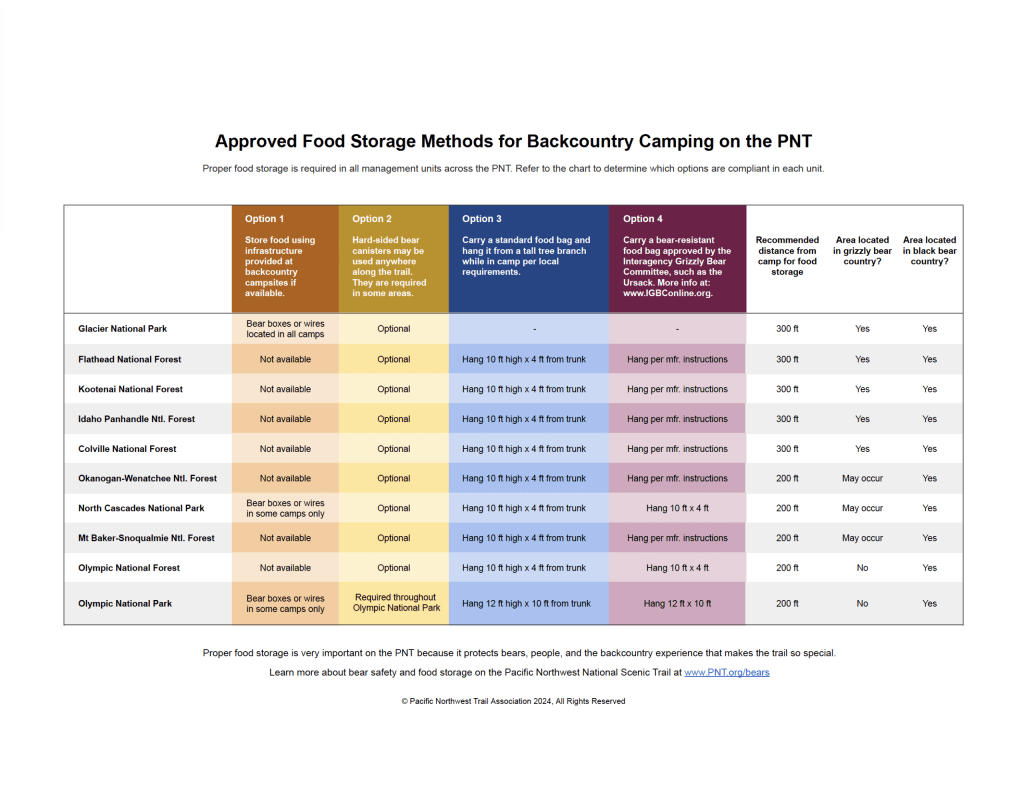
The biggest shift in the regulations centers around what’s considered acceptable bear-resistant food storage. Older methods, like simply hanging food from a tree, are becoming increasingly unreliable and will be phased out in many areas. This is because bears are learning to defeat these methods, and the effectiveness varies drastically depending on tree structure and hanging technique.
The new regulations place a much stronger emphasis on using certified bear-resistant containers. These containers must meet specific standards set by the Interagency Grizzly Bear Committee (IGBC). You can find a complete list of approved containers on the IGBC website: It’s crucial to verify that any container you purchase has this certification.
Distance requirements are also becoming more standardized. Generally, food storage must be at least 100 feet from your sleeping area. Some parks and forests may require even greater distances, so always check local regulations. The rules regarding burying food are also changing; it’s generally no longer considered an acceptable method, as bears have a remarkable sense of smell and can easily dig up buried food.
Finally, be aware that regional variations exist. What's required in Yellowstone National Park might differ from what's required in the Great Smoky Mountains. It’s your responsibility as a camper to understand and comply with the specific rules of the area you’re visiting.
Choosing a certified container
The IGBC certification process is rigorous. Containers undergo testing where they are subjected to repeated attempts by bears to breach them. To pass, a container must withstand a minimum amount of force and time without being compromised. This isn’t a casual assessment; it's a serious evaluation of a container’s ability to protect your food.
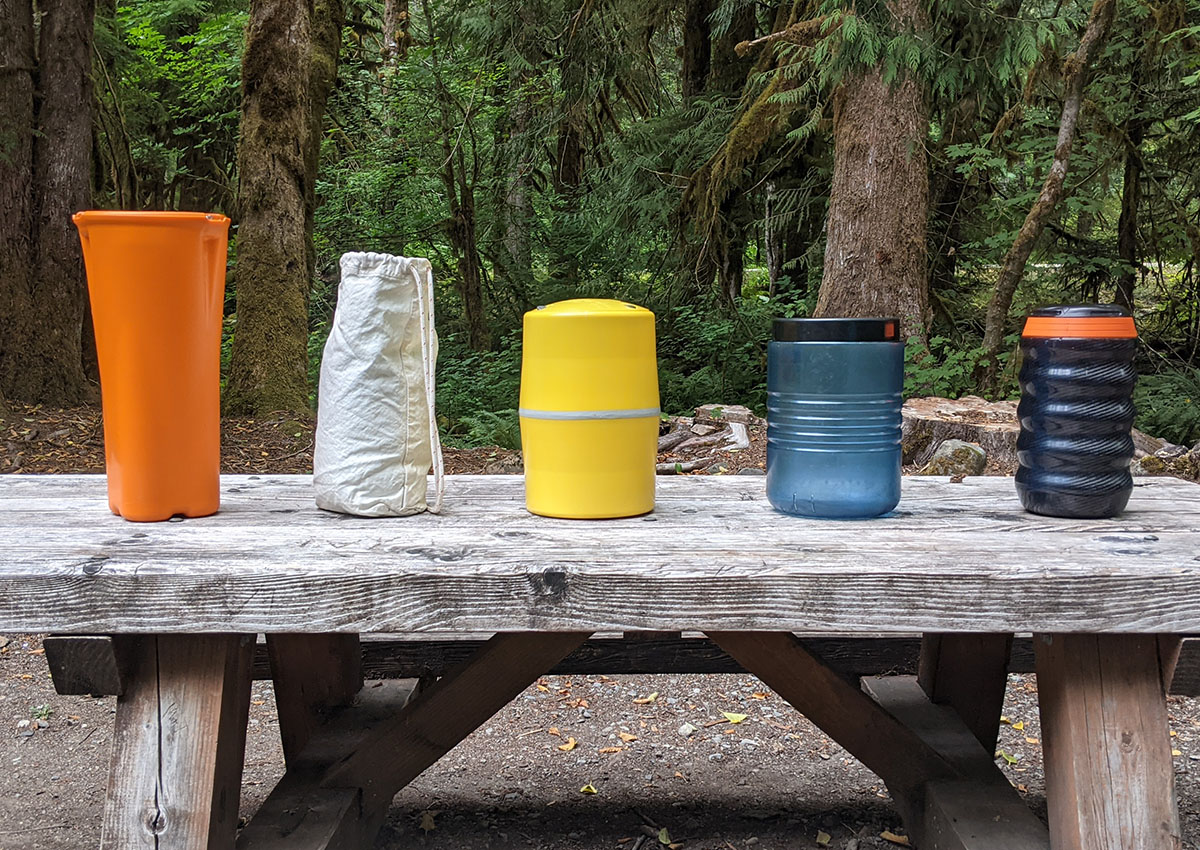
There are two main types of bear-resistant containers: hard-sided canisters and soft-sided bags. Hard-sided canisters, typically made of polycarbonate plastic, offer robust protection but can be bulky and heavy. They range in price from around $80 to over $300, depending on capacity and features. Soft-sided bags, constructed from bear-resistant fabrics and internal framing, are lighter and more packable but may be less durable in the long run.
When choosing a container, consider your group size and the length of your trip. A solo hiker on a weekend trip can likely get away with a smaller canister, while a family on a week-long adventure will need something with greater capacity. Look for features like ease of opening, durability of the latching mechanism, and weight distribution. Don’t assume that a container labeled "bear-resistant" is automatically approved – always check for the IGBC certification.
Don't try to build your own bear box. A bear has all night to tear apart your DIY project, and they usually succeed. Buying a certified canister is cheaper than paying a fine or losing all your food on day one.
Bear-Resistant Food Storage: A Comparison
| Weight | Capacity | Durability | Cost | Ease of Packing |
|---|---|---|---|---|
| Hard-Sided Canister | Moderate | Generally Lower | High | Better for protecting against persistent bears |
| Soft-Sided Bag (Ursack) | Lighter | Generally Higher | Medium | More flexible for fitting into tight spaces |
| Hard-Sided Canister | Lower | Very High | Higher | Excellent protection against all bear types |
| Soft-Sided Bag (Ursack) | Higher | Moderate | Lower | Lightweight and versatile |
| Hard-Sided Canister | Fixed | Excellent | Higher | Resistant to puncture and crushing |
| Soft-Sided Bag (Ursack) | Variable | Good | Lower | Can compress to fit available space |
Qualitative comparison based on the article research brief. Confirm current product details in the official docs before making implementation choices.
Campsite setup and hygiene
Even with an approved bear-resistant container, proper storage practices are essential. Campsite selection is key. Avoid setting up camp near trails, streams, or other areas where bears are likely to travel. Look for sites with good visibility and avoid dense vegetation.
When cooking and eating, do so at least 100 feet from your tent. Clean up thoroughly after each meal, removing all food scraps and grease. Never store food in your tent. The 'bear triangle' – separating your sleeping area, cooking area, and food storage area – is a good principle to follow.
Don’t forget about scented items! Bears are attracted to anything with a scent, including toothpaste, sunscreen, soap, and even lip balm. Store these items in your bear-resistant container along with your food. Properly dispose of all trash, using bear-resistant trash receptacles when available. If none are available, pack it out with you.
Remember, a bear-resistant container is a deterrent, not a guarantee. Following these best practices dramatically reduces the risk of a bear encounter and helps ensure a safe and enjoyable camping experience.
Regional Rules & Exceptions
Bear regulations are not one-size-fits-all. Here’s a quick look at some key differences in popular camping destinations. Keep in mind these are subject to change, so always verify the current rules before your trip.
Yellowstone National Park: Requires all food and attractants to be stored in hard-sided bear-resistant containers. Hanging food is prohibited.
Yosemite National Park: Requires approved bear canisters for all overnight stays in the backcountry. Specific canister volume requirements may apply depending on group size.
Glacier National Park: Mandates the use of bear-resistant containers or proper hanging techniques (though hanging is becoming less common). Regulations vary depending on the specific area of the park.
Great Smoky Mountains National Park: Strongly recommends using bear-resistant containers, but allows for proper food hanging in some areas. Check with the park for specific requirements.
Park-Specific Bear Safety
- Yellowstone National Park - Yellowstone requires all food, coolers (even when empty), and scented items to be stored in a hard-sided vehicle or a bear-resistant food storage locker at all times; frontcountry campsites are provided with lockers, but backcountry campers must carry bear-resistant canisters.
- Yosemite National Park - Yosemite mandates the use of bear canisters for all overnight stays in the backcountry and strongly recommends them even for day hikes where food is carried; specific canister dimensions are outlined on their website to ensure effectiveness.
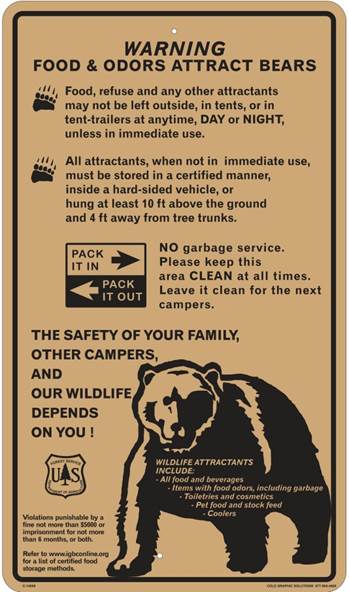
- Glacier National Park - Glacier requires all food and attractants to be stored in bear-resistant containers, hung at least 10 feet off the ground and 4 feet from any tree trunk, or stored in a hard-sided vehicle; hanging is discouraged due to bear learning to access hung food.
- Great Smoky Mountains National Park - The Smokies require all food, coolers, and cooking utensils to be stored in a bear-resistant canister, hung at least 10 feet off the ground and 4 feet from any tree trunk, or kept inside a vehicle; the park emphasizes proper food disposal as a key preventative measure.
- Grand Teton National Park - Grand Teton requires that all food and attractants be stored in bear-resistant containers or hung at least 10 feet off the ground and 4 feet from any tree trunk; backcountry campers are required to carry a bear-resistant food container.
- Rocky Mountain National Park - Rocky Mountain National Park requires proper storage of all food and attractants, either in bear-resistant containers, vehicles, or park-provided lockers; backcountry camping requires a bear canister.
- Olympic National Park - Olympic National Park requires all food, garbage, and scented items to be stored in bear-resistant canisters, hard-sided vehicles, or designated food storage lockers; specific areas may have additional restrictions.
What If You Encounter a Bear?
While proper food storage significantly reduces the risk of an encounter, it’s important to be prepared just in case. If you encounter a bear, remain calm. Make noise to let the bear know you’re there. Slowly back away, avoiding direct eye contact.
Know the difference between a defensive and predatory bear. A defensive bear is typically reacting to a perceived threat (like your presence). A predatory bear is actively stalking you. If a bear is defensive, speak in a calm voice and slowly back away. If a bear is predatory, be aggressive and fight back, using anything you have as a weapon. Carrying bear spray is highly recommended and know how to use it.
No comments yet. Be the first to share your thoughts!