

The math of mountain calories
Hiking is demanding. A typical day can easily burn 3,000 to 5,000 calories, and on challenging terrain or longer trips, that number can climb even higher. Simply trying to eat enough food to keep up with this expenditure is a losing battle, especially when you’re already carrying a pack. That’s where energy density comes in.
Energy density is the calorie count per ounce. On a long trip, every gram matters. You need the highest caloric return for the weight you carry to avoid hitting a wall three days in.
Your body needs a mix of macronutrients to perform optimally. According to the msudenver.edu hiking newsletter, a good balance for sustained energy is roughly 50-60% carbohydrates, 20-30% fat, and 10-20% protein. Carbs provide quick energy, fats offer long-lasting fuel, and protein aids in muscle recovery. But remember, it's not just about hitting those percentages; it's about choosing the right sources of each.
Many hikers fall into the trap of thinking they can just eat larger volumes of lighter foods. While volume can be helpful for hydration, it doesn’t solve the energy problem. A handful of nuts will provide far more sustained energy than a large apple, despite the apple weighing more. Prioritizing calorie-to-weight ratio is the key to powering through those long days on the trail.
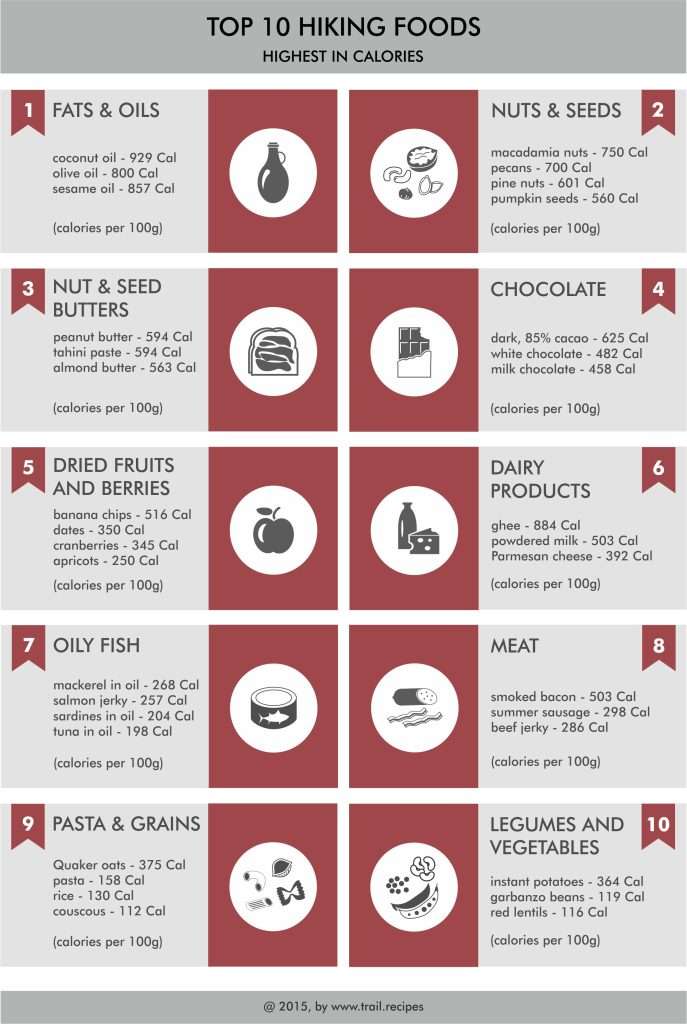
15 high-density trail foods
Let's get down to the specifics. Here are 15 energy-dense foods that should be staples in your backpacking pantry, ranked with a 'hiker rating' from 1 to 5 stars (5 being the best). Calorie counts are approximate per ounce.
1. Nut Butters (Peanut, Almond, Cashew): 180-200 calories/oz. High in healthy fats and protein. Can be messy, but incredibly energy-packed. Hiker Rating: 5/5. 2. Nuts & Seeds (Almonds, Walnuts, Chia Seeds): 160-200 calories/oz. Similar benefits to nut butters, but can be easier to portion. Watch for allergies. Hiker Rating: 4.5/5. 3. Dried Fruits (Dates, Raisins, Banana Chips): 130-160 calories/oz. Quick energy from natural sugars. Can be sticky and attract bugs. Hiker Rating: 3.5/5. 4. Energy Bars (Clif Bars, Kind Bars): 150-250 calories/oz. Convenient, but ingredient quality varies. Look for bars with minimal processed ingredients. Hiker Rating: 4/5.
5. Jerky & Dried Meats (Beef, Salmon, Turkey): 100-150 calories/oz. Excellent source of protein. Can be expensive and high in sodium. Hiker Rating: 4/5. 6. Cheese (Cheddar, Parmesan, Gouda): 110-120 calories/oz. Good source of fat and protein. Hard cheeses travel well. Hiker Rating: 3.5/5. 7. Olive Oil & Coconut Oil: 240 calories/oz. Pure fat for sustained energy. Best used to add calories to other foods. Hiker Rating: 4/5. 8. Dark Chocolate (70% cacao+): 150-170 calories/oz. Provides energy and a mood boost. Choose high-quality chocolate. Hiker Rating: 4.5/5.
9. Tortillas: 100-120 calories/oz. Versatile base for wraps and meals. Lightweight and packable. Hiker Rating: 4/5. 10. Summer Sausage: 180-200 calories/oz. High in fat and protein. Doesn’t require refrigeration. Hiker Rating: 3.5/5. 11. Instant Oatmeal & Granola: 100-150 calories/oz. Quick and easy breakfast option. Add nuts and seeds for extra energy. Hiker Rating: 3/5. 12. Dehydrated Meals (Mountain House, Backpacker’s Pantry): 150-200 calories/oz. Convenient, but can be expensive and high in sodium. Hiker Rating: 3/5.
13. Protein Powder: 120-150 calories/oz. Lightweight way to boost protein intake. Mix with water or add to oatmeal. Hiker Rating: 3.5/5. 14. Coconut Flakes: 150-170 calories/oz. Good source of healthy fats and fiber. Adds texture and flavor to meals. Hiker Rating: 4/5. 15. Hard Candies (Jelly Beans, Gummy Bears): 100-120 calories/oz. Quick sugar boost for emergencies. Use sparingly. Hiker Rating: 2.5/5.
Nuts and seeds
Nuts and seeds are backpacking staples for a reason. They offer a fantastic combination of healthy fats, protein, and essential nutrients. Almonds, for example, are rich in vitamin E and magnesium, while walnuts provide omega-3 fatty acids. Chia seeds and pumpkin seeds are excellent sources of fiber, aiding in digestion and promoting fullness.
The high fat content in nuts and seeds is particularly beneficial for long-distance hiking. Fat is metabolized slower than carbohydrates, providing a more sustained release of energy. This helps prevent energy crashes and keeps you feeling fueled throughout the day. However, it’s important to be mindful of portion sizes, as nuts and seeds are calorie-dense.
Check with your group about allergies before communal packing. If you aren't used to a high-fat diet, ease into the nuts to avoid stomach cramps. Mixing different types ensures you don't get 'palate fatigue' from eating the same handful of almonds for a week.
Dehydrated meals: weight vs. cost
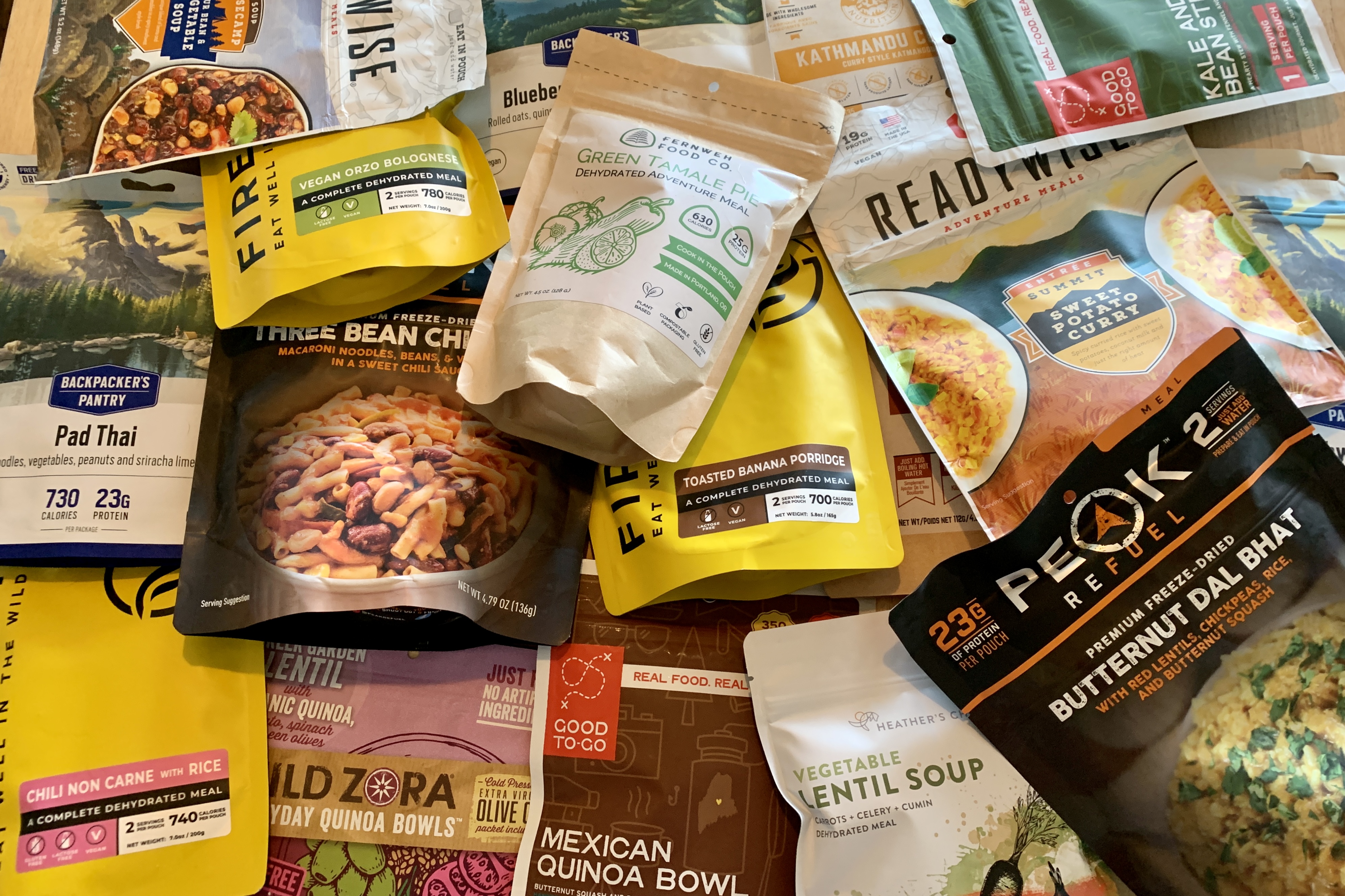
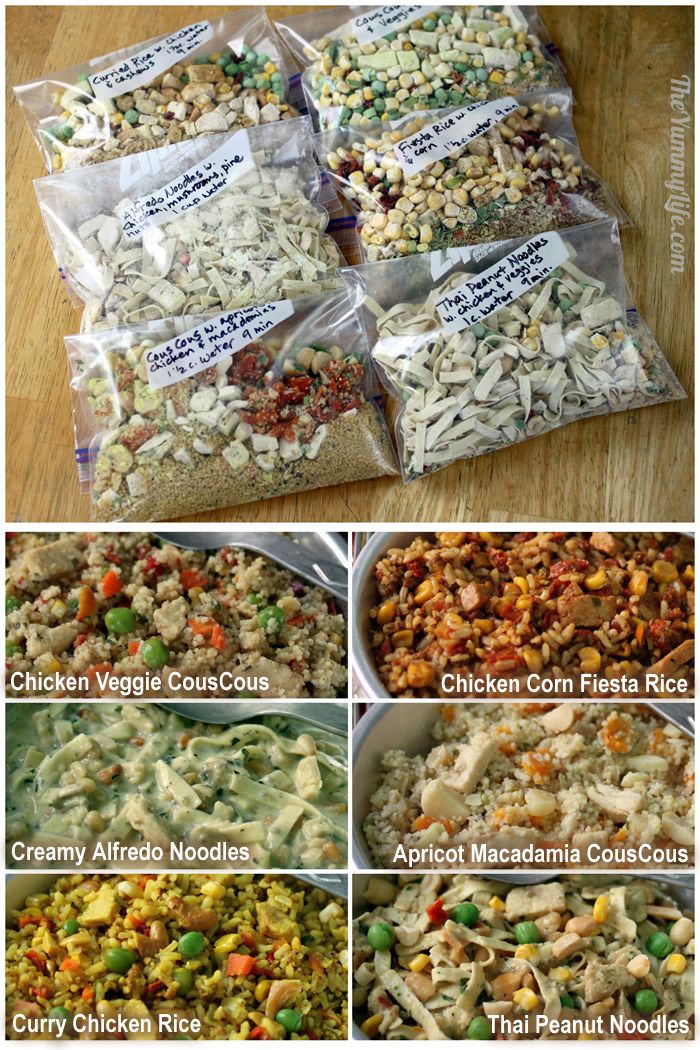
Dehydrated backpacking meals are incredibly popular due to their lightweight nature and ease of preparation. Brands like Mountain House and Backpacker’s Pantry offer a wide range of options, from classic chili to more adventurous flavors. They’re perfect for nights when you’re exhausted and don’t want to spend hours cooking.
However, dehydrated meals aren’t without their drawbacks. They can be expensive, and many are high in sodium. It’s essential to read the labels carefully and choose options with lower sodium content. Some meals also contain artificial ingredients and preservatives, which may not be ideal for everyone. They also aren’t known for being particularly gourmet – let's be honest, texture can be an issue.
Despite these downsides, dehydrated meals are a practical option for multi-day hikes. They provide a reliable source of calories and nutrients when you need it most. Look for meals with a good balance of protein, carbohydrates, and fats. Consider supplementing with extra snacks to boost the calorie content and improve the overall nutritional value.
Sweet Spots: Sugars for Quick Energy
Simple sugars can provide a quick burst of energy when you need it most – like during a steep climb or a particularly challenging section of the trail. Energy gels, chews, and hard candies are all convenient options. Dried fruit, like dates and raisins, also provides a natural sugar boost.
However, sugar should be used strategically, not as a primary fuel source. Relying too heavily on sugar can lead to energy crashes and leave you feeling sluggish. It’s important to pair sugars with other macronutrients, like protein and fat, to slow down absorption and provide more sustained energy. Electrolyte balance is also crucial – sweating depletes electrolytes, so replenish them with sports drinks or electrolyte tablets.
Here's a quick comparison of sugar sources and their impact:
| Source | Calories/oz | Quick Energy | Potential Downsides |
|---|---|---|---|
| Energy Gels | 80-100 | High | Can cause stomach upset |
| Hard Candies | 100-120 | Moderate | Empty calories, potential for crashes |
| Dried Fruit | 130-160 | Moderate | Sticky, can attract bugs |
Energy Food Comparison for Multi-Day Hiking (2026)
| Food Item | Speed of Absorption | Sugar Content | Portability | Digestibility |
|---|---|---|---|---|
| Nuts and Nut Butters | Moderate | Lower | Good | Generally well-tolerated, potential for feeling heavy |
| Dried Fruits and Trail Mix | Fast to Moderate | Higher | Excellent | Potential for stomach upset with high fiber/sugar intake |
| Energy Bars and Protein Bars | Moderate | Variable - can be High | Good | Variable - some can cause digestive issues |
| Dark Chocolate (70% cacao or higher) | Moderate | Moderate | Excellent | Generally easy to digest, provides antioxidants |
| Dehydrated Meals | Moderate to Slow | Variable | Good (requires water) | Can be bulky before rehydration, potential for gas |
| Seeds (sunflower, pumpkin, chia) | Moderate | Lower | Excellent | Good source of fiber, may require hydration |
| Jerky and Dried Meats | Slow | Low | Excellent | Can be difficult to digest for some, requires hydration |
| Instant Oatmeal and Granola | Moderate | Variable | Good | Can be bulky, requires water for oatmeal |
Qualitative comparison based on the article research brief. Confirm current product details in the official docs before making implementation choices.
Packing It All: Practical Considerations
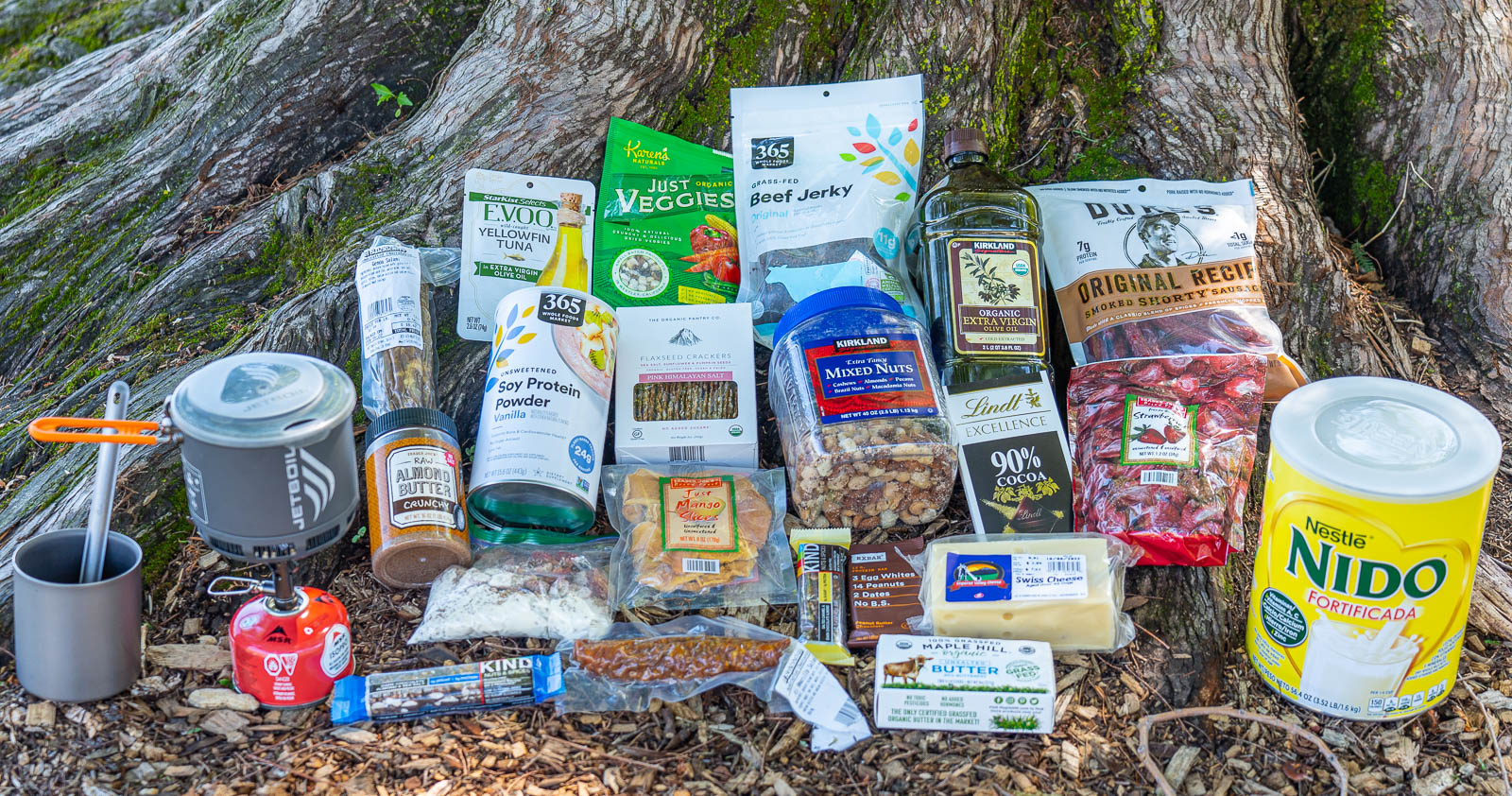
Proper packing and storage are crucial for keeping your energy-dense foods in good condition on a multi-day hike. Portion out your snacks into individual bags to avoid overeating and make it easier to track your consumption. Use waterproof containers to protect your food from rain and moisture. REI’s expert advice stresses the importance of considering weather conditions when selecting your food.
In bear country, it’s essential to store your food properly to avoid attracting unwanted visitors. Use a bear-resistant canister or hang your food from a tree, following Leave No Trace principles. Minimizing packaging waste is also important – repackage foods into reusable containers to reduce your environmental impact.
Planning ahead is key. Make a detailed meal plan and pack accordingly. Don’t overpack – it’s better to have a little less food than to be carrying unnecessary weight. A little bit of forethought can make all the difference between an enjoyable hike and a miserable one.
- Check weather forecast and pack accordingly.
- Portion snacks into individual bags.
- Use waterproof containers.
- Store food properly in bear country.
- Minimize packaging waste.

No comments yet. Be the first to share your thoughts!