
Vegan Camping: Flavor Beyond the Trail Mix
More and more people are discovering the joys of combining a plant-based lifestyle with a love for the outdoors. It’s a fantastic pairing – both require a mindful connection to the environment, and both can be incredibly rewarding. For a long time, vegan camping food had a reputation for being limited, often relegated to simply salads and trail mix. That perception is thankfully fading fast.
The truth is, vegan camping meals can be just as hearty, satisfying, and flavorful as any other type of outdoor cuisine. In fact, a well-planned vegan menu can be surprisingly lightweight and nutrient-dense, providing sustained energy for all your adventures. Plus, prioritizing plant-based eating while camping is a great way to minimize your environmental impact.
This isn’t about sacrificing taste or convenience. It's about expanding your culinary horizons and realizing that delicious, fulfilling meals are absolutely achievable even in the wilderness. We’re going to show you how to ditch the bland stereotypes and embrace a world of flavor with these one-pot vegan camping recipes.
Pantry Power: Essential Vegan Camping Ingredients
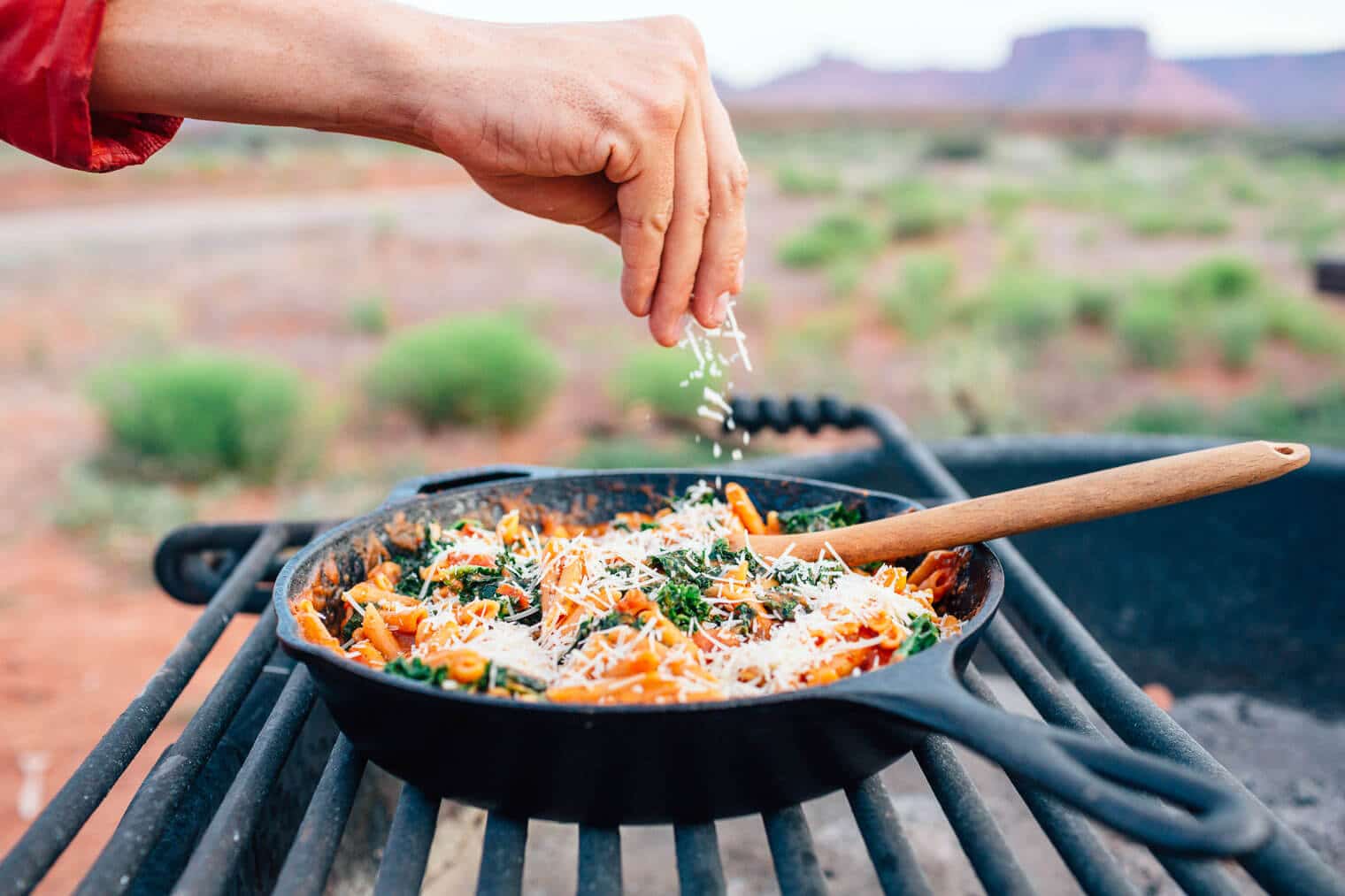
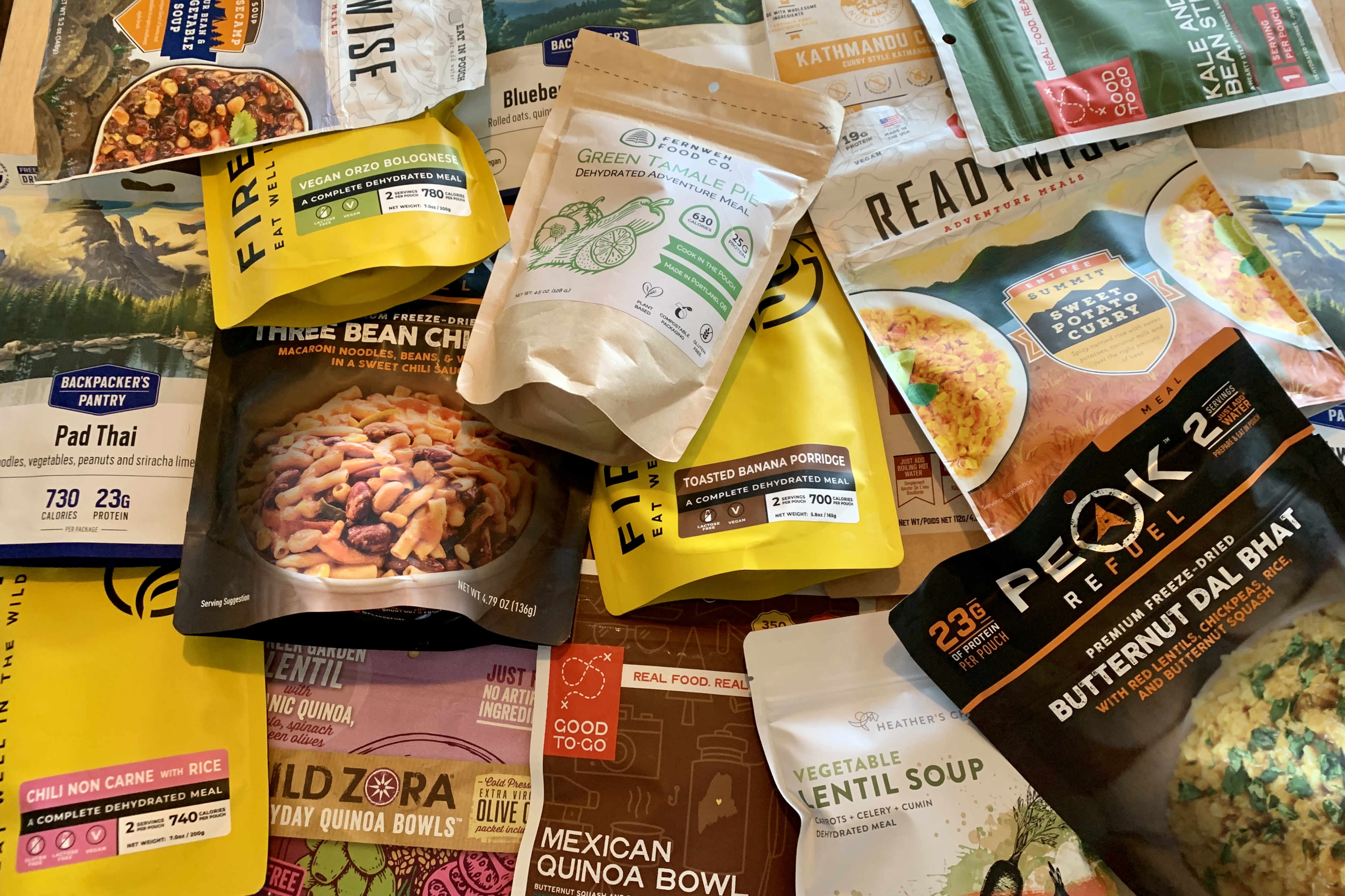
The key to successful vegan camping is smart packing. You want ingredients that are shelf-stable, lightweight, and versatile. Forget lugging around a ton of fresh produce that will spoil quickly; focus on building a pantry of essentials that will form the base of many delicious meals. Dried beans and lentils are absolute superstars, offering a ton of protein and fiber with minimal weight.
Rice and quinoa are also excellent choices, providing complex carbohydrates for sustained energy. Pasta is another reliable option, though consider whole-wheat varieties for added nutrition. Canned tomatoes, especially diced or crushed, add flavor and nutrients to stews and sauces. Boxed coconut milk is surprisingly lightweight and adds richness to curries and other dishes.
Don't underestimate the power of spices! A small collection of your favorites can transform a simple meal. Nutritional yeast, often called 'nooch,' is a vegan staple, providing a cheesy flavor. Shelf-stable tofu, though it adds some weight, is a great protein source. Nut butters are calorie-dense and satisfying, and dried fruits and nuts/seeds offer quick energy. When possible, repackage items into reusable containers to cut down on waste. A good rule of thumb is to estimate about 1.5-2 pounds of food per person per day, adjusting based on activity level.
- Dried beans/lentils: Protein and fiber
- Rice/quinoa: Complex carbohydrates
- Pasta: Versatile and filling
- Canned tomatoes: Flavor and nutrients
- Boxed coconut milk: Richness and flavor
- Spices: Essential for flavor
- Nutritional yeast: Cheesy flavor
- Shelf-stable tofu: Protein source
- Nut butters: Calorie-dense
- Dried fruits/nuts/seeds: Quick energy
One-Pot Wonders: 12 Recipes to Try
These recipes are designed for single-pot cooking, minimizing cleanup and maximizing flavor. They range from quick and easy to more complex dishes. Cooking times are estimates and may vary depending on your stove and altitude. Difficulty levels are rated as easy, medium, or challenging.
- Spicy black bean stew (Easy): 1 tbsp olive oil, 1 onion (diced), 2 cloves garlic (minced), 1 tsp chili powder, 1/2 tsp cumin, 1 can (15oz) black beans (drained and rinsed), 1 can (14.5oz) diced tomatoes, 1 cup vegetable broth. Sauté onion and garlic, add spices, then beans, tomatoes, and broth. Simmer for 20 minutes. (Difficulty: Easy, Cook Time: 25 mins)
- Red lentil curry (Medium): 1 tbsp coconut oil, 1 onion (diced), 2 cloves garlic (minced), 1 inch ginger (grated), 1 tbsp curry powder, 1/2 tsp turmeric, 1 cup red lentils, 2 cups vegetable broth, 1 can (13.5oz
- Pasta Primavera (Easy): 8oz pasta, 2 cups vegetable broth, 1 cup mixed vegetables (frozen or pre-chopped), 1 tbsp nutritional yeast, 1 tsp Italian seasoning. Boil pasta in broth. Add vegetables and seasonings during the last 5 minutes of cooking. (Difficulty: Easy, Cook Time: 20 mins)
- Chickpea & Vegetable Tagine (Medium): 1 tbsp olive oil, 1 onion (diced), 2 cloves garlic (minced), 1 tsp cumin, 1/2 tsp cinnamon, 1 can (15oz) chickpeas (drained and rinsed), 1 can (14.5oz) diced tomatoes, 1 cup chopped vegetables (zucchini, carrots, bell peppers). Sauté onion and garlic, add spices, then chickpeas, tomatoes, and vegetables. Simmer for 30 minutes. (Difficulty: Medium, Cook Time: 40 mins)
- Coconut Rice with Mango Salsa (Easy): 1 cup rice, 1.5 cups coconut milk, 1/4 tsp salt. Combine rice, coconut milk, and salt in a pot. Bring to a boil, then reduce heat and simmer for 20 minutes. Top with pre-made mango salsa. (Difficulty: Easy, Cook Time: 25 mins)
- Smoky Paprika Pasta (Easy): 8oz pasta, 2 cups vegetable broth, 1 tbsp smoked paprika, 1/2 tsp garlic powder, 1/4 cup nutritional yeast. Boil pasta in broth with spices. Stir in nutritional yeast. (Difficulty: Easy, Cook Time: 20 mins)
- Quinoa with Roasted Vegetables (Medium): 1 cup quinoa, 2 cups vegetable broth, 1 cup chopped vegetables (broccoli, sweet potatoes, bell peppers), 1 tbsp olive oil, salt and pepper. Roast vegetables with olive oil, salt, and pepper. Cook quinoa in broth. Combine quinoa and roasted vegetables. (Difficulty: Medium, Cook Time: 35 mins)
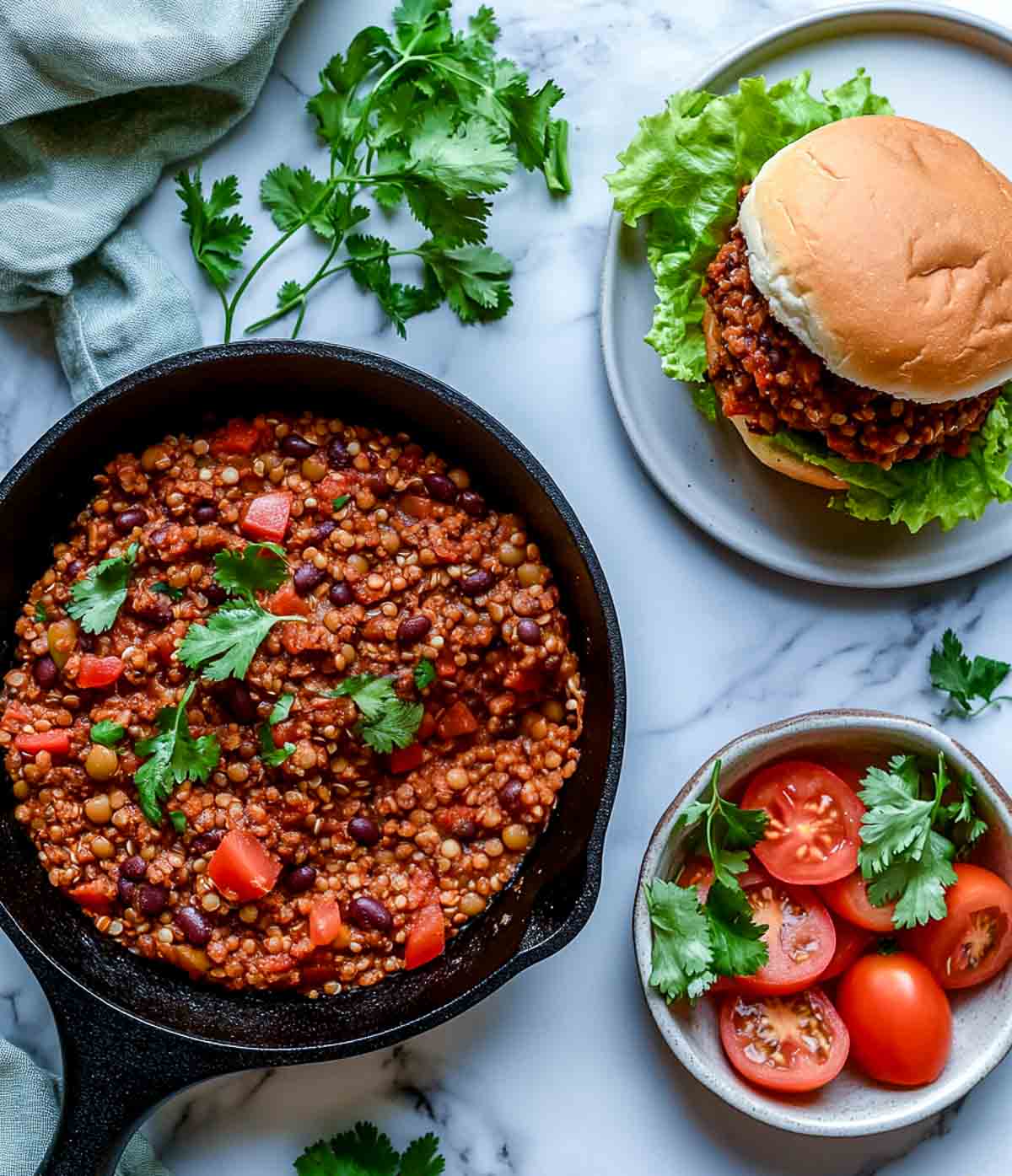
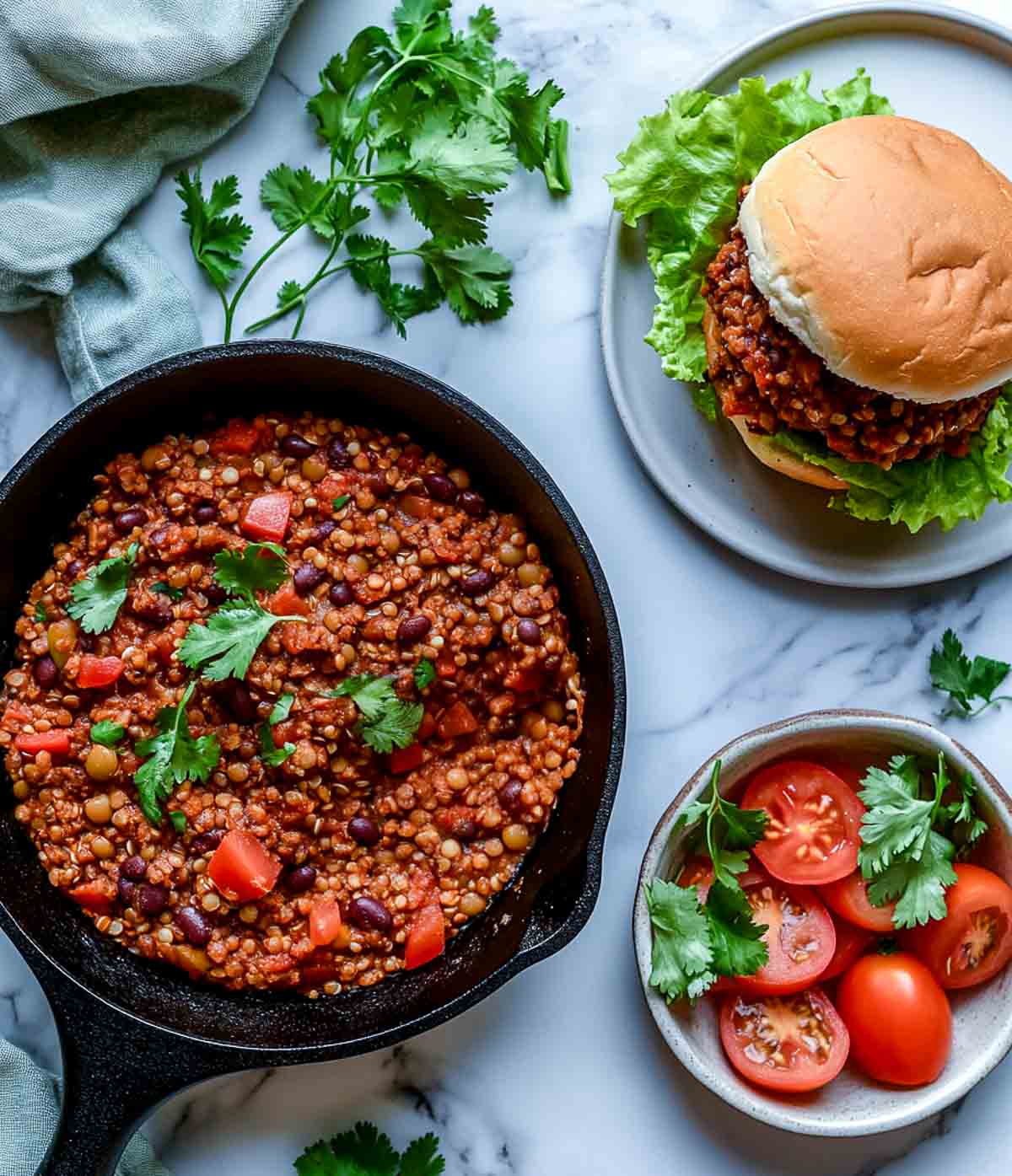
- Hearty Bean & Tomato Chili (Medium): 1 tbsp olive oil, 1 onion (diced), 2 cloves garlic (minced), 1 tbsp chili powder, 1 tsp cumin, 1 can (15oz) kidney beans (drained and rinsed), 1 can (15oz) black beans (drained and rinsed), 1 can (28oz) crushed tomatoes. Sauté onion and garlic, add spices, then beans and tomatoes. Simmer for 30 minutes. (Difficulty: Medium, Cook Time: 40 mins)
- Lemon-Herb Couscous (Easy): 1 cup couscous, 1 cup vegetable broth, juice of 1 lemon, 1 tbsp chopped fresh herbs (parsley, cilantro). Bring broth to a boil. Stir in couscous, lemon juice, and herbs. Cover and let stand for 5 minutes. (Difficulty: Easy, Cook Time: 15 mins)
- Peanut Noodles (Easy): 8oz pasta, 1/2 cup peanut butter, 1/4 cup soy sauce, 2 tbsp maple syrup, 1 tbsp lime juice, 1/4 cup water. Cook pasta. Whisk together peanut butter, soy sauce, maple syrup, lime juice, and water. Toss with pasta. (Difficulty: Easy, Cook Time: 20 mins)
- Moroccan Spiced Stew (Medium): 1 tbsp olive oil, 1 onion (diced), 2 cloves garlic (minced), 1 tsp cumin, 1/2 tsp coriander, 1/4 tsp cinnamon, 1 can (15oz) chickpeas (drained and rinsed), 1 can (14.5oz) diced tomatoes, 1 cup chopped vegetables (carrots, zucchini). Sauté onion and garlic, add spices, then chickpeas, tomatoes, and vegetables. Simmer for 30 minutes. (Difficulty: Medium, Cook Time: 40 mins)
- Campfire Oatmeal (Easy): 1 cup rolled oats, 2 cups water, 1/4 cup dried fruit, 1 tbsp nuts/seeds. Combine oats, water, and dried fruit in a pot. Bring to a boil, then reduce heat and simmer for 5-7 minutes. Top with nuts/seeds. (Difficulty: Easy, Cook Time: 10 mins)
Fueling Your Hike: Energy-Packed Add-Ins
These one-pot meals provide a solid foundation, but if you’re planning a long or strenuous hike, you’ll want to boost their energy density. Adding protein, healthy fats, and complex carbohydrates is key. Hemp seeds are a fantastic addition, providing a complete protein and omega-3 fatty acids (about 155 calories per 3 tablespoons). Chia seeds are another great option, offering fiber and omega-3s (about 138 calories per 2 tablespoons).
Flax seeds are similar to chia seeds, but need to be ground for optimal absorption (about 150 calories per 3 tablespoons). Walnuts and almonds provide healthy fats and protein (around 185-200 calories per ounce). Dried cranberries and goji berries add sweetness and antioxidants (around 120-130 calories per 1/4 cup). A small amount of vegan protein powder can also give you a quick protein boost (typically 100-150 calories per scoop). And for a little treat, a few squares of dark chocolate can provide a satisfying energy lift (around 150-200 calories per ounce).
Campfire Cooking Techniques: Beyond Boiling
While boiling is the simplest campfire cooking method, there’s a whole world of techniques to explore. Direct heat involves placing a pot directly over the flames, but requires careful monitoring to prevent burning. Indirect heat uses the embers surrounding the fire, providing more even cooking. Foil packets are excellent for individual portions and require minimal cleanup. Simply wrap your ingredients in foil and place them directly on the embers.
If you're willing to carry the extra weight, a Dutch oven is a game-changer. It’s perfect for stews, chilis, and even baking. Controlling the heat is crucial – start with a small fire and gradually add more wood as needed. Always have water nearby in case of flare-ups. A camping stove is a reliable alternative, especially in areas where campfires are restricted or during inclement weather.
Food Storage in Bear Country (and Beyond)
Proper food storage is paramount, especially in bear country. Bears have an incredible sense of smell and will be attracted to any food or scented items. The National Park Service recommends using bear-resistant canisters, which are hard-sided containers that bears cannot open. If canisters aren’t required, you can hang your food from a tree using a bear bag and rope, at least 10 feet off the ground and 4 feet from the trunk.
Even in areas without bears, it’s important to protect your food from other animals like raccoons and rodents. Store food in airtight containers and never leave it unattended. Keep your campsite clean and dispose of all trash properly. Remember that even seemingly harmless items like toothpaste and sunscreen can attract animals, so store those securely as well. The NPS website () offers comprehensive information on food storage regulations in national parks.
Beyond animal concerns, general food safety is important. Keep perishable items cool and prevent cross-contamination. Wash your hands thoroughly before preparing food and use separate cutting boards for raw and cooked ingredients. Store leftovers properly and discard any food that has been left out for more than two hours.
- Use bear-resistant canisters: Required in many areas.
- Hang food: At least 10 feet off the ground, 4 feet from the trunk.
- Store in airtight containers: Protects from all animals.
- Keep campsite clean: Dispose of trash properly.
- Store scented items securely: Toothpaste, sunscreen, etc.
- Practice general food safety: Keep food cool, prevent cross-contamination.
Meal Planning & Prep: Streamlining Your Trip
A little preparation before your trip can save you a lot of time and effort in the backcountry. Start by planning your meals for each day, taking into account your activity level and dietary needs. Pre-chop vegetables at home and store them in airtight containers. Pre-mix spices and portion them into small bags or containers. Consider dehydrating some ingredients, like vegetables or fruits, to reduce weight and space.
Reusable containers and bags are essential for minimizing waste. Pack ingredients in a logical order, grouping items for each meal together. A sample 3-day meal plan might include: Day 1: Spicy Black Bean Stew, Day 2: Red Lentil Curry, Day 3: Pasta Primavera. Remember to adjust portion sizes based on your appetite and activity level.
Don’t forget to pack essential cooking supplies, such as a pot, utensils, and a cutting board. A small amount of dish soap and a sponge are also helpful for cleanup. By taking the time to plan and prepare, you can ensure a smooth and enjoyable vegan camping experience.
Standout Recipes: Worth a Second Look
While all twelve recipes offer something unique, a few really stand out for their versatility and flavor. The Red Lentil Curry is a winner because it’s packed with protein and flavor, and it’s easily customizable. Feel free to add different vegetables, like spinach or cauliflower, or adjust the spice level to your liking. The Chickpea & Vegetable Tagine is another standout, offering a delicious and aromatic Moroccan-inspired meal.
If you’re looking for something quick and easy, the Coconut Rice with Mango Salsa is a fantastic option. It’s refreshing, flavorful, and requires minimal cooking. For a hearty and satisfying meal, the Hearty Bean & Tomato Chili is hard to beat. It’s perfect for a cold evening and can be easily adapted to your preferences. Add a dollop of vegan sour cream or a sprinkle of nutritional yeast for extra flavor.
These recipes are just a starting point. Don’t be afraid to experiment with different ingredients and flavors to create your own signature vegan camping meals. The possibilities are endless!
No comments yet. Be the first to share your thoughts!