

Bears Are Adapting: 2026 Food Storage Rules
Just last fall, a ranger friend of mine in Sequoia National Park dealt with a bear that systematically opened three separate coolers, despite being secured with what were, until recently, considered reliable latches. This isn’t an isolated incident. Bears are getting smarter, more persistent, and frankly, bolder when it comes to accessing human food. What worked five years ago, or even last year, isn't necessarily enough to keep your campsite – and yourself – safe.
This increasing ingenuity is driving significant changes to food storage regulations in bear country, with several updates slated to take effect in 2026. The core issue is that bears are learning to associate campsites with easy meals, and that habituation poses a serious threat to both humans and bears. These new rules aren’t about making camping more difficult; they’re about ensuring its sustainability.
The upcoming regulations, largely influenced by the Interagency Grizzly Bear Committee (IGBC) and the National Park Service (NPS), will focus on stricter container requirements, more defined hanging protocols, and increased enforcement of existing rules. We’ll cover the specifics later, but the overarching theme is a move towards more robust protection of food and attractants. Failing to comply can result in hefty fines, and more importantly, contributes to a dangerous situation for everyone.
Don’t assume past experience prepares you for 2026. The NPS and the US Forest Service (FS) are continually reevaluating best practices based on bear behavior. It’s vital to stay informed and adapt your approach to food storage accordingly. This guide will help you navigate the changes and ensure a safe and enjoyable camping experience.
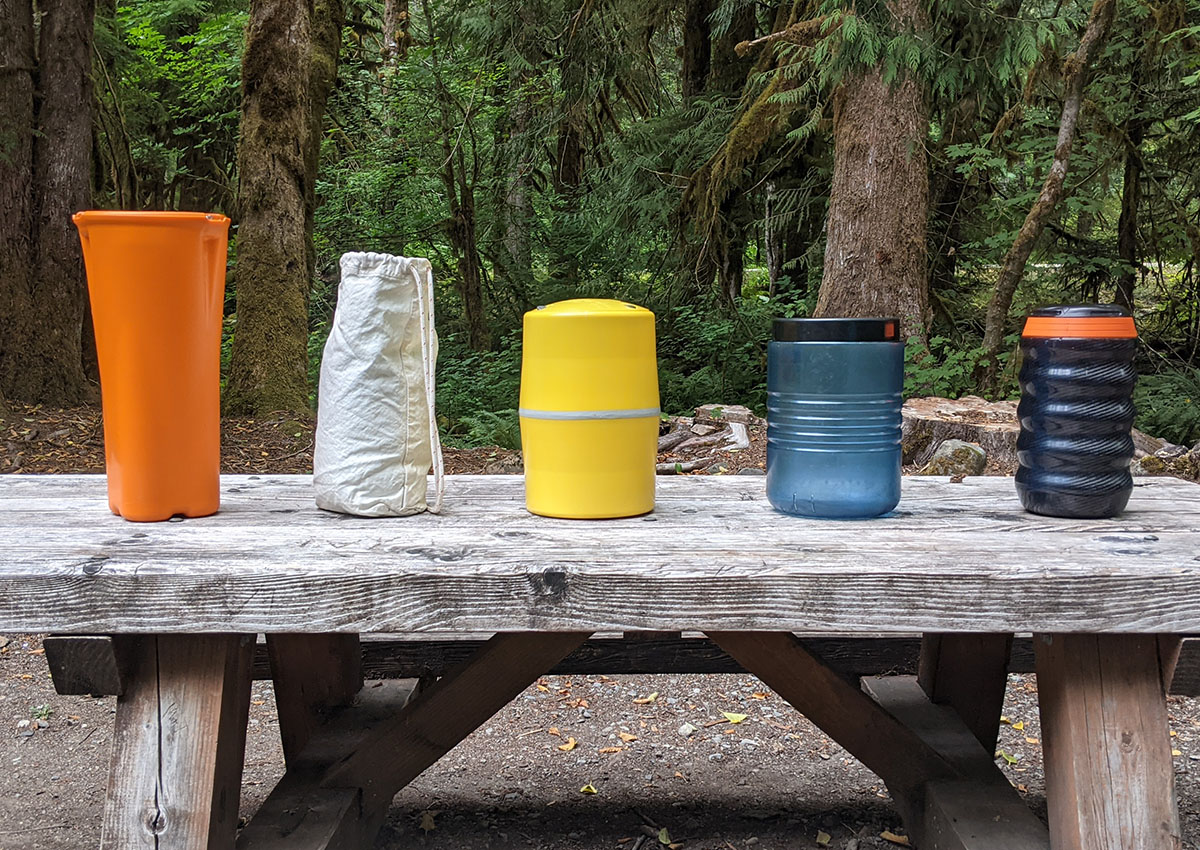
Choosing the right container
Bear-resistant containers (BRCs) are the cornerstone of modern bear country food storage. They come in two primary types: hard-sided canisters and bear-resistant bags. Canisters, typically made of polycarbonate or metal, offer the most reliable protection, but can be bulky and heavy. Bags, often constructed from Spectra fabric and coated with a durable polymer, are lighter and more packable, but require careful use to maintain their effectiveness.
The key to a BRC’s effectiveness is IGBC certification. This certification, awarded after rigorous testing, verifies that a container can withstand a determined bear’s attempts to access its contents for a specified period. However, it’s crucial to understand that "bear resistant’ doesn’t mean ‘bear proof." A determined bear can eventually breach a container, but a certified BRC will significantly delay access, ideally long enough for the bear to lose interest and move on.
Common mistakes diminish a BRC’s protective capabilities. Failing to close the container properly is a big one – many canisters require a specific locking mechanism to be fully engaged. Another is placing the container too close to a cliff or water source, allowing a bear to knock it away. Inspect your BRC every time you use it for cracks, dents, or damage to the lid or locking mechanism. A compromised container is essentially useless.
When choosing a canister volume, consider your group size. A solo hiker or a couple can often get by with a 7-10 liter canister. Groups of four or more will likely need a 15-20 liter canister, or even multiple smaller ones. Bearicuda, a well-known provider of animal-resistant containers, offers a wide range of sizes and styles (bearicuda.com). Remember, it’s better to have a slightly larger canister than one that’s too small, forcing you to store food outside of the container.
- 7-10 liters for solo trips
- 15-20 Liter Canister: Suitable for groups of 3-4 people.
- Larger/Multiple Canisters: Necessary for groups of 5 or more.
Featured Products
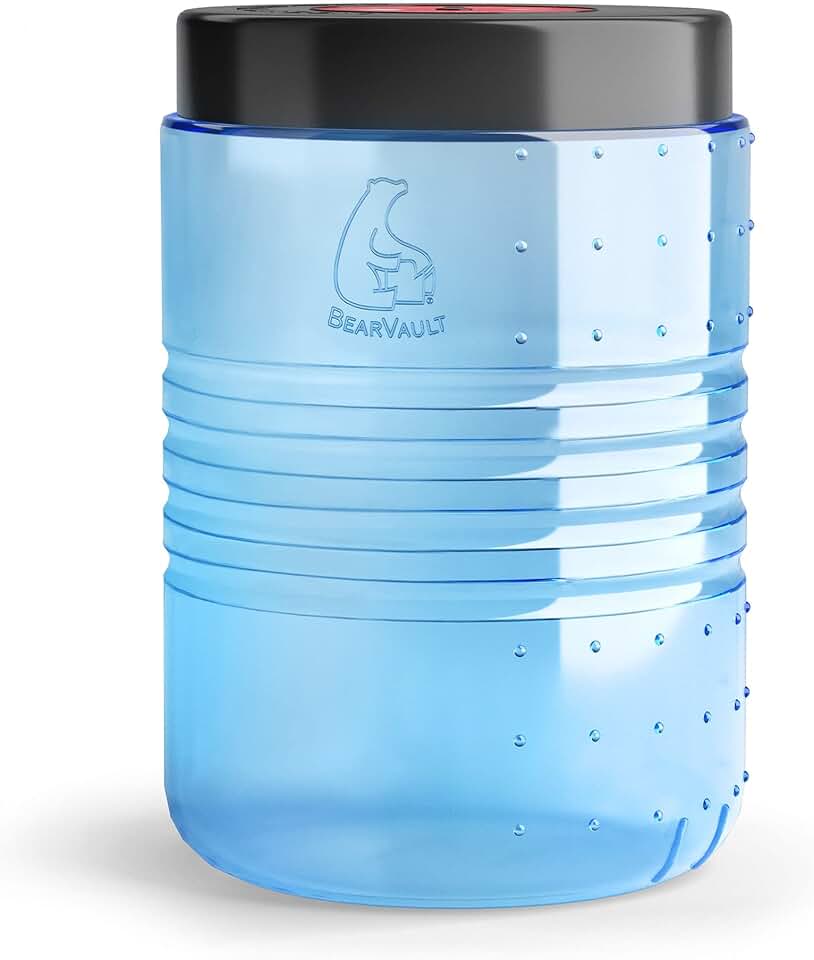
Available in four sizes (BV500, BV475, BV450, BV425) · Designed for backpacking, camping, hiking, fishing, hunting, and bikepacking · Certified bear-resistant food container
This IGBC-approved bear canister offers reliable protection for your food, ensuring safety and compliance with new regulations for all campers.
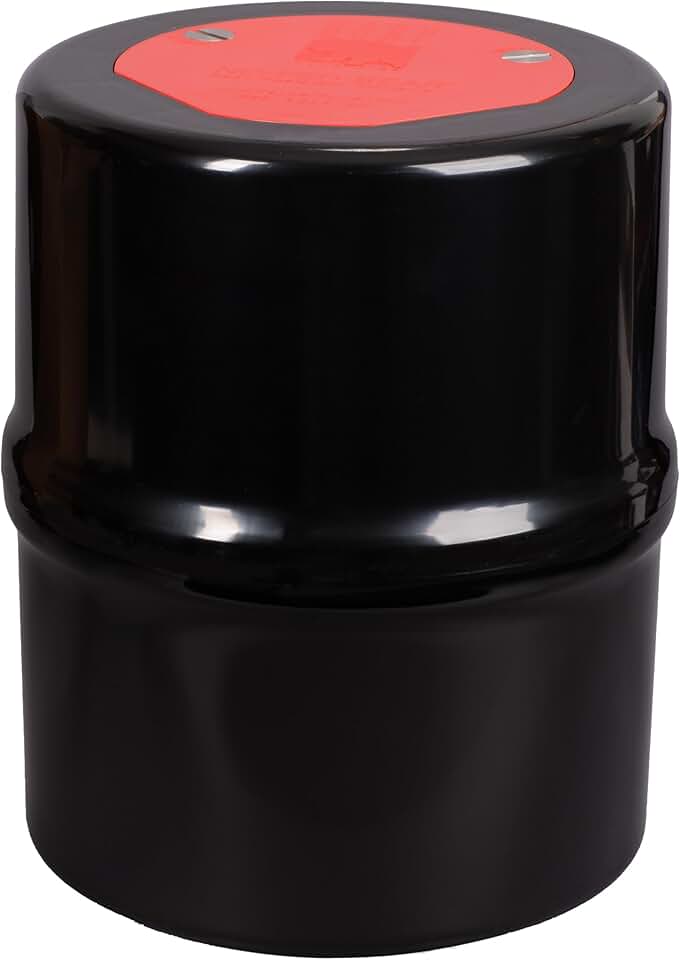
IGBC Approved · Lightweight and bear-resistant · 2.1 Gallon / 8 Liter capacity (8” x 10”)
This IGBC-approved bear canister offers reliable protection for your food, ensuring safety and compliance with new regulations for all campers.
Available in four sizes (BV500, BV475, BV450, BV425) · Designed for backpacking, camping, hiking, fishing, hunting, and bikepacking · Certified bear-resistant food container
This IGBC-approved bear canister offers reliable protection for your food, ensuring safety and compliance with new regulations for all campers.

Bear-resistant food storage container · Yellow color for visibility · Designed for outdoor use
This IGBC-approved bear canister offers reliable protection for your food, ensuring safety and compliance with new regulations for all campers.

Bear bag designed for backpacking · XL size for larger capacity · Offers protection against bears
This IGBC-approved bear canister offers reliable protection for your food, ensuring safety and compliance with new regulations for all campers.
As an Amazon Associate I earn from qualifying purchases. Prices may vary.
Beyond Canisters: Alternative Storage Methods
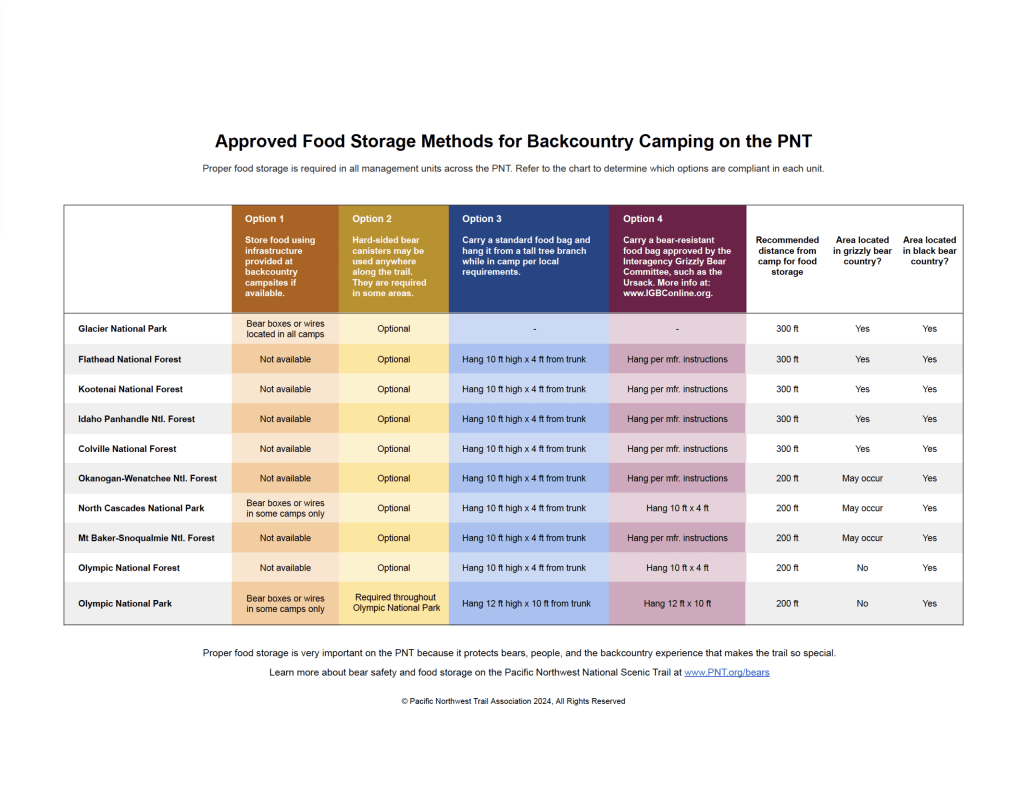
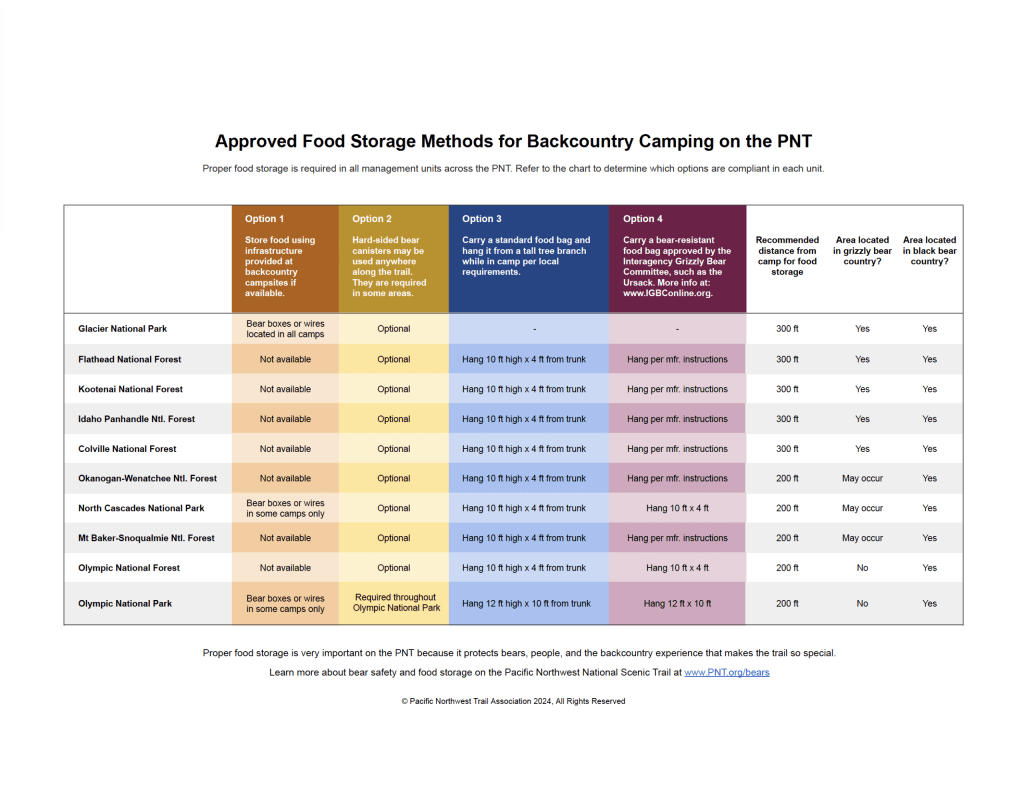
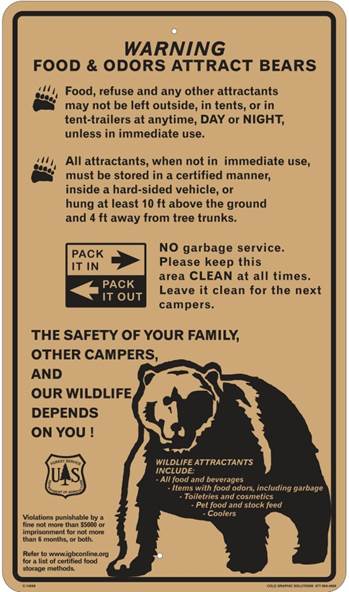
While BRCs are often the preferred method, not every campsite mandates or even allows their use. In these situations, alternative storage methods may be necessary. The traditional method of hanging food – suspending it between two trees – requires specific technique. The food bag must be at least 10 feet off the ground and 4 feet from the trunk of either tree, and weigh at least 10 pounds.
However, simply hanging a bag isn’t enough. Many bears have learned to climb trees, and some are surprisingly adept at reaching suspended food. Bear-resistant food lockers, where available, offer a more secure option. These metal containers are typically bolted to the ground and are designed to withstand bear attacks. Check with the park or forest service to see if lockers are available at your campsite.
Electric fences, while effective, are best suited for more remote locations and require significant setup and maintenance. They’re also not permitted in all areas. Separating food from toiletries and trash is always essential, regardless of your primary storage method. Bears are attracted to anything with a scent, including toothpaste, sunscreen, and scented soap.
Hanging food is a gamble. If a bear is smart enough, they'll get it. Metal lockers are better, but only if you actually lock them. In high-activity areas like the Sierras, I always bring a hard canister.
Regional rule changes for 2026
The 2026 regulations vary significantly by region, so it’s crucial to check the specific rules for the park or forest you’re visiting. In Yellowstone National Park, the existing requirement for certified BRCs or proper food hanging remains in effect, but rangers will be increasing enforcement and issuing more citations for violations (nps.gov/yell). Yosemite National Park is also maintaining its strict BRC requirement, with a renewed focus on educating visitors about proper canister use (nps.gov/yose).
Glacier National Park is introducing a new pilot program in 2026 requiring all backcountry campers to carry bear spray and demonstrate proficiency in its use before obtaining a permit. They are also increasing the number of bear-resistant food storage lockers at popular campsites (nps.gov/glac). Grand Teton National Park is seeing similar changes, with an emphasis on proactive education and increased ranger patrols.
In the Sequoia and Kings Canyon National Parks, the regulations are evolving to address the increasingly resourceful bear population. They are promoting the use of larger, more robust canisters and are considering a phased rollout of mandatory bear spray for all backcountry users. The FS is also updating its guidelines for food storage in national forests, often mirroring the NPS regulations.
Regulations are subject to change, so always verify the most up-to-date information before your trip. The NPS and FS websites are the best resources. Don't rely on outdated information from blogs or forums. Here are some helpful links to get you started:
Yellowstone: nps.gov/yell/planyourvisit/bearsafety.htm
Yosemite: nps.gov/yose/planyourvisit/bears.htm
Glacier: nps.gov/glac/planyourvisit/bears.htm
Bear-Safe Food Storage Regulations in Select National Parks (as of late 2026)
| Park Name | Canister Required? | Hanging Allowed? | Electric Fences Allowed? | Other Restrictions |
|---|---|---|---|---|
| Grand Teton National Park | Yes, in most areas | No | No | Specific regulations apply to backcountry camping; check with the park’s backcountry office. |
| Glacier National Park | Yes, throughout the park | No | No | All food, toiletries, and scented items must be stored in approved bear-resistant containers. |
| Yosemite National Park | Yes, in many areas; check current conditions | No | Yes, with permit | Bear canisters are required in most wilderness areas. Regulations can change based on bear activity. |
| Rocky Mountain National Park | Yes, in wilderness areas | Generally No, exceptions may apply | No | Proper food storage is essential; consult the park website for detailed guidelines. |
| Olympic National Park | Yes, in the coastal strip and some backcountry areas | Yes, with specific requirements | No | Hanging requires specific techniques and may not be sufficient in all areas. Canisters are often preferred. |
| Great Smoky Mountains National Park | No, but strongly recommended | Yes, when properly implemented | No | While hanging is permitted, bear-resistant canisters are encouraged for reliable protection. |
| North Cascades National Park | Yes, in most backcountry areas | No | No | All food and attractants must be stored in bear canisters or in designated bear-resistant lockers where available. |
Illustrative comparison based on the article research brief. Verify current pricing, limits, and product details in the official docs before relying on it.
Food Choices That Minimize Attractants
While complete avoidance of scented foods isn’t practical, making smart choices can significantly reduce your campsite’s attractiveness to bears. High-fat foods, like bacon, cheese, and nuts, are particularly appealing. Sugary items, such as candy, cookies, and sweetened beverages, are also strong attractants. Consider opting for lower-fat, less sugary alternatives whenever possible.
Repackaging food is critical. Remove all original packaging, as the scents can linger even after the food is gone. Use airtight containers or resealable bags to minimize odors. Double-bagging particularly pungent items is a good idea. Don't forget about seemingly innocuous items like toothpaste, sunscreen, and insect repellent – these can also attract bears.
Consider dehydrated or freeze-dried meals, which generally have less odor than traditional camping food. Avoid bringing strong-smelling spices or condiments. Even clean cookware can retain food odors, so wash dishes thoroughly and store them securely. Remember, a bear’s sense of smell is incredibly powerful – what seems faint to you may be highly noticeable to a bear.
Planning your menu with bear safety in mind is a proactive step. A little extra effort in food selection and packaging can go a long way in preventing a bear encounter.
Bear Magnet Foods & Alternatives
- Bacon - Its strong smell and high fat content are highly attractive to bears. Alternative: Beef Jerky or Salmon (stored properly)
- Peanut Butter (in jars) - The oil and sweet scent are appealing. Alternative: Single-serving peanut butter packets or almond butter
- Candy Bars & Chocolate - High sugar and fat content. Alternative: Trail mix with a lower sugar content, dried fruit, or energy chews (like Clif Bloks)
- Scented Lotions & Soaps - Even seemingly mild scents can attract bears. Alternative: Unscented biodegradable soap and lotion
- Instant Noodles/Ramen - The broth packets have a strong odor. Alternative: Pre-made dehydrated meals in resealable pouches (ensure pouches are bear-resistant when stored)
- Pastries & Baked Goods - Sugars and fats are highly attractive. Alternative: Whole grain crackers or oatmeal
- Butter/Margarine - High fat content and distinct smell. Alternative: Olive oil or coconut oil for cooking (store in leak-proof containers)
What to do if you see a bear
Despite your best efforts, you may encounter a bear. Knowing how to react can be crucial. There are three main types of encounters: surprise encounters, defensive encounters, and predatory encounters. A surprise encounter occurs when you and the bear are unaware of each other. Remain calm, slowly back away, and make noise to let the bear know you’re there.
A defensive encounter happens when a bear feels threatened, often by a perceived threat to its cubs or food source. In this case, stand your ground, make yourself look large, and speak in a firm voice. If the bear attacks, use your bear spray. A predatory encounter, though rare, is the most dangerous. The bear is stalking you and views you as prey. Fight back aggressively, focusing on the bear’s face and eyes.
Bear spray is an essential safety tool in bear country. Carry it in an easily accessible location and know how to use it properly. Practice deploying the spray before your trip. Remember, bear spray is a deterrent, not a guarantee of safety. It’s most effective when used correctly and at close range.
This information is not a substitute for proper food storage and preventative measures. The best way to avoid a bear encounter is to prevent one from happening in the first place. For more detailed information, consult the NPS bear safety guidelines: nps.gov/subjects/bears/safety.htm. Always prioritize prevention and be prepared.
BearVault Canister for Backpacking. 4 Sizes: BV500, BV475, BV450, BV425. Bear-Resistant Food Container for Camping, Hiking, Fishing, Hunting, Bikepacking. BearVault is Bear Safe!
- Certified bear-resistant food container
- Available in four convenient sizes (BV500, BV475, BV450, BV425)
- Durable, transparent construction for easy content identification
- Wide mouth opening for easy packing and access
- Secure, tool-free locking system
For campers prioritizing security and compliance with new regulations, the BearVault BV500 offers a proven, highly-rated solution for keeping your food safe from bears and your campsite secure.
View on Amazon →As an Amazon Associate I earn from qualifying purchases.
No comments yet. Be the first to share your thoughts!