

Fueling Adventure: Vegan Camping Food
There's a shift happening in the outdoors. More and more people are choosing to explore the trails and campsites with a plant-based approach. Vegan camping is gaining popularity, and it’s not just about roughing it on lettuce leaves anymore. For a long time, the idea of vegan camping food conjured images of bland salads and unsatisfying snacks. That perception is completely outdated.
The truth is, a well-planned vegan menu can be incredibly delicious, energizing, and surprisingly easy to execute in the backcountry. We’re talking flavorful curries, hearty chilis, and satisfying breakfasts that’ll fuel your biggest adventures. The key is understanding how to maximize energy density within plant-based options.
When you're hiking or backpacking, your body demands a lot. Lightweight food is important, but so is caloric intake. You need foods that pack a punch without weighing you down. This means focusing on ingredients like nuts, seeds, lentils, and whole grains. These provide sustained energy and essential nutrients. This article will provide 15 meal ideas to prove that delicious, high-energy vegan camping is absolutely possible.
Breakfast Power-Ups: Starting Strong
Breakfast sets the tone for the day, and a vegan camping breakfast can be both quick and incredibly nourishing. Overnight oats are a personal favorite of mine. I've been making them for years, prepping them in reusable wide-mouth jars before the trip. It saves so much time and cleanup in the morning.
To make overnight oats, combine rolled oats, plant-based milk (almond, soy, or oat work well), chia seeds, and your favorite toppings – berries, nuts, seeds, or a drizzle of maple syrup. Let it sit overnight, and you’ve got a ready-to-eat breakfast. For a variation, try adding protein powder or cocoa powder. Think about adding some dried fruit for extra energy.
If you prefer something a bit more substantial, a hearty breakfast burrito with a tofu scramble is a great option. Crumble some firm or extra-firm tofu and sauté it with your favorite veggies – onions, peppers, spinach. Season with turmeric for that classic egg-like color and a dash of black salt for an eggy flavor. Wrap it all in a tortilla with some salsa and avocado (if you can keep it from browning!).
For a super quick and simple option, a granola, fruit, and nut mix is hard to beat. Pre-portion it into bags for easy access. This is a good choice when you want to get on the trail quickly. It’s also a great snack to have on hand throughout the day.
- Overnight Oats: Rolled oats, plant-based milk, chia seeds, berries, nuts
- Tofu Scramble Burrito: Tofu, veggies (onions, peppers, spinach), tortilla, salsa, avocado
- Granola Mix: Granola, dried fruit, nuts
Lunchtime Logistics: Quick & Easy
Lunch on the trail or at the campsite needs to be convenient and require minimal effort. Wraps are a fantastic option. Spread some hummus on a whole-wheat tortilla and fill it with crunchy veggies like carrots, cucumbers, and bell peppers. Add some sprouts or spinach for extra nutrients. You can even include some pre-cooked lentils or chickpeas for added protein.
Hearty salads in jars are another great choice. Layer the dressing at the bottom, followed by heavier ingredients like beans or quinoa, then veggies, and finally, leafy greens on top. This prevents everything from getting soggy. A simple vinaigrette dressing works well. I've found that using a wider-mouth jar makes it easier to eat from.
Pre-made pasta salads are also a good option, particularly if you can find a vegan pasta sauce you enjoy. Add some roasted vegetables and chickpeas for a more complete meal. Just remember to keep it cool. Insulated lunch bags are your friend!
Keeping ingredients cool is a constant challenge. Invest in a good quality cooler and consider freezing water bottles to use as ice packs. I'm researching the best methods for keeping avocados from browning – some suggest lemon juice, others say plastic wrap. It’s a bit of a pain, but worth it for a creamy avocado addition to your wrap.
Don't underestimate the power of a simple peanut butter and banana sandwich on whole-wheat bread. It's a classic for a reason – it’s quick, easy, and provides a good source of energy.
Dinner Delights: One-Pot Wonders
When it comes to vegan camping dinners, one-pot meals are a lifesaver. Fewer dishes mean more time enjoying the outdoors. Lentil curry is a fantastic option. Sauté onions, garlic, and ginger, then add red lentils, diced tomatoes, coconut milk, and your favorite curry powder. Simmer until the lentils are tender. Serve with rice or naan bread.
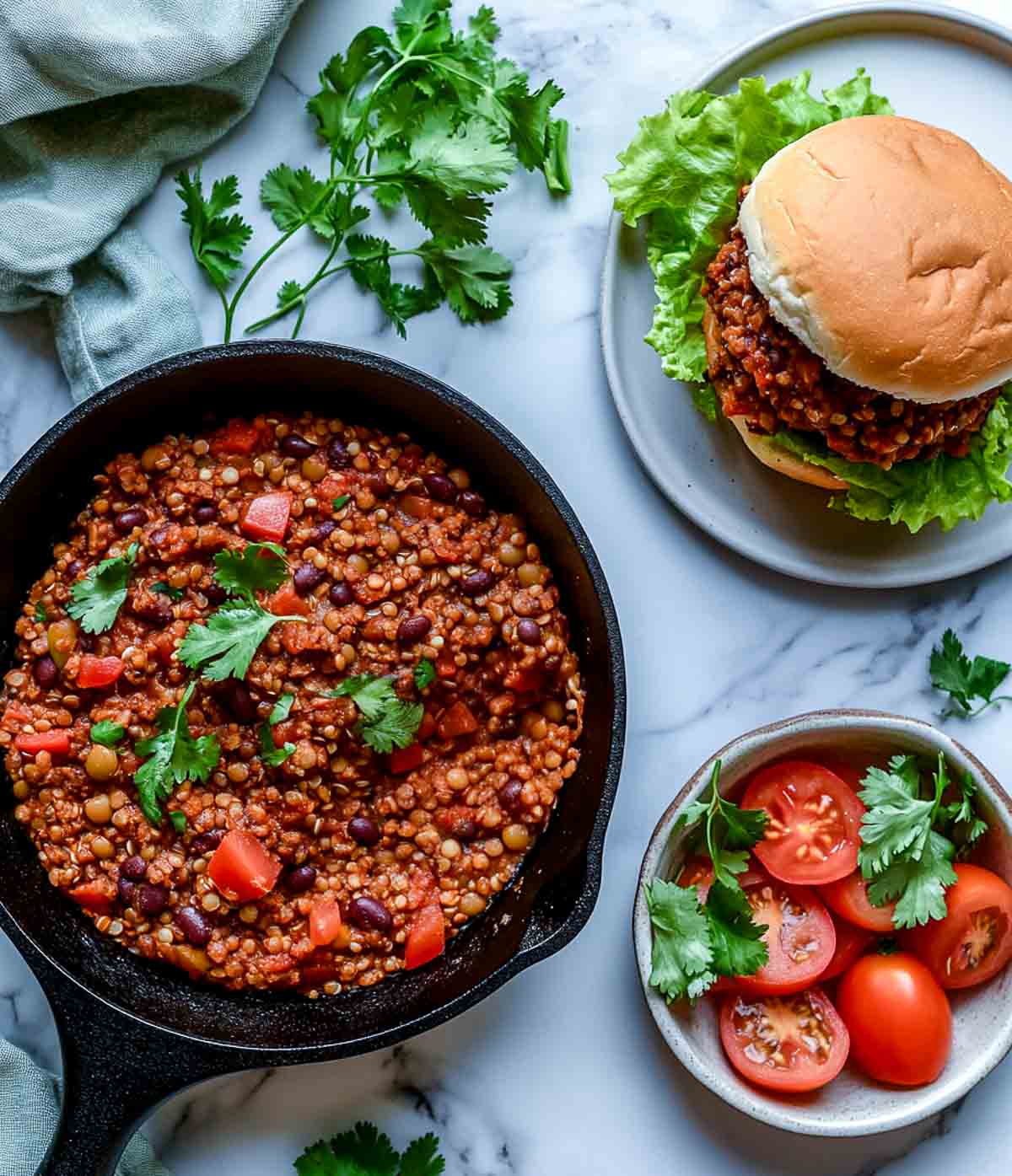
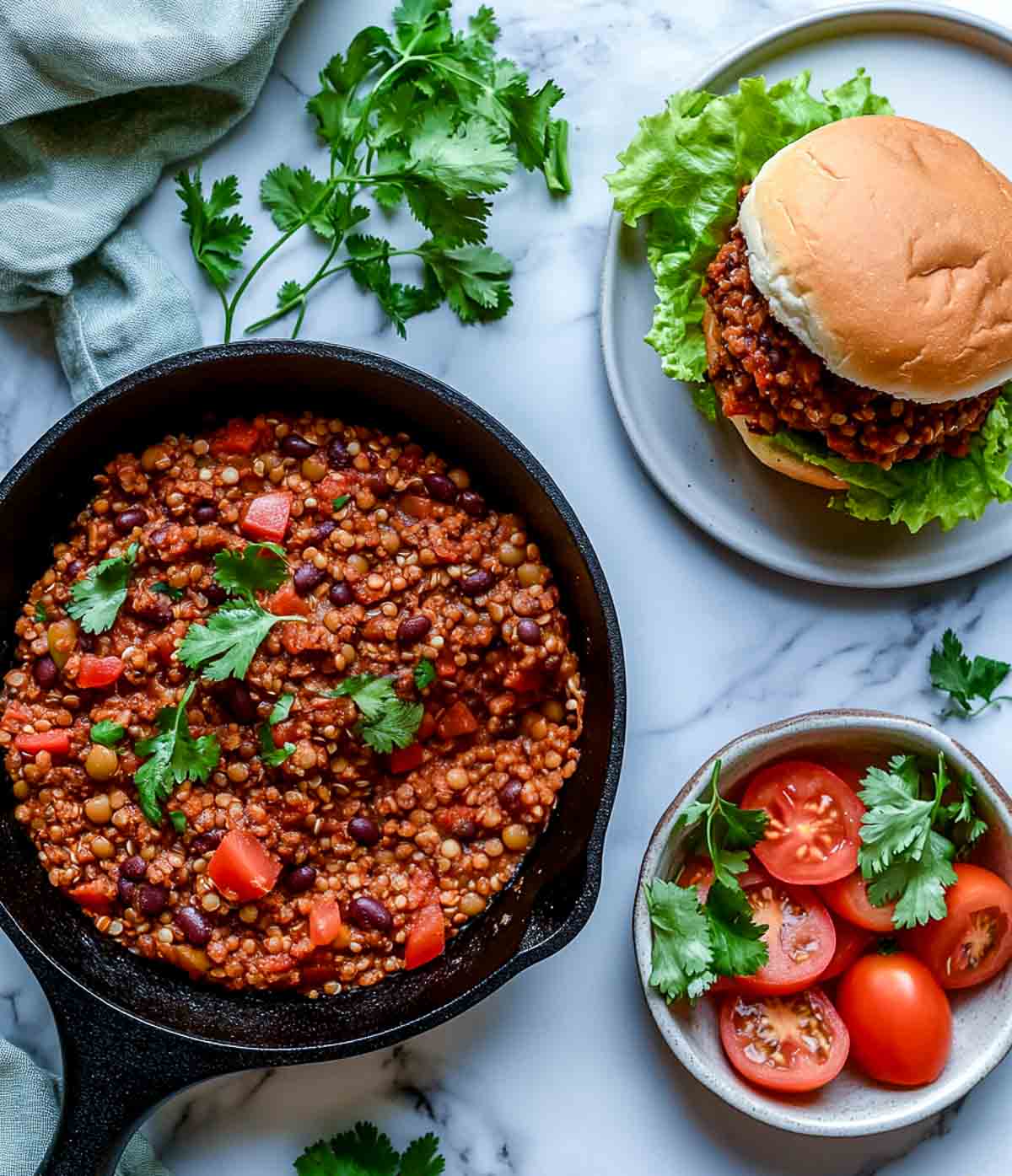
Chili is another crowd-pleaser. Use canned beans (kidney, black, and pinto), diced tomatoes, corn, and chili powder. Add some chopped onions and peppers for extra flavor. A dollop of vegan sour cream or avocado adds a nice finishing touch. It’s hearty, filling, and perfect for a cool evening.
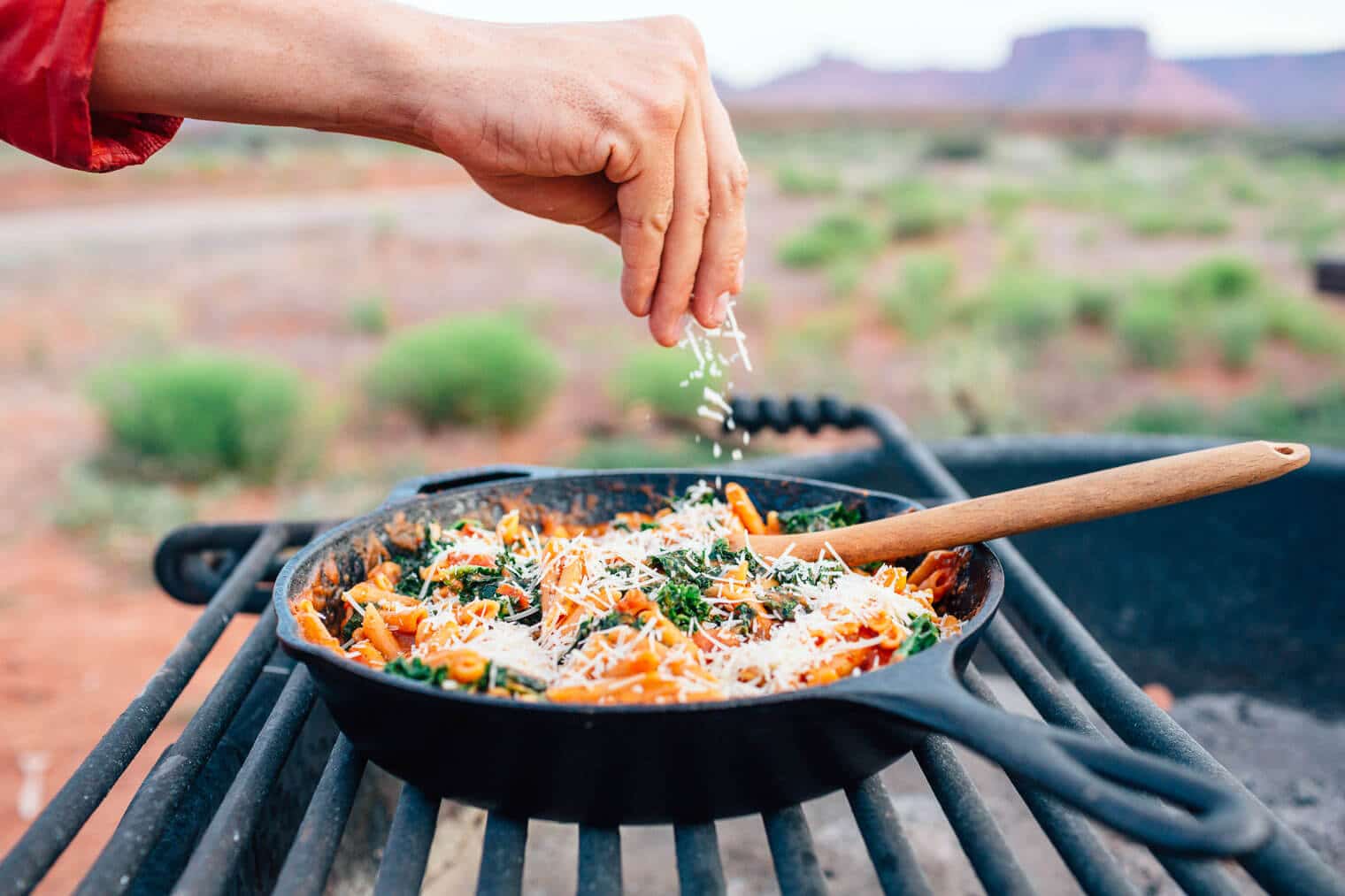
Pasta primavera is a surprisingly easy and delicious option. Cook pasta and then toss it with sautéed vegetables like broccoli, carrots, peas, and zucchini. Add a simple sauce made from olive oil, garlic, lemon juice, and herbs. You can even add some white beans for extra protein.
Black bean soup is another winner. Sauté onions, garlic, and cumin, then add black beans, vegetable broth, and diced tomatoes. Simmer until heated through. Blend a portion of the soup for a creamier texture. Top with cilantro and a squeeze of lime juice.
Quinoa with roasted vegetables is a healthy and satisfying meal. Roast your favorite vegetables – sweet potatoes, Brussels sprouts, and bell peppers work well – and then toss them with cooked quinoa. Season with herbs and spices. This is a great way to use up any leftover vegetables you have.
Shepherd's pie is more involved, but worth the effort. A lentil and vegetable base is topped with mashed sweet potatoes. It’s a comforting and filling meal, perfect for a colder night. It's also a good way to use up any leftover mashed sweet potatoes.
Cooking over a campfire versus a camping stove requires different approaches. Campfires provide a smoky flavor, but can be harder to control the heat. Camping stoves offer more precise temperature control, making it easier to simmer and sauté. Regardless of your cooking method, always practice Leave No Trace principles.
- Lentil Curry: Red lentils, diced tomatoes, coconut milk, curry powder
- Chili: Canned beans, diced tomatoes, corn, chili powder
- Pasta Primavera: Pasta, broccoli, carrots, peas, zucchini, olive oil, garlic
- Black Bean Soup: Black beans, vegetable broth, diced tomatoes, cumin
- Quinoa with Roasted Vegetables: Quinoa, sweet potatoes, Brussels sprouts, bell peppers
- Shepherd’s Pie: Lentils, vegetables, mashed sweet potatoes
Snack Attack: Sustained Energy
Hiking and exploring burn a lot of calories, so having high-energy snacks on hand is essential. Trail mix is a classic for a reason. Make your own by combining nuts, seeds, dried fruit, and a few vegan chocolate chips. Avoid pre-made trail mixes that are often loaded with sugar.
Energy balls are another great option. Combine oats, nut butter, dates, and your favorite add-ins – chia seeds, flax seeds, or shredded coconut. Roll them into balls and refrigerate. They're a perfect little pick-me-up.
Dried fruit, like apricots, raisins, and mangoes, provides a quick source of energy. Nuts and seeds are packed with healthy fats and protein, helping you feel full and satisfied. Vegan jerky is also a fantastic option. I’m a big fan of the Louisville Vegan Jerky Co. – their maple bacon flavor is amazing.
Protein and healthy fats are key for sustained energy. Avoid sugary snacks that will give you a quick boost followed by a crash. Prioritize whole, unprocessed foods that will keep you going for hours.
- Trail Mix: Nuts, seeds, dried fruit, vegan chocolate chips
- Energy Balls: Oats, nut butter, dates, chia seeds
- Dried Fruit: Apricots, raisins, mangoes
- Nuts & Seeds: Almonds, walnuts, sunflower seeds
- Vegan Jerky: Louisville Vegan Jerky Co. (Maple Bacon)
Vegan Camping Fuel: Comparing Energy Snack Options
| Snack Type | Calories (per ounce) | Protein (grams per ounce) | Fat (grams per ounce) | Carbohydrates (grams per ounce) | Energy Density (calories/oz) |
|---|---|---|---|---|---|
| Trail Mix (nut & seed based) | 170-200 | 6-8 | 12-15 | 15-20 | 185 |
| Energy Balls (date & oat based) | 150-180 | 3-5 | 8-10 | 20-25 | 165 |
| Dried Mango | 130-150 | 1-2 | 0-1 | 30-35 | 140 |
| Almonds | 160-170 | 6 | 14 | 6 | 165 |
| Vegan Jerky (soy or mushroom based) | 80-100 | 8-10 | 2-4 | 5-8 | 90 |
| Walnuts | 185 | 4.3 | 18.5 | 3.9 | 185 |
| Pumpkin Seeds | 158 | 7 | 13 | 6 | 158 |
Illustrative comparison based on the article research brief. Verify current pricing, limits, and product details in the official docs before relying on it.
Beyond the Recipe: Food Safety First
Food safety is paramount when camping, especially in bear country. Always store food properly to avoid attracting unwanted visitors. Bear canisters are the most effective way to protect your food from bears. They’re hard-sided containers that bears can’t open.
If bear canisters aren’t required, hanging your food is the next best option. Hang your food bag at least 10 feet off the ground and 4 feet away from the tree trunk. This requires some skill and practice. The National Park Service website (nps.gov) provides detailed instructions on proper food storage techniques.
Keeping food cool is also important. Use a high-quality cooler and replenish ice as needed. Consider pre-freezing some of your food to help it stay cold longer. Proper water purification is equally important. Use a water filter or purification tablets to ensure your water is safe to drink. Giardia and other waterborne illnesses can ruin your trip.
Always be aware of your surroundings and follow all park regulations regarding food storage and bear safety. Attracting a bear can be dangerous for both you and the animal. Remember, a proactive approach to food safety is the best way to ensure a safe and enjoyable camping experience.
Gear Up: Essential Vegan Camping Kitchen
Having the right gear can make vegan camping much easier. A portable camping stove is essential for cooking. The Jetboil Flash Cooking System is a popular choice – it’s lightweight, efficient, and boils water quickly.
You’ll also need cookware, such as a pot and pan. Stainless steel or titanium cookware is lightweight and durable. A cutting board and a sharp knife are essential for food prep. Reusable containers are great for storing leftovers and packing snacks.
A cooler is crucial for keeping food cold. Invest in a high-quality cooler that will hold ice for several days. A water filter is essential for purifying water. The Sawyer Squeeze Water Filter is a popular choice – it’s lightweight, affordable, and filters a large volume of water.
Don't forget utensils – a fork, spoon, and knife. Bamboo utensils are a sustainable option. A biodegradable camp soap and sponge are also essential for cleaning up after meals. Many of these items can be found on Amazon – I’ve included affiliate links to some of my favorites below.
- Camping Stove: Jetboil Flash Cooking System
- Cookware: Stainless steel or titanium pot and pan
- Cutting Board & Knife: Durable and sharp
- Reusable Containers: For storage and packing
- Cooler: High-quality, long-lasting
- Water Filter: Sawyer Squeeze Water Filter
Standout Meals: Worth a Second Look
Out of the 15 meals discussed, the lentil curry and the black bean soup consistently get rave reviews. The lentil curry is incredibly versatile. You can adjust the spice level to your liking and add different vegetables. It’s also a great way to use up any leftover vegetables you have. Nutritionally, lentils are an excellent source of protein and fiber.
The black bean soup is another winner. It’s packed with protein and fiber, and it’s incredibly easy to make. You can add a dollop of vegan sour cream or avocado for extra creaminess and flavor. For a spicier kick, add a pinch of cayenne pepper. It’s also a great meal to make ahead of time and reheat at the campsite.
Both meals are relatively inexpensive to make, requiring mostly pantry staples. The versatility of both recipes means you can adapt them to suit your preferences and available ingredients. They’re perfect for a weekend camping trip or a longer backpacking adventure. They prove that vegan camping food doesn't have to be complicated or boring.
No comments yet. Be the first to share your thoughts!