
Fueling Your Spring Adventure: Why Vegan Camping Food is a Game Changer
There's a quiet revolution happening in the outdoors. Veganism, once seen as a niche lifestyle, is gaining incredible momentum, and it's proving to be a surprisingly natural fit for camping. I've noticed more and more people asking about plant-based options, and honestly, it makes perfect sense. Camping is about simplifying, connecting with nature, and respecting the environment – values that align beautifully with a plant-based ethos.
For years, a common misconception has been that vegan camping means sacrificing flavor, convenience, or even adequate protein. But that simply isn’t true. Plant-based foods can actually enhance a camping experience. They’re often lighter in weight, meaning less strain on your back during those long hikes. They provide sustained energy without the crash associated with heavily processed foods, and with a little planning, you can create incredibly delicious and satisfying meals. I remember one trip to Yosemite where I’d packed a hearty lentil stew – it was the perfect fuel after a day of climbing, and the aroma cooking over the campfire drew envious glances from neighboring campsites.
We'll debunk those myths and show you how to create a menu that's both nourishing and exciting. This isn’t about restriction; it’s about expanding your culinary horizons. It's about discovering how flavorful and versatile plant-based ingredients can be. We're going to share 15 high-energy vegan camping meals, designed to keep you fueled and happy on your spring 2026 adventures. From quick trail snacks to hearty one-pot dinners, we’ve got you covered.
The benefits extend beyond personal well-being, too. A plant-based diet generally has a lower environmental impact than one centered around animal products. Choosing plant-based meals while camping is another way to tread lightly on the planet we’re all here to enjoy. So, let’s get started and unlock the power of plant-based camping nutrition.
The Vegan Camper's Pantry: Essential Ingredients to Pack
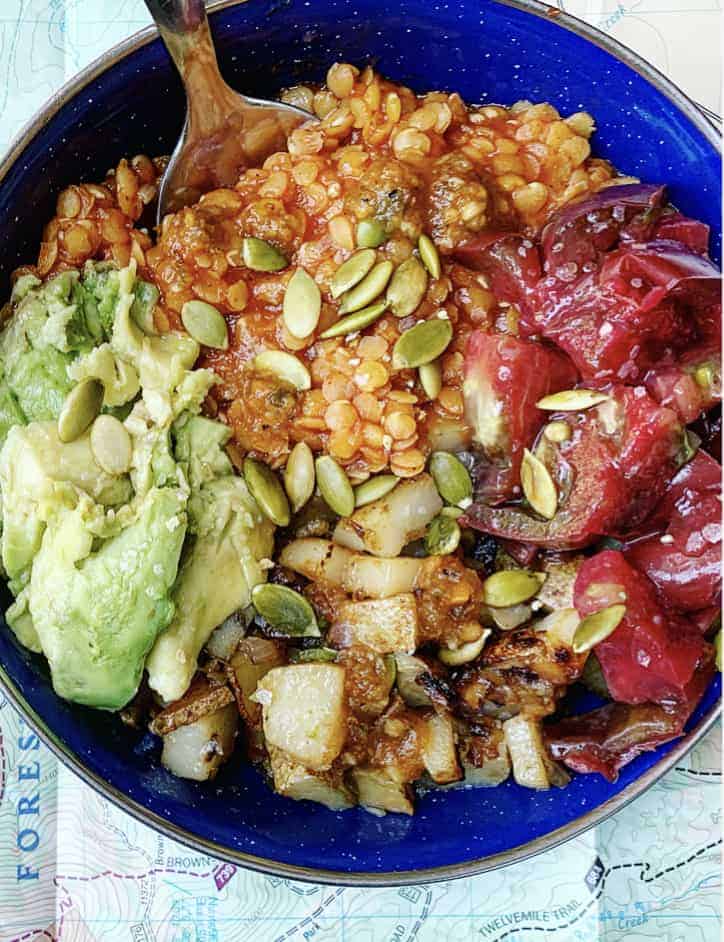
Packing smart is the key to successful vegan camping. You want to minimize weight, reduce waste, and maximize flavor. Start with shelf-stable staples: grains like quinoa, brown rice, and oats are excellent choices. Legumes – lentils, chickpeas, black beans – are protein powerhouses and incredibly versatile. Canned goods, like diced tomatoes or coconut milk, can add convenience, but be mindful of the extra weight.
Produce is important, but choose wisely. Root vegetables like potatoes, carrots, and sweet potatoes travel well. Onions and garlic add flavor to almost any dish. Apples and oranges are relatively durable. Consider dehydrating some fruits and vegetables before your trip to save space and weight. Fresh Off The Grid suggests soy dogs as a convenient protein source, but be sure to pack them properly to avoid spoilage.
Don't underestimate the power of flavor boosters. Nutritional yeast adds a cheesy flavor to sauces and sprinkled over meals. Spices are essential for creating exciting dishes. A small bottle of soy sauce or tamari, a jar of peanut butter, and a tube of hot sauce can transform a simple meal. Proper food storage is absolutely critical, especially in bear country. The National Park Service recommends using bear-resistant canisters or hanging food at least 10 feet off the ground and 4 feet from any tree trunk.
Pre-trip food prep can save you a lot of time and effort at the campsite. Chop vegetables, pre-cook grains, and portion out ingredients into reusable containers or bags. This will streamline your cooking process and reduce cleanup. According to Forks Over Knives, a little preparation ensures a smooth transition to whole food, plant based eating even when you’re outdoors.
- Shelf-Stable Staples: Quinoa, brown rice, oats, lentils, chickpeas, black beans, canned tomatoes, coconut milk
- Durable Produce: Potatoes, carrots, sweet potatoes, onions, garlic, apples, oranges
- Flavor Boosters: Nutritional yeast, spices, soy sauce/tamari, peanut butter, hot sauce
- Bear Safety: Bear-resistant canisters or proper food hanging techniques
Breakfast Boosts: Starting Your Day Right
A hearty breakfast is essential for fueling a day of hiking. Overnight oats are a fantastic option – no cooking required! Combine rolled oats, plant-based milk, chia seeds, and your favorite toppings (berries, nuts, seeds) in a jar the night before, and it’s ready to go in the morning. This provides around 350 calories and 10g of protein per serving.
For a more substantial breakfast, try a hearty breakfast burrito. Sauté sweet potatoes and black beans with your favorite spices, then wrap them in a whole-wheat tortilla with some salsa and avocado. A single burrito offers approximately 450 calories and 15g of protein. It requires a bit of cooking, but the payoff is worth it.
If you’re short on time, a quick granola with nuts and seeds is a good choice. Combine rolled oats, nuts, seeds, and a touch of maple syrup, then bake until golden brown. Pack it in a reusable container for easy snacking on the trail. A half-cup serving clocks in around 200 calories and 5g of protein. Don't underestimate the power of a good breakfast to set the tone for a successful day.
- Overnight Oats: 350 calories, 10g protein (no cook)
- Breakfast Burrito: 450 calories, 15g protein (requires cooking)
- Granola: 200 calories, 5g protein (minimal prep)
Lunchtime Logistics: Quick & Easy Trail Fuel
Lunch on the trail needs to be quick, easy, and portable. Wraps with hummus and veggies are a classic for a reason. Spread hummus on a whole-wheat tortilla, add your favorite chopped vegetables (carrots, cucumbers, bell peppers), and roll it up. This provides around 300 calories and 8g of protein.
Quinoa salad is another excellent option. Cook quinoa ahead of time and combine it with chopped vegetables, beans, and a lemon-tahini dressing. It’s packed with protein and fiber, keeping you feeling full and energized. A cup of quinoa salad delivers roughly 400 calories and 12g of protein.
Energy bites are perfect for a quick energy boost. Combine oats, peanut butter, dates, and chia seeds, then roll them into bite-sized balls. They're a convenient and satisfying snack. Three energy bites offer about 250 calories and 7g of protein. A simple pasta salad with a vinaigrette dressing and added vegetables is also a good option.
When packing lunches for a day hike, use reusable containers to avoid creating waste. Avoid squishing delicate ingredients by packing them carefully. And don't forget to stay hydrated! Carry plenty of water and consider adding an electrolyte powder to replenish lost fluids.
Pack-and-Go Vegan Lunches
- Mediterranean Quinoa Salad - Approximately 550 calories, 15g protein. Combine pre-cooked quinoa (Bob's Red Mill is a widely available brand), chopped cucumber, tomatoes, olives, and chickpeas. Dress with olive oil and lemon juice. Recipe Inspiration
- Peanut Butter & Banana Wraps - Roughly 400 calories, 10g protein. Whole wheat tortillas filled with natural peanut butter (Smucker's is a common brand) and banana slices. Add a sprinkle of chia seeds for extra energy. Recipe Inspiration
- Hummus & Veggie Pita Pockets - Around 350 calories, 8g protein. Whole wheat pita bread stuffed with hummus (Sabra is a popular brand) and a variety of chopped vegetables like carrots, bell peppers, and spinach. Recipe Inspiration
- Trail Mix Power Bowl - Approximately 600 calories, 12g protein. A base of rolled oats (Quaker Oats are widely available) topped with a generous mix of nuts (almonds, walnuts), seeds (pumpkin, sunflower), dried fruit (raisins, cranberries), and a drizzle of maple syrup. Recipe Inspiration
- Black Bean & Corn Salad with Tortilla Chips - About 450 calories, 14g protein. Combine canned black beans (Eden Foods is an organic option), corn, diced red onion, and cilantro. Dress with lime juice and a dash of cumin. Serve with whole grain tortilla chips (Late July Organic are a good choice). Recipe Inspiration
- Vegan Chickpea Salad Sandwich (on whole wheat) - Approximately 420 calories, 16g protein. Mashed chickpeas mixed with vegan mayonnaise (Hellmann's Vegan Mayonnaise is readily available), celery, onion, and seasonings, served on whole wheat bread. Recipe Inspiration
Dinner Delights: One-Pot Vegan Wonders
One-pot meals are a lifesaver when camping – fewer dishes mean more time enjoying the outdoors. A lentil curry is a hearty and flavorful option. Sauté onions, garlic, and ginger, then add lentils, diced tomatoes, coconut milk, and your favorite curry powder. Simmer until the lentils are tender. This is a complete meal, providing around 500 calories and 20g of protein.
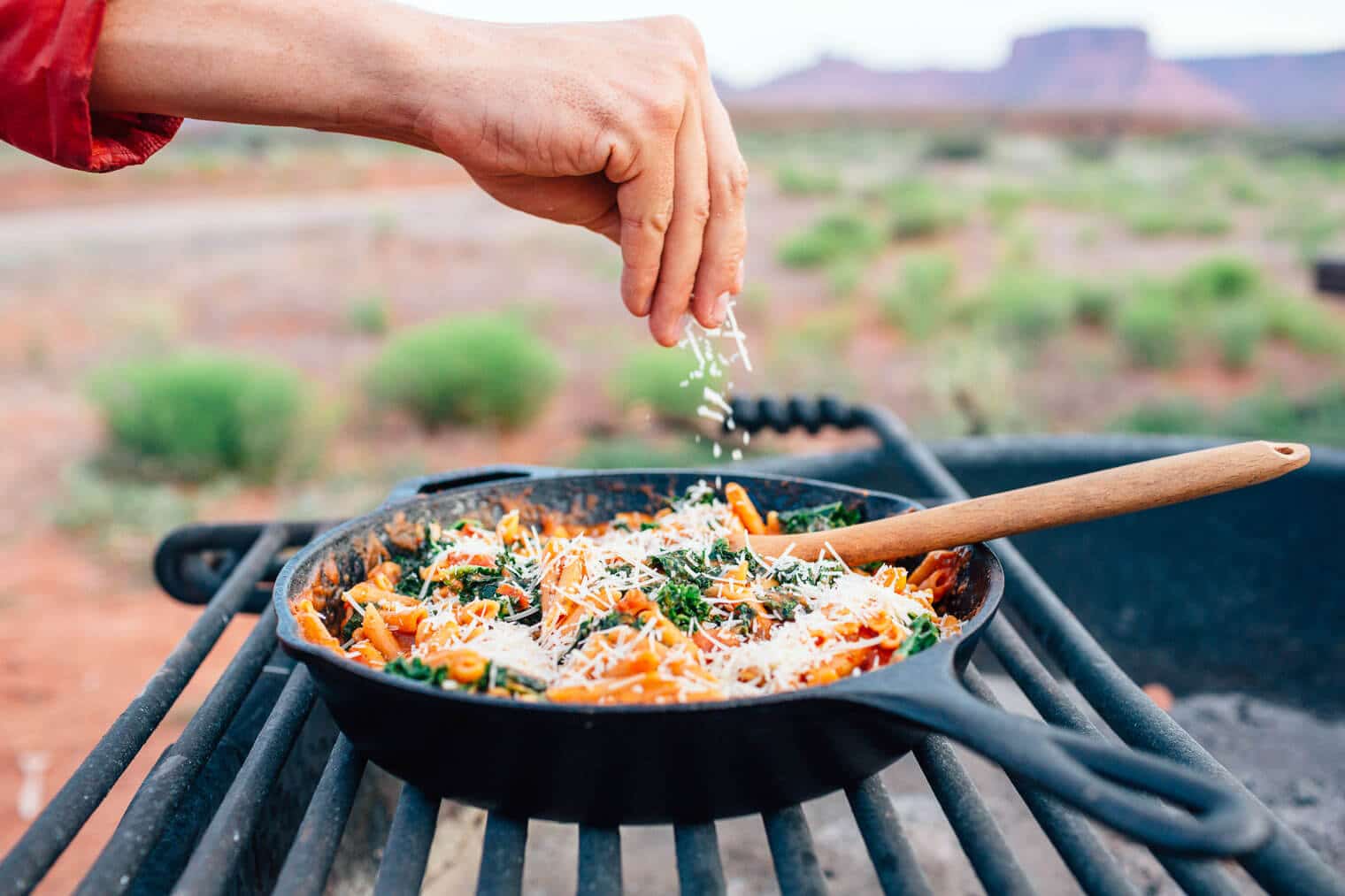
Chili is another classic that's easily veganized. Sauté onions, peppers, and garlic, then add beans, diced tomatoes, and chili powder. Simmer for at least 30 minutes to allow the flavors to meld. A bowl of chili delivers approximately 450 calories and 18g of protein. Pasta primavera is a lighter but equally satisfying choice. Sauté your favorite vegetables (broccoli, carrots, peas) and toss them with pasta and a lemon-garlic sauce.
Black bean soup is a simple and nutritious meal. Sauté onions and garlic, then add black beans, vegetable broth, and spices. Simmer until the beans are tender. A bowl of black bean soup provides around 350 calories and 15g of protein. For something a little different, try a Moroccan tagine with chickpeas, vegetables, and dried fruit. Or a shepherd's pie with a lentil base topped with mashed sweet potatoes – a comforting and filling meal.
Don’t forget a spicy peanut noodle dish! Cook noodles, then toss them with a peanut sauce made from peanut butter, soy sauce, lime juice, and chili garlic sauce. Add some chopped vegetables for extra flavor and texture. These recipes are easily adaptable to dietary needs. Use gluten-free pasta or tamari instead of soy sauce for gluten-free versions. Adjust the spice level to your preference.
Sweet Treats & Energy Boosters: Vegan Camping Desserts
Even while camping, a little sweetness can go a long way. A simple fruit crumble, cooked in a Dutch oven, is a comforting dessert. Top sliced apples or berries with a crumble made from oats, flour, and vegan butter. A serving provides around 300 calories and 5g of protein.
Energy balls are also a great dessert option. Combine oats, dates, nuts, seeds, and cocoa powder, then roll them into bite-sized balls. They’re packed with energy and nutrients. Three energy balls offer approximately 250 calories and 7g of protein. And for something a little more decadent, try a chocolate avocado mousse – it’s surprisingly delicious and provides healthy fats.
These treats can provide a quick energy boost after a long hike, but remember to enjoy them in moderation. Mindful snacking is key – pay attention to your body’s hunger cues and choose snacks that will fuel your adventures.
Staying Hydrated: Vegan-Friendly Electrolyte Options
Hydration is just as important as food, especially during strenuous activity. Water is essential, but electrolytes are also crucial for maintaining proper fluid balance. Coconut water is a natural source of electrolytes, providing potassium, sodium, and magnesium. Fruits like bananas and oranges also contain electrolytes.
You can also make your own electrolyte drink by combining water, lemon juice, a pinch of salt, and a touch of maple syrup. Several commercial vegan electrolyte powders are available, such as those from Nuun or LMNT (always check ingredients to ensure they meet your dietary needs). These powders are convenient for adding to your water bottle on the go.
Recognizing the signs of dehydration is key. Symptoms include thirst, headache, fatigue, dizziness, and dark-colored urine. If you experience any of these symptoms, stop and drink water immediately. Prevention is always the best medicine – drink water consistently throughout the day, even if you don’t feel thirsty.
Vegan Electrolyte Source Comparison for Camping
| Source | Cost | Convenience | Sugar Content | Electrolyte Level |
|---|---|---|---|---|
| Coconut Water | Moderate | Good | Moderate | Good source of Potassium |
| Fruit Juice (Orange, Apple) | Moderate | Good | Higher | Potassium, some Sodium |
| Commercial Electrolyte Powder | Higher | Very Good (easy to mix) | Variable - often Higher | Formulated for balanced electrolytes |
| Homemade Electrolyte Mix (Salt, Potassium Chloride, Lemon Juice) | Lower | Requires Preparation | Lower (controlled by recipe) | Customizable electrolyte balance |
| Maple Water | Higher | Good | Moderate | Potassium, Manganese |
| Electrolyte Tablets | Moderate | Good | Typically Lower | Balanced electrolytes, compact |
Qualitative comparison based on the article research brief. Confirm current product details in the official docs before making implementation choices.
Leave No Trace: Vegan Camping & Environmental Responsibility
Veganism and environmental responsibility go hand in hand. As conscious consumers, we have a responsibility to minimize our impact on the natural world. Practicing Leave No Trace principles is crucial when camping. Pack out all trash, including food scraps and packaging. Minimize food waste by planning your meals carefully and bringing only what you need.
Use biodegradable soap for washing dishes and yourself. Stay on designated trails to avoid damaging vegetation. Respect wildlife and observe them from a distance. By following these simple guidelines, we can all help protect the beautiful places we love to explore. Visit the Leave No Trace Center for Outdoor Ethics website (https://lnt.org/) for more information.
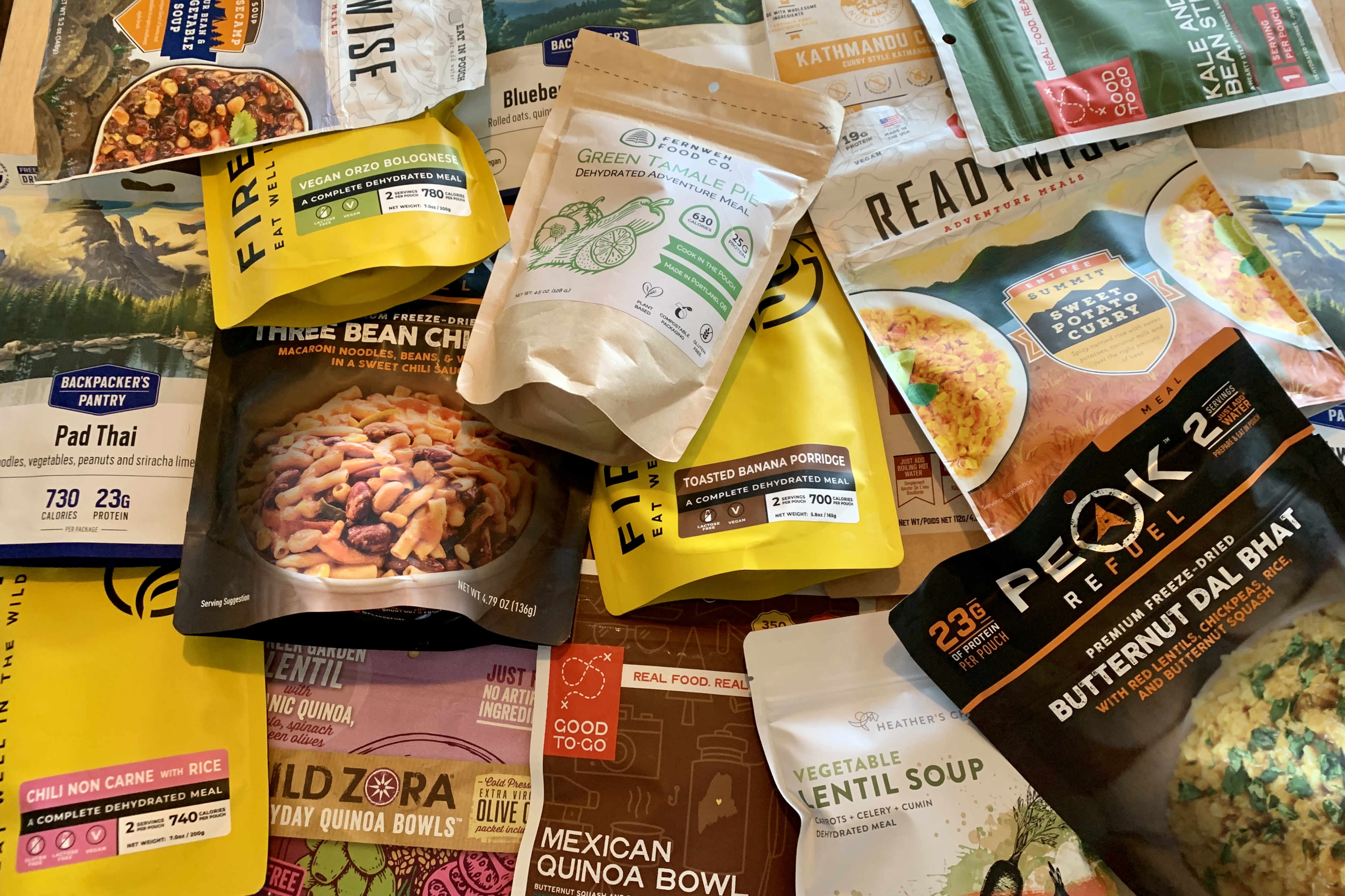
Checking out this range of vegan camping meals. #ProductPlacement pic.twitter.com/7j8J74x1yE
— 🏴 Gary O. (@TheNudeYogi) June 19, 2024
No comments yet. Be the first to share your thoughts!