

Campfire cooking made simple
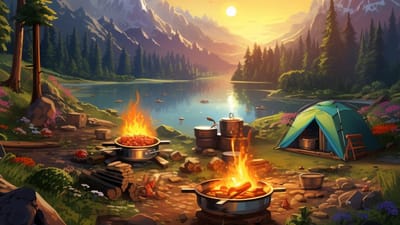
There's something truly special about cooking over an open fire. The smoky flavor, the crackling wood, the feeling of being connected to nature – it's an experience unlike any other. But let’s be honest, camping can also be a hassle. Packing everything in, setting up camp, and then the dreaded dishwashing… it can sometimes overshadow the enjoyment. That’s where one-pot meals come in.
I used to dread the cleanup after a camping meal. So many pots and pans, limited water, and the struggle to scrub everything clean. Then I discovered the magic of one-pot cooking. Suddenly, meals were simpler, cleanup was a breeze, and I had more time to actually enjoy the outdoors. It changed my camping game completely.
The popularity of outdoor cooking has surged in recent years. Post-2020 saw a huge increase in people seeking refuge in nature, and with that came a renewed interest in camping and outdoor skills. Whether you’re a seasoned camper or a first-timer, one-pot meals are a fantastic way to make your outdoor cooking experience more enjoyable. Below, you’ll find twelve nutritious and delicious recipes to get you started.
Gear Essentials: Beyond the Pot
Okay, so you’re sold on one-pot cooking. But it’s not just about the pot itself. Having the right gear can make the whole process much smoother and more efficient. A good Dutch oven is a cornerstone of campfire cooking. You’ll find them in both cast iron and enamel-coated versions.
Cast iron is fantastic for even heat distribution and durability, but it’s heavy. Seriously heavy. An enamel-coated Dutch oven is lighter, easier to clean, and doesn’t require seasoning, but it's more prone to chipping. For backpackers, weight is a major concern, so a lighter titanium or aluminum pot might be a better choice, even if it means sacrificing some of the heat retention of cast iron.
Beyond the pot, you’ll need long-handled utensils to keep your hands safe from the heat, a sturdy tripod or grate to suspend the pot over the fire, and a cutting board for prepping ingredients. A reliable fire starter is also essential, along with basic safety gear like gloves and a fire extinguisher. Don’t overthink it, but having the right tools will make your life easier.
Prep Work: Winning Before You Leave
This is where you can really set yourself up for success. A huge time saver is prepping as many ingredients as possible at home. Chop those vegetables, measure out your spices, and even pre-cook grains like quinoa or rice. It takes a little effort upfront, but it pays off big time when you’re trying to cook a meal after a long day of hiking.
I like to use mason jars and reusable containers to store prepped ingredients. Label everything clearly – trust me, you’ll thank yourself later. My system involves masking tape and a permanent marker, but there are fancier options available. The goal is to have everything organized and ready to go when you reach the campsite.
Minimizing waste is also crucial. Pack out everything you pack in, including food scraps and packaging. Consider reusable food wraps and containers to reduce your reliance on plastic. A little planning goes a long way in keeping your campsite clean and protecting the environment.
12 One-Pot Camping Recipes
Here are twelve nutritious one-pot recipes designed for minimal cleanup and maximum flavor.
Lentil Soup: A hearty, protein-packed classic. Sauté onions and carrots, then add lentils, broth, and spices like cumin, coriander, and turmeric. Simmer until tender. (Inspired by 101cookbooks.com)
Black Bean Chili: A crowd-pleaser. Combine canned black beans, diced tomatoes, corn, and chili powder. Add ground meat if desired, or serve vegetarian. Top with avocado and sour cream (or vegan alternative). (Inspired by freshoffthegrid.com)
Pasta Primavera: A lighter option. Sauté seasonal vegetables (broccoli, zucchini, bell peppers), then toss with pasta and a lemon-garlic sauce. (Based on a recipe from 101cookbooks.com)
Chickpea Curry: Combine canned chickpeas, coconut milk, diced tomatoes, and curry powder. Add spinach or kale for nutrients. Serve with rice or naan.
Quinoa with Roasted Vegetables: Roast vegetables (sweet potatoes, Brussels sprouts, onions), then toss with cooked quinoa, olive oil, herbs, and spices.
Campfire Paella (Simplified): Combine Arborio rice, chicken broth, chorizo, shrimp, and peas. (Adapted from freshoffthegrid.com)
Cowboy Stew: Brown beef cubes, then add potatoes, carrots, onions, and beef broth. Simmer until beef is tender.
One-Pot Mac & Cheese: Cook pasta in milk and broth, then stir in cheese until melted. (Based on variations from freshoffthegrid.com)
Breakfast Hash: Dice and cook potatoes, onions, and peppers until tender. Add sausage or bacon, and top with fried eggs.
Apple Crumble: Combine sliced apples with a crumble topping (flour, butter, sugar). Bake in the Dutch oven until golden brown. (From 101cookbooks.com)
Chocolate Lava Cake: Prepare a boxed cake mix according to instructions, cooking in the Dutch oven over low heat. (Campfire version from freshoffthegrid.com)
Vegan Standouts: Flavor Without Limits
Don't let anyone tell you that vegan camping food is boring. Several of the recipes above are naturally vegan, and the others can be easily adapted. I want to highlight the Chickpea Curry, the Lentil Soup, and the Quinoa with Roasted Vegetables as particularly delicious and satisfying vegan options.
The Chickpea Curry is a flavor bomb. The coconut milk adds richness, and the curry powder provides a warm, aromatic spice. Experiment with different vegetables and levels of spice to create your perfect version. For the Lentil Soup, a squeeze of lemon juice at the end brightens up the flavors.
Quinoa with Roasted Vegetables is incredibly versatile. You can use any vegetables you like, and the quinoa provides a complete protein source. I’ve found that adding a sprinkle of nutritional yeast gives it a cheesy flavor. I've often been asked how I adapt recipes to be vegan while camping, and the answer is usually simple substitutions – plant-based milk for dairy, nutritional yeast for cheese, and vegetable broth for meat-based broths.
Cleanup Strategies: Leave No Trace
One-pot cooking definitely simplifies cleanup, but it’s not entirely hands-off. Cleaning a Dutch oven over a campfire requires a little effort. Start by scraping out any leftover food. Then, use sand and hot water to scrub the pot clean. Avoid using too much soap, as it can harm the environment.
Biodegradable soap is a good option, but even then, use it sparingly. Properly dispose of dishwater at least 200 feet away from any water source. I once accidentally poured dishwater into a stream, and it was a humbling reminder of the importance of Leave No Trace principles.
Rinsing well is key. You want to remove all traces of soap and food particles. Let the pot dry completely before packing it away. A little bit of preventative care will keep your Dutch oven in good condition for years to come.
Food Safety in the Outdoors
Keeping food safe is paramount when camping. Proper storage is essential. Use a cooler with plenty of ice to keep perishable items cold. In bear country, you must store food in a bear canister or hang it from a tree, following the guidelines of the local park or forest service.
Cook food thoroughly to kill any harmful bacteria. Use a food thermometer to ensure that meat and poultry reach the proper internal temperature. Be mindful of cross-contamination – use separate cutting boards and utensils for raw and cooked foods.
I am not a food safety expert, so for comprehensive guidance, I recommend checking out the USDA’s food safety website () or the National Park Service’s bear safety information ().
Beyond the Recipes: Inspiration & Resources
These twelve recipes are just a starting point. There's a whole world of campfire cooking out there to explore! For more inspiration, I highly recommend checking out 101cookbooks.com and freshoffthegrid.com – both are fantastic resources for outdoor cooking.
There are also many excellent camping cookbooks available. Consider exploring options specific to your dietary needs or cooking style. And don’t forget to familiarize yourself with the Leave No Trace Center for Outdoor Ethics () to ensure you’re minimizing your impact on the environment.
Most importantly, experiment and have fun! Campfire cooking is about more than just following a recipe. It’s about connecting with nature, enjoying good food, and creating memories that will last a lifetime.

No comments yet. Be the first to share your thoughts!