
Beyond ramen: rethinking camp food
I remember one camping trip in particular, a supposed escape into the wilderness, where the highlight of each day was… a packet of ramen. It filled a hole, sure, but left me feeling sluggish and strangely unsatisfied. The whole point of being outdoors, for me, is feeling good – energized and connected to the environment. That’s where the idea of the "Camp Diet’ comes in. It’s not about restriction, it"s about prioritizing nutrient-dense, easy-to-prepare meals that fuel your adventures.
For too long, camping food has been synonymous with processed, shelf-stable convenience. While there’s a time and place for a quick snack, relying solely on these options can leave you feeling depleted and hinder your enjoyment of the outdoors. Think about it: you’re likely more physically active while camping than you are in your daily life, so your body demands better fuel. Better fuel means better hiking, better mood, and a more fulfilling experience.
I don't follow a strict rulebook for camp food. It's just a shift in how you pack. You don't have to settle for salt-heavy packets just because you're miles from a store. This 7-day menu focuses on one-pot meals that actually taste like real food without keeping you stuck at the stove all evening.
This menu is designed for two people, and leans heavily toward vegan options. Plant-based meals are often lighter, easier to digest at altitude, and require less specialized storage. But don’t let the vegan focus deter you – these recipes are adaptable to suit a range of preferences. We'll focus on one-pot wonders and minimal cleanup, because let’s be honest, nobody wants to spend their vacation scrubbing dishes.
Keeping bears and bacteria away
Okay, let’s talk about the less glamorous side of camping: food safety. It’s not just about avoiding a stomach ache; in bear country, it’s about protecting yourself and the wildlife. The Food Safety and Inspection Service (FSIS) provides excellent guidelines on proper food handling while camping (fsis.usda.gov). Their primary recommendation? Keep food contained and secured.
If you're camping in bear country, a bear-resistant canister is your best bet. These hard-sided containers are designed to withstand a bear’s attempts to get inside. If a canister isn’t feasible, you’ll need to hang your food bag properly – at least 10 feet off the ground and 4 feet from any tree trunk. This takes practice and isn't foolproof, so a canister is always preferable. Never, ever keep food in your tent.
Beyond bears, general food safety practices are crucial. Prevent cross-contamination by using separate cutting boards and utensils for raw and cooked foods. Keep perishable foods cool – a cooler with plenty of ice packs is essential. If you’re relying on natural water sources, always purify it using a filter, purification tablets, or by boiling it for at least one minute. Proper hand hygiene is also paramount; wash your hands frequently with soap and water, or use hand sanitizer.
Don’t forget about packing out all your trash, including food scraps. Leaving food behind attracts animals and can create problems for other campers. And finally, be mindful of altitude sickness. Staying well-hydrated is key, and avoid heavy, greasy meals that can exacerbate symptoms. Drink plenty of water throughout the day, even if you don’t feel thirsty.
- Use bear-resistant canisters when possible.
- If hanging food, ensure it’s 10 feet off the ground and 4 feet from the trunk.
- Keep perishable foods cold in a well-insulated cooler.
- Purify all water from natural sources.
- Practice frequent hand hygiene.
- Pack out all trash.
Fueling for the trail
Hiking all day burns through energy faster than a normal workday. You need a mix of carbs for the climbs and protein to keep your legs from feeling like lead the next morning.
Carbohydrates are your primary energy source, especially for high-intensity activities like hiking. Quick-absorbing carbs, like fruit, provide a rapid boost, while slow-releasing carbs, like whole grains and sweet potatoes, offer sustained energy. Timing is important – consume quick carbs before or during a strenuous hike, and slow carbs with meals to keep you going for hours. Protein is essential for muscle recovery and repair. Aim for a source of protein with each meal and snack.
Fats provide a concentrated source of energy and help you feel full and satisfied. Healthy fats, like those found in nuts, seeds, and avocados, are particularly beneficial. I'm not advocating for a high-fat diet, but don't shy away from incorporating healthy fats into your meals. They’re especially important if you're engaging in long-duration activities.
A good starting point for macronutrient ratios during a physically active camping trip is roughly 50-60% carbohydrates, 20-30% protein, and 20-30% fats. This is a general guideline, and your individual needs may vary depending on your activity level, metabolism, and personal preferences. As noted on Instagram, packing easy, high-protein foods is a good starting point for sustained energy (instagram.com).
- Carbs like fruit and whole grains provide the immediate energy needed for steep climbs.
- Protein: Muscle recovery and repair (beans, lentils, nuts).
- Fats: Sustained energy and satiety (avocados, seeds).
Fueling Your Hike: Macronutrient Recommendations
| Activity Level | Carbohydrate Percentage | Protein Percentage | Fat Percentage |
|---|---|---|---|
| Light (e.g., leisurely strolls, setting up camp) | 50-60% | 15-20% | 20-35% |
| Moderate (e.g., day hiking on relatively flat terrain) | 55-65% | 20-25% | 20-30% |
| Strenuous (e.g., steep inclines, backpacking with a heavy load) | 60-70% | 20-25% | 20-30% |
| Very Strenuous (e.g., multi-day backpacking, high altitude climbing) | 65-75% | 20-25% | 15-25% |
| Recovery (post-hike, camp relaxation) | 40-50% | 25-30% | 30-40% |
Illustrative comparison based on the article research brief. Verify current pricing, limits, and product details in the official docs before relying on it.
7-Day Camping Menu: Recipes & Prep
Here’s a 7-day vegan camping menu designed for two people, focusing on one-pot meals and minimal cleanup. Prep times are estimates and can vary depending on your skill level. Quantities are based on moderate activity levels; adjust as needed. Remember to pre-chop vegetables and measure out ingredients at home to save time and effort at the campsite.
Day 1: Lentil Stew & Quinoa Salad – Prep Time: 20 minutes. Lentil stew (1 cup red lentils, 4 cups vegetable broth, 1 diced onion, 2 diced carrots, 1 tsp cumin, 1/2 tsp turmeric) simmered for 25 minutes. Quinoa salad (1 cup cooked quinoa, 1/2 cup chopped cucumber, 1/4 cup chopped parsley, lemon juice, olive oil).
Day 2: Bean Burritos & Fruit Salad – Prep Time: 15 minutes. Black bean burritos (canned black beans, salsa, avocado, tortillas). Fruit salad (pre-chopped apples, oranges, bananas).
Day 3: Oatmeal with Nuts & Seeds & Trail Mix – Prep Time: 5 minutes. Oatmeal (rolled oats, plant-based milk, nuts, seeds, berries). Trail mix (nuts, seeds, dried fruit, dark chocolate).
Day 4: Coconut Curry & Rice – Prep Time: 25 minutes. Coconut curry (canned coconut milk, diced sweet potatoes, chickpeas, spinach, curry powder). Served with pre-cooked rice.
Day 5: Pasta Primavera – Prep Time: 20 minutes. Pasta with pre-cut vegetables (broccoli, bell peppers, zucchini) and a simple tomato sauce.
Day 6: Chickpea Salad Sandwiches & Carrot Sticks – Prep Time: 10 minutes. Chickpea salad (mashed chickpeas, vegan mayo, celery, onion) on whole-wheat bread. Carrot sticks with hummus.
Day 7: Quinoa Bowl with Roasted Vegetables – Prep Time: 30 minutes. Quinoa bowl (cooked quinoa, roasted sweet potatoes, broccoli, and bell peppers with a tahini dressing).
These recipes are easily adaptable. Feel free to swap out vegetables, add spices, or adjust the quantities to suit your preferences. If you have dietary restrictions, such as a gluten intolerance, simply use gluten-free alternatives. Don't be afraid to experiment and create your own camping culinary masterpieces.
- Tip: Pre-chop vegetables at home to save time.
- Tip: Use shelf-stable plant-based milk.
- Tip: Pack spices in small, reusable containers.
The Shopping List: Simplify Your Pack
Here’s a comprehensive shopping list based on the 7-day menu, designed to simplify your packing process. Quantities are for two people. I’ve categorized items to make shopping easier. Remember to check your pantry before heading to the store to avoid duplicates.
Produce: Apples (4), Oranges (4), Bananas (4), Sweet Potatoes (4 medium), Onions (2), Carrots (1 lb), Cucumber (1), Broccoli (1 head), Bell Peppers (2), Zucchini (1), Spinach (1 bag), Celery (2 stalks).
Pantry: Rolled Oats (1 container), Quinoa (1 bag), Rice (1 bag), Lentils (1 bag), Black Beans (2 cans), Chickpeas (2 cans), Pasta (1 box), Tortillas (1 package), Whole-Wheat Bread (1 loaf), Vegetable Broth (4 cartons), Coconut Milk (2 cans), Salsa (1 jar), Tomato Sauce (1 jar).
Spices: Cumin (1 container), Turmeric (1 container), Curry Powder (1 container), Tahini (1 jar), Salt, Pepper. Other: Nuts (1 bag), Seeds (1 bag), Dried Fruit (1 bag), Dark Chocolate (1 bar), Vegan Mayo (1 jar), Hummus (1 container), Olive Oil (1 bottle), Lemon Juice (1 bottle).
- Optional: Coffee, Tea, Condiments (ketchup, mustard)
- Shelf-Stable Alternatives: Powdered milk, dehydrated vegetables
The gear you actually need
Having the right gear can make all the difference between a frustrating cooking experience and a culinary adventure. A lightweight stove is essential, and there are several options to choose from. Propane stoves are reliable and easy to use, while butane stoves are more compact. Alcohol stoves are the lightest option, but they require more skill to operate.
You’ll also need cookware – a pot and pan are the basics. Consider nesting cookware sets to save space. Utensils, including a spork, knife, and cutting board, are also essential. Food storage containers, such as reusable bags or containers, are crucial for keeping your food organized and protected. A water filter or purifier is a must-have for accessing safe drinking water.
I recommend investing in a lightweight and packable stove. The MSR PocketRocket 2 is a popular choice for its compact size and reliable performance. For cookware, the Sea to Summit Alpha Light set is a great option. A good water filter, like the Sawyer Squeeze, is also a worthwhile investment. Don’t forget biodegradable soap and a sponge for cleaning up.

Snack Attacks: Fueling Mid-Hike
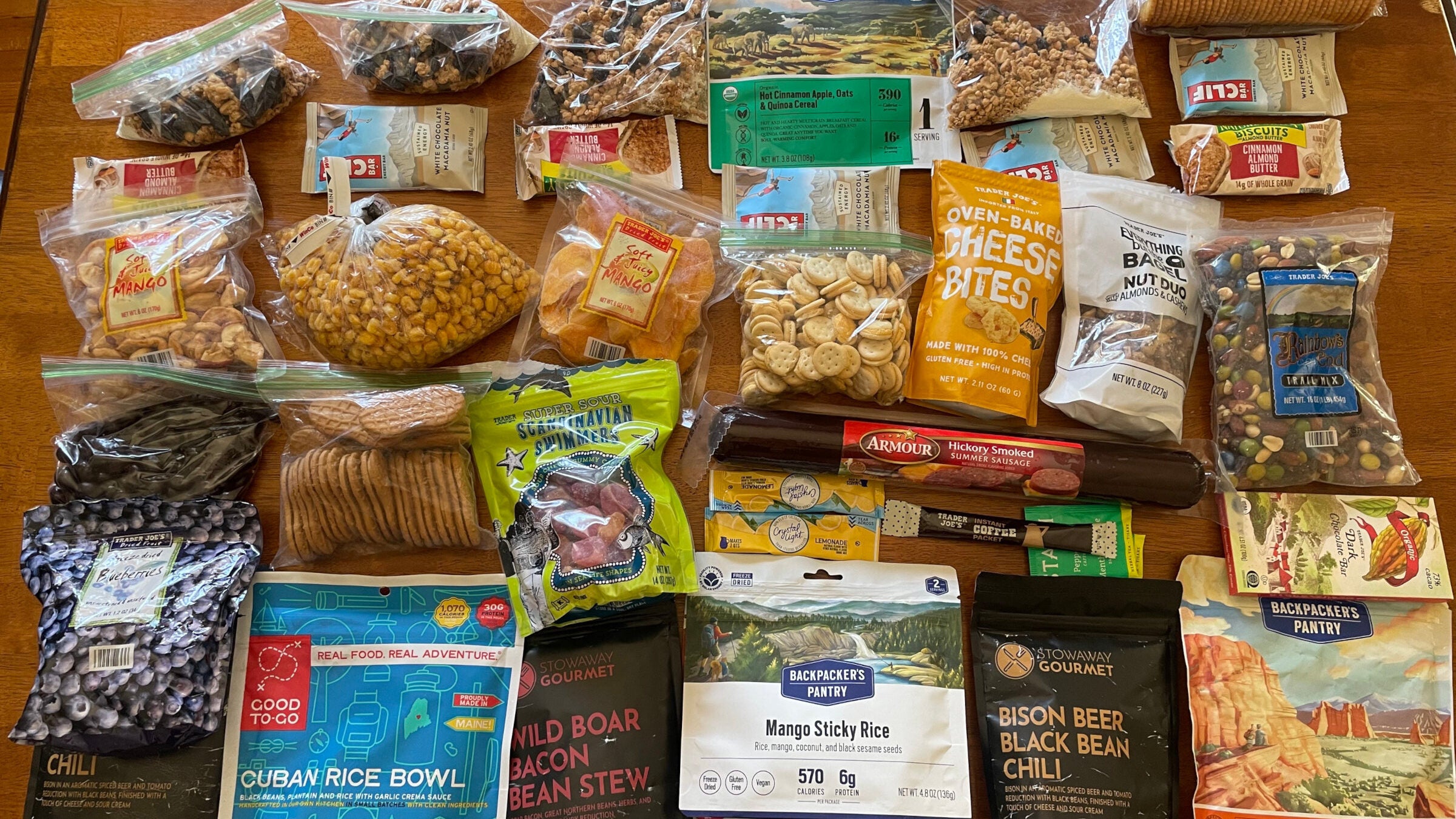
Even with well-planned meals, you’ll likely need snacks to keep your energy levels up between meals. The Adventure Bite has a lot of inspiration for camping snacks (theadventurebite.com). Choose snacks that are portable, nutrient-dense, and easy to digest. Avoid sugary snacks that will give you a quick boost followed by a crash.
Trail mix is a classic for a reason – it provides a good balance of carbs, protein, and fats. Energy bars are convenient, but scrutinize the ingredient list; look for bars with whole-food ingredients and minimal added sugar. Dried fruit, nuts, and seeds are also excellent options. For a savory snack, consider jerky (vegan options are available!).
Portion control is key. Pre-portion your snacks into individual bags to avoid overeating. The amount of snacks you need will depend on your activity level and the duration of your hike. As a general guideline, aim for 150-300 calories per hour of moderate activity.
- Snack Ideas: Trail mix, energy bars, dried fruit, nuts, seeds, vegan jerky.
- Portion Control: Pre-portion snacks into individual bags.
- Timing: Consume snacks every 1-2 hours during activity.
No comments yet. Be the first to share your thoughts!