

New bear country rules for 2026
Camping in bear country is a fantastic experience, but it demands respect and preparedness. I know many of you are likely feeling some anxiety about the upcoming changes to food storage regulations, and that’s perfectly understandable. The truth is, we’re seeing an increase in human-bear interactions across the country, and that’s prompting a reevaluation of best practices.
Data from the National Park Service shows a consistent rise in reported bear incidents over the last decade. This isn’t necessarily because bears are becoming more aggressive; it’s often because they’re learning to associate humans with food. The new regulations coming into effect in 2026 aren’t meant to punish campers; they’re about breaking that association and protecting both people and bears.
The Interagency Grizzly Bear Committee (IGBC) sets the standards for these containers. Because bear behavior varies by region, the IGBC is pushing for more consistent requirements across different parks and forests so you don't have to guess which gear works where.
Ultimately, these regulations are about responsible recreation. They’re about ensuring that future generations can enjoy the wilderness without jeopardizing the safety of either campers or the bears that call these areas home. It's a shift towards proactive prevention, acknowledging that a fed bear is a bear that’s more likely to become a problem bear.
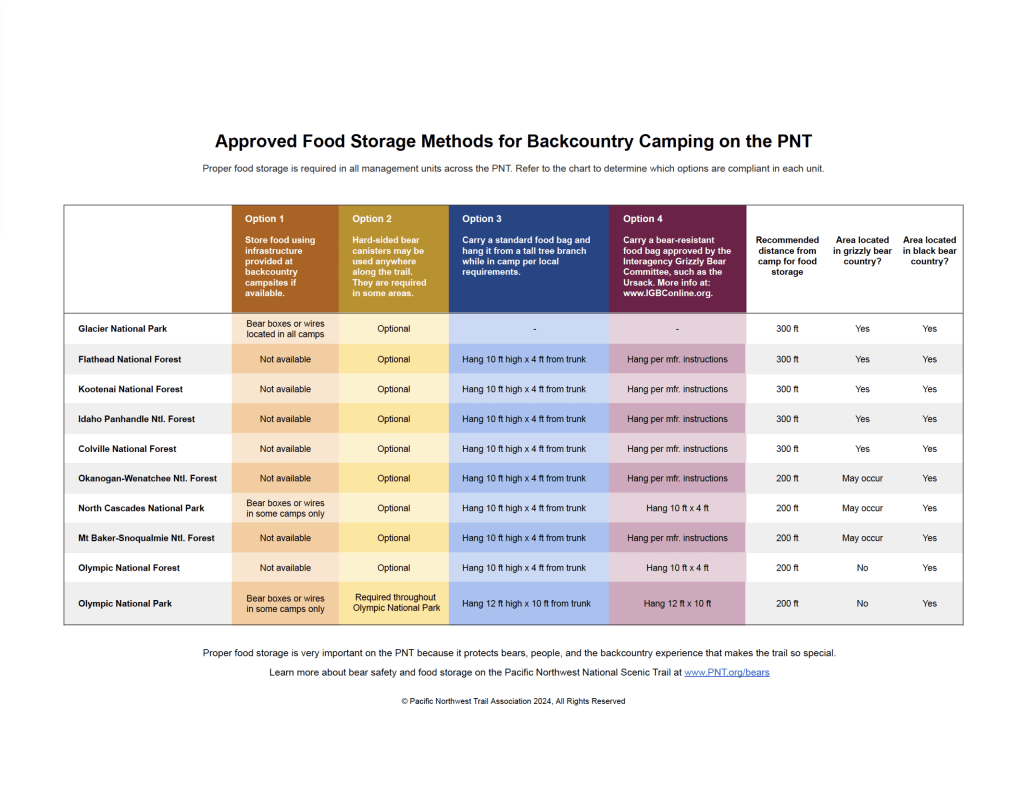
Approved storage methods
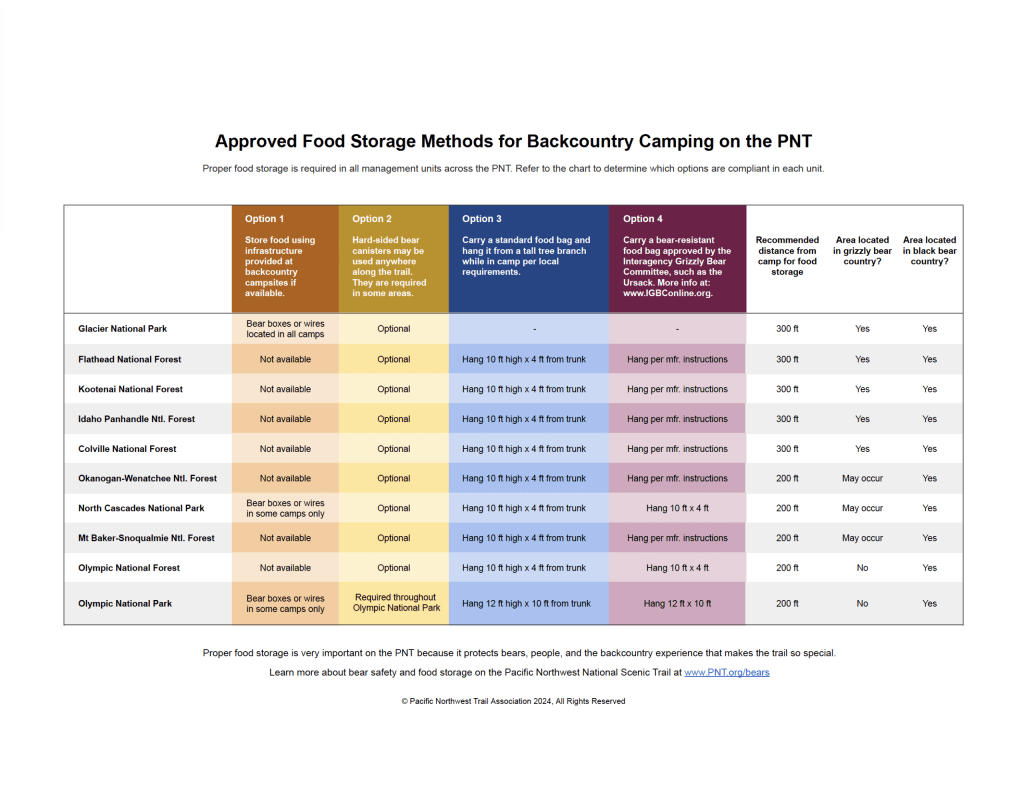
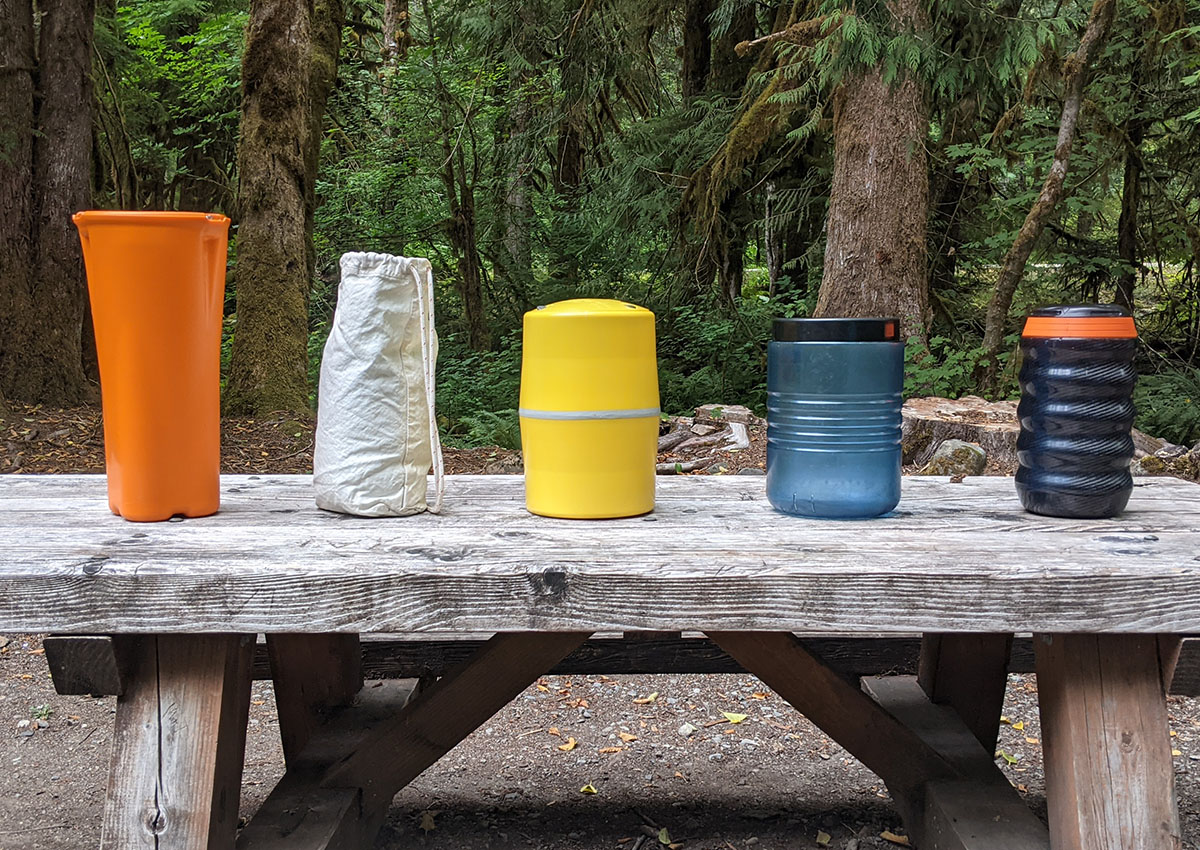
Let’s break down the approved methods for keeping your food safe from bears in 2026. The gold standard remains a certified bear-resistant canister. These come in hard-sided polycarbonate or aluminum, and increasingly, more durable soft-sided options are gaining approval. Bear bagging, while still permitted in some areas, is facing stricter scrutiny and more specific requirements.
Electric fences are an option for established campsites, but they are too heavy for backpacking. Don't rely on coolers, car trunks, or tents. A bear can peel a car door open or crush a plastic cooler in seconds.
The 2026 regulations are bringing greater consistency to canister requirements. The IGBC is tightening its testing protocols, and canisters that previously met the standard may now require upgrades or replacements. Specifically, the NPS and the USDA Forest Service are emphasizing the need for canisters that can withstand a determined grizzly bear for a minimum of 60 minutes.
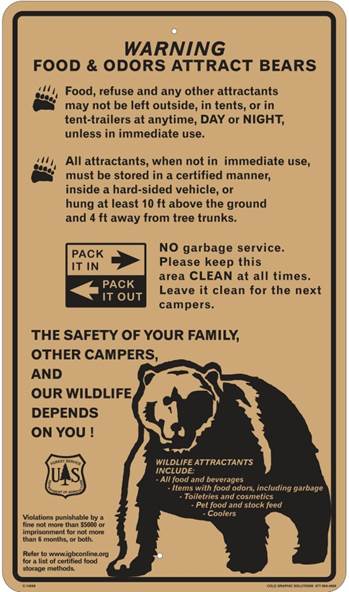
Bagging techniques are also under review. The days of simply hoisting a bag between two trees are largely over. Regulations now often specify minimum hanging heights, distances from campsites, and rope requirements. The USDA Forest Service's guidelines, found on fs.usda.gov, are a good starting point, but always check local regulations first. Ignoring these rules can lead to fines and even campsite closures.
- Bear canisters: Use hard-sided or IGBC-approved soft-sided models.
- Bear Bagging: Requires specific techniques and is permitted only in designated areas.
- Electric Fences: Limited to established campsites with proper setup and maintenance.
How to pick a canister
Choosing the right bear canister can feel overwhelming, but it’s a crucial decision. Hard-sided polycarbonate canisters are popular due to their relatively low cost and durability, but they can be bulky. Aluminum canisters are lighter and more durable, but also more expensive. Soft-sided canisters are the newest option, offering a good balance of weight and durability, but they need to be specifically IGBC-approved to be considered safe.
The IGBC certification process is your primary guide. You can find a current list of approved canisters on their website, www.igbconline.org. Don’t assume that a canister labeled “bear-resistant” is automatically approved—it must be on the IGBC list. Pay attention to the canister’s volume. A solo hiker on a three-day trip will need a smaller canister (around 10-12 liters) than a group of four on a week-long expedition (20+ liters).
I’ve personally used both the BearVault BV500 and the Garcia Backpackers’ Cache. The BearVault is lightweight and easy to pack, but it can be a bit tricky to open. The Garcia is more robust and easier to use, but it's a bit heavier. I’ve also experimented with the Ursack AllMitey, a soft-sided option, and found it to be surprisingly durable and lightweight, but again, it must be an approved model.
A common concern is odor-proofness. No canister is truly odor-proof, but some are better than others. Proper food packaging and scent-proof bags can help minimize odors. Remember that bears are primarily attracted to the smell of food, not necessarily the container itself. Always check the canister’s documentation for specific instructions on bear resistance testing and proper use.
Featured Products
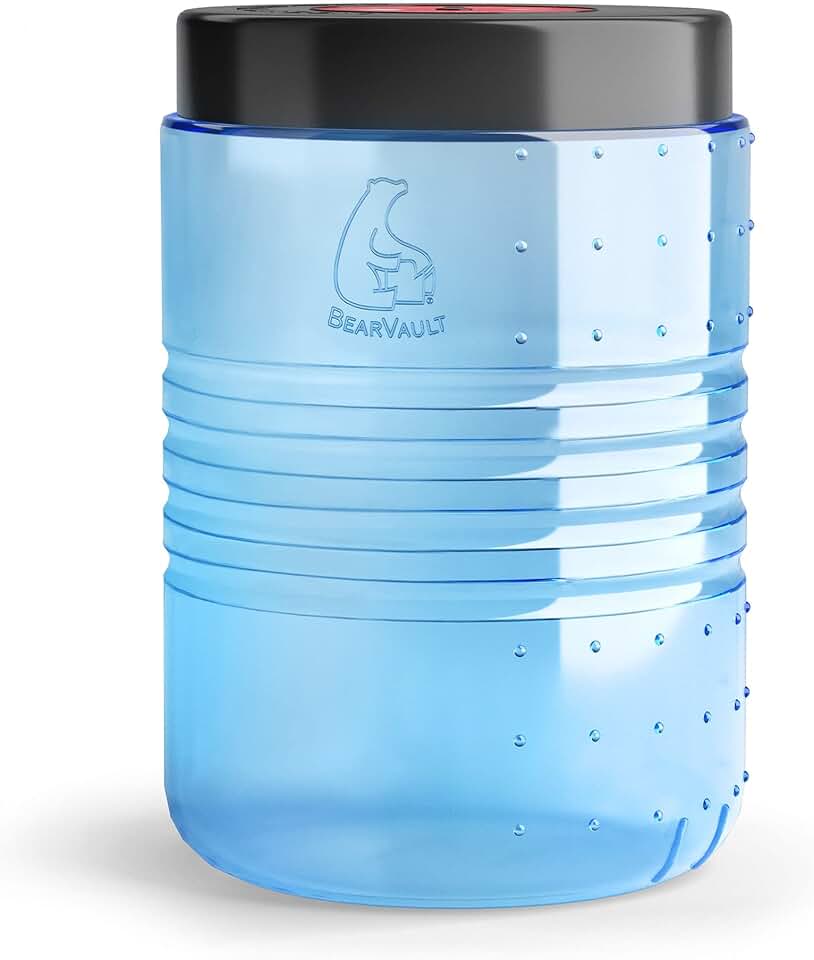
Available in four sizes (BV500, BV475, BV450, BV425) · Bear-resistant food container · Suitable for various outdoor activities including camping, hiking, fishing, hunting, and bikepacking
This IGBC-approved bear canister offers a reliable food storage solution, ensuring safety and compliance with new regulations for your backcountry trips.
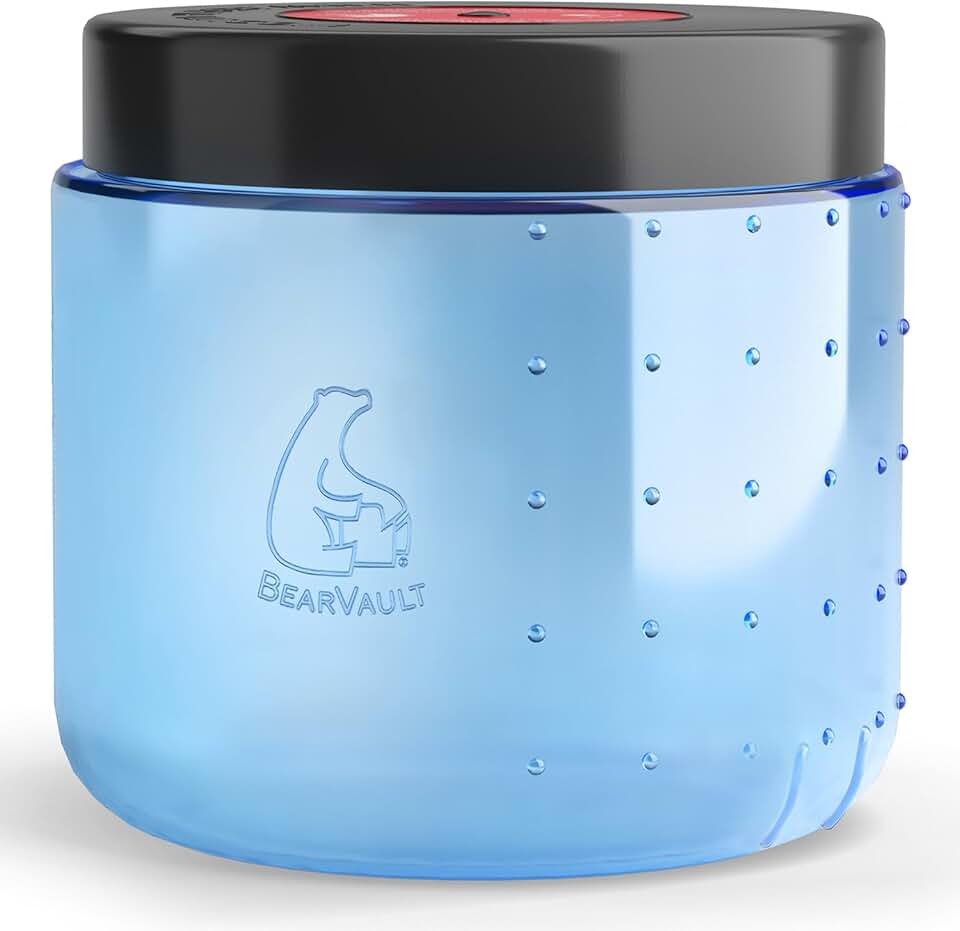
Medium-sized portable bear canister · Designed for backpacking · Bear-resistant food storage
This IGBC-approved bear canister offers a reliable food storage solution, ensuring safety and compliance with new regulations for your backcountry trips.
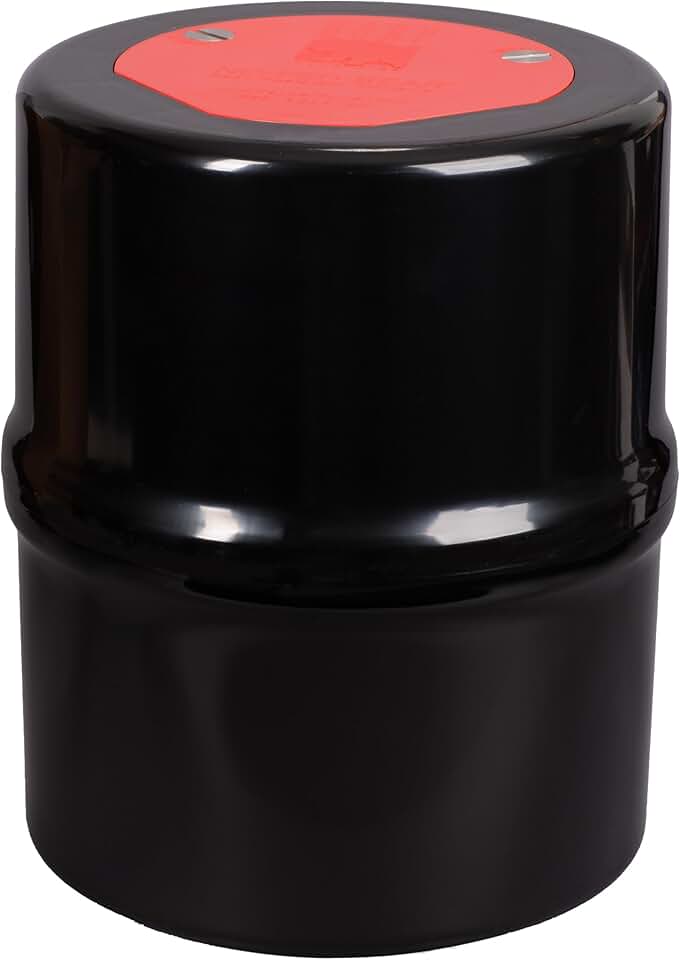
IGBC Approved · Lightweight and bear-resistant · 2.1 Gallon / 8 Liter capacity
These IGBC-approved bear canisters offer reliable food storage solutions, ensuring safety and compliance with new regulations for your backcountry trips.

Bear-resistant food storage container · Yellow color for visibility · Designed for backcountry use
This IGBC-approved bear canister offers a reliable food storage solution, ensuring safety and compliance with new regulations for your backcountry trips.
IGBC Approved · Lightweight and bear-resistant · 2.1 Gallon / 8 Liter capacity
These IGBC-approved bear canisters offer reliable food storage solutions, ensuring safety and compliance with new regulations for your backcountry trips.
As an Amazon Associate I earn from qualifying purchases. Prices may vary.
Managing scents and attractants
Food storage isn’t solely about the container; it's about minimizing all attractants. Bears have an incredible sense of smell – they can detect food from over a mile away! Using scent-proof bags (Opsak is a good brand) inside your canister is a smart move, even if it’s not required. Proper waste disposal is also critical: pack it in, pack it out, and never bury food scraps.
Avoid scented toiletries whenever possible. Bears are attracted to anything with a strong odor, including toothpaste, soap, and even deodorant. If you must use scented products, store them with your food inside the canister. Cleaning your cooking area thoroughly after each meal is essential. Wipe down surfaces, wash dishes, and remove any food residue.
Don't forget about clothing! Clothes worn during cooking can retain food odors. Store these clothes in a sealed bag and keep them away from your sleeping area. Even seemingly innocuous items, like lip balm or sunscreen, can attract bears if they have a strong scent. Be mindful of everything you bring into bear country.
The goal is to create as little scent as possible. Bears are opportunistic feeders, and they'll take advantage of any easy meal. By minimizing attractants, you’re not only protecting yourself and your food but also helping to prevent bears from becoming habituated to human food sources. That makes a genuine difference in the long run.
Bagging Techniques: When Canisters Aren’t Possible
While canisters are the preferred method, there are situations where bagging is the only practical option, particularly for long-distance trails like the Pacific Crest Trail. The PCT method involves throwing a rope over a branch, at least 12 feet high and 4 feet from the trunk, and hoisting your food bag well out of reach.
The key is to choose the right tree – it should be sturdy and have a suitable branch. Use at least 50 feet of rope, and practice the technique before your trip. Remember that bagging is less secure than a canister and requires specific conditions. It’s also not allowed in all areas, so always check local regulations.
The PCT method is the standard for hanging. You throw a rope over a branch, clip the bag, and hoist it until it is 12 feet up and 4 feet out from the trunk. It takes practice to get the throw right, so try it at home before you're losing light at a campsite.
It’s crucial to understand that bagging is not a substitute for a canister in areas where canisters are required. Always prioritize a canister if possible. If you must bag your food, be meticulous about your technique and check local regulations to ensure it’s permitted.
Park Regulations at a Glance
| Park Name | Canister Required? | Bagging Allowed? | Electric Fences Allowed? | Specific Restrictions |
|---|---|---|---|---|
| Yellowstone National Park | Yes, in most backcountry areas | No | No | Specific storage orders may be issued based on location and time of year. Check with the park’s backcountry office. |
| Grand Teton National Park | Yes, for overnight stays | No | No | All food, toiletries, and scented items must be stored in approved bear-resistant containers. |
| Glacier National Park | Yes, in many areas | No | Potentially, with permit | Regulations vary by district. Check current conditions and requirements before your trip. |
| Rocky Mountain National Park | Yes, in wilderness areas | No | No | Bear canisters are required for all overnight backcountry trips. |
| Yosemite National Park | Yes, in most areas | No | No | Approved bear canisters are required for overnight stays in the wilderness. Strict enforcement. |
| Olympic National Park | Yes, in the coastal strip and Quinault and Hoh rainforests | No | No | Specific areas have differing requirements. Check the park website for details. |
| North Cascades National Park | Yes, for overnight stays | No | No | Bear canisters are required in the backcountry to protect both bears and visitor food. |
| Sequoia & Kings Canyon National Parks | Yes, in many areas | No | No | Bear canisters are required for overnight trips in most backcountry areas. |
Illustrative comparison based on the article research brief. Verify current pricing, limits, and product details in the official docs before relying on it.
BearVault Canister for Backpacking. 4 Sizes: BV500, BV475, BV450, BV425. Bear-Resistant Food Container for Camping, Hiking, Fishing, Hunting, Bikepacking. BearVault is Bear Safe!
- Approved for use in all US National Parks and Forests
- Clear design allows for easy content visibility
- Wide mouth opening for convenient packing and access
- Impact-resistant polycarbonate construction
- Locking mechanism requires no special tools
The BearVault Canister is a top-tier, certified bear-resistant food container that meets the stringent requirements for safe food storage in bear country, making it an indispensable tool for adhering to new regulations and best practices.
View on Amazon →As an Amazon Associate I earn from qualifying purchases.
No comments yet. Be the first to share your thoughts!