

Lightweight Food: The 2026 Landscape
Every ounce counts when you’re carrying everything on your back. Lightweight camping food is a necessity for enjoying the outdoors. A well-fueled hike is a happy hike. For years, backpacking food meant mostly dehydrated meals, but now there’s a growing demand for more real food options.
The backpacking food market is responding, but it's also getting pricier. Inflation has hit everything, and the convenience of pre-packaged meals comes at a cost. People are looking for value without sacrificing nutrition or weight. The options below are all under two pounds total weight, designed to give you sustained energy and a taste you'll actually look forward to.
This list focuses on options available as of late 2026, considering new products and trends. There's been a lot of innovation in plant-based protein sources, and we’re seeing more emphasis on functional foods – things with added electrolytes or adaptogens. This isn't just about calories; it's about optimizing your fuel for performance and recovery. The list provides a range of choices for different preferences and dietary needs.
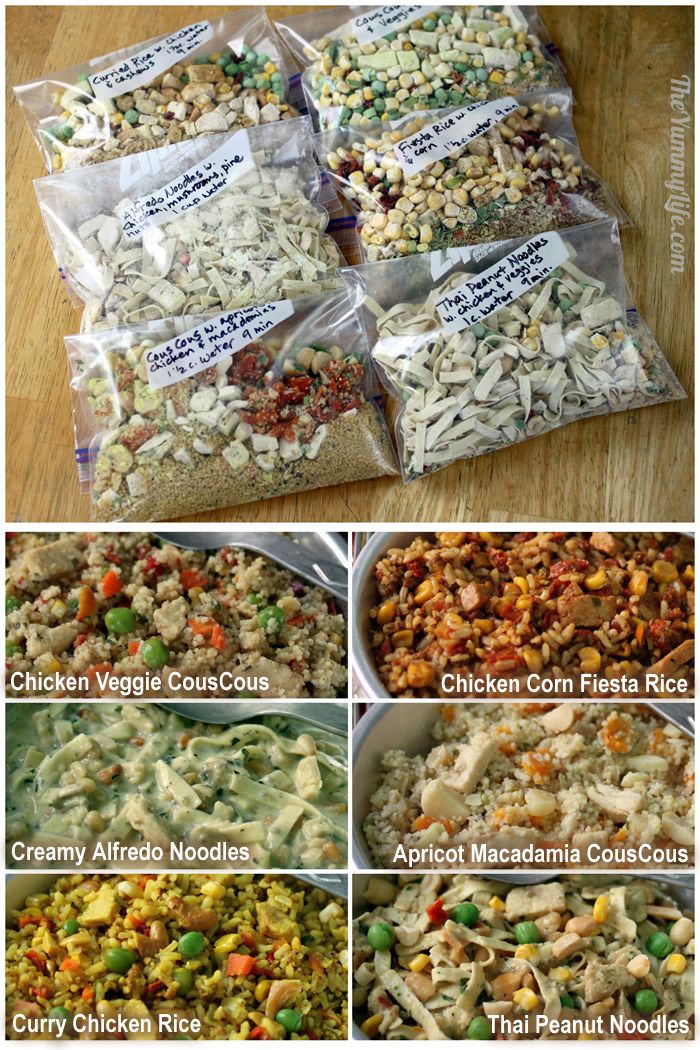
The 15 Best Options (Under 2 Pounds)
Here are 15 lightweight camping food options, all weighing under two pounds for the entire package. Prices are approximate and based on online retailers as of November 2026. Calorie and protein content are per serving. Weights can vary slightly based on packaging.
Comparing everything perfectly is difficult – a bar is different than a full meal – but enough detail is provided to help you make informed choices. A subjective "taste/texture" note is also included, because sometimes you just need something that sounds good after a long day on the trail.
- ProBar Meal Replacement Bar (Chocolate Peanut Butter): 3.5 oz (100g) / 390 calories, 20g protein / ~$3.50 per bar. Dense, chewy, surprisingly satisfying for a meal replacement.
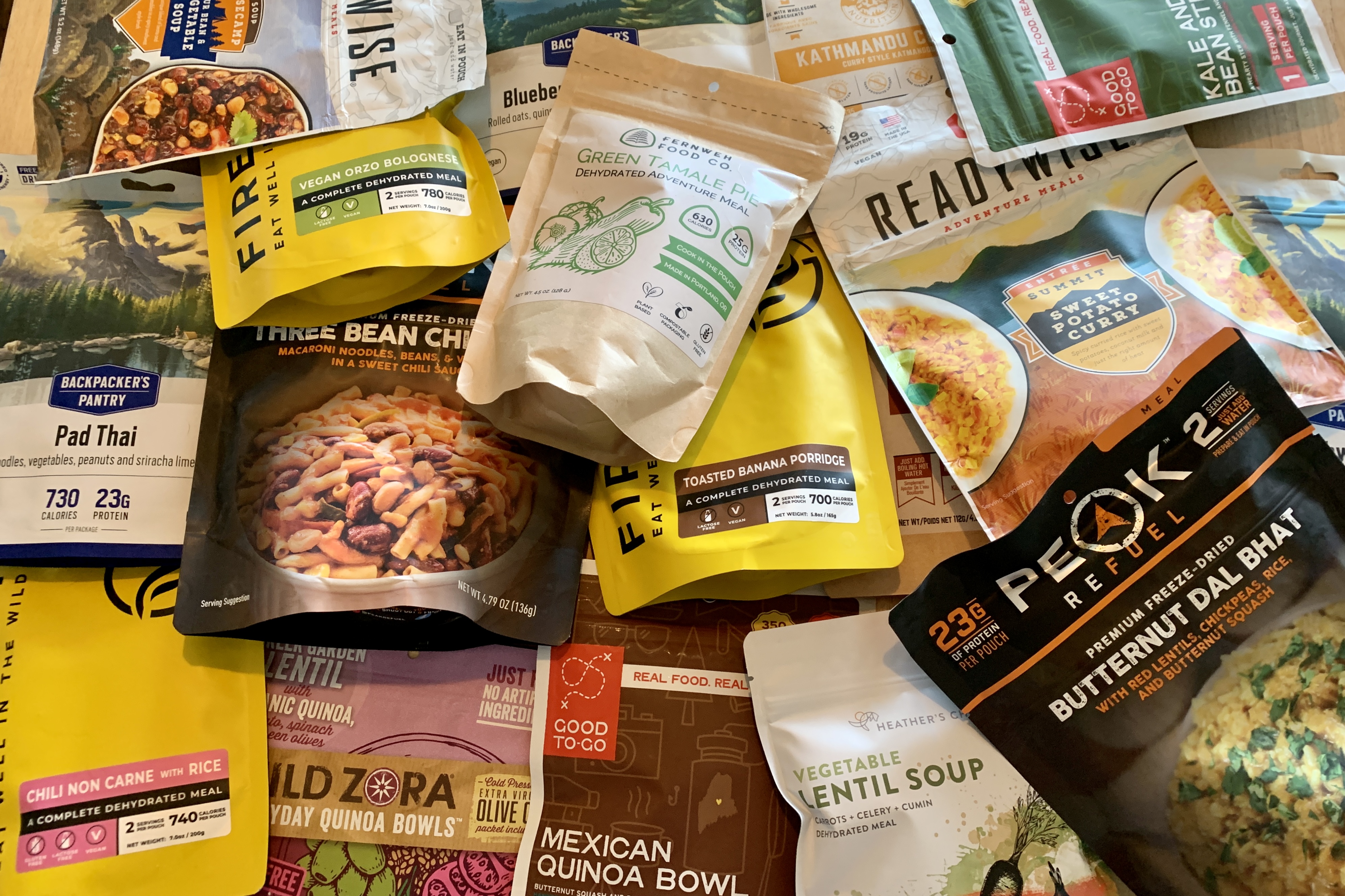
- Good To-Go Dehydrated Meals (Mexican Quinoa Bowl): 4 oz (113g) / 400 calories, 15g protein / ~$8 per meal. Flavorful and not overly salty, a step up from older dehydrated options.
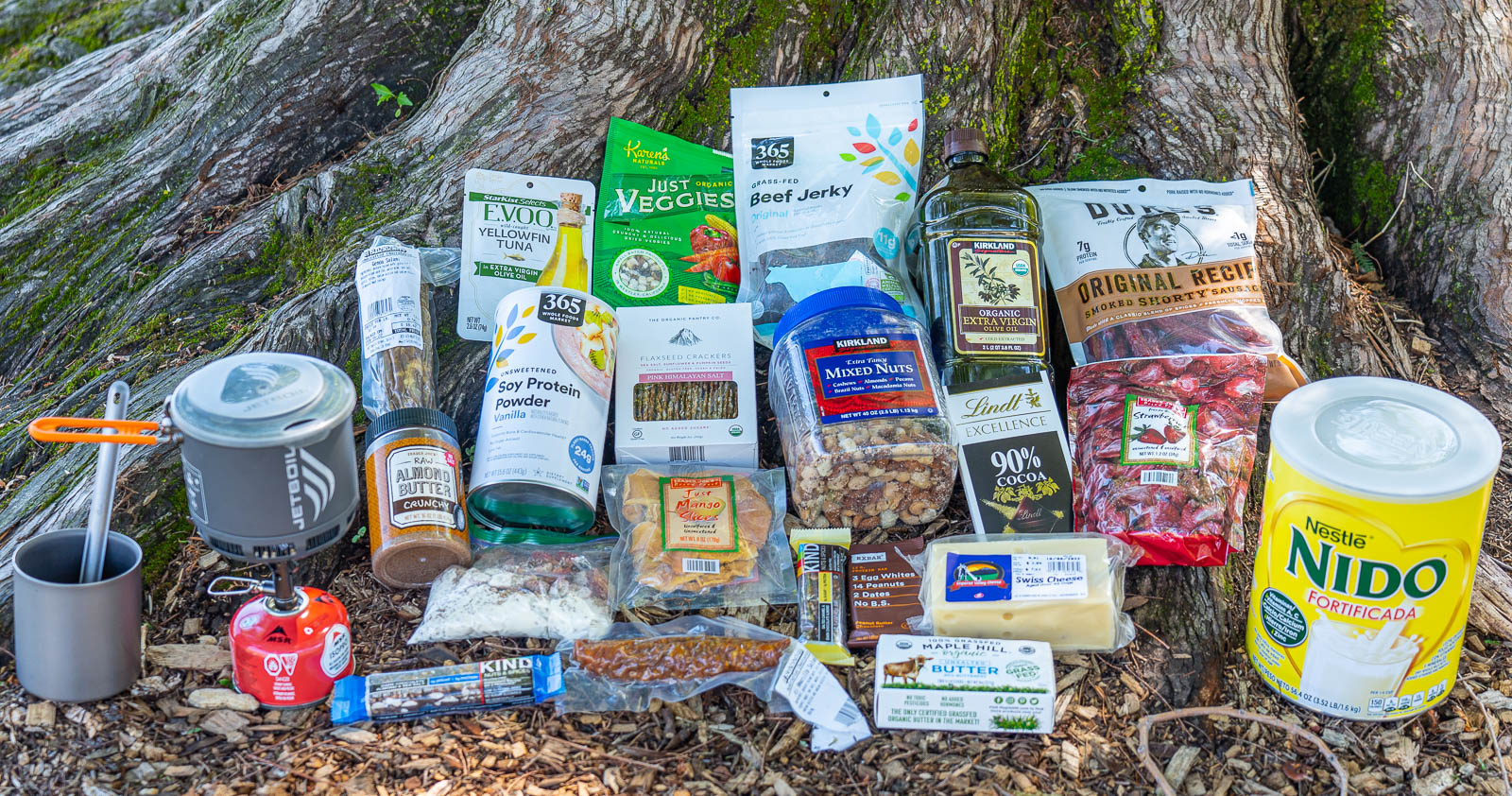
- Simple Truth Organic Trail Mix (Nuts & Seeds): 8 oz (227g) / 160 calories (1/4 cup), 6g protein / ~$5 per bag. A classic for a reason – a good mix of healthy fats and protein.
- Jerky (Tillamook Country Smoker, Peppered): 3 oz (85g) / 170 calories, 18g protein / ~$7 per bag. Chewy, savory, and a great source of protein.
- Kate’s Real Food Bars (Chocolate Coconut): 3 oz (85g) / 320 calories, 10g protein / ~$3.00 per bar. Soft, chewy, and made with recognizable ingredients.
- Mountain House Freeze Dried Meals (Beef Stroganoff): 4.5 oz (127g) / 380 calories, 17g protein / ~$9 per meal. A dependable classic, though a bit heavy on the sodium.
- MRE Ready-to-Eat Meal (First Strike): 8 oz (227g) / 1200 calories, 50g protein / ~$12 per meal. A full meal in one package, very calorie-dense, but can be heavy.
- RXBAR (Chocolate Sea Salt): 2.1 oz (60g) / 210 calories, 12g protein / ~$2.50 per bar. Egg white based, dense, and minimal ingredients.
- Peak Refuel Meals (Chicken Alfredo): 4.5 oz (127g) / 400 calories, 25g protein / ~$10 per meal. Higher protein content makes this a good choice for strenuous activity.
- Backpacker’s Pantry Pad Thai: 4.3 oz (122g) / 350 calories, 18g protein / ~$8.50 per meal. Surprisingly authentic flavor for a dehydrated meal.
- Clif Bar (Chocolate Chip): 2.4 oz (68g) / 250 calories, 10g protein / ~$2.00 per bar. A reliable energy boost, though can be a bit sweet.
- Dr. Kracker’s Seedlander Crackers: 4.4 oz (125g) / 130 calories (10 crackers), 3g protein / ~$4 per box. Good with peanut butter or cheese.
- Instant Oatmeal Packets (Quaker): 1 oz (28g) / 150 calories, 5g protein / ~$0.50 per packet. Lightweight and versatile – add nuts or dried fruit.
- Nut-Butter Packets (Justin’s Classic Almond Butter): 1.1 oz (31g) / 190 calories, 7g protein / ~$2.00 per packet. A great source of healthy fats and protein.
- Dried Mango (Mariani’s): 3.5 oz (100g) / 240 calories, 1g protein / ~$6 per bag. Chewy, sweet, and a good source of quick energy.
Lightweight Camping Food Comparison: 15 High-Energy Options
| Name | Weight per Serving | Energy Density | Protein Content | Preparation Effort |
|---|---|---|---|---|
| Instant Oatmeal | Very Light | Moderate | Moderate | Minimal - just add hot water |
| Trail Mix | Light | High | Moderate | No preparation needed |
| Peanut Butter | Moderate | Very High | High | No preparation needed, can be messy |
| Dried Fruit | Light | High | Low | No preparation needed |
| Jerky (Beef/Turkey) | Light | High | Very High | No preparation needed |
| Energy Bars | Light to Moderate | Moderate to High | Moderate | No preparation needed |
| Dehydrated Meals | Moderate | Moderate | Moderate to High | Requires hot water & longer rehydration |
| Nuts & Seeds | Moderate | Very High | Moderate | No preparation needed |
| Powdered Milk | Very Light | Moderate | High | Requires water, mixing |
| Couscous | Light | Moderate | Low | Quick cooking, requires hot water |
| Lentils (Dried) | Light | Moderate | Very High | Requires cooking, longer prep time |
| Tuna/Salmon Pouches | Moderate | High | Very High | No preparation needed |
| Hard Cheese | Moderate | High | High | No preparation needed, consider temperature |
| Whole Wheat Tortillas | Moderate | Moderate | Low | Versatile, minimal prep |
| Instant Rice | Light | Moderate | Low | Quick cooking, requires hot water |
Qualitative comparison based on the article research brief. Confirm current product details in the official docs before making implementation choices.
Real Food vs. Dehydrated: A Trade-Off
There’s a trade-off between the convenience of dehydrated meals and the nutritional benefits of "real" food. Dehydrated meals are lightweight and easy to prepare – just add hot water. But they often rely heavily on sodium for flavor and can lack the micronutrients found in fresh foods. Real food – nuts, seeds, dried fruit, jerky – offers a more complete nutritional profile, but it can be heavier and require more planning.
Electrolytes are important, especially on longer hikes. Dehydration can sneak up on you, and losing electrolytes can lead to muscle cramps and fatigue. While sugary sports drinks are an option, they’re often unnecessary and contribute to energy crashes. Consider electrolyte tablets or powders that you can add to your water. Nuun tablets are a popular choice, providing electrolytes without the added sugar.
The Food Safety Inspection Service (FSIS) provides guidelines for safe food handling while hiking and camping (fsis.usda.gov). Keep cold foods cold (below 40°F) and hot foods hot (above 140°F). Proper food storage is essential to prevent attracting wildlife. Even dried foods can spoil over time, so check expiration dates and store them properly.
Fueling for Different Hikes
Food needs vary depending on the intensity and duration of your hike. A short, easy day hike requires less fuel than a multi-day backpacking trip. For a 3-5 mile day hike, a couple of snacks (trail mix, energy bar) and plenty of water should be sufficient. For a longer or more strenuous day hike (8+ miles), pack a more substantial lunch and additional snacks.
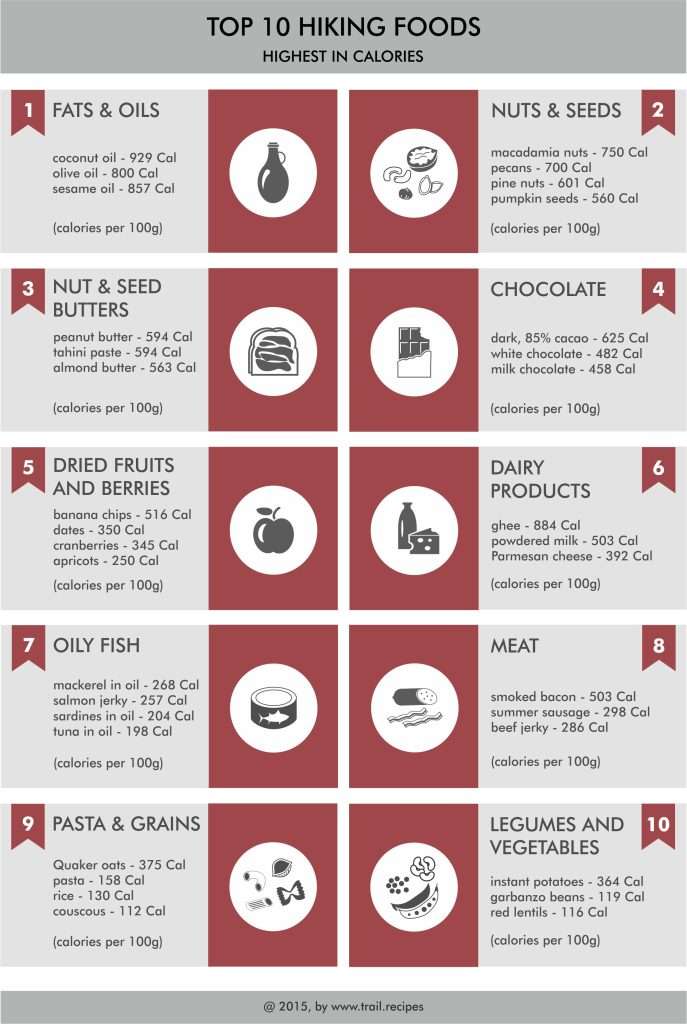
Multi-day backpacking trips require careful planning. Aim for around 2500-4000 calories per day, depending on your activity level and metabolism. Focus on foods that are calorie-dense and provide sustained energy. Protein is important for muscle recovery, so include sources like jerky, nuts, or protein bars. Carb loading isn’t necessary for most people, but ensuring you have enough carbohydrates for energy is vital.
Listen to your body. Pay attention to how different foods make you feel and adjust your intake accordingly. What works for one person may not work for another. Experiment and find what fuels you best. Bring a little extra food, just in case.
What's Your Hiking Fuel Profile?
Finding the right food for a camping trip is crucial for maintaining energy and enjoying your adventure. This quick quiz will help determine which of 2026's best lightweight, high-energy options are best suited to *your* hiking style and preferences. Answer honestly to get personalized recommendations!
Packing & Storage: Keeping it Light & Safe
Minimizing packaging reduces weight. Repackage food into reusable containers or zip-lock bags. Remove unnecessary cardboard boxes and plastic wrappers. Use a food storage bag system to organize your meals and snacks. Waterproof packaging is also a good idea, as unexpected rain can ruin your food supply.
Proper food storage is crucial, especially in bear country. Regulations vary depending on the location, but generally, store food in a bear-resistant canister or hang it from a tree at least 10 feet off the ground and 4 feet from the trunk. Check local guidelines before your trip. Bear safety is regional, and a cautious approach is best.
Outside of bear country, storing food properly prevents attracting smaller
Standout Options: Worth a Closer Look
While all 15 options have their merits, a few really stood out during my research. First, Simple Truth Organic Trail Mix offers incredible value for the amount of energy and nutrients you get. It's a versatile snack that can be eaten on its own or added to oatmeal or yogurt. It's a staple, and consistently a good pick.
Second, Peak Refuel Meals are surprisingly high in protein for a dehydrated meal. This is a huge plus for athletes or anyone who needs to prioritize muscle recovery. The Chicken Alfredo flavor is particularly well-received. It’s a bit more expensive, but the protein content justifies the cost for some.
Finally, Justin’s Classic Almond Butter Packets are a convenient and healthy source of fats and protein. They’re easy to pack, require no preparation, and can be paired with crackers, fruit, or even eaten straight from the packet. The single-serving packets help with portion control and prevent a sticky mess.
Reader Favorites & Community Picks
What are other campers relying on? A quick look at online communities reveals some consistent favorites. On TheYummyLife.com, Dr. Kracker's Seedlander Crackers are repeatedly mentioned as a go-to for lightweight snacking. The site's community consistently shares tips for packing and preparing food on the trail.
Reddit's r/backpacking often features discussions about favorite lightweight meals. Many users swear by homemade trail mix and dehydrated fruit. There's a general consensus that investing in a good quality food storage container is worth the extra weight. People also frequently share tips for minimizing packaging and reducing food waste.
Beyond the List: DIY Options
If you’re feeling adventurous, consider making your own lightweight snacks or meals. Homemade trail mix allows you to customize the ingredients to your liking. Energy balls, made with oats, nut butter, and dried fruit, are a quick and easy source of energy. Dehydrated fruit leather is another lightweight and nutritious option. There are many resources online with recipes and instructions.

No comments yet. Be the first to share your thoughts!