

The shift toward regenerative camping
For years, "Leave No Trace’ has been the guiding principle for responsible outdoor recreation. But in 2026, the conversation around sustainable camping is evolving. It"s no longer enough to simply pack out everything you pack in; campers are increasingly aware of the broader environmental impact of their food choices. This includes things like food miles – how far ingredients travel to reach your plate – and the sheer volume of packaging waste generated by conventional camping meals.
We’re seeing a growing demand for transparency in the food supply chain and a desire to support food systems that prioritize ecological health. This shift is driven by changing consumer values, with many actively seeking out products that align with their commitment to sustainability. The idea of "regenerative" agriculture, which focuses on rebuilding soil health and biodiversity, is gaining traction and influencing what people choose to eat, even while camping.
This isn’t about deprivation or sacrificing enjoyment; it’s about making informed decisions that minimize our footprint. It's about recognizing that our camp diet isn't separate from the larger food system, and that even small changes can make a difference. I believe this awareness will continue to grow, shaping the future of camp cuisine.
Zero-waste meal kits
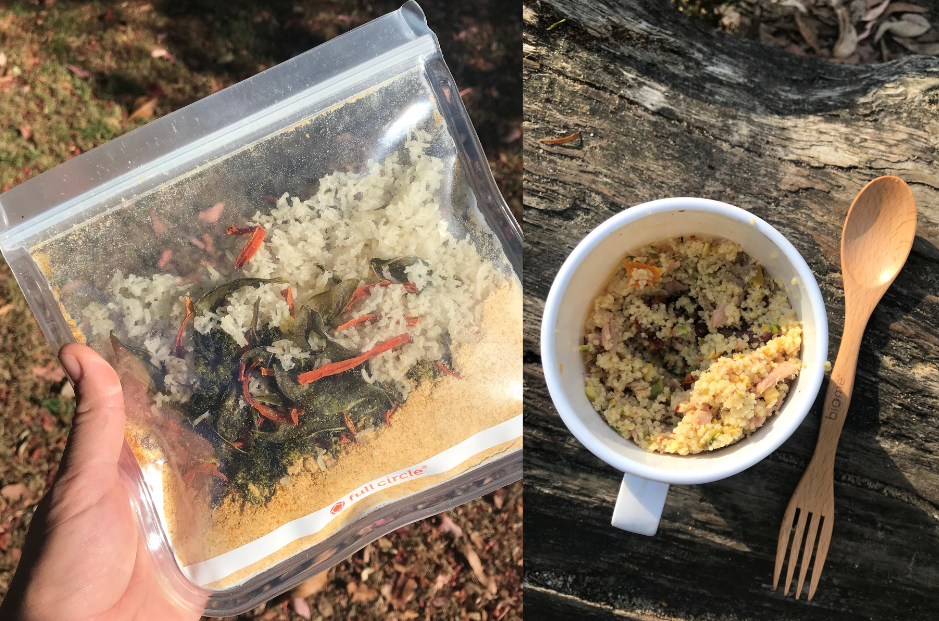
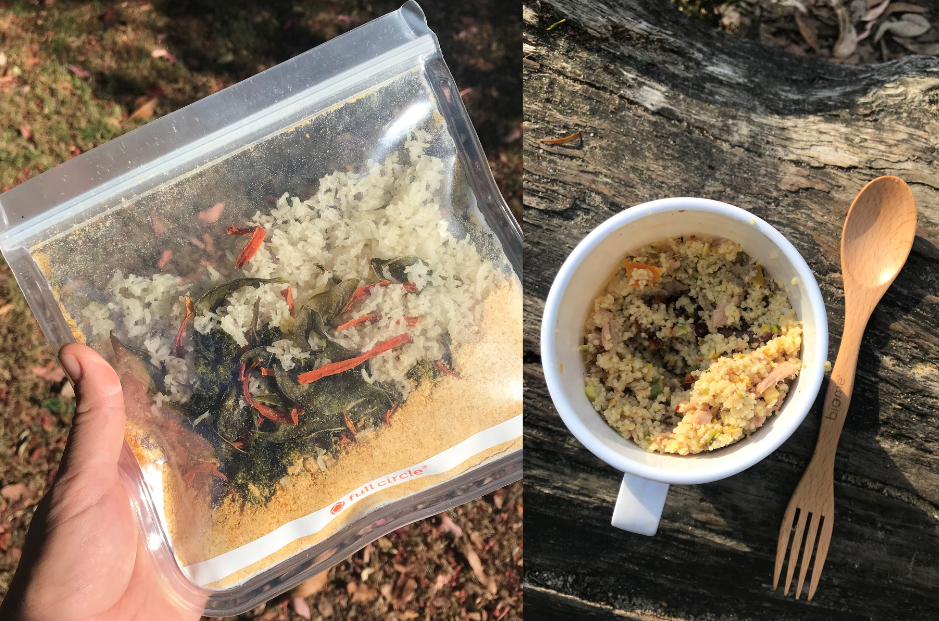
The convenience of pre-portioned meal kits has extended into the outdoor world, with companies now offering zero-waste options specifically designed for camping. These kits typically include dehydrated or pre-cooked ingredients, packaged in reusable or compostable materials. The appeal is obvious: less planning, less waste, and a potentially more diverse menu than traditional camping fare.
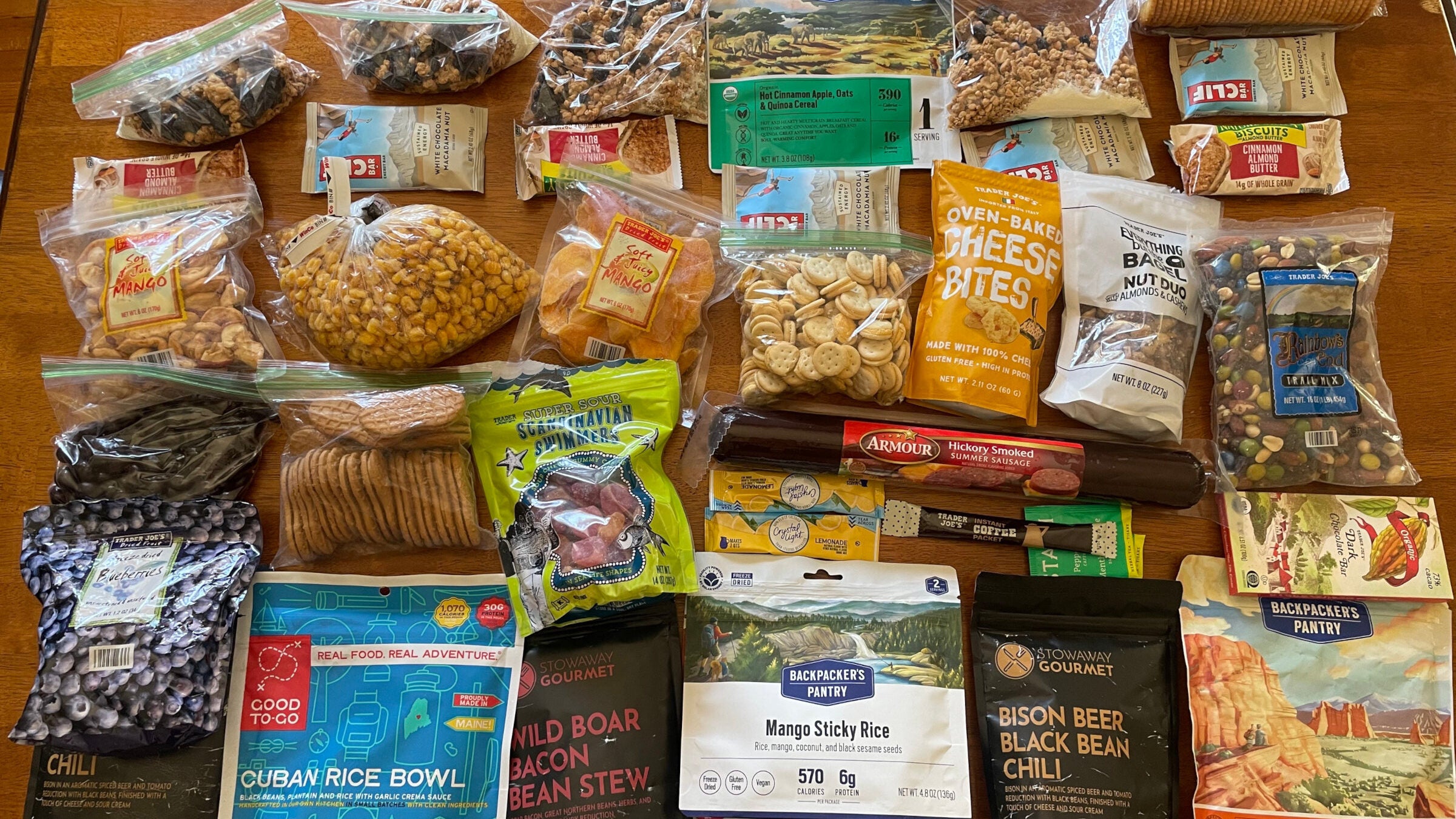
These kits cost more than DIY meals. Packit Gourmet makes lightweight, flavorful options, but you pay a premium for the convenience. Backpacker’s Pantry is currently testing compostable bags for their standard line, which helps reduce the plastic footprint of a typical weekend trip.
A key question is whether these kits truly minimize waste, or simply shift it from the camper to the manufacturer. While the individual packaging might be compostable, the transportation of pre-portioned meals still has an environmental cost. I’m skeptical that they are a perfect solution, but they represent a step in the right direction. Examining the materials used – are they actually compostable in most backcountry settings? – is crucial.
Here's a quick comparison of a few options:
- Packit Gourmet offers high-end, lightweight meals with compostable packaging on specific menu items.
- Backpacker’s Pantry: Wide range of options, from classic to vegan. Experimenting with compostable packaging.
- Outdoor Herbivore: Vegan-focused kits with a commitment to sustainable practices. Often uses recycled materials.
Camping Meal Kit Sustainability Comparison - 2026 Trends
| Brand | Packaging | Sourcing & Quality | Dietary Options | Overall Sustainability Focus |
|---|---|---|---|---|
| Backpacker's Pantry | Mostly recyclable pouches, some plastic. Improving compostable options. | Generally high-quality ingredients, sourcing details limited. | Vegan, Gluten-Free options available. Wide variety. | Moderate. Focusing on reducing plastic, but still reliant on it. |
| Good To-Go | Recyclable pouches, actively researching compostable alternatives. | Emphasis on real food ingredients, transparent sourcing for key components. | Gluten-Free, Vegan options. Limited overall selection. | Good. Strong focus on ingredient quality and minimizing processing. |
| Mountain House | Primarily plastic pouches, limited recycling information. | Ingredient sourcing not prominently displayed. Standard freeze-dried quality. | Gluten-Free options. Limited vegan choices. | Lower. Minimal stated sustainability initiatives. |
| Peak Refuel | Recyclable pouches, exploring bio-based plastic alternatives. | Focus on high-protein, whole food ingredients. Sourcing details emerging. | Keto, Paleo, Gluten-Free. Vegan options limited. | Moderate. Prioritizing protein source sustainability. |
| Nomadix Outdoors | Reusable containers with dehydrated meal inserts. Container return program. | Organic and locally sourced ingredients where possible. High transparency. | Vegan, Gluten-Free, Paleo. Comprehensive options. | Higher. Strong commitment to reusable systems and local sourcing. |
| Traillife | Compostable pouches and minimal packaging. Innovative material science. | Focus on organic and sustainably harvested ingredients. Detailed sourcing information. | Vegan, Gluten-Free, Soy-Free. Specialized dietary needs. | Very High. Leading the way in compostable packaging and ethical sourcing. |
Qualitative comparison based on the article research brief. Confirm current product details in the official docs before making implementation choices.
Dehydrated & Concentrated: The Efficiency Game
Reducing pack weight is a perennial concern for hikers and backpackers, and dehydrated and concentrated foods are powerful tools in that effort. Dehydration removes water from food, significantly reducing its weight and volume. You can dehydrate food at home using a dedicated dehydrator – models from brands like Excalibur and Nesco are popular – or purchase commercially dehydrated meals.
Commercial dehydration often involves a flash-freezing process followed by low-temperature drying, which helps to preserve nutrients. However, some nutrient loss is inevitable. Concentrated foods, like powdered nut butters, coconut milk powder, and bouillon cubes, offer a similar benefit, packing a lot of flavor and calories into a small space. They’re incredibly versatile and can be added to a variety of dishes.
Watch the sodium in bouillon and soup mixes. Most commercial brands are salt bombs. I use a home dehydrator instead; it gives me control over the ingredients and cuts out the silver Mylar bags that clutter up my trash bag by day three.
Foraging for wild edibles
Supplementing camp meals with responsibly foraged wild edibles can be a rewarding and sustainable practice. However, it requires a great deal of knowledge and caution. Accurate plant identification is absolutely critical – misidentifying a plant could have serious consequences, ranging from mild discomfort to life-threatening poisoning.
Ethical harvesting practices are equally important. Never take more than you need, and avoid harvesting from rare or endangered species. Be aware of local regulations regarding foraging; many parks and protected areas have restrictions in place. Resources like the Peterson Field Guides and local botanical societies can provide valuable information about edible plants in different regions.
I must strongly emphasize the risks involved. Even experienced foragers can make mistakes. Allergic reactions are also a concern. Never consume a wild plant unless you are 100% certain of its identification. A good rule of thumb is, "When in doubt, throw it out."
Important Disclaimer: Foraging should only be undertaken by individuals with extensive knowledge of plant identification and a thorough understanding of ethical harvesting practices. This information is not a substitute for expert guidance.
- Learn accurate plant identification: Use field guides, take workshops, or consult with experts.
- Harvest ethically: Take only what you need, and avoid damaging the plant or its habitat.
- Be aware of local regulations: Check with park authorities or land managers before foraging.
Bear-resistant storage
Proper food storage is paramount in bear country, and while bear canisters are the most commonly recommended method, they aren’t the only option. According to USDA guidelines (fsis.usda.gov), all food, garbage, and scented items should be stored in a bear-resistant manner. This includes everything from meals and snacks to toiletries and toothpaste.
Bear bags, when hung correctly, can be effective, but require specific techniques and suitable trees. A proper bear hang involves suspending the bag at least 10 feet off the ground and 4 feet from the trunk of the tree. Ursacks, made from ultra-high-molecular-weight polyethylene fabric, are another alternative, offering a lighter-weight and more versatile solution, but they aren't foolproof and may not be permitted in all areas.
Electric fences can provide an additional layer of protection, but they require batteries and careful setup. It's easy to assume a bear canister guarantees safety, but bears are incredibly resourceful. They’ve been known to carry canisters away to open them elsewhere. The key is a multi-layered approach: proper storage, a clean campsite, and awareness of your surroundings. I’ve seen too many campers rely solely on a canister without considering other preventative measures.
- Bear canisters are reliable but heavy and take up significant pack space.
- Bear Bag: Lightweight, but requires proper hanging technique.
- Ursack: Versatile, but not permitted everywhere.
- Electric Fence: Provides an extra layer of protection, but requires batteries.
One-Pot Vegan Wonders: Recipes for Minimal Cleanup
Vegan camping meals often get a bad rap, but they can be incredibly delicious and satisfying. Focusing on one-pot recipes minimizes cleanup and simplifies cooking in the backcountry. Here are a few ideas to get you started:
Spicy Peanut Noodles: Combine dehydrated noodles with peanut butter powder, soy sauce, sriracha, and dried vegetables. Add hot water and stir. (Approx. 400 calories, 20g protein).
Lentil Curry: Combine red lentils, coconut milk powder, curry powder, and dehydrated vegetables. Add water and simmer until lentils are tender. (Approx. 500 calories, 25g protein).
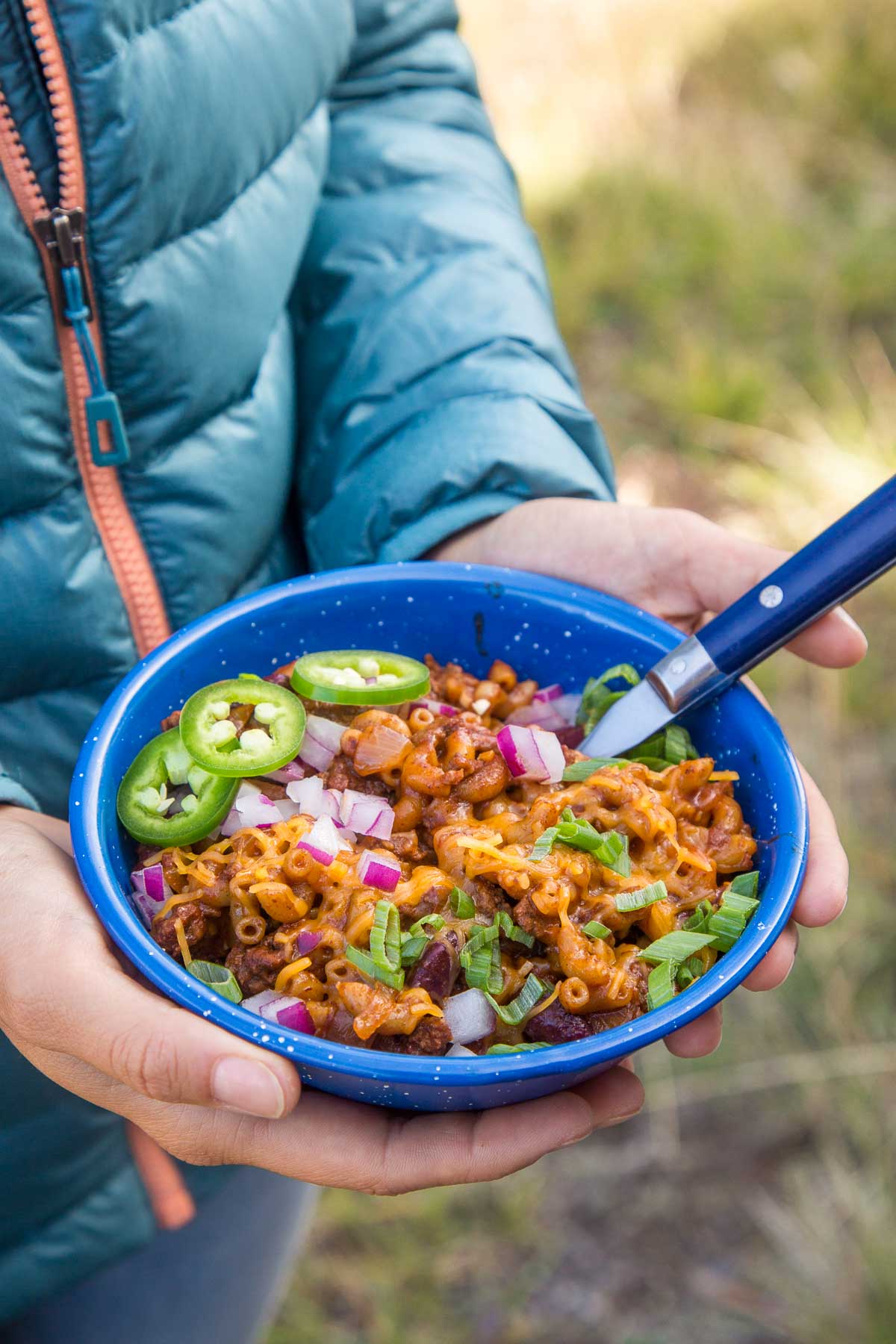
Black Bean & Corn Chili: Combine dehydrated black beans, corn, diced tomatoes, chili powder, and cumin. Add water and simmer. Top with avocado (if you can keep it from bruising!). (Approx. 450 calories, 20g protein).
Camp Kitchen Waste Reduction: Practical Tips
Minimizing waste in the camp kitchen is essential for a sustainable camping experience. Start by using reusable containers for food storage instead of plastic bags. Composting food scraps is a great option, where permitted – check local regulations before burying food waste. Properly disposing of dishwater is also crucial; avoid dumping it directly into waterways.
Michigan.gov’s Nutrition and Food Service Policy Overview (R 400.11131) emphasizes the importance of proper food handling throughout all stages, including preparation and cleanup, even for remote locations. Avoiding single-use plastics is a major step; bring your own reusable utensils, plates, and cups. Consider using biodegradable soap and sponges.
Backcountry composting can be challenging due to limited space and potential animal attraction. If composting isn’t feasible, pack out all food scraps. It requires a little extra effort, but it’s a small price to pay for preserving the wilderness for future generations. Careful planning and mindful consumption are the cornerstones of a zero-waste camp kitchen.

No comments yet. Be the first to share your thoughts!