

Beyond trail mix
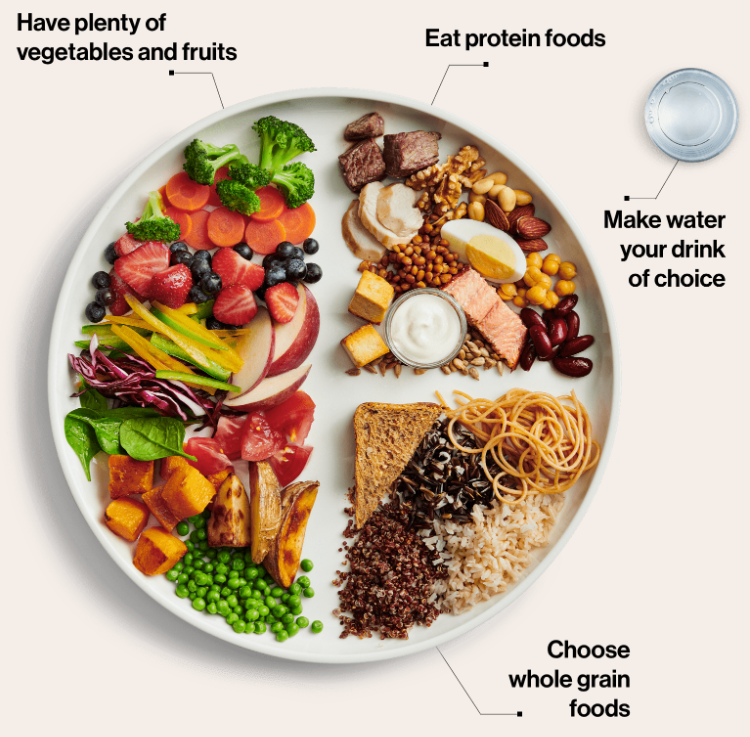
I remember when a bag of GORP and a Clif Bar were all you needed for a weekend. By now, most of us realize that if you're planning a 20-mile day or a steep bikepacking route, you can't just survive on sugar. We're finally treating backcountry food like fuel rather than just a snack to keep the hunger away.
It’s no longer enough to just survive out there; people want to thrive. This means paying attention to dietary needs, whether it's gluten-free, vegan, high-protein, or simply optimizing for sustained energy. There's also a rising demand for minimizing waste and making more sustainable food choices. I've noticed a lot more discussion around lightweight, dehydrated meals and reducing reliance on single-use packaging.
The increased accessibility of information has definitely played a role. People are researching optimal fueling strategies and packing food that supports their activity levels. We’re seeing more sophisticated options available too, from pre-portioned meals designed specifically for backpacking to innovative dehydrated ingredients that make cooking in the backcountry easier than ever. It's a good time to be a conscious camper, and the food options reflect that.
Keeping bears out of your pantry
Food storage in bear country remains paramount, and the rules are constantly evolving. The National Park Service continues to refine its recommendations, and it’s crucial to stay up-to-date before each trip. While the traditional bear bag hanging method isn't completely obsolete, it’s increasingly discouraged in many parks due to its unreliability—bears are smart and adaptable.
As of late 2025, bear canisters are required in many national parks, including Yosemite, Yellowstone, and Grand Teton. Regulations vary, so check the specific park’s website for details on canister size and type requirements. Some parks are even experimenting with a 'hybrid' approach, requiring canisters in designated areas but allowing bear bagging in more remote locations.
Interestingly, there’s a growing interest in electric fences for base camps, especially for longer expeditions. These fences create a perimeter that deters bears, but they require careful setup and monitoring. They are not permitted everywhere, and you’ll need to check local regulations. Don't forget about smaller critters like rodents and raccoons. Even if you’re in bear country, secure all food, including toiletries and scented items, to prevent attracting unwanted guests.
Locking up your food is as much for the bears as it is for you. A bear that gets used to human food usually ends up dead or relocated. Even if you aren't at a regulated youth camp, the same rules apply: keep your gear clean and your food out of reach.
- Always check the specific park’s regulations before your trip.
- Use a bear canister when required.
- Use the PCT hang method if the park allows it.
- Consider an electric fence for base camps (where allowed).
- Secure all food, toiletries, and scented items.
Fueling for the trail
Understanding your macronutrient needs is key to sustaining energy on the trail. Calorie expenditure varies dramatically depending on the activity. A leisurely day hike requires significantly fewer calories than a strenuous backpacking trip with a heavy pack. Generally, a moderate backpacking day can burn between 2000-4000 calories, but this is highly individual.
For sustained energy, a good starting point is a macronutrient ratio of roughly 50-60% carbohydrates, 15-25% protein, and 20-30% fats. Carbohydrates are your primary fuel source, especially for high-intensity activities. Proteins are important for muscle repair and recovery, while fats provide a concentrated source of energy and help with nutrient absorption.
Pre-hike fueling should focus on complex carbohydrates, like oatmeal or whole-grain toast, with a moderate amount of protein. Mid-hike snacks should be easily digestible and provide a quick energy boost – think trail mix, energy bars, or dried fruit. Post-hike recovery requires a combination of carbohydrates and protein to replenish glycogen stores and repair muscle tissue. A protein shake or a hearty meal with lean protein and complex carbs is a good option.
Let’s put it into practice. A 2000-calorie backpacking day might include: 300g carbohydrates (oatmeal, tortillas, dried fruit), 75g protein (jerky, nuts, beans), and 55g fats (nut butter, olive oil). It's not about strict adherence, but about finding a balance that works for you and your activity level. Listen to your body and adjust accordingly.
Salt, sweat, and hydration
We all know hydration is crucial, but it’s easy to underestimate how much fluid you lose during physical activity. Water is essential, but it doesn’t tell the whole story. When you sweat, you lose electrolytes – sodium, potassium, magnesium, and chloride – which are vital for muscle function, nerve transmission, and fluid balance.
Chugging plain water all day can actually backfire. If you're sweating hard and only drinking filtered stream water, you risk hyponatremia—which is just a fancy way of saying your sodium levels crashed. I've seen hikers get hit with the resulting headaches and nausea because they forgot the salt.
Electrolyte replacement options include tablets (Nuun and Liquid I.V. are popular choices), powders you add to water, and sports drinks. You can also get electrolytes from naturally rich food sources like bananas (potassium), spinach (magnesium), and salty snacks (sodium). The USDA provides guidelines for safe water sources, but always purify water from natural sources using a filter, tablets, or boiling.
I recommend experimenting with different electrolyte replacement methods to find what works best for you. Pay attention to how your body feels and adjust your intake accordingly. A proactive approach to hydration and electrolyte balance can make a big difference in your energy levels and overall well-being on the trail.
Electrolyte Replacement Options
| Type | Convenience | Sodium Content | Sugar Content | Taste (Subjective) |
|---|---|---|---|---|
| Nuun Tablets | High | Approximately 100mg per tablet | 0g | Generally well-received, variety of flavors |
| Liquid I.V. Powder | Medium - requires water | Approximately 500mg per packet | 11g | Sweet, fruity flavors; can be very sweet for some |
| Coconut Water | Ready to drink | Approximately 250mg per 8oz serving | 6g | Naturally sweet, subtle coconut flavor |
| Skratch Labs Hydration Mix | Powder - requires water | Approximately 380mg per packet | 8g | Less sweet than some, more natural flavor profile |
| SaltStick Electrolyte Capsules | Capsule | Approximately 310mg per capsule | 0g | Salty taste, best chased with water |
| LMNT Recharge Powder | Powder - requires water | Approximately 1000mg per packet | 0g | Salty and savory, designed for those preferring less sweetness |
| DripDrop Electrolyte Powder | Powder - requires water | Approximately 330mg per packet | 5g | Slightly salty and sweet, designed for rapid rehydration |
Illustrative comparison based on the article research brief. Verify current pricing, limits, and product details in the official docs before relying on it.
One-pot vegan recipes
Vegan camping food doesn’t have to be bland or complicated. In fact, some of the most satisfying and energizing meals are plant-based and can be made with minimal effort in the backcountry. The key is to focus on one-pot recipes that require fewer ingredients and less cleanup. Here are a few ideas to get you started:
Spicy Lentil Stew: Combine 1 cup red lentils, 2 cups vegetable broth, 1 diced onion, 1 clove garlic, 1 tsp curry powder, and a pinch of red pepper flakes in a pot. Simmer for 20-25 minutes, or until lentils are tender. (Cook time: 25 mins).
Quinoa & Black Bean Bowl: Cook 1 cup quinoa according to package directions. Add 1 can black beans (drained and rinsed), 1/2 cup corn, 1/4 cup salsa, and a squeeze of lime juice. (Cook time: 20 mins).
Dehydrated Vegetable Pasta: Cook pasta according to package directions. Add dehydrated vegetables (rehydrated with hot water), 2 tbsp pesto, and a sprinkle of nutritional yeast. (Cook time: 15 mins).
Vegan Chili: Sauté 1 diced onion and 1 clove garlic. Add 1 can diced tomatoes, 1 can kidney beans, 1 can black beans, 1 tbsp chili powder, and a pinch of cumin. Simmer for 30 minutes. (Cook time: 35 mins).
Coconut Curry Rice: Combine 1 cup rice, 1 can coconut milk, 1/2 cup diced sweet potato, 1/4 cup chopped spinach, and 1 tbsp curry powder. Simmer for 20-25 minutes, or until rice is cooked. (Cook time: 25 mins).
Remember to prep ingredients at home as much as possible – chop vegetables, measure out spices, and portion out ingredients into ziplock bags to save time and effort in the backcountry. These recipes are easily adaptable to your preferences and dietary needs. Feel free to add or substitute ingredients as desired.
Cutting down on waste
Responsible camping includes minimizing food waste. Following Leave No Trace principles is crucial for protecting the environment and preserving the wilderness for future generations. Careful meal planning is the first step. Before your trip, create a detailed meal plan and pack only the amount of food you’ll actually need. Avoid overpacking “just in case” items.
Proper food packaging is also important. Use reusable containers and ziplock bags instead of single-use plastics. Pack out all trash, including food scraps and packaging. If composting is permitted in the area, consider composting biodegradable waste, but be sure to follow local regulations.
The environmental impact of food transportation is often overlooked. Sourcing local ingredients when possible can reduce your carbon footprint. Consider purchasing dehydrated meals from companies that prioritize sustainable packaging and ethical sourcing. The Leave No Trace Center for Outdoor Ethics offers excellent resources on minimizing waste and responsible camping practices.
Reduce Camping Food Waste
- Pre-portion snacks: Divide trail mix, nuts, or dried fruit into individual servings using reusable silicone bags (like Stasher bags) *before* your trip. This prevents overeating and leftover crumbs.
- Repurpose leftovers: Planned meals can minimize waste. For example, leftover chili can be used as a filling for tortillas the next day, or added to instant mashed potatoes.
- Choose dehydrated foods: Lightweight and shelf-stable, options from Mountain House or Backpacker's Pantry reduce packaging and minimize the chance of spoilage.
- Bring reusable containers: Ditch disposable plastic bags and opt for durable, lightweight containers like those made by Sea to Summit for storing food and packing out leftovers.
- Plan meals around ingredients: Design your menu so that ingredients are used across multiple meals. Onions and peppers, for example, can be added to breakfast burritos, lunch wraps, and dinner stir-fries.
- Properly store food: Utilizing a bear canister (like those from Garcia Backpacking Gear) or bear-resistant food bag (Ursack) not only protects your food from wildlife, but also helps prevent damage and waste.
- Compost food scraps (where allowed): If permitted by the campsite, bury fruit peels, vegetable scraps, and coffee grounds away from trails and water sources. Always check local regulations first.

No comments yet. Be the first to share your thoughts!