

The weight game
Ten miles into a trek, every extra ounce feels like a lead weight. Food is usually the heaviest thing in my pack besides water, so I'm always looking for ways to cut grams without starving.
For decades, backpackers have sought ways to lighten their culinary load. Two primary methods have emerged: dehydration and freeze-drying. Both aim to remove water from food, reducing its weight and bulk. But they do so in fundamentally different ways, resulting in varying trade-offs in terms of weight, cost, taste, and nutrient retention.
By 2026, home freeze-dryers like the Harvest Right Small have become more common, though they still cost a few thousand dollars. Dehydrators haven't changed much, but they remain the go-to for DIY trail meals.
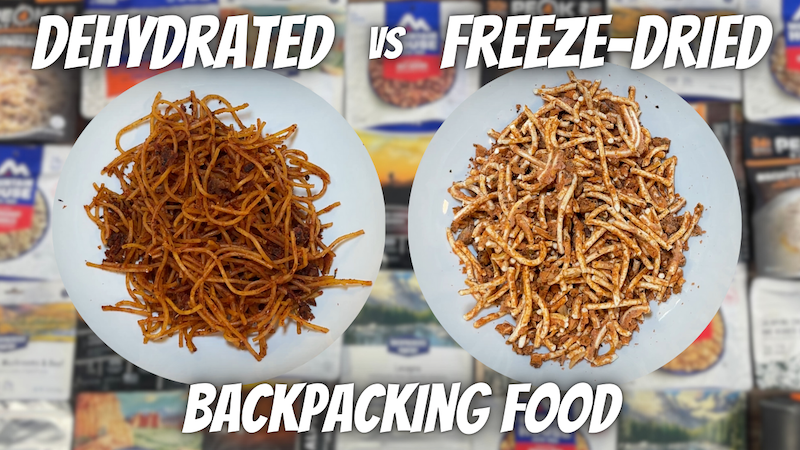
Dehydration is cheap and simple
Dehydration is the oldest and simplest method of food preservation. It works by removing moisture from food, inhibiting the growth of microorganisms that cause spoilage. This is typically achieved by applying low heat over a prolonged period, often using a food dehydrator. The process doesn’t eliminate nutrients, but it does change the food’s texture and can concentrate flavors.
The biggest advantage of dehydration is its affordability. A good quality food dehydrator can be purchased for around $100-$300, and the ongoing cost of electricity is relatively low. It also gives you complete control over the ingredients – you can dehydrate whatever you want, catering to specific dietary needs and preferences. The Hungry Hiker highlights numerous grocery store options suitable for dehydration, making it easy to get started.
Foods that dehydrate well include fruits (apples, bananas, mangoes), vegetables (tomatoes, peppers, onions), and meats (jerky). However, dehydration isn't without its drawbacks. Rehydration times can be lengthy, sometimes requiring 30 minutes or more. The resulting texture can be leathery or chewy, and if not dried properly, food can spoil during storage.
I've found that slicing everything thin and blanching greens keeps the colors from turning gray. If you don't use oxygen absorbers in your storage bags, the food goes soft in weeks.
- Apples, bananas, and mangoes work best for snacks.
- Bananas
- Mangoes
- Tomatoes
- Peppers
- Onions
- Jerky
The science behind freeze-drying
Freeze-drying, also known as lyophilization, is a more complex process than dehydration. It involves freezing the food, then reducing the surrounding pressure to allow the frozen water to sublimate – that is, to transition directly from a solid to a gas, bypassing the liquid phase. This gentle process preserves the food’s structure and nutrients far more effectively than traditional dehydration.
The benefits of freeze-drying are significant. Freeze-dried food is remarkably lightweight, typically lighter than dehydrated food due to the more complete removal of water. Rehydration is also much faster, often taking only a few minutes. Perhaps most importantly, freeze-drying preserves a higher percentage of the food's original nutrients, flavor, and texture.
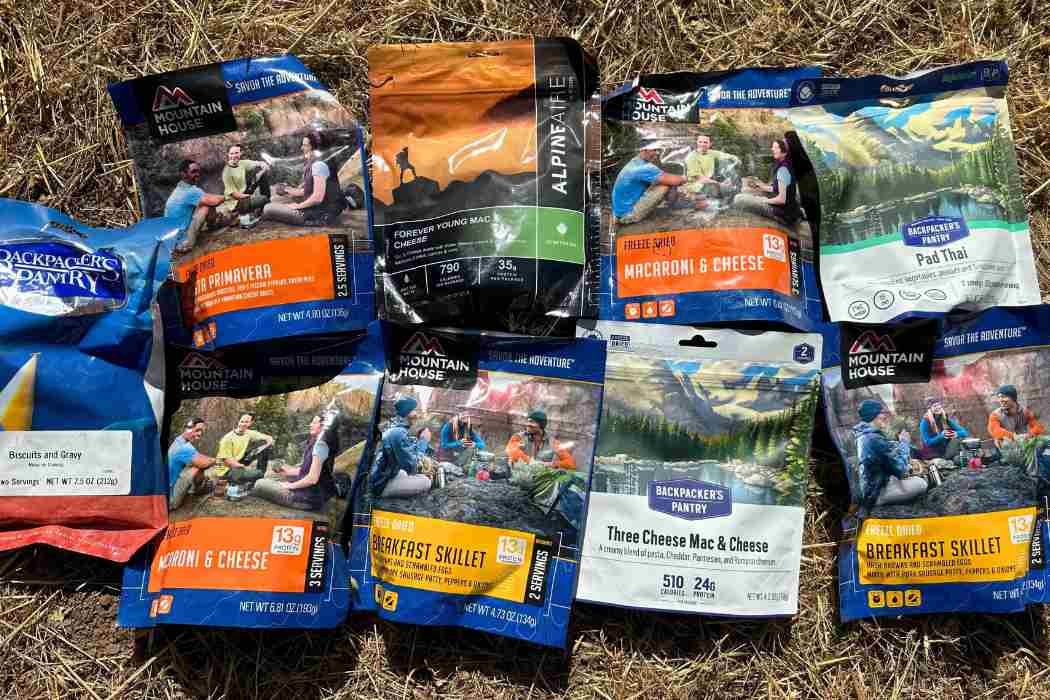
However, freeze-drying comes with a considerable cost. Freeze-drying equipment is expensive – a home unit can easily cost several thousand dollars, making it inaccessible to most individuals. As a result, most backpackers rely on commercially freeze-dried meals, which are significantly more expensive per serving than dehydrated options. The process also requires specialized knowledge and careful control of temperature and pressure.
Despite the cost, the quality of freeze-dried meals has improved dramatically in recent years. Manufacturers are offering a wider variety of options, with more sophisticated flavor combinations and better textures. This has made freeze-dried meals a popular choice for backpackers who prioritize convenience and quality.
Taste and texture
Let's be honest: taste and texture are often the deciding factors when it comes to backpacking food. Dehydrated food can sometimes suffer in this department. The prolonged heating process can alter flavors, and the resulting texture can be leathery, chewy, or even mushy after rehydration. It really depends on the food itself and how well it was prepared.
Freeze-dried food generally retains more of its original flavor and texture. The gentle freeze-drying process minimizes damage to the food's cellular structure, resulting in a more appealing final product. However, even freeze-dried food isn't perfect. Some meals can still be slightly bland or have a somewhat artificial taste.
Improving the taste of both dehydrated and freeze-dried meals is easily achievable. Adding spices
herbs
sauces
and even a little bit of oil can make a world of difference. Experiment with different flavor combinations to find what you enjoy. Don
t underestimate the power of a good hot sauce!”
Nutrient Retention: Dehydrated vs. Freeze-Dried Food
| Nutrient | Dehydration Retention | Freeze-Dried Retention |
|---|---|---|
| Vitamin A | Medium | High |
| Vitamin C | Low | Medium to High |
| B Vitamins (Thiamin, Riboflavin, Niacin) | Medium | Medium |
| Folate | Low | Medium |
| Potassium | Medium | Medium |
| Magnesium | Medium | Medium |
| Calcium | Medium | Medium |
| Iron | Medium | Medium |
Illustrative comparison based on the article research brief. Verify current pricing, limits, and product details in the official docs before relying on it.
Featured Products

Freeze-dried for long shelf life and lightweight portability · Classic comfort food flavor · Easy to prepare with just boiling water
This classic freeze-dried meal offers a hearty and familiar taste, perfect for a satisfying meal after a long day on the trail.

High protein content (42g per serving) · Gluten-free · Freeze-dried for optimal preservation and weight reduction
For those seeking a high-protein, gluten-free option, this freeze-dried Pad Thai delivers a flavorful and nutrient-dense meal.

Dehydrated for a lighter weight and potentially better texture retention · Single-serving pouch for convenience · Authentic Thai curry flavor
This dehydrated Thai Curry offers a convenient single-serving option with a focus on authentic flavor, appealing to those who prefer dehydrated meals.

Combines freeze-dried and dehydrated ingredients · Creamy fettuccine alfredo with mushrooms · Simple preparation with added water
This versatile meal utilizes both freeze-dried and dehydrated components, providing a rich and satisfying mushroom fettuccine alfredo experience.

High protein content (43g per pouch) · Made with 100% real meat · Freeze-dried for quality and portability
Packed with protein and real meat, this freeze-dried Chicken Pesto Pasta is a premium choice for serious backpackers needing substantial fuel.
As an Amazon Associate I earn from qualifying purchases. Prices may vary.
No comments yet. Be the first to share your thoughts!