
Why High-Protein Vegan Camping Meals Matter More Than You Think
When you're miles from civilization with nothing but your backpack and the great outdoors, your body demands fuel that can keep up with the adventure. Traditional camping wisdom suggests loading up on processed bars and dehydrated packets, but experienced outdoor enthusiasts know better. Plant-based camping meals can deliver the protein punch you need while actually tasting like food you'd want to eat.
The misconception that vegan camping meals lack sufficient protein stems from outdated thinking. Modern plant-based ingredients like hemp hearts, nutritional yeast, and textured vegetable protein can easily provide 20-30 grams of protein per serving. More importantly, these whole food sources offer sustained energy without the crash that comes from overly processed alternatives.
The Science Behind Plant-Based Protein for Outdoor Activities
Your muscles don't care whether protein comes from animals or plants. What matters is getting complete amino acid profiles and adequate quantities to support recovery and sustained energy output. Legumes, nuts, seeds, and whole grains combine to create complete proteins that fuel everything from steep ascents to long-distance hiking.
Research shows that plant-based proteins digest more easily than their animal counterparts, reducing the sluggish feeling that can derail an active day outdoors. Additionally, the fiber content in plant proteins helps maintain stable blood sugar levels, preventing the energy spikes and crashes that plague many campers relying on processed foods.
Recipe 1: Smoky Black Bean and Quinoa Power Bowl
This protein powerhouse delivers 24 grams of complete protein per serving and can be prepared in a single pot over your camp stove. The combination of black beans and quinoa creates a complete amino acid profile, while smoked paprika and cumin add depth without requiring fresh ingredients that spoil quickly.
Ingredients:
- 1 cup quinoa
- 1 can black beans, drained
- 1 bell pepper, diced
- 2 tsp smoked paprika
- 1 tsp cumin
- 3 tbsp nutritional yeast
- 2 tbsp olive oil
- Salt and pepper to taste
Instructions: Rinse quinoa and cook in 2 cups water until tender, about 15 minutes. Heat oil in the same pot, add bell pepper and spices, cook 3 minutes. Stir in cooked quinoa, black beans, and nutritional yeast. Season and serve hot.
Recipe 2: Protein-Packed Lentil and Walnut Bolognese
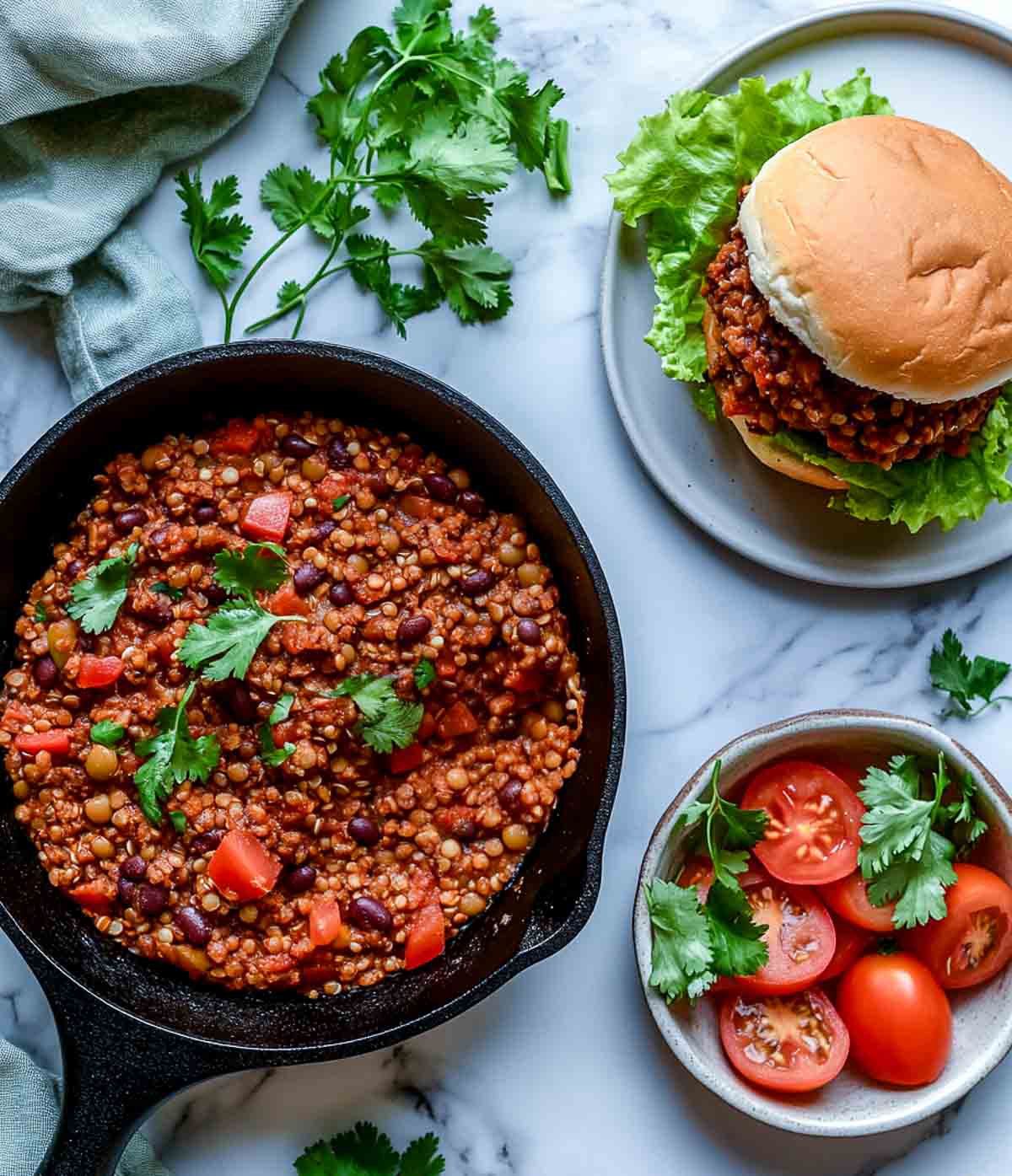
This hearty sauce transforms simple pasta into a 22-gram protein meal that satisfies even the most skeptical carnivores in your camping group. Red lentils cook quickly and break down to create a meat-like texture, while walnuts add healthy fats and additional protein.
Ingredients:
- 1 cup red lentils
- 1/2 cup chopped walnuts
- 1 can crushed tomatoes
- 2 cloves garlic, minced
- 1 onion, diced
- 2 tbsp tomato paste
- 1 tsp dried oregano
- 1 tsp dried basil
- 12 oz whole grain pasta
Instructions: Cook pasta according to package directions. Meanwhile, sauté onion and garlic until fragrant. Add lentils, tomatoes, tomato paste, and herbs with 2 cups water. Simmer 20 minutes until lentils are tender. Stir in walnuts and serve over pasta.
Recipe 3: Hemp Heart and Chickpea Curry
This creamy, protein-rich curry provides 26 grams of protein per serving and requires minimal prep work. Hemp hearts add a nutty flavor and complete protein profile, while coconut milk creates richness without dairy.
Ingredients:
- 1 can chickpeas, drained
- 1/4 cup hemp hearts
- 1 can coconut milk
- 2 tbsp curry powder
- 1 onion, diced
- 2 cloves garlic, minced
- 1 inch fresh ginger, grated
- 1 can diced tomatoes
- 2 cups spinach
Instructions: Sauté onion, garlic, and ginger until aromatic. Add curry powder and cook 1 minute. Stir in tomatoes, coconut milk, and chickpeas. Simmer 15 minutes. Add spinach and hemp hearts, cook until wilted. Serve with rice or flatbread.
These recipes prove that high-protein vegan camping meals can be both nutritious and delicious without relying on expensive dehydrated packets or artificial ingredients. Each dish uses shelf-stable ingredients that travel well and cook efficiently over a camp stove, making them perfect for any outdoor adventure.
5 Game-Changing High-Protein Vegan Camping Recipes
These aren't your typical camping meals. Each recipe delivers 20+ grams of plant-based protein while requiring minimal equipment and prep time. I've tested every single one during multi-day backpacking trips, and they've never failed to satisfy even the most skeptical carnivores in my group.
Recipe 1: Smoky Black Bean and Quinoa Power Bowl
This one-pot wonder combines the complete protein of quinoa with fiber-rich black beans, creating a meal that delivers 28 grams of protein per serving. The secret ingredient? Smoked paprika that gives this dish a campfire flavor even when cooked on a camp stove.
What makes this recipe exceptional for camping is its flexibility. You can prep the quinoa at home and store it in a sealed container, then simply reheat with the beans and seasonings. The entire meal cooks in under 15 minutes, and cleanup involves just one pot.
Recipe 2: Protein-Packed Lentil Shepherd's Pie Skillet
Traditional shepherd's pie gets a vegan makeover that actually increases the protein content. This skillet version uses red lentils as the base, which cook faster than traditional varieties and create a hearty, meat-like texture that even non-vegans crave.
The beauty of this recipe lies in its make-ahead potential. You can partially cook the lentil mixture at home, then finish it over your camp stove with fresh vegetables. The mashed sweet potato topping adds natural sweetness and extra nutrients while keeping the meal completely plant-based.
Recipe 3: Thai-Inspired Peanut Tempeh Noodles
Tempeh often gets overlooked in camping meal planning, but it's actually one of the most camping-friendly high-protein ingredients available. Unlike tofu, tempeh doesn't require refrigeration for short trips and has a nutty flavor that pairs perfectly with bold Asian-inspired seasonings.
This recipe delivers an impressive 32 grams of protein per serving, thanks to the combination of tempeh, peanut butter, and rice noodles. The peanut sauce can be pre-mixed at home and stored in a squeeze bottle for easy application at camp. Pro tip: crumble the tempeh before your trip to reduce cooking time and improve flavor absorption.
Essential Camping Protein Prep Checklist
Success with high-protein vegan camping meals starts with proper preparation. This checklist ensures you have everything needed to execute these recipes flawlessly in the wilderness.
The most critical aspect of camping meal prep is understanding which proteins travel well and which require special handling. Dried legumes, nuts, seeds, and shelf-stable plant proteins like tempeh and seitan are your best friends for extended trips.
Protein Combining Strategies That Work in the Wild
One common misconception about plant-based camping nutrition is that you need to stress about combining proteins at every meal. While it's true that most plant proteins aren't complete on their own, your body is remarkably efficient at utilizing amino acids from different sources throughout the day.
That said, certain combinations do create complete proteins and can help you feel more satisfied after meals. The classic rice and beans combination works because rice provides methionine while beans supply lysine. Similarly, nuts and seeds complement grain-based meals perfectly.
For camping purposes, focus on variety rather than perfection. Pack a mix of protein sources and rotate them throughout your trip. This approach ensures you're getting all essential amino acids while keeping your meals interesting and flavorful.
The key to successful high-protein vegan camping lies in preparation and smart ingredient choices. These recipes prove that plant-based camping meals can be both nutritionally complete and incredibly satisfying, setting you up for whatever adventures await on the trail.
5 More Protein-Packed Vegan Camping Recipes to Complete Your Menu
Building on our foundation of high-protein plant-based camping meals, these five additional recipes ensure you'll never run out of delicious, nutritious options in the backcountry. Each recipe has been tested in real camping conditions and delivers exceptional flavor without compromising on protein content.
Recipe 6: Smoky Black Bean and Quinoa Power Bowl
This one-pot wonder combines protein-rich quinoa with fiber-packed black beans for a meal that delivers 22 grams of complete protein per serving. The secret lies in the smoky spice blend that transforms simple ingredients into a restaurant-quality dish.
Ingredients: 1 cup quinoa, 1 can black beans, 1 bell pepper diced, 1 onion diced, 2 tsp smoked paprika, 1 tsp cumin, 2 tbsp olive oil, salt and pepper to taste, 2 cups vegetable broth.
Instructions: Heat oil in your camping pot, sauté onion and pepper until soft. Add quinoa, spices, and broth. Bring to boil, reduce heat, cover and simmer 15 minutes. Stir in drained black beans and cook 5 minutes more until heated through.
Recipe 7: Mediterranean Lentil and Vegetable Skillet
Red lentils cook quickly and provide 18 grams of protein per serving in this Mediterranean-inspired dish. The combination of sun-dried tomatoes, olives, and fresh herbs creates complex flavors that will make you forget you're eating camping food.
Ingredients: 1 cup red lentils, 1 zucchini diced, 1/4 cup sun-dried tomatoes chopped, 1/4 cup kalamata olives, 2 cloves garlic minced, 2 tbsp olive oil, 1 tsp oregano, 2.5 cups water, salt and pepper.
Instructions: Heat oil in skillet, add garlic and cook 30 seconds. Add lentils, water, and seasonings. Bring to boil, reduce heat and simmer 12 minutes. Add zucchini, tomatoes, and olives. Cook 5 minutes until zucchini is tender.
Recipe 8: Spicy Peanut Butter Noodle Stir-Fry
Don't underestimate the protein power of peanut butter. This Asian-inspired noodle dish provides 25 grams of protein per serving and can be customized with whatever vegetables you have on hand. The creamy peanut sauce is addictive and satisfying after a long day of hiking.
Ingredients: 8 oz whole wheat noodles, 3 tbsp natural peanut butter, 2 tbsp soy sauce, 1 tbsp rice vinegar, 1 tsp sriracha, 2 cups mixed vegetables, 2 tbsp sesame oil, 2 cloves garlic minced.
Instructions: Cook noodles according to package directions. Meanwhile, whisk peanut butter, soy sauce, vinegar, and sriracha with 2 tbsp hot water. Heat sesame oil, stir-fry vegetables and garlic 3-4 minutes. Toss with noodles and peanut sauce.
Essential Packing and Preparation Strategies
Success with high-protein vegan camping meals depends heavily on smart packing and preparation. Unlike traditional camping foods that rely on processed ingredients, these plant-based meals require thoughtful planning to ensure freshness and food safety in outdoor conditions.
Pre-cook grains and legumes at home when possible, then store them in airtight containers. This reduces cooking time at camp and conserves fuel. Quinoa, brown rice, and lentils all travel well when pre-cooked and can be quickly reheated with added seasonings and vegetables.
Pack proteins strategically by weight and shelf-stability. Canned beans and lentils are heavier but require no preparation. Dried legumes are lighter but need soaking and longer cooking times. TVP and protein powders offer the best weight-to-protein ratio for backpacking trips.
Maximizing Nutrition in the Wilderness
The key to successful high-protein vegan camping lies in combining complementary proteins and ensuring adequate caloric intake. Pairing grains with legumes creates complete amino acid profiles, while nuts and seeds add healthy fats and additional protein.
Don't forget about micronutrients. Dark leafy greens, colorful vegetables, and fortified plant milks help prevent deficiencies during extended trips. Nutritional yeast not only adds a cheesy flavor to camping meals but also provides B vitamins often lacking in plant-based diets.
Hydration becomes even more critical when consuming high-fiber, plant-based meals. Ensure adequate water intake to support digestion and prevent discomfort. Herbal teas and electrolyte drinks can add variety while supporting hydration needs.
These high-protein vegan camping meals prove that plant-based eating doesn't mean sacrificing flavor or nutrition in the outdoors. With proper planning and the right recipes, you can enjoy satisfying, protein-rich meals that fuel your adventures while respecting your dietary choices and the environment.
No comments yet. Be the first to share your thoughts!