

Pack It In, Pack It Out: The Core Principle
The foundation of responsible camping, especially zero-waste camping, is the Leave No Trace principle. This commitment to minimizing our impact on the natural world means carefully considering every item we bring and ensuring everything—including scraps and packaging—leaves with us. It’s a straightforward idea, but putting it into practice takes effort.
Zero-waste camping focuses on intentionally reducing trash. A realistic goal is mindful reduction, understanding that some waste might be unavoidable but striving to minimize it. The biggest culprits in typical camping meals are single-use plastics: pre-packaged snacks, individually wrapped condiments, and disposable cutlery add up quickly.
Zero-waste camping is harder than grabbing a box of granola bars and a bag of chips. It requires more planning, preparation, and a willingness to step outside of convenient habits. The benefits—a lighter environmental footprint and a deeper connection with nature—are well worth the effort. It’s about shifting our mindset from convenience to conservation.
Discarded wrappers blowing across campsites and food scraps left behind attracting wildlife are common sights. Contributing to that doesn’t feel good. This guide provides practical strategies for enjoying the outdoors while minimizing our impact and embracing a more sustainable approach to camping food.
Ditch the Disposables: Reusable Gear Essentials
Zero-waste camping starts with investing in reusable gear. This goes beyond bringing your own plate and fork; it’s about rethinking every aspect of food storage, preparation, and consumption. Containers are a good starting point. Stainless steel containers from Klean Kanteen are durable and versatile for storing leftovers, pre-chopped ingredients, and entire meals.
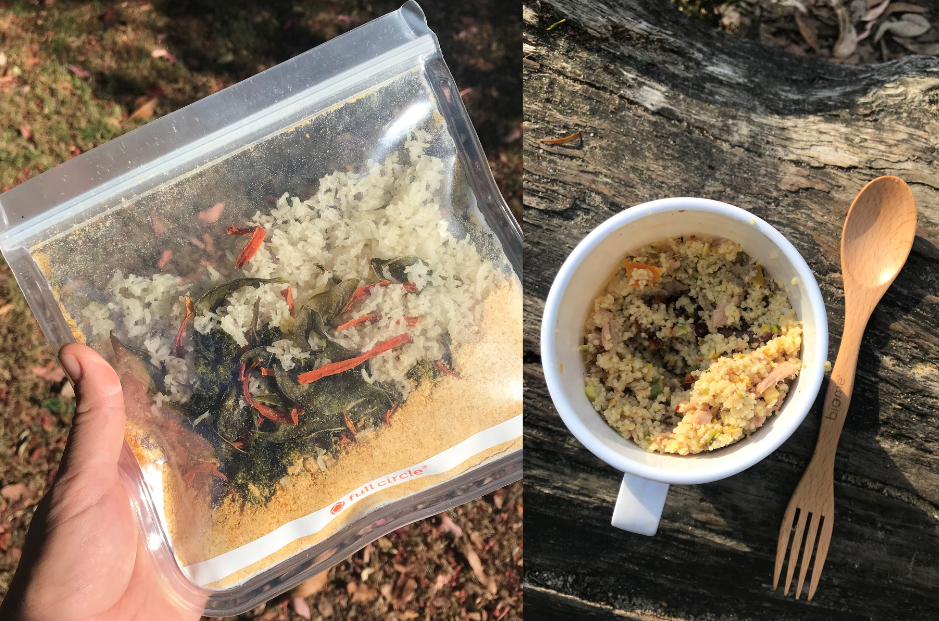
Silicone food storage bags, like those from Stasher, are another excellent option. They’re lightweight, flexible, and can be used for sandwiches to soups. Beeswax wraps are fantastic for wrapping cheese, fruits, and vegetables—a natural and compostable alternative to plastic wrap. A reusable water filtration system is also essential. A Sawyer Squeeze filter is compact, reliable, and eliminates the need for disposable water bottles.
Reusable shopping bags are essential for grocery shopping before your trip. Bring several to the store and refuse plastic produce bags, placing fruits and vegetables directly into your cart. A washable camp towel, like those from Nomadix, replaces paper towels for cleaning spills and drying dishes. These towels are quick-drying and pack down small.
Cleaning these items in the backcountry requires biodegradable soap and effort. Dr. Bronner’s Pure-Castile Soap is versatile and environmentally friendly. Wash dishes at least 200 feet away from water sources and pack out all soapy water. The initial investment in reusable gear can be higher, but it pays off in the long run—both financially and environmentally.
- Stainless steel containers (Klean Kanteen): Durable, versatile.
- Silicone food storage bags (Stasher): Lightweight, flexible.
- Beeswax wraps: Natural, compostable.
- Water filtration system (Sawyer Squeeze): Compact, reliable.
- Reusable shopping bags: For pre-trip grocery shopping.
- Washable camp towel (Nomadix): Quick-drying, compact.
7 Zero-Waste Meal Ideas (Inspired by Mother Earth)
Here are seven meal ideas designed to minimize waste and maximize flavor. First, oatmeal with foraged berries (when in season and safely identifiable!). Pre-portion oats into a reusable container and bring a small jar of nut butter. Foraging adds a unique element, but always be 100% certain of your identification.
Next, a hearty lentil stew. Lentils require no pre-soaking and cook quickly. Combine them with diced vegetables (carrots, potatoes, onions) and spices in a single pot. A foil packet meal of chopped vegetables and beans is another simple option. Use reusable foil alternatives if possible, or ensure your foil is thoroughly cleaned and reused multiple times.
Pasta with pesto is a classic. Make the pesto at home to avoid the jar, or purchase it in a glass jar that can be reused. Chickpea curry is satisfying and uses pantry staples. Canned chickpeas are convenient, but dried chickpeas reduce packaging further. Breakfast burritos with pre-cooked beans and rice are great for a quick start. Wrap in a beeswax wrap instead of foil.
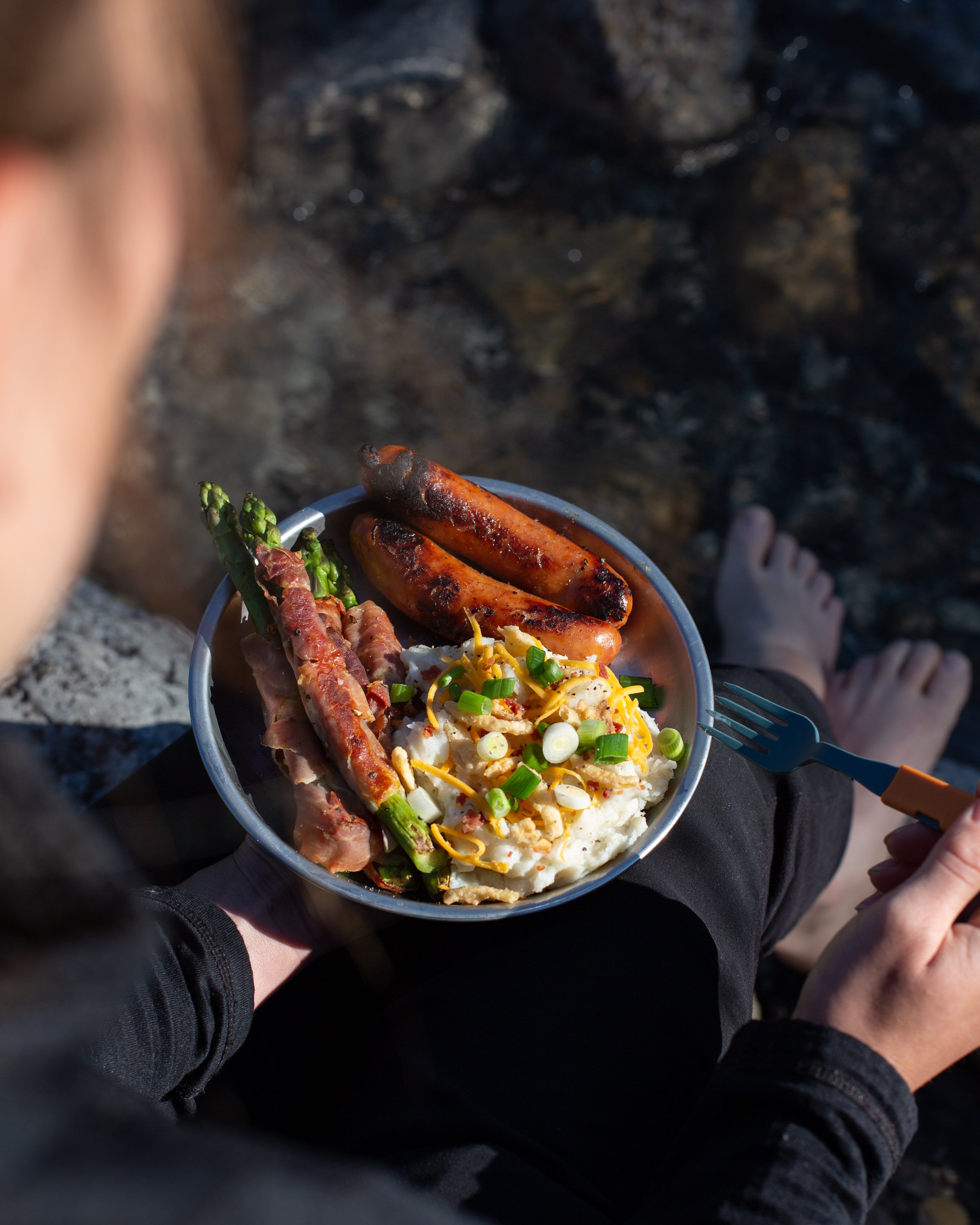
Finally, campfire potatoes. Dice potatoes, add olive oil and spices, and cook in a cast iron skillet over the campfire. These meals prioritize whole foods and minimal processing, reducing packaging. Pack out any leftover food scraps.
Adapt these to your dietary needs and preferences. Gluten-free options are easily incorporated by using gluten-free pasta or oats. Nut-free options can be achieved by substituting seeds for nuts. The key is to plan ahead and be creative.
Vegan Power: Plant-Based Camping Fuel
A plant-based diet aligns with zero-waste camping. Plant-based foods often require less packaging than meat or dairy products. Beans, lentils, quinoa, nuts, seeds, and dried fruits are lightweight, nutrient-dense, and generally come in minimal packaging—especially when purchased in bulk.
Consider a black bean burger made from scratch and transported in a reusable container. Quinoa salad with chopped vegetables is another excellent option. Dried fruits and nuts provide a quick energy boost. Beans, lentils, quinoa, and nuts are excellent sources of plant-based protein.
undefined at home. Soak beans overnight, pre-chop vegetables, and make your own trail mix. This reduces the need for pre-packaged snacks and allows you to control the ingredients. A simple overnight oats recipe with plant-based milk and seeds is a great make-ahead breakfast option.
Plant-based meals are often lighter to carry than meals containing meat, which is a significant advantage when backpacking. They also tend to be more easily digestible, which can be important when you’re physically active.
Smart Shopping: Pre-Trip Planning is Key
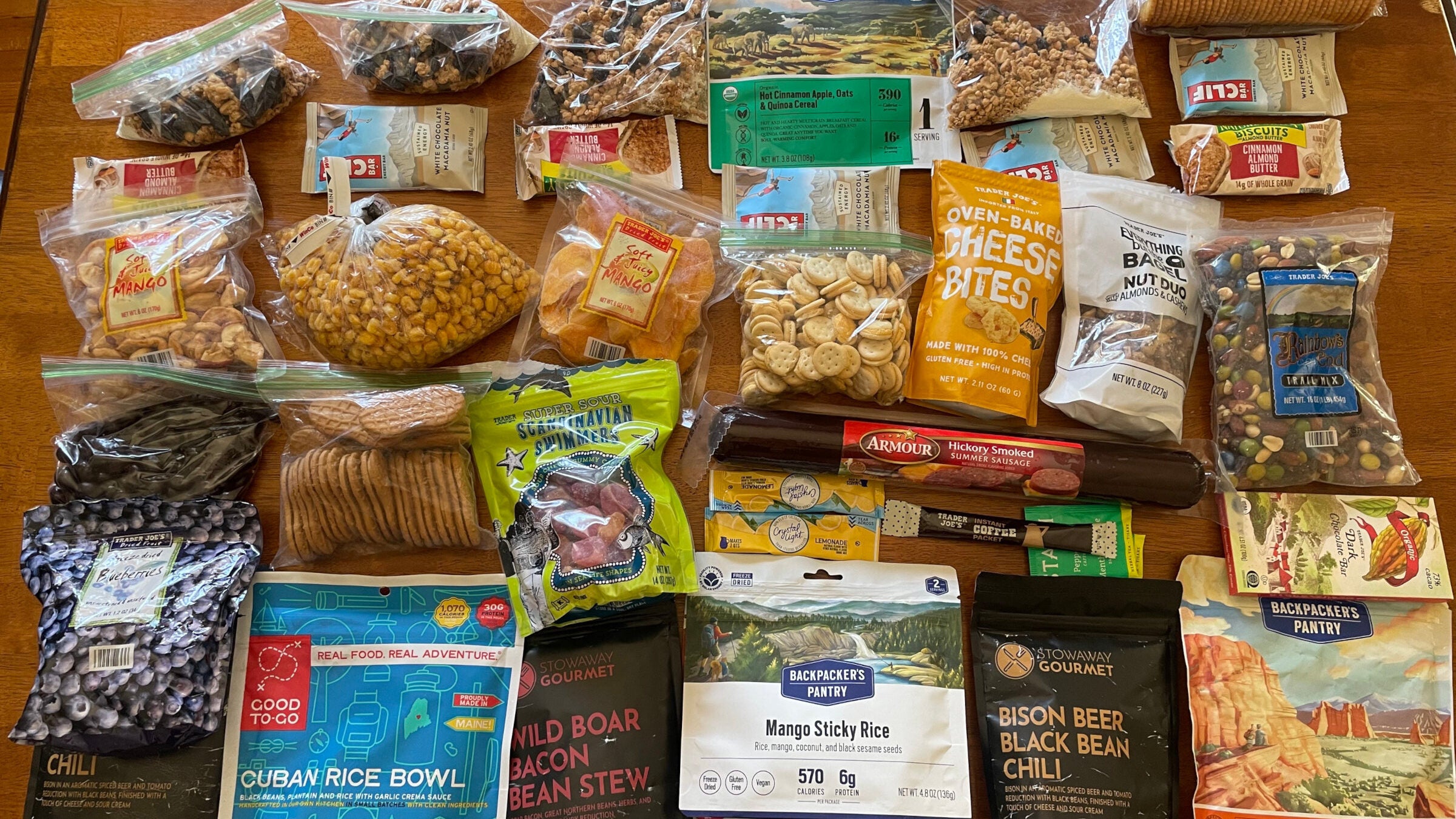
Minimizing waste starts long before you reach the campsite – it begins at the grocery store. Bulk buying is your friend. Purchase grains, beans, nuts, and seeds from bulk bins using your own reusable containers. Avoid individually packaged items whenever possible. Bring your own reusable produce bags and decline plastic bags at the checkout.
Making your own trail mix is a simple way to avoid pre-packaged snacks. Combine nuts, seeds, dried fruits, and even a little dark chocolate in a reusable container. Dehydrating food is another excellent option. Fruits, vegetables, and even entire meals can be dehydrated and rehydrated at the campsite, reducing weight and waste.
Careful meal planning is crucial. Create a detailed shopping list based on your planned meals, and stick to it. This prevents impulse purchases and reduces the likelihood of leftovers. Store food properly at home before your trip to prevent spoilage. I personally create a spreadsheet with each meal, the ingredients, and the quantity needed.
Consider the packaging of everything you buy. Opt for items packaged in glass or metal, which are more easily recycled than plastic. If plastic is unavoidable, choose items with minimal packaging.
Food Storage in Bear Country: Zero-Waste & Safe
This is non-negotiable: safety first. Reconciling zero-waste principles with the need for bear-resistant food storage can be challenging, but it’s essential. Bears have an incredibly keen sense of smell, and even seemingly eco-friendly packaging materials can attract them. Bear canisters are the most reliable option, providing a completely bear-proof container for your food.
Bear bags, when hung properly, can also be effective, but they require specific techniques and are not foolproof. Always check the regulations for the specific park or wilderness area you’re visiting, as requirements vary. Some parks require the use of bear canisters, while others allow bear bags. Proper hanging technique is critical – the bag must be at least 10 feet off the ground and 4 feet from the trunk of the tree.
Avoid storing food in your tent at all costs. Even a small amount of food odor can attract bears. Be mindful of scented items like toothpaste and deodorant, and store them with your food. Remember, a bear encounter can be dangerous for both you and the bear. I'm not sure about the latest canister regulations in all parks, so I recommend checking the National Park Service website:
While you might prefer compostable packaging, it’s generally not suitable for bear country, as it still emits odors that can attract bears. Prioritize bear safety over zero-waste ideals in these situations.
Composting & Waste Disposal: Backcountry Best Practices
Dealing with food scraps and compostable materials in the backcountry requires careful consideration. The Leave No Trace principle dictates that we should "Pack It In, Pack It Out" – meaning all trash, including food scraps, should be carried out with us. Composting in the backcountry is generally discouraged, as it can attract wildlife.
Some designated campsites may have composting facilities, but these are rare. If available, use them responsibly. Otherwise, pack out all food waste in a sealed container. The challenges of composting vary depending on the environment. In a desert environment, decomposition is slow due to the lack of moisture. In a forest, decomposition is faster, but the potential for attracting wildlife is higher.
Proper disposal of any unavoidable waste is also crucial. Don’t bury trash, as it can be unearthed by animals. Don’t burn trash, as it releases harmful pollutants into the air. Pack it out, and dispose of it properly when you return home. It’s a small effort that makes a big difference.
No comments yet. Be the first to share your thoughts!