

Beyond Trail Mix: AI's Role in Backpacking Food
For years, planning backpacking meals has felt like a compromise. Either you spend hours meticulously calculating calories and macronutrients, or you settle for lightweight but often unsatisfying options like endless trail mix and energy bars. It’s a problem that’s only getting bigger. Backpacking is booming in popularity, with more people seeking outdoor adventures and pushing their physical limits. This increased demand means a greater need for optimized nutrition – food that fuels performance and supports recovery.
The good news is that artificial intelligence is starting to offer a solution. We’re seeing the emergence of a new generation of tools designed to take the guesswork out of backpacking meal planning. These aren't just recipe databases; they're systems that can personalize recommendations, optimize for weight and volume, and even generate entirely new recipes based on your specific needs. It's a shift from simply surviving on the trail to truly thriving.
This article explores AI-powered camping nutrition, examining current apps and tools and anticipating future developments. We'll cover the specific nutritional demands of backpacking, how AI addresses these needs, and guidance for choosing the right tools for your next adventure. It's about maximizing your experience in the backcountry.
Nutritional Needs on the Trail
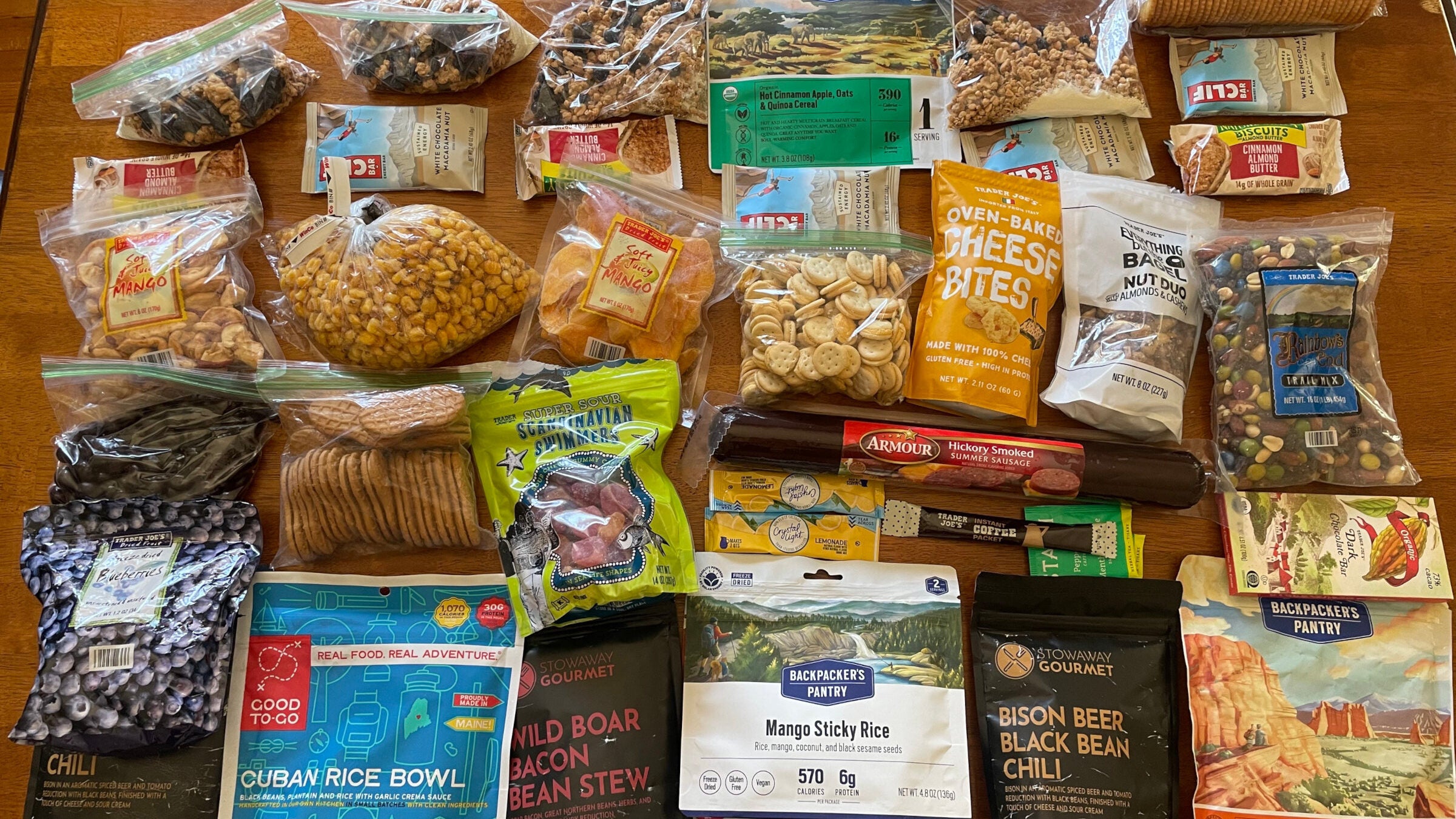
Backpacking is physically demanding, and your nutritional needs are significantly higher than during a typical day. Calorie expenditure can easily exceed 3,000-5,000 calories per day, depending on the terrain, elevation, and your body weight. Simply maintaining energy levels requires a substantial caloric intake, and that’s before accounting for the energy needed for recovery.
Macronutrient ratios are also critical. While individual needs vary, a good starting point is around 50-60% carbohydrates for quick energy, 20-30% fat for sustained fuel, and 15-25% protein for muscle repair and recovery. Electrolytes – sodium, potassium, magnesium – are often overlooked but are essential for maintaining hydration and preventing muscle cramps, especially at higher altitudes. Dehydration can happen quickly, so replacing these lost nutrients is paramount.
KitchenStewardship.com emphasizes the importance of 'real food' even in the backcountry. While convenience foods have their place, prioritizing whole, unprocessed ingredients provides a more sustained energy source and a wider range of nutrients. This doesn’t mean you need to carry a cast iron skillet, but it does mean considering options beyond solely relying on pre-packaged meals. Factors like trip duration and altitude dramatically affect these needs; a weekend trip at low elevation requires far less than a week-long trek in the mountains.
Nutritional Needs by Backpacking Trip Type
| Trip Type | Calories | Protein | Carbohydrates | Electrolytes |
|---|---|---|---|---|
| Day Hike (4-6 hours) | Medium | Medium | Medium | Medium |
| Weekend Trip (2-3 days) | High | Medium-High | Medium-High | High |
| Multi-Day Trek (4-7 days) | High | High | High | High |
| High-Altitude Trek | High | High | Medium-High | High |
| Cold Weather Trek | High | High | High | Medium |
| Desert Backpacking | Medium-High | Medium | Medium | High |
Illustrative comparison based on the article research brief. Verify current pricing, limits, and product details in the official docs before relying on it.
The Current Landscape of Backpacking Apps
Many apps enhance the backpacking experience, but few focus on comprehensive meal planning. AllTrails, for example, offers trail information like elevation gain and distance, which can help estimate calorie burn. However, it doesn't translate that information into personalized meal recommendations.
Basic recipe apps like BigOven or Yummly let you search for recipes but lack backpacking-specific planning features. They don't account for weight, volume, or the need for non-perishable ingredients. This leaves you to manually adjust recipes and calculate nutritional values.
These apps can be helpful as part of a larger system but don't offer a fully optimized solution. They lack the intelligence to dynamically adjust to individual needs or prioritize factors crucial for backpacking: lightweight, calorie-dense, and nutritionally balanced.
AI Apps: Early Adopters & What They Do
The first wave of apps designed to leverage AI for backpacking meal planning is here. These tools offer personalized recommendations based on various factors. You can input dietary restrictions (vegetarian, vegan, gluten-free, allergies), activity level (estimated daily mileage, elevation gain), and trip duration. Some apps even let you specify your pack weight capacity.
Weight and volume optimization is a key feature. AI algorithms analyze recipes and suggest substitutions to reduce weight without sacrificing nutritional value. This might involve swapping fresh ingredients for dehydrated alternatives or recommending smaller portion sizes. Many apps integrate with fitness trackers like Fitbit or Apple Watch to automatically adjust recommendations based on your actual activity levels.
Currently, most of these apps suggest existing recipes from a curated database. However, the underlying technology is rapidly evolving. While specific SDKs or packages used are not publicly detailed by most apps, the trend points towards machine learning models trained on vast datasets of recipes and nutritional information. The goal is to move beyond simple suggestions towards intelligent meal planning.
More apps will offer features like automated grocery lists and the ability to track food consumption throughout your trip. The best apps simplify every aspect of the backpacking food process, from planning to packing to eating.
AI-Powered Recipe Generation for Backpackers
Generating recipes on demand is the most exciting development in AI-powered backpacking nutrition. Instead of choosing from a pre-existing list, these apps create new recipes based on your available ingredients, dietary needs, and desired calorie/macro targets. This minimizes food waste and maximizes nutritional value.
Imagine you have limited ingredients – oats, nuts, dried fruit, protein powder – and need a breakfast recipe delivering at least 500 calories and 20 grams of protein. An AI-powered app can instantly generate a customized recipe tailored to your specifications. This personalization isn't possible with traditional meal planning methods.
TheAdventureBite.com offers inspiration for easy camping food ideas, even without direct AI use. Their emphasis on simple, adaptable recipes shows the potential for AI to automate creating similar meals. The technology allows for experimentation and optimization, leading to more efficient and satisfying backpacking meals.
Weight & Volume Optimization: A Key AI Benefit
AI algorithms excel at optimizing weight and volume, critical considerations for backpackers. They can prioritize dehydrated or freeze-dried ingredients, suggest appropriate portion sizes, and identify the most calorie-dense foods for minimal weight. This is where AI's power lies.
For example, an AI might recommend replacing a can of tuna (heavy and bulky) with an equivalent amount of freeze-dried tuna (lightweight and compact). It could also suggest removing excess packaging to further reduce weight. Algorithms can analyze the nutritional content of different ingredients and identify the optimal combination to meet your needs with the least weight.
There are trade-offs. Dehydrated foods can sometimes lack the flavor and texture of their fresh counterparts. AI can help you find the right balance between weight, volume, and taste. It can also suggest ways to enhance the flavor of dehydrated meals with spices and seasonings.
- Prioritize dehydrated/freeze-dried ingredients
- Suggest optimal portion sizes
- Identify calorie-dense foods
- Minimize packaging
Future Trends: AI & Personalized Nutrition
The future of AI-powered backpacking nutrition is promising. Expect tighter integrations with wearable sensors, such as heart rate monitors and sweat analysis devices. These sensors could provide real-time data on your energy expenditure and hydration levels, allowing AI to dynamically adjust your nutritional recommendations.
Imagine an app that detects you’re pushing harder than expected and automatically suggests a higher-calorie snack or an electrolyte boost. Or an app that analyzes your sweat composition and recommends specific nutrients to replenish what you’re losing. This personalized nutrition is within reach.
AI-driven resupply recommendations are another potential development. Based on your location, consumption patterns, and planned route, the app could suggest the best places to resupply with food and water. While these advancements are exciting, it's realistic to note that accuracy depends on data quality and algorithm sophistication. AI will play an increasingly important role in helping backpackers optimize their nutrition and maximize their performance.
Navigating Data Privacy & App Security
Sharing personal dietary and activity data with any app raises privacy concerns. Carefully read the privacy policies of any AI-powered backpacking nutrition app before using it. Pay attention to what data is collected, how it's used, and with whom it's shared.
Choose apps from reputable developers committed to data security. Look for apps that use encryption to protect your data and offer options for controlling privacy settings. Be wary of apps that request excessive permissions or don’t clearly explain their data practices.
Protecting your data is your responsibility. Use strong, unique passwords and enable two-factor authentication whenever possible. Be mindful of the information you share and avoid entering sensitive data on unsecured networks. Taking these precautions lets you enjoy the benefits of AI-powered backpacking nutrition while minimizing privacy risks.
No comments yet. Be the first to share your thoughts!