

Why I hike on plants
I used to think hiking fuel meant beef jerky and tuna packets. But after a few years of long-distance trails, I've found that plant-based foods actually sit better in my stomach during a steep climb. You don't need animal products to stay energized on the trail.
The idea that plant-based eating can’t fuel intense activity is a persistent myth. In reality, a well-planned vegan diet can provide all the necessary nutrients for hikers – and often, with some significant advantages. Plant-based foods are typically easier to digest, meaning less energy wasted on processing and more available for the trail. They also tend to be lighter in weight, which is a huge benefit when you're carrying everything on your back. Plus, there are ethical and environmental considerations that appeal to many hikers.
These 15 foods are staples in my pack because they're light, calorie-dense, and won't spoil in the heat. Here is how to pack them and why they work for high-mileage days.
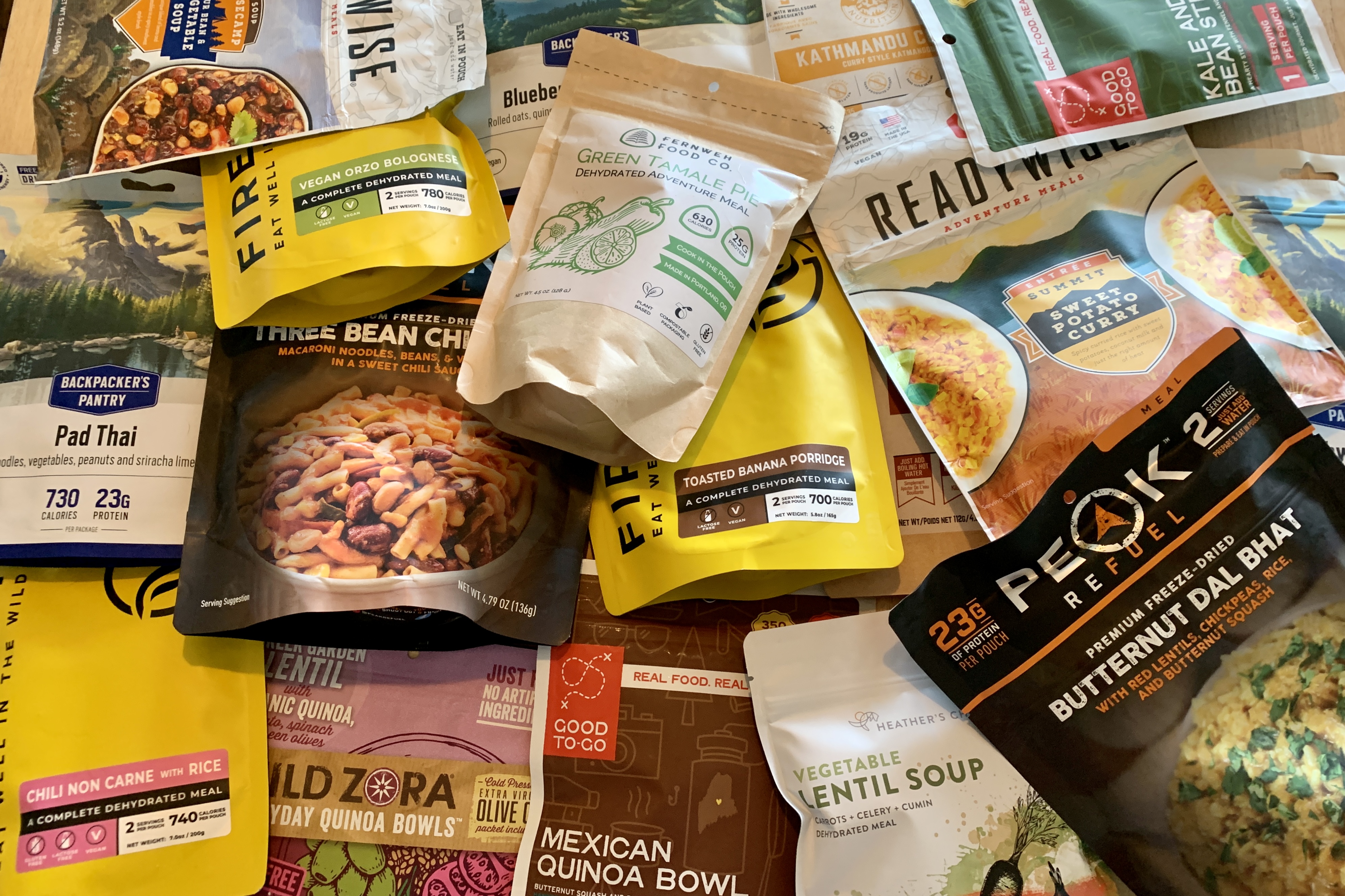
15 high-energy trail foods
Let’s get straight to the good stuff. Here are 15 plant-based foods that deserve a place in your hiking pack. Each entry includes a quick 'hiker rating' based on portability (1-5 stars, 5 being the easiest to pack), energy boost (1-5 stars, 5 being the most sustained energy), and taste (1-5 stars, subjective, of course!).
Dates: These little gems are packed with natural sugars for a quick energy boost. They’re also a good source of potassium, an important electrolyte. Portability: 5 stars. Energy Boost: 4 stars. Taste: 4 stars. Pack them as is, or pitted and stuffed with almond butter.
Almonds: A classic hiking snack for a reason. They provide healthy fats, protein, and fiber for sustained energy. A handful goes a long way. Portability: 5 stars. Energy Boost: 3 stars. Taste: 4 stars. Buy pre-portioned packs or create your own.
Chia Seeds: These tiny seeds are a nutritional powerhouse, offering fiber, protein, and omega-3 fatty acids. They expand in liquid, providing a feeling of fullness. Portability: 4 stars. Energy Boost: 3 stars. Taste: 3 stars. Add them to overnight oats or sprinkle them on fruit.
Quinoa: A complete protein source and a good source of complex carbohydrates. It’s more substantial than many other trail snacks. Portability: 3 stars. Energy Boost: 4 stars. Taste: 3 stars. Prepare it ahead of time and pack it in a lightweight container.
Sweet Potatoes: A surprisingly good hiking food, especially when dehydrated or mashed and formed into patties. They’re rich in carbohydrates and vitamin A. Portability: 3 stars. Energy Boost: 4 stars. Taste: 4 stars. Dehydrated sweet potato chips are a great option.
Edamame: A complete protein source and a good source of fiber. It’s also relatively lightweight and easy to eat. Portability: 4 stars. Energy Boost: 3 stars. Taste: 4 stars. Buy pre-shelled edamame for convenience.
Pumpkin Seeds: These seeds are packed with magnesium, zinc, and healthy fats. They’re a good source of sustained energy. Portability: 5 stars. Energy Boost: 3 stars. Taste: 4 stars. Roasted and salted pumpkin seeds are particularly satisfying.
Dried Mango: A delicious and convenient source of quick energy. It’s high in sugar, so consume in moderation. Portability: 5 stars. Energy Boost: 4 stars. Taste: 5 stars. Look for brands with no added sugar.
Whole-Grain Crackers: Provide complex carbohydrates for sustained energy. Choose whole-grain options for added fiber and nutrients. Portability: 4 stars. Energy Boost: 3 stars. Taste: 3 stars. Pair them with nut butter for a more complete snack.
Lentil Salad: A surprisingly good option for a longer hike. Lentils are packed with protein and fiber. Portability: 3 stars. Energy Boost: 4 stars. Taste: 3 stars. Prepare it ahead of time and pack it in a sealed container.
Trail Mix (Homemade!): Control the ingredients and tailor it to your preferences. Combine nuts, seeds, dried fruit, and whole-grain cereal. Portability: 5 stars. Energy Boost: 4 stars. Taste: 5 stars. The possibilities are endless.
Energy Balls: A convenient and customizable snack packed with energy-boosting ingredients like dates, nuts, and seeds. Portability: 5 stars. Energy Boost: 4 stars. Taste: 4 stars. (Recipes to follow!).
Nut Butter Packets: A concentrated source of healthy fats and protein. Convenient and easy to eat on the go. Portability: 5 stars. Energy Boost: 4 stars. Taste: 4 stars. Several brands offer single-serving packets.
Seaweed Snacks: A surprisingly good source of sodium and other minerals, which can be helpful for electrolyte balance. Portability: 5 stars. Energy Boost: 2 stars. Taste: 3 stars. They’re a light and crispy snack.
Balancing carbs, protein, and fat
Understanding macronutrients – carbohydrates, protein, and fats – is key to fueling your hikes effectively. Carbohydrates are your primary energy source, providing fuel for your muscles. Protein is essential for muscle repair and recovery. Fats provide sustained energy and help your body absorb certain vitamins.
According to research from Metropolitan State University of Denver (Kelly Beaty, Hiking Snacks Newsletter), the ideal macronutrient ratio for hikers depends on the duration and intensity of the activity. For a shorter, less strenuous hike (2-4 hours), a ratio of 50-60% carbohydrates, 15-20% protein, and 20-30% fat is a good starting point. For a longer, more challenging hike (6+ hours), you'll want to increase your carbohydrate intake to 60-70% and slightly increase your fat intake to 25-30%.
Don’t get hung up on precise numbers. The goal is to find a balance that works for you. Pay attention to how your body feels and adjust your intake accordingly. The foods we discussed earlier provide a good mix of all three macronutrients, allowing you to customize your fuel based on your needs. Remember, consistent energy is better than quick spikes and crashes.
Macronutrient Recommendations for Hiking Duration
| Hike Duration | Carbohydrates (%) | Protein (%) | Fat (%) | Notes |
|---|---|---|---|---|
| Short (under 3 hours) | 50-60% | 10-20% | 20-30% | Focus on readily available carbohydrates for quick energy. Moderate protein to support muscle recovery. |
| Medium (3-6 hours) | 55-65% | 15-25% | 20-30% | Slightly increase protein intake compared to shorter hikes. Consistent carbohydrate intake is crucial to maintain energy levels. |
| Long (6+ hours) | 60-70% | 15-20% | 20-30% | Prioritize carbohydrates for sustained energy. Adequate protein is important for preventing muscle breakdown during prolonged activity. |
| Very Long/Multi-day (8+ hours/days) | 65-75% | 15-20% | 20-25% | Higher carbohydrate needs to replenish glycogen stores. Focus on easily digestible foods and consistent fueling throughout the day. |
| High Altitude Hikes | 60-70% | 15-25% | 20-30% | Increased carbohydrate needs may be beneficial due to the increased energy expenditure at altitude. Consider easily digestible options. |
| Cold Weather Hikes | 55-65% | 20-25% | 25-35% | Slightly increase fat intake to provide additional energy and support thermoregulation. |
Illustrative comparison based on the article research brief. Verify current pricing, limits, and product details in the official docs before relying on it.
Packing Smart: Keeping it Light & Fresh
Lightweight packing is essential for enjoyable hiking. Choose containers that are durable but don’t add unnecessary weight. Reusable silicone bags are a great option. Pre-portion your snacks into individual servings to avoid overeating and reduce waste.
Protect your food from getting crushed. Pack delicate items like crackers and dried fruit in hard-sided containers or wrap them carefully. Waterproof bags are a must-have to keep your food dry, especially in unpredictable weather. Consider using a bear-resistant canister or bag if you’re hiking in bear country. While a full discussion of bear safety is beyond the scope of this article, it’s crucial to be aware of the risks and take appropriate precautions.
Hydration & Electrolytes: Beyond the Food
Food is only half the battle. Staying hydrated is just as important, especially at higher altitudes. Dehydration can lead to fatigue, headaches, and even more serious health problems. Carry enough water for your hike and drink it consistently, even if you don’t feel thirsty.
Electrolytes – sodium, potassium, and magnesium – are lost through sweat. Replenishing these electrolytes is crucial for maintaining proper muscle function and preventing cramping. Coconut water is a natural source of electrolytes, as are many fruits and vegetables. You can also use electrolyte tablets or powders.
Energy Ball & Trail Mix Recipes
Here are a couple of recipes to get you started. These are designed to be easy to make and pack, providing a quick and sustained energy boost on the trail.
Date & Tahini Energy Balls:
Ingredients: 1 cup pitted dates, ½ cup tahini, ¼ cup rolled oats, 2 tablespoons chia seeds, 1 tablespoon maple syrup, pinch of sea salt.
Instructions: Combine all ingredients in a food processor and blend until smooth. Roll into bite-sized balls. Refrigerate for at least 30 minutes before packing.
Nutritional Information (per ball): Approximately 100 calories, 5g fat, 10g carbohydrates, 2g protein.
Quinoa & Cranberry Trail Mix:
Ingredients: 1 cup puffed quinoa, ½ cup dried cranberries, ¼ cup almonds, ¼ cup pumpkin seeds, 2 tablespoons sunflower seeds, 1 tablespoon shredded coconut.
Instructions: Combine all ingredients in a bowl and mix well. Store in an airtight container.
Nutritional Information (per ¼ cup serving): Approximately 150 calories, 8g fat, 15g carbohydrates, 4g protein.

No comments yet. Be the first to share your thoughts!