

Choose calorie-dense vegan staples
When you are miles from a car, every ounce of food must earn its weight in your pack. The goal is simple: maximize energy per ounce by focusing on fats and proteins. These nutrients provide sustained fuel for hiking without the heavy water content found in fresh produce.
Start with nut butters and whole nuts. Almonds, walnuts, and peanut butter offer high fat content and healthy calories that resist spoilage. They require no refrigeration and can be eaten straight from the bag or spread on crackers. For a sweeter option, dark chocolate squares add quick energy and morale without melting as easily as milk chocolate.
Incorporate dehydrated grains and legumes. Quinoa, couscous, and instant oats are lightweight staples that expand when cooked. Pair them with dried beans or lentils for a complete protein source. These dry goods are compact, durable, and form the base of many vegan camping meals. They provide the complex carbohydrates needed for long days on the trail.
Prep ingredients at home to save weight
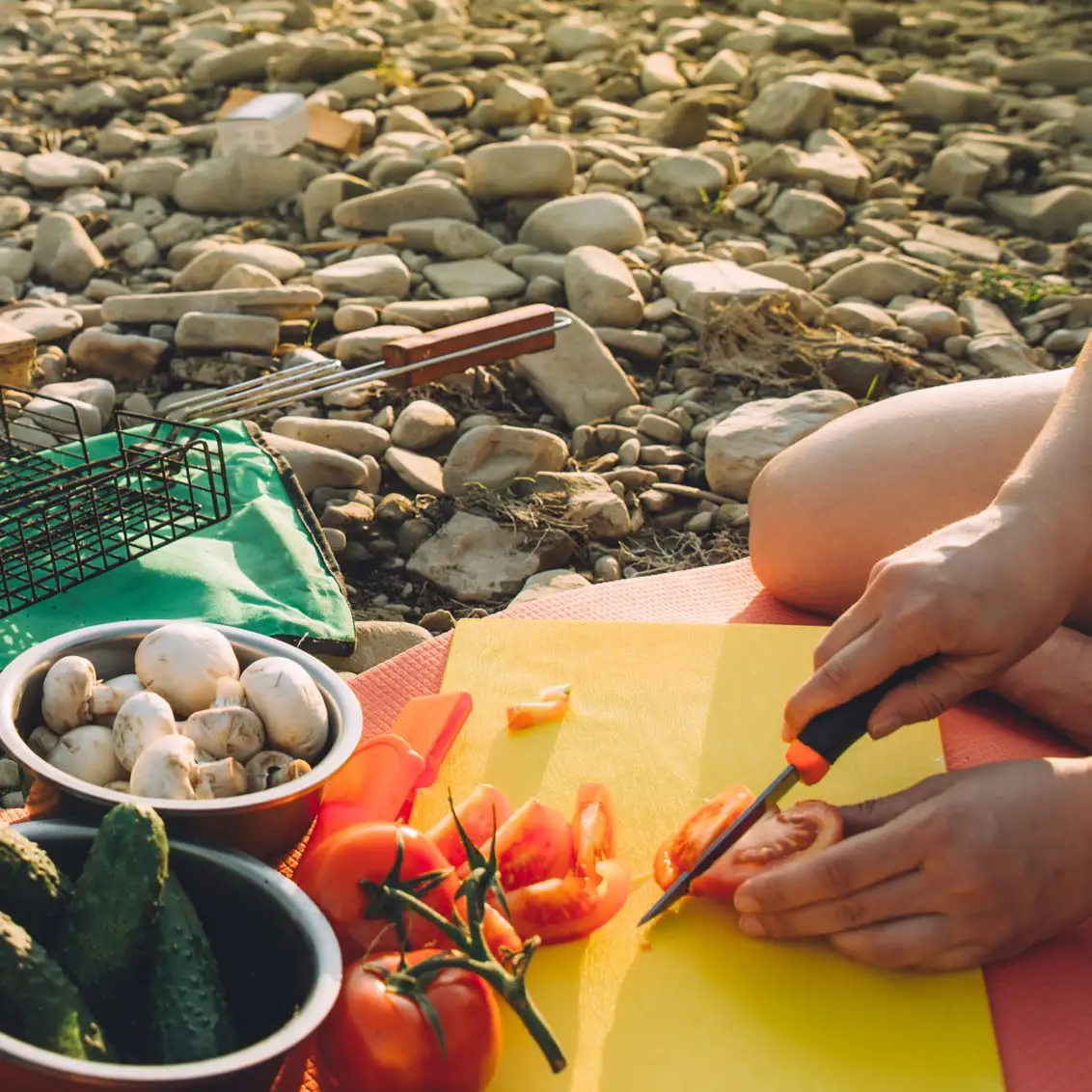
The heaviest part of any vegan camping meal is usually the water and the packaging you don’t need on the trail. By pre-chopping, dehydrating, or pre-mixing your vegan camping meals before you leave, you strip away that dead weight and cut down on cleanup time at camp. This approach turns complex cooking into simple assembly, letting you spend less time chopping onions and more time enjoying the view.
Step 1: Rinse and dry your grains
Most rice, quinoa, and couscous require rinsing to remove excess starch. Do this at home using a fine-mesh sieve. Spread the rinsed grains on a baking sheet to air-dry completely, or use a dehydrator if you have one. Once dry, portion them into quart-sized freezer bags. This removes the need to carry bulky boxes and ensures your grains cook evenly and quickly when you add boiling water at camp.
Rinse quinoa or rice thoroughly at home. Dry it completely to prevent clumping in your bag. Portion into single-serve bags for easy packing.
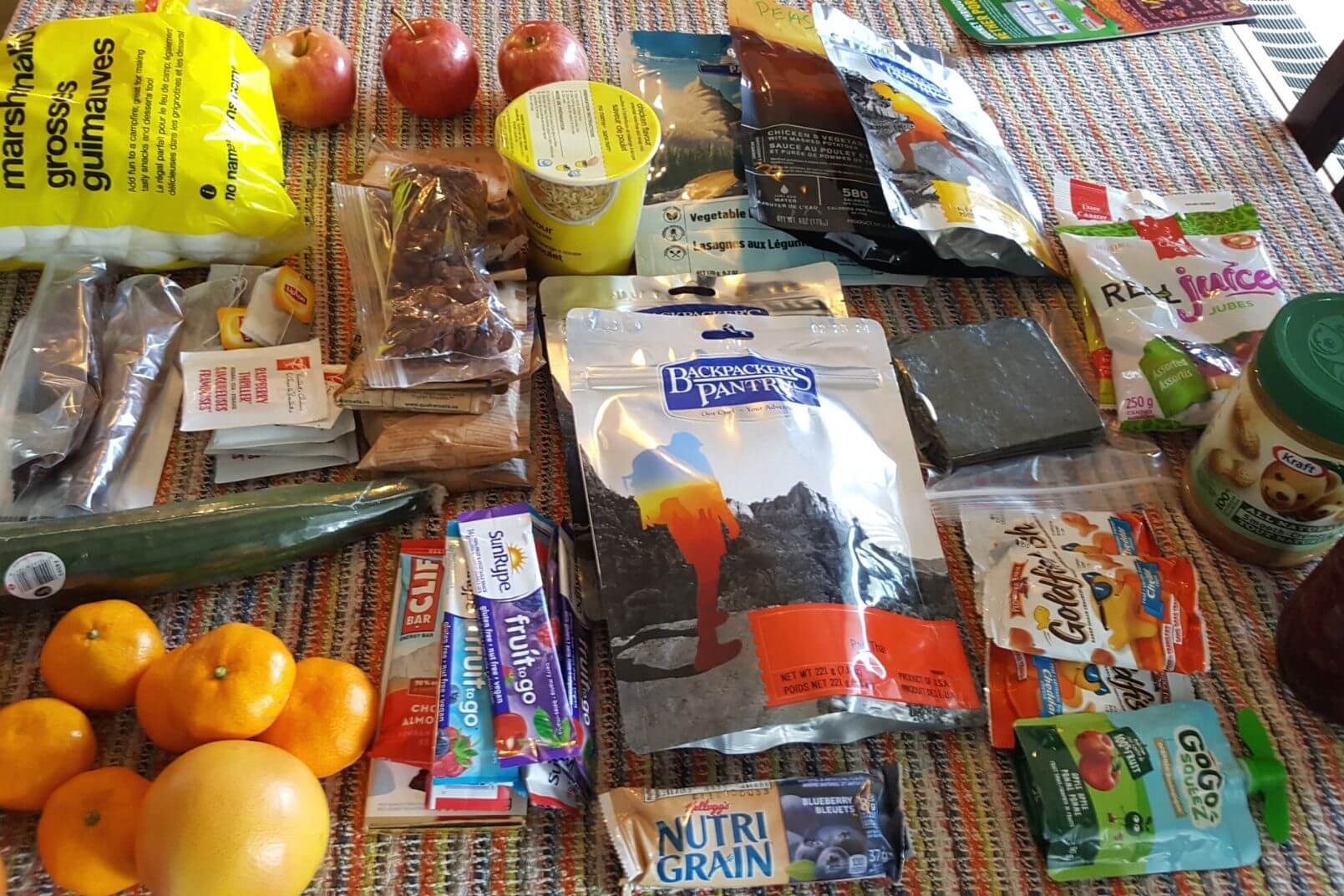
Swap delicate lettuce for cabbage, carrots, or bell peppers. Chop them into uniform bite-sized pieces. Store in rigid containers or vacuum-sealed bags to prevent crushing during the hike.
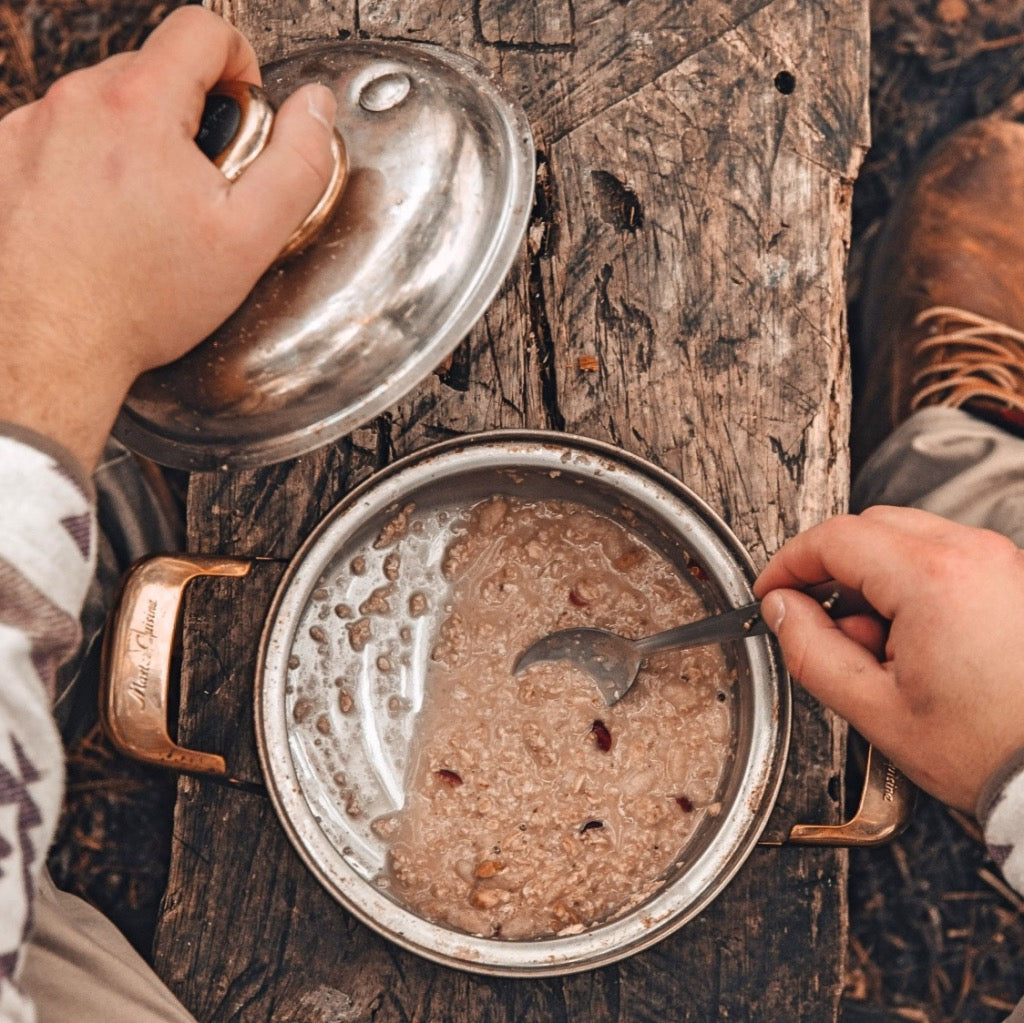
Combine cumin, chili powder, garlic powder, and salt in small pill organizers or ziplock bags. This eliminates carrying multiple heavy spice jars and ensures every meal tastes consistent.
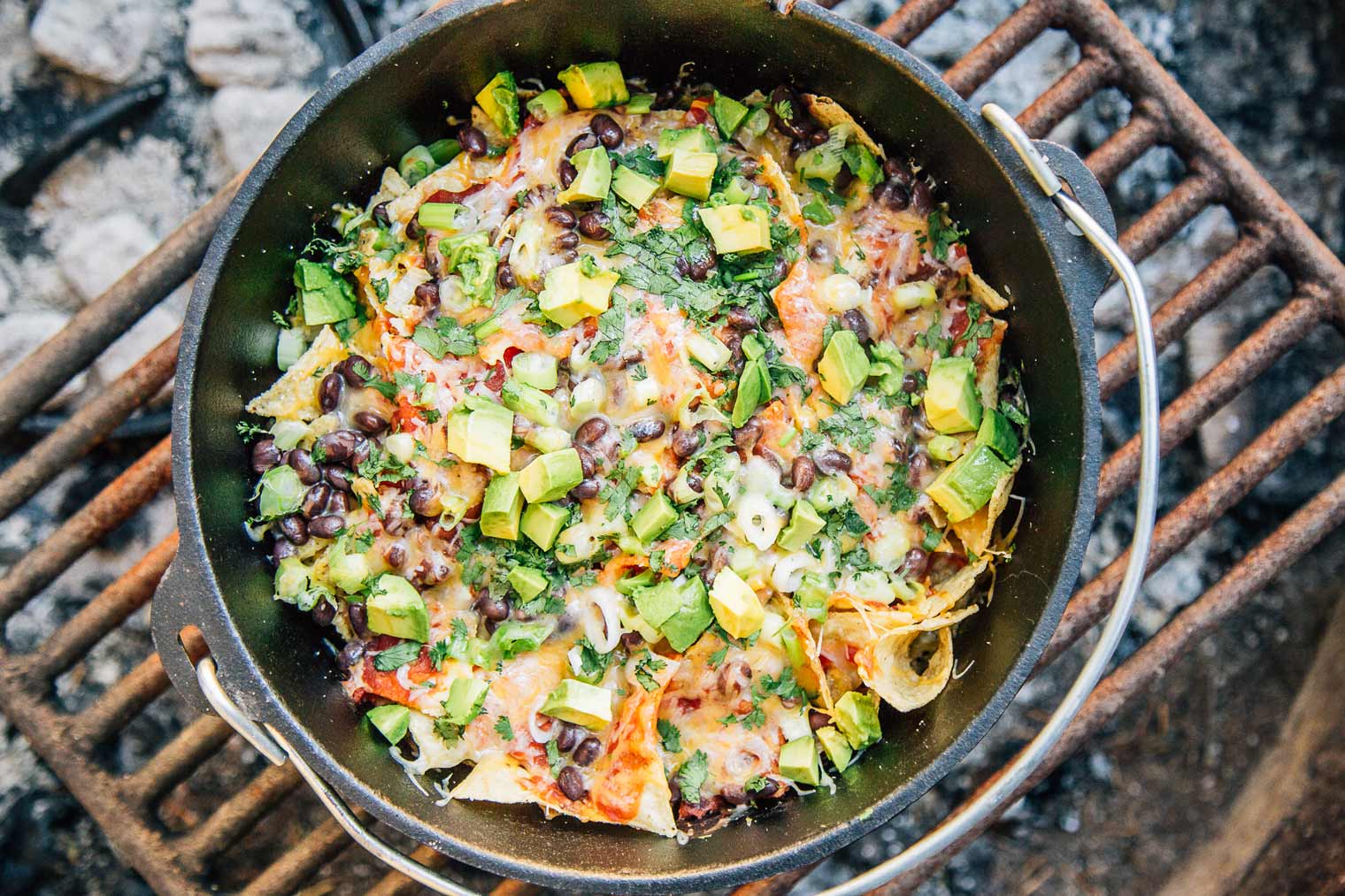
Label each bag with the meal name and cooking instructions. Vacuum sealing removes air, which reduces bulk and keeps ingredients fresh longer without refrigeration.
Step 2: Dehydrate fresh produce
Fresh vegetables take up significant space and weight. Dehydrating peppers, tomatoes, mushrooms, or zucchini reduces their weight by up to 90% while preserving their flavor. Rehydrate them in hot water during the cooking process. This technique is particularly effective for vegan camping meals that rely on sautéed vegetables, as it removes the need to carry heavy, water-rich produce.
Step 3: Pre-mix protein bases
Canned beans are heavy and generate waste. Instead, cook dried beans or lentils at home until tender. Drain them well, then mix with your pre-made spice blends. Freeze these mixtures in flat layers inside freezer bags. They will thaw quickly in a bowl of cold water or directly in your pot. This method creates a dense, nutrient-rich protein source that takes up minimal pack space.
Step 4: Assemble complete meal kits
Combine your pre-cooked grains, dehydrated veggies, and protein mixes into a single bag. Add a separate small bag for any fresh toppings like avocado or lime juice, which should be added right before eating. This "dump-and-cook" system minimizes decision fatigue at camp and ensures you have all the components for a balanced vegan camping meal ready to go.
Store food safely in bear country
Vegan camping meals are just as attractive to wildlife as meat-based options. Bears have an incredible sense of smell and are drawn to the strong aromas of dried fruits, nuts, spices, and even sunscreen. Treating your plant-based food with the same respect as a steak ensures you and the local bears stay safe.
Always check with the specific park or forest service regarding their current regulations before you arrive. Some areas require hard-sided bear canisters, while others allow for proper hanging techniques. Using the wrong method can result in fines or, worse, habituated bears that may need to be euthanized.
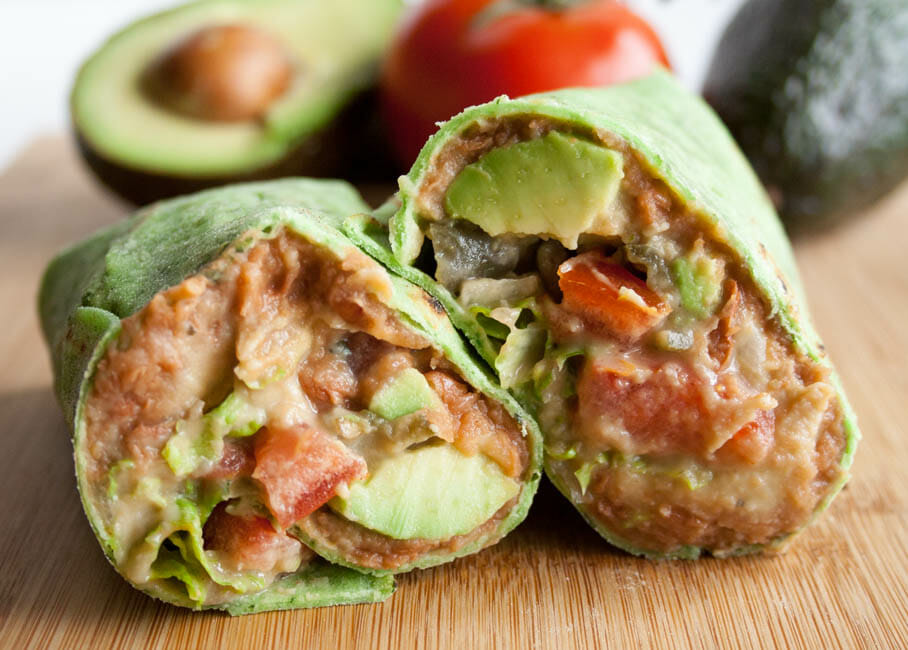
Use a bear canister if required. These hard-sided containers are designed to withstand bear claws and teeth. Place them at least 100 feet downwind from your sleeping area. If hanging is permitted, use the PCT method with a stuff sack and rope, ensuring the bag is at least 12 feet off the ground and 6 feet from the trunk.
Never cook or eat inside your tent. The smell of vegan camping meals lingers on your clothes and gear. Set up a dedicated "bear bag" zone away from your sleeping quarters to minimize risk while you rest.
Cook simple meals over a campfire
Cooking vegan camping meals over an open flame doesn't require a full kitchen setup. You only need a few basic tools: a durable pot, heavy-duty aluminum foil, and a pair of long-handled tongs. The goal is to build meals that cook evenly without constant supervision, letting the campfire do the heavy lifting while you relax.
Build foil packet fajitas
Foil packets are the backbone of trail cooking. They trap steam, ensuring vegetables soften completely without burning. For a quick dinner, slice bell peppers, onions, and zucchini into uniform strips. Place them in the center of a large sheet of heavy-duty foil. Drizzle with olive oil and sprinkle with cumin, chili powder, and salt. Fold the foil over the filling, sealing the edges tightly to create a leak-proof pouch. Place the packet directly on hot coals for 15–20 minutes, flipping once halfway through.
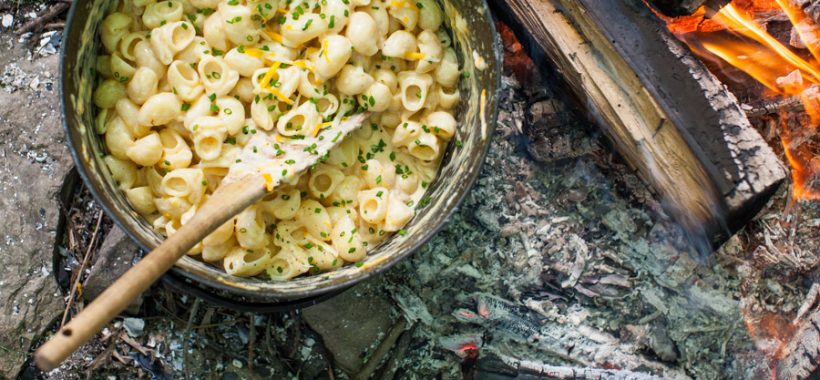
Slice bell peppers, onions, and zucchini into uniform strips. Place them in the center of a large sheet of heavy-duty foil. Drizzle with olive oil and sprinkle with cumin, chili powder, and salt.
Fold the foil over the filling, sealing the edges tightly to create a leak-proof pouch. Ensure no steam can escape during cooking.
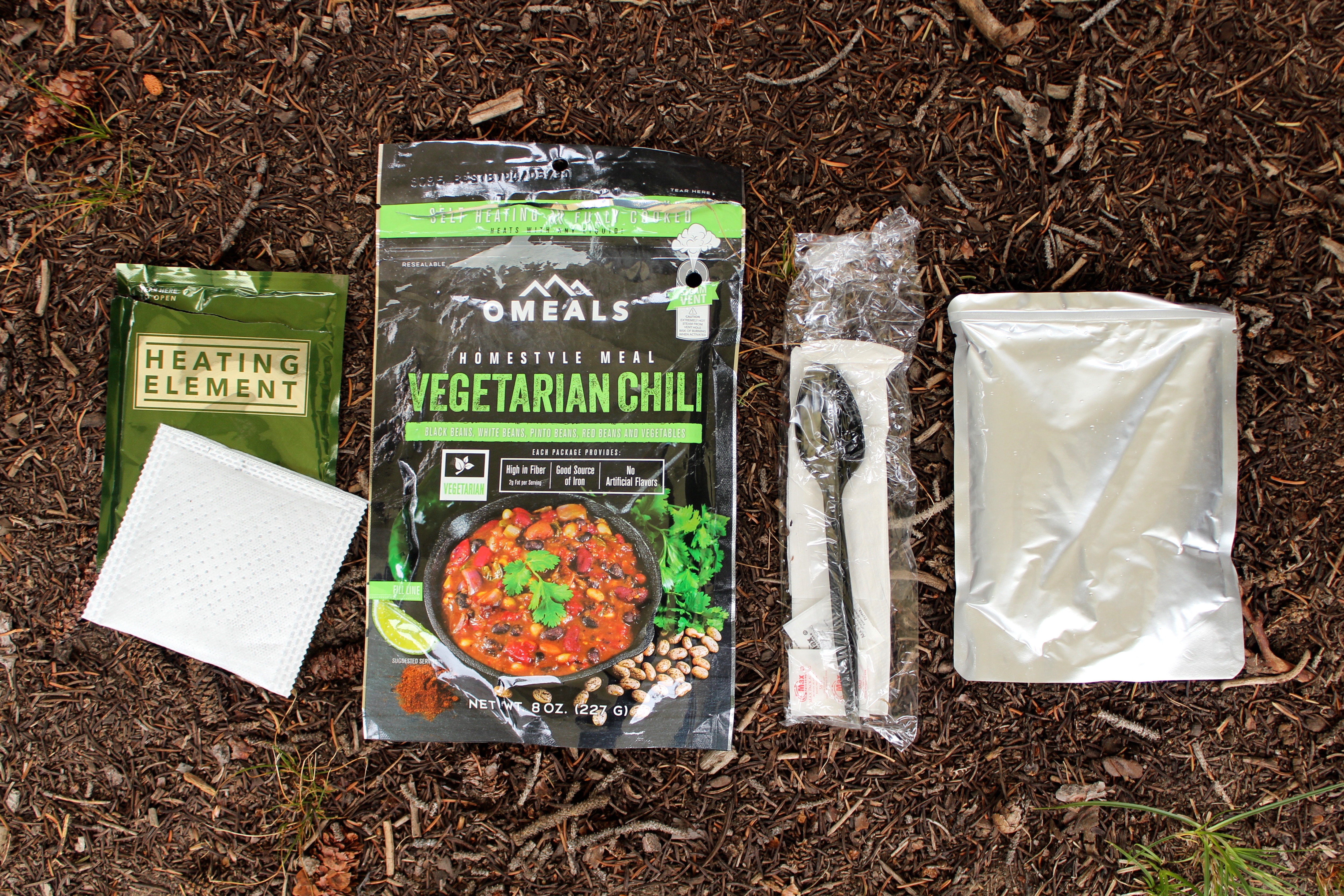
Place the packet directly on hot coals for 15–20 minutes, flipping once halfway through. Check for tenderness by gently pressing the foil.
Boil one-pot pasta and rice
When you need a hearty, filling meal, a single pot is your best friend. Boiling water is reliable and requires minimal cleanup. Start by bringing a large pot of water to a rolling boil over your campfire. Add dried pasta, rice, or lentils, stirring occasionally to prevent sticking. Once the grains or pasta are tender, drain the water using a colander or a clean cloth if you don't have a colander.
While the water boils, sauté garlic and canned tomatoes in a separate pan or directly in the pot if you drain first. Combine the cooked grains with the sauce. Add a handful of spinach or kale at the very end; the residual heat will wilt the greens perfectly. This method works well for vegan camping meals because it uses shelf-stable ingredients that won't spoil without refrigeration.
Roast root vegetables in a skillet
For a smoky flavor without the mess of foil, use a cast-iron skillet. Dice potatoes, carrots, and sweet potatoes into bite-sized pieces. Toss them in oil and salt, then spread them evenly in the hot skillet. Cook over medium heat, stirring every few minutes, until the edges are crispy and the centers are tender. This technique mimics oven-roasting and adds a satisfying crunch to your trail dinner.
Manage your fire for cooking
The quality of your meal depends heavily on your fire. Avoid cooking over roaring flames, which can char food before it cooks through. Instead, let the wood burn down to a bed of glowing embers. This provides consistent, radiant heat that cooks food evenly. Keep a bucket of water or sand nearby to control flare-ups from dripping oils or juices.
Check your pack before you leave
Before you zip up the tent, run through this final verification. A missing spice jar or an empty fuel canister can turn a planned vegan camping meals adventure into a cold dinner of trail mix. This checklist covers the gear and perishables that keep your plant-based diet safe and tasty in the backcountry.
Use a hard-sided cooler with block ice for multi-day trips. Soft-sided coolers work for day hikes but melt too fast for longer stays. Pack your tofu, tempeh, and fresh vegetables at the bottom, covered by ice. Keep dairy-free cheeses and nut milks in a separate insulated bag if possible. Label every container with the date so you eat perishables first.
Count your meals, not just your days. If you plan to cook breakfast, lunch, and dinner on the stove, multiply your fuel canister needs by three. Check that your lighter or matches are in a waterproof container. A simple mistake like forgetting fuel means you can’t boil water for oatmeal or rehydrate those dried bean meals.
Trail food tastes bland without salt, pepper, and a reliable fat source. Pack small, reusable containers with olive oil, soy sauce, and your favorite spice blend. These items add calories and flavor to otherwise boring rice and bean dishes. Don’t forget a small bottle of hot sauce; it’s a versatile condiment that works on almost any vegan camping meals.
Wildlife is attracted to food smells, not just meat. Store all vegan camping meals in bear-proof containers or hang them properly, even if they are just granola bars or dried fruit. Pack extra heavy-duty trash bags to pack out your waste. Leaving food scraps or wrappers behind harms the environment and attracts animals to your campsite.
Once you have checked these items, do a final visual sweep of your pack. Look for any loose items that might fall out during the hike. Ensure your water filter is accessible and your first aid kit is intact. A well-packed bag makes cooking on the trail easier and keeps your vegan camping meals safe from the elements and wildlife.
No comments yet. Be the first to share your thoughts!