

Why proper bear country food storage matters
A bear encounter usually starts with a smell. When campers leave a half-eaten granola bar on a tent zipper or store a coffee thermos near their sleeping bag, they invite trouble. Improper food storage in bear country endangers both the camper and the bear. If a bear learns that a tent contains calories, it often returns. Park rangers then have to kill the "problem bear" to protect other visitors, or they close the campground entirely, ruining the trip for everyone.
Proper food storage is not just about keeping your snacks safe; it is about keeping bears wild. Bears are opportunistic scavengers driven by scent, not just hunger. They can smell food from miles away, including scented items that humans consider harmless. This includes toothpaste, sunscreen, lip balm, trash, and even the clothes you cooked in. To a bear, a used diaper or a greasy frying pan smells just as inviting as a slab of bacon.
The National Park Service and organizations like BearWise emphasize that food storage is a matter of survival for both species. By storing all food, trash, and scented items in approved bear-resistant containers or hung properly, you remove the attractant. This simple step prevents bears from associating humans with food, reducing the likelihood of lethal interventions and ensuring that your campsite remains open for future visitors.
When you see a bear at a campsite, it is rarely because the bear was hungry in the wild; it is because it was conditioned by careless storage. Protect your gear, protect the wildlife, and follow the rules. Your safety and the bear's life depend on it.
Choose your storage method
Bears are opportunistic scavengers that learn quickly. If you leave food in a tent or an unsecured bag, you risk a broken tent, stolen supplies, or a dangerous encounter that often ends with the bear being euthanized. The solution is simple: never store food where a bear can reach it. Your choice of storage depends entirely on local regulations and the terrain you are hiking.
Before you pack, check the rules for your specific destination. Some National Park Service areas and wilderness zones mandate the use of hard-sided bear canisters, while others allow traditional hanging techniques. Ignoring these rules not only puts you at risk but also jeopardizes the safety of local wildlife. For a comprehensive overview of regulations, refer to the National Park Service guide on bear safety.
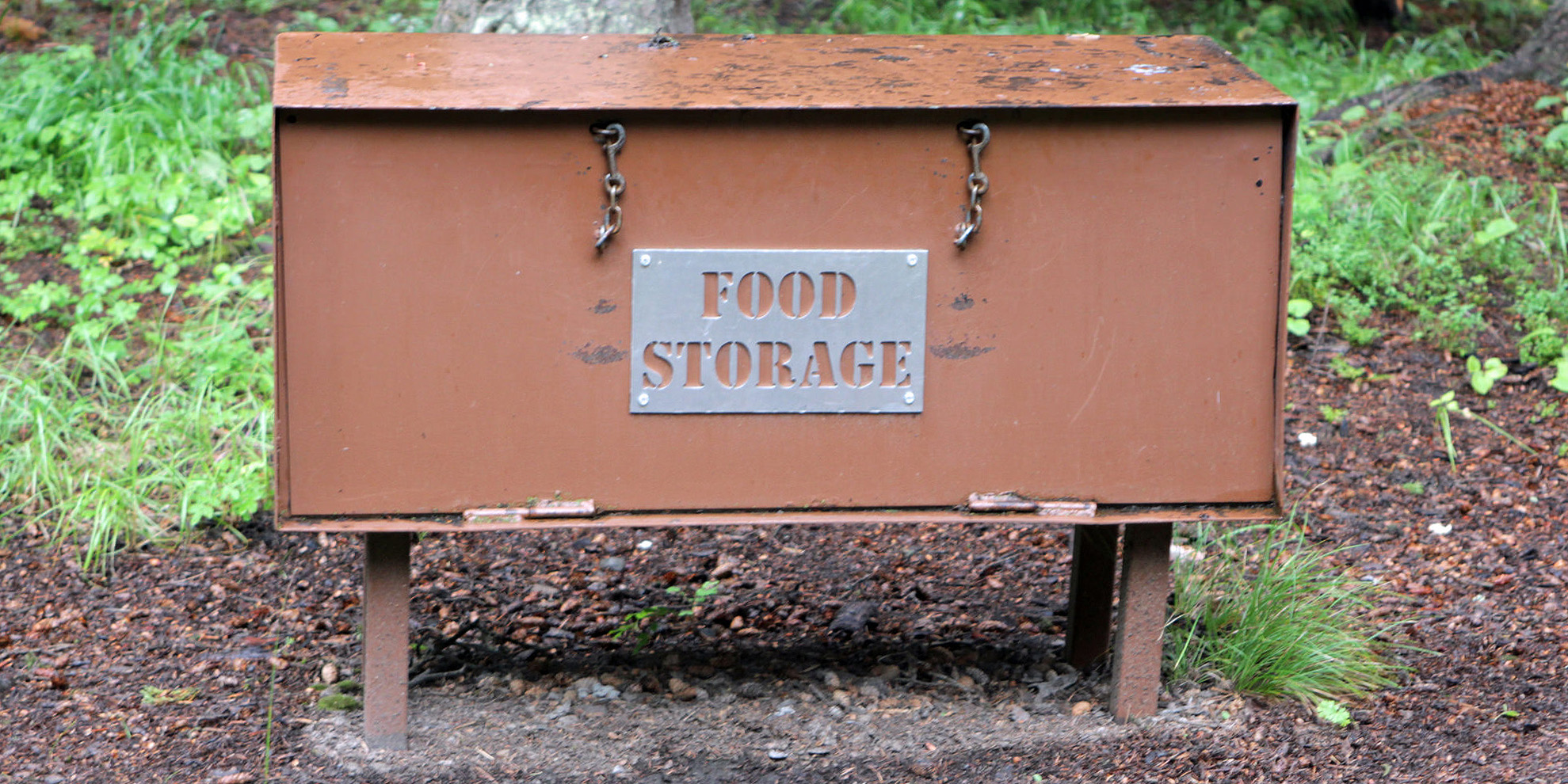
Compare storage options
Choosing the right method involves balancing weight, cost, and ease of use. Below is a comparison of the three primary methods used in bear country.
| Method | Weight | Cost | Ease of Use |
|---|---|---|---|
| Bear Canister | 3-4 lbs | $100-$150 | High |
| Bear Hang | 1-2 lbs | $15-$30 | Medium |
| Bear Box | N/A | Free | Very High |
Bear canisters are rigid, plastic containers that are nearly impossible for bears to open. They are the gold standard for many wilderness areas because they are easy to use and provide excellent protection for food and smelly items like toiletries. However, they are bulky and add significant weight to your pack. You must also plan your meals to fit inside the canister, which often means freezing items to save space.
Bear hangs involve suspending your food bag from a tree branch using a rope and carabiner. This method is lightweight and cheap, making it popular among ultralight hikers. However, it requires skill to execute correctly, especially in areas with few trees or low branches. If done poorly, bears can still reach the bag. Always practice your hang technique before heading into the backcountry.
Bear boxes are metal lockers provided at established campgrounds in many parks. They are the easiest option since you simply drop your food inside and lock the door. However, they are only available at designated sites, so you cannot rely on them for dispersed camping or backcountry trails. If you are staying in a campground that provides them, always use them.
Select based on terrain
Your terrain will dictate which method is feasible. In dense forests with tall trees, a bear hang is often viable and efficient. In rocky alpine environments or areas with few trees, a bear canister is usually the only legal and practical option. Always prioritize the method required by the land manager you are visiting.
Pack your vegan meals for low odor
A single crumb of peanut butter or a smudge of cheese on a wrapper can draw a bear to your site. Bears rely on scent to locate food, and their olfactory system is significantly more sensitive than a human's. Even sealed containers can carry faint aromas if handled improperly. The goal is to make your food storage as scent-neutral as possible.
Choose foods with naturally low odor profiles. Dehydrated meals, nuts, and hard cheeses are safer bets than fresh bread, cooked meats, or strong spices. Avoid cooking at your campsite whenever possible; prepare meals in your vehicle or a designated area far from sleeping quarters. This reduces the accumulation of food smells in your tent and gear.
Packaging matters as much as the food itself. Double-bag all items in heavy-duty, odor-proof bags. Consider using vacuum-sealed bags to remove air and lock in scents. Wipe down the outside of all containers with a damp cloth before packing to remove any residue. This simple step prevents bears from detecting food particles that may have transferred to the packaging during handling.
For more detailed guidance on minimizing attractants, refer to the BearWise backcountry safety tips. Their recommendations emphasize the importance of low-odor foods and proper storage techniques to ensure a safe experience in bear country.
Set up your campsite correctly
Bears don't break into tents because they want to eat you; they break in because they smell bacon, toothpaste, or sunscreen left inside. The most common mistake campers make is treating their sleeping area as the center of their camp. In bear country, food storage must be treated as a separate, isolated zone. This spatial separation is the core principle of safe food storage.
The goal is to create a "triangle" of safety. Your sleeping tent, your cooking area, and your food storage should be three distinct points of this triangle. If you cook and eat where you sleep, or store food within arm's reach of your tent, you are inviting a dangerous encounter. Bears are opportunistic scavengers with a sense of smell up to seven times stronger than a bloodhound's. They can detect scents from miles away if the wind is right.
1. Clear a cooking zone
Choose a flat, open area at least 200 feet downwind from your tent. Remove all natural debris like leaves, pine needles, or grass that might hold food odors. Cook and eat only in this designated space. Never bring food, wrappers, or scented items into your tent. If you must carry food to your tent, use a sealed, odor-proof bag, but it is safer to leave all food in the storage zone.
2. Position your food storage
Place your bear canister or bear bag at least 100 feet away from your tent and cooking area. This distance is critical. If a bear investigates your food and finds it secure, it is less likely to wander back to your tent out of curiosity or frustration. Store the canister on level ground, not on a slope or near a cliff edge where a bear might knock it into a ravine. Hide it in brush or behind rocks to make it less visually appealing to other hikers or curious animals.
3. Manage waste and scents
All scented items, including toothpaste, deodorant, sunscreen, and trash, belong in the food storage zone. Bears are attracted to these items just as much as food. Use a dedicated, sealable odor-proof bag for these items and store them inside your bear canister or hang them with your food. Do not leave any scented items in your tent, even in a sealed bag. The wind can carry these scents directly to your sleeping bag.
4. Secure your tent
Once the cooking and food zones are established, set up your tent in the third point of the triangle. Ensure your tent is zipped completely shut at all times, even if you are just stepping outside. Never leave food, water bottles, or scented items inside your tent. If you need to carry food through your tent to move it to the storage zone, use a double-bagging system to contain odors.
5. Check your setup
Before settling in for the night, walk the triangle. Ensure the distance between your tent and food storage is maintained. Verify that all scented items are secured in the storage zone. If you hear any unusual noises or smells, investigate carefully but do not approach the food storage zone. If a bear is nearby, make noise to scare it away and ensure your food is secure.
By following this spatial setup, you protect yourself and the bears. A bear that learns to associate your camp with easy food may become a nuisance or dangerous animal, leading to its removal or destruction. Proper food storage keeps bears wild and your camp safe.
Common storage mistakes to avoid
Mistake 1: Storing food in your tent. Even if it's in a bag, the scent permeates. Always store food 100+ feet away.
Mistake 2: Ignoring scented toiletries. Toothpaste, sunscreen, and lip balm are major attractants. Pack them out with your food.
Mistake 3: Cooking in your tent. Never cook or eat inside your sleeping shelter. The residual smell will draw bears.
Mistake 4: Leaving trash unsecured. Trash bags are easy for bears to tear open. Seal all trash in odor-proof bags and store it with your food.
Mistake 5: Assuming a bear box is available. Always carry a canister or hang kit unless you are at a designated campground with boxes. Do not rely on infrastructure that may not exist.
Final checks before leaving camp
Before you break camp, assume a bear has already investigated your site. Bears have an acute sense of smell and can detect sealed containers if the outside is contaminated with food residue BearVault. A lingering scent is the primary trigger for property damage and dangerous encounters. Your goal is to leave the site with zero odor, protecting both yourself and future visitors.
Kneel down and check every inch of your tent footprint and cooking mat. Use a biodegradable wipe or a damp paper towel to remove any grease, crumbs, or sticky residue. If you cooked indoors or in a vehicle, vacuum the floor mats and wipe down surfaces. Even a single grain of rice can attract a bear.
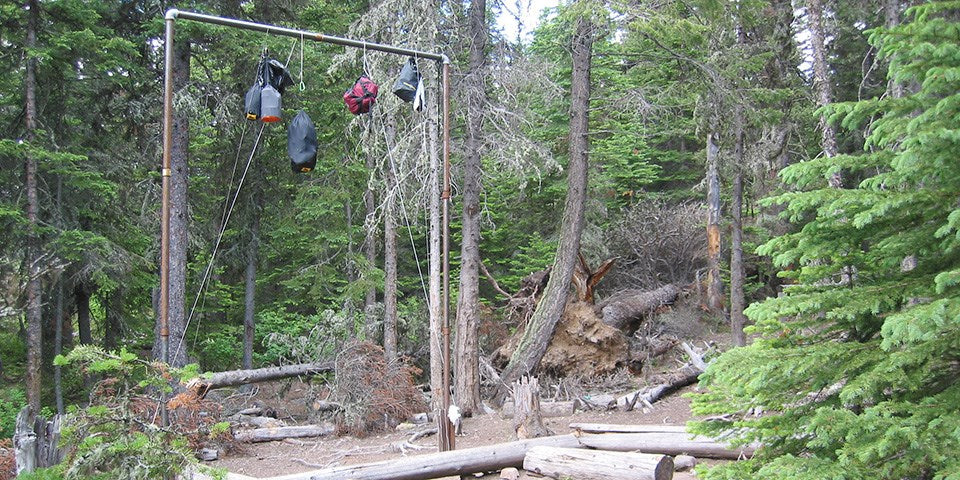
Double-check that your bear canister, bear bag, or locker is locked and placed at the required distance from your sleeping area. Verify that all toiletries, sunscreen, and trash are also secured. If using a metal bear box, ensure the latch is fully engaged and the door is flush.
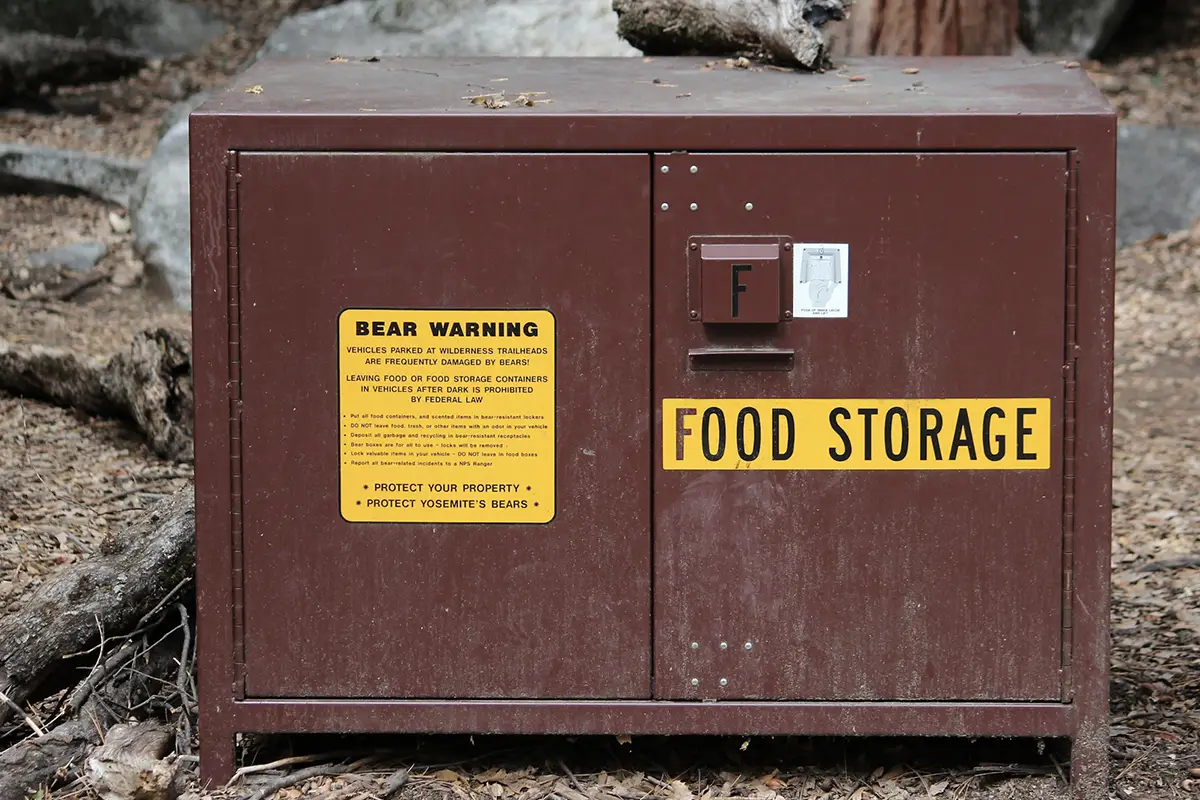
Stand up and look around your campsite from a distance. Check under rocks, in tree branches, and inside vehicle windows. Pick up any non-biodegradable trash, including tiny wrappers or cigarette butts. Leave the site exactly as you found it, or better.
-
Empty all trash containers and pack out liners
-
Wipe down all cooking surfaces and utensils
-
Verify bear canister is locked and distant
-
Check for crumbs under tent stakes
-
Remove all non-biodegradable waste
If you notice a bear near your site while packing, move slowly and speak calmly. Do not run. For more on safe interactions, refer to the NPS bear safety guidelines. A clean camp is a safe camp.
No comments yet. Be the first to share your thoughts!