

What makes a good camp diet
A successful lightweight camp diet balances three competing forces: caloric density, pack weight, and shelf stability. When you are carrying your meals on your back, every ounce matters. The goal is not just to eat, but to eat efficiently. A vegan diet adds a layer of complexity because plant-based proteins and fats often have different weight-to-calorie ratios than their animal-based counterparts.
The primary metric for evaluating any food item is calories per ounce. Aim for foods that provide at least 100 calories per ounce. This threshold ensures that your food supply remains manageable in weight while still fueling your hiking needs. Lower-calorie density foods, like fresh vegetables or lean meats, take up too much space and weight for the energy they provide. Instead, focus on dense, nutrient-rich ingredients.
Shelf stability is the second critical factor. On the trail, you cannot rely on refrigeration. Your food must withstand heat, cold, and rough handling without spoiling or requiring cooking that consumes excessive fuel. Dehydrated meals, nuts, seeds, and hard cheeses are staples because they last. For a vegan camp diet, this means relying on dried legumes, nut butters, and fortified plant-based proteins that do not require refrigeration until opened.
Finally, dietary alignment ensures you stay healthy and satisfied. A vegan camp diet must be carefully planned to include complete proteins and sufficient fats. Relying solely on grains and vegetables can lead to energy crashes and muscle fatigue. Combining foods like rice and beans, or trail mix with nuts and seeds, creates a balanced meal that supports long days on the trail. The best camp diet is one that you enjoy eating, even when you are tired and hungry.
Top vegan meal kits for backpacking
Finding a vegan meal kit that survives the trail requires more than just dehydrating vegetables. The best kits balance calorie density with rehydration speed, ensuring you get enough energy without carrying heavy, water-saturated food. These commercially available options simplify camp cooking by providing pre-measured ingredients and clear instructions, making them ideal for hikers who want to minimize prep time and cleanup.
The following vegan backpacking meal kits are widely available on Amazon and have been selected for their reliability, flavor profiles, and nutritional balance. They range from simple pasta dishes to complex stews, offering variety for multi-day trips.


As an Amazon Associate, we may earn from qualifying purchases.
Each of these kits is designed to be cooked in a single pot, which is a critical feature for ultralight backpackers. The ingredients are freeze-dried or dehydrated to remove weight, and they typically require only boiling water to prepare. This means you can spend less time cooking and more time on the trail.
When choosing a vegan meal kit, consider your dietary restrictions and taste preferences. Some kits may contain allergens like peanuts or soy, so always check the ingredient list. Additionally, consider the water weight you will be carrying; some kits require more water than others for rehydration, which can add up over several days.
These meal kits provide a convenient and delicious way to fuel your adventures without compromising on your vegan lifestyle. They are a reliable source of nutrition that can help you maintain your energy levels and enjoy your time outdoors.
High-energy hiking snacks
Sustained energy on the trail comes from calorie-dense foods that don't weigh you down. Nuts, seeds, and dried fruits form the backbone of a lightweight camp diet because they offer a high ratio of calories to weight. Unlike fresh produce, these items resist spoilage and require no refrigeration, making them ideal for multi-day hikes.
Think of these snacks as compact fuel tanks. A small handful of almonds or a few dates can provide the glucose and fats needed to power through steep ascents without the heavy bulk of water-rich foods. This approach keeps your pack light while ensuring your body has the sustained energy reserves necessary for bear-safe, vegan hiking.
Calorie density comparison
When planning your trail diet, comparing calorie density helps you maximize energy per ounce. The table below highlights how various vegan snacks stack up against each other.
| Vegan Snack | Calories per oz | Weight (oz) |
|---|---|---|
| Peanuts | 160 | 1 |
| Trail Mix | 140 | 1 |
| Dried Mango | 80 | 1 |
| Rice Cakes | 35 | 1 |
Recommended trail snacks
Choose specific products that balance taste, nutrition, and packability. These selections are staples for hikers seeking high-energy, bear-safe vegan meals.
![Burroughs Family Farms 25 lb USDA Organic Raw Almonds – First Regenerative Organic Certified Almond Farm – 2x the Antioxidants and Vitamin B Versus Other Almonds – Gluten-Free, Non-GMO, Vegan, Paleo & Keto-Friendly Almond Nuts – Almonds Bulk for Cafés and Bakeries USDA Organic Regenerative Organic Certified [Amazon-developed Certification] Compact by Design](https://m.media-amazon.com/images/I/81DicK4STJL._AC_UL960_QL65_.jpg)


As an Amazon Associate, we may earn from qualifying purchases.
Bear-safe food storage options
Storing your lightweight camp diet safely in bear country requires more than just a sealed bag; it demands a system that withstands determined wildlife. Whether you are hiking through the Sierra Nevada or the North Cascades, the method you choose can mean the difference between a peaceful night and a bear encounter. The goal is simple: keep your vegan trail snacks and dehydrated meals out of reach and out of smell.
Bear canisters
Hard-sided bear canisters are the gold standard for many wilderness areas. These rigid containers are virtually impossible for bears to open without significant damage, making them the safest option where regulations require them. They are bulky, but their durability ensures your food stays intact even if dropped on rocky terrain. Popular models like the BearVault BV500 or the Garcia Backpacker Cache are designed to float, allowing you to cross streams without losing your dinner.
Odor-proof bags
For areas that do not mandate canisters, odor-proof bags offer a lighter alternative. These bags, such as the Opsak or the BearVault Odor Blocker, are made from layers of specialized material that trap food smells. While they do not provide physical protection against a determined bear, they significantly reduce the scent profile. They are best used in conjunction with a sturdy stuff sack or hanging system in areas where bears are less accustomed to human food sources.
Hanging methods
The traditional bear hang remains a viable option in many forests, though it requires practice and the right gear. Using a sturdy rope and a pulley system, you can suspend your food bag at least 12 feet off the ground and 4 feet away from the tree trunk. This method is effective in areas with moderate bear activity but can be time-consuming and unreliable in windy conditions. Always check local regulations, as some parks have banned hanging due to the rise of smarter, more persistent bears.
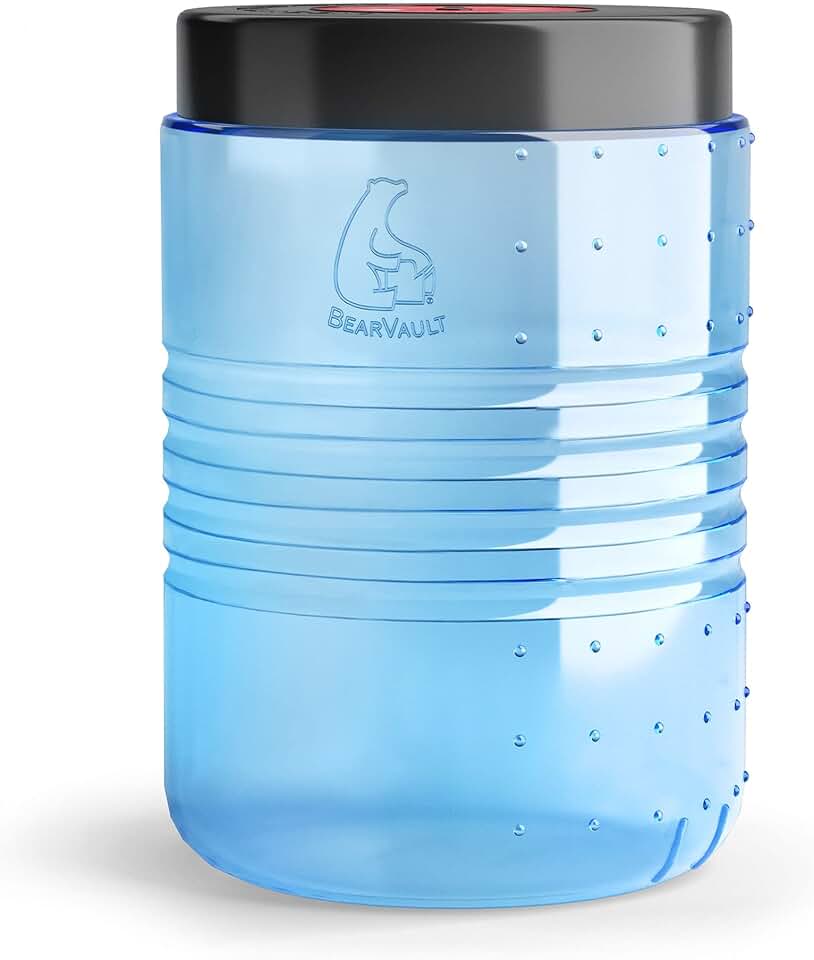


As an Amazon Associate, we may earn from qualifying purchases.
Build your camp diet checklist
A balanced ultralight camp diet relies on three pillars: complex carbohydrates for sustained energy, plant-based proteins for muscle repair, and healthy fats for calorie density. When hiking, your body burns through glycogen stores faster than on flat ground, so prioritizing nutrient-dense foods over empty calories is essential for safety and performance.
Start by selecting your primary fuel sources. Quinoa packets and lentil soup mixes offer complete protein profiles without the heavy weight of canned goods. Pair these with calorie-dense snacks like macadamia nuts, dark chocolate, and dried mango to maintain blood sugar levels during steep ascents. These items are shelf-stable, require minimal prep, and provide the energy density needed for long trail days.
Don't overlook electrolytes and hydration aids. Sweat loss during vigorous hiking depletes sodium and potassium quickly, leading to fatigue or cramping. Include electrolyte tablets or powder sticks in your kit. They are lightweight, dissolve instantly in cold water, and ensure your body can effectively utilize the water you carry.
Finally, plan for bear safety and waste management. All food must be stored in approved bear canisters or hung in bear bags away from your sleeping area. Pack out all trash, including food scraps and hygiene products. This "leave no trace" approach protects local wildlife and ensures the trails remain safe for future hikers.
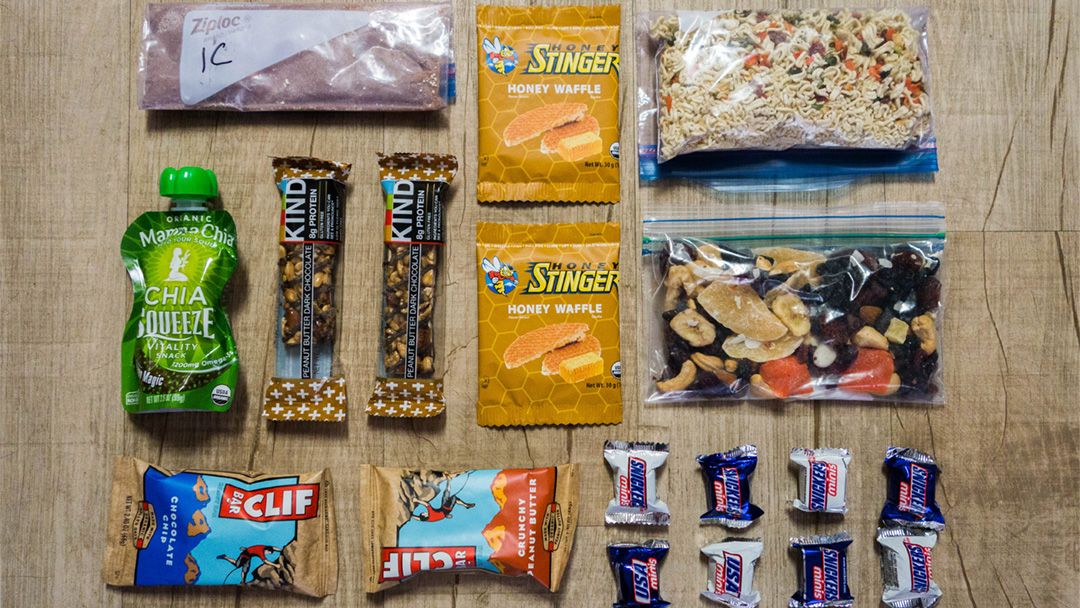
Choose shelf-stable carbohydrates and proteins like quinoa, lentils, and nut butters. These provide sustained energy and repair muscles without adding unnecessary weight to your pack.
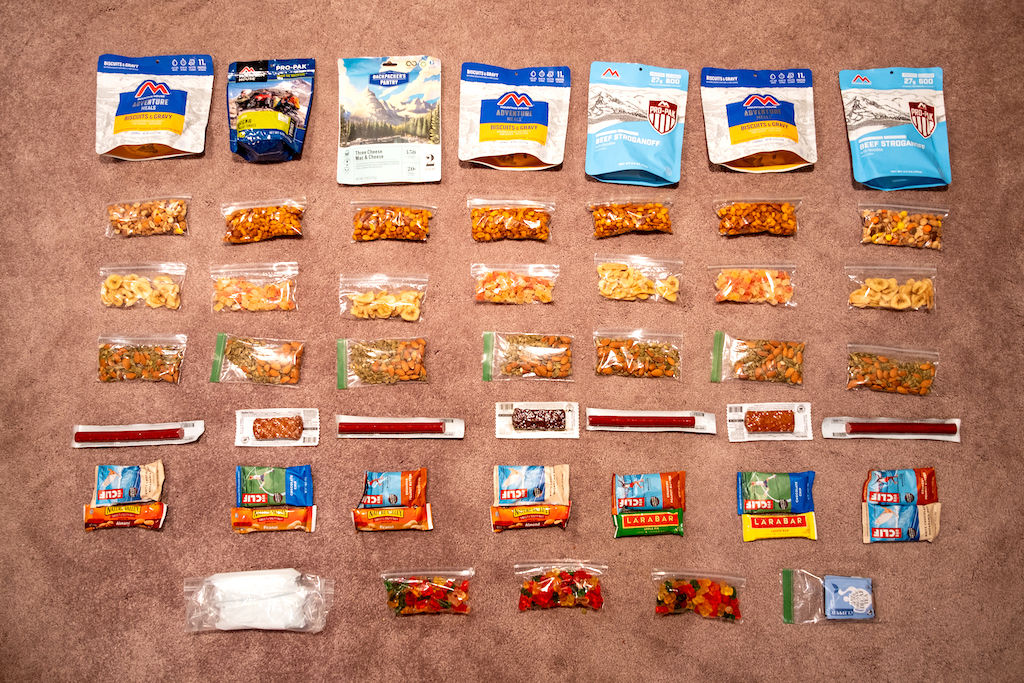
Include electrolyte tablets or powder sticks to replace sodium and potassium lost through sweat. This prevents cramping and fatigue during strenuous climbs and hot weather hiking.
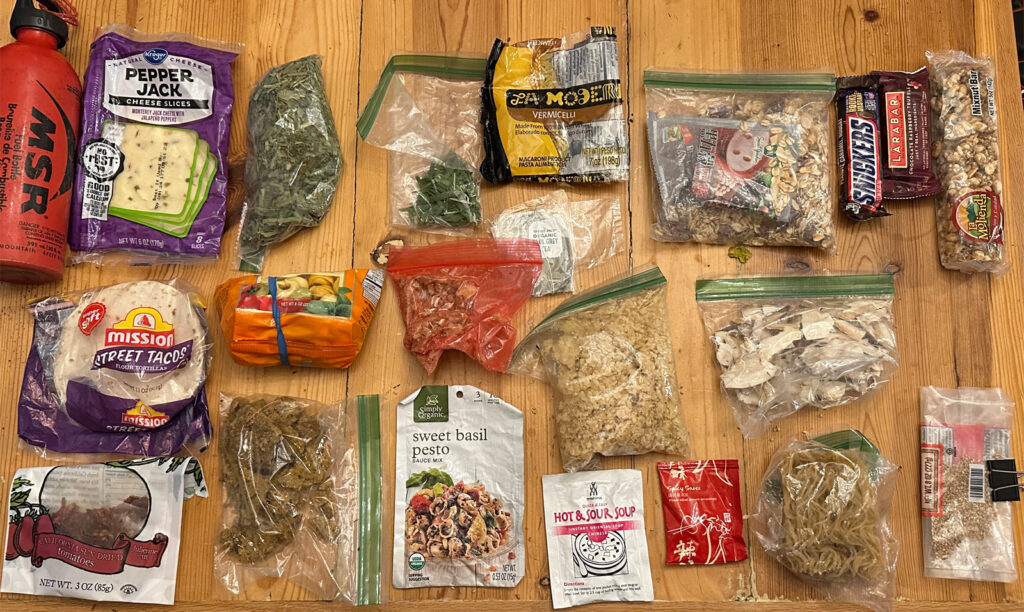
Invest in a certified bear canister or hang bag. All food, trash, and scented items must be stored securely to protect wildlife and comply with park regulations.


As an Amazon Associate, we may earn from qualifying purchases.
Common questions about camp diet
What is the best lightweight vegan food for hiking?
The best lightweight vegan food for hiking balances high calorie density with minimal packaging weight. Look for products that offer sustained energy without the heaviness of raw vegetables. For example, Backpacker’s Pantry Vegan Pad Thai provides a complete meal in just 2.5 ounces, rehydrating quickly with hot water to deliver complex carbohydrates and plant-based protein. Similarly, Clif Builder’s Bars offer 20 grams of pea protein per bar, making them an efficient snack for steep climbs where you need quick, dense fuel without carrying extra bulk.
How do I keep vegan meals bear-safe on the trail?
Bear safety relies on proper storage, not just the type of food you pack. All vegan meals, including oils, nut butters, and dried fruits, must be stored in bear-proof canisters or hung in a bear bag at least 200 feet from your campsite. Avoid cooking or eating inside your tent. Even plant-based foods emit scents that attract bears. Using odor-proof bags like Opsak inside your canister adds an extra layer of security against curious wildlife sniffing out your lightweight camp diet supplies.
Can I get enough protein on a vegan camping diet?
Yes, you can meet your protein needs by focusing on calorie-dense plant sources. Traditional hiking meals often rely on jerky, but vegan alternatives like Luna Bars or Kind Bars with nuts and seeds provide substantial protein alongside healthy fats. For main meals, freeze-dried options from brands like Good To-Go include lentils, quinoa, and chickpeas. Combining these with a small supply of hemp seeds or powdered peanut butter ensures you recover muscles effectively after long days on the trail.
No comments yet. Be the first to share your thoughts!