

Check local storage rules first
Before you pack your cooler or hang your food bag, verify the specific regulations for your destination. Bear storage requirements vary significantly between national parks, state forests, and private campgrounds. What is permitted in one area may be strictly prohibited in another, often with serious fines for non-compliance.
The National Park Service mandates different methods depending on bear density and activity levels. Some parks require hard-sided bear canisters or metal lockers, while others allow traditional tree hangs. Always check the official park website or contact the ranger station before your trip to ensure you are using the correct method.
Compliance isn't just about avoiding fines; it's about safety. Using the wrong storage method can attract bears to your camp, putting you and the wildlife at risk. When in doubt, assume the strictest standard applies and prepare accordingly.
Pack your bear-resistant container
A bear-resistant container is only as good as the seal you create inside it. Your goal is to pack food and toiletries so tightly that nothing shifts during the hike, which prevents cans from puncturing bags and keeps odors contained. Follow this sequence to load your canister efficiently and safely.
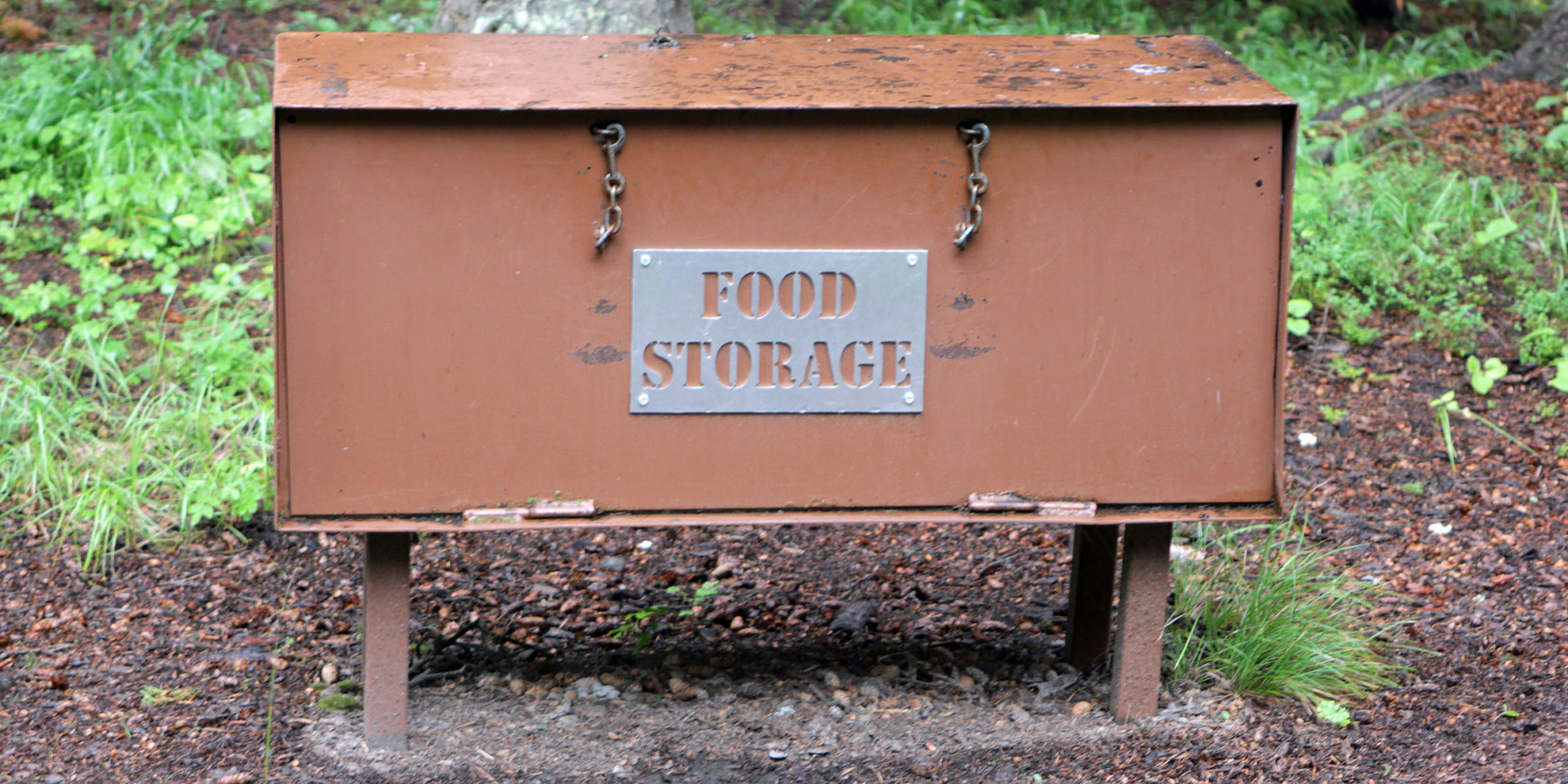
Place your heaviest, least fragrant items first, such as canned goods, hard cheeses, or bulk grains. These form a solid base that supports lighter, more crushable items like bread or dehydrated meals. This layer also protects the bottom of your canister from impact damage.
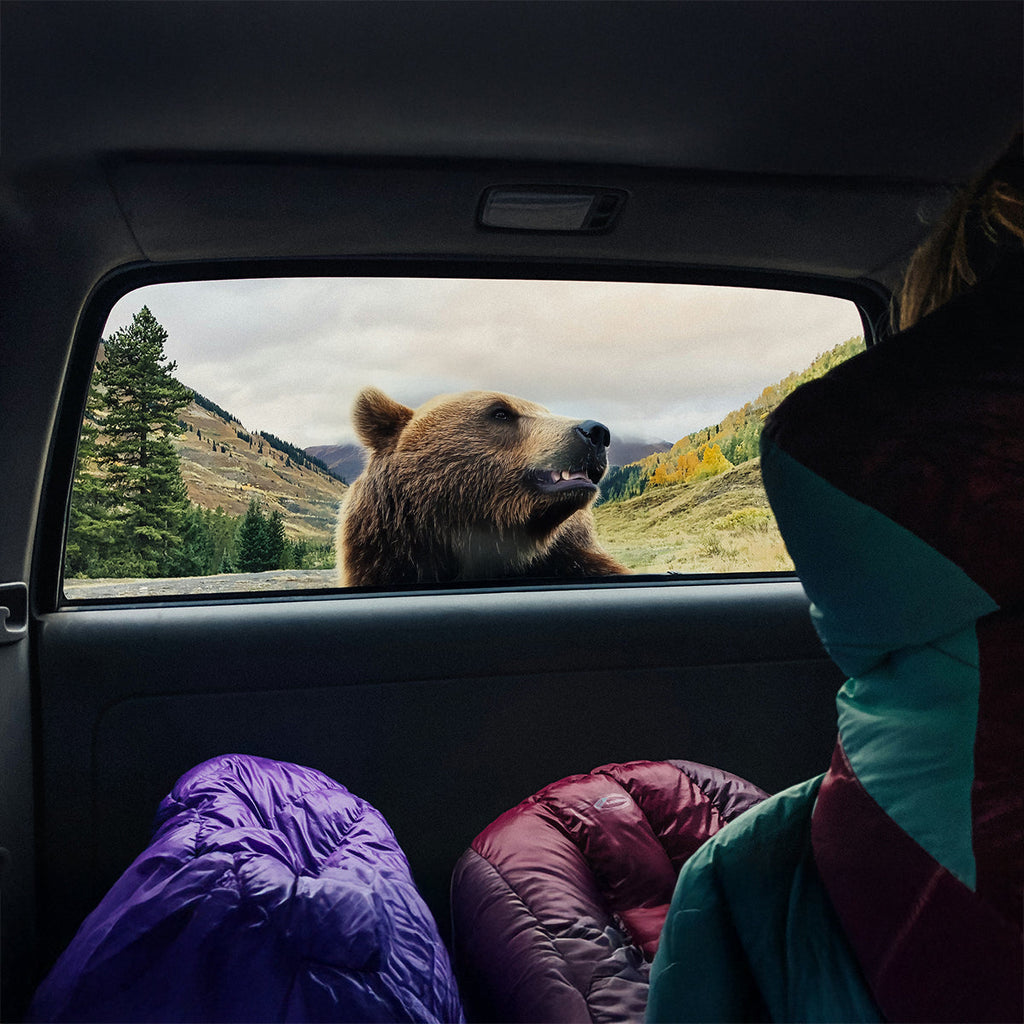
Before placing anything inside, double-bag all scented items. This includes toiletries like toothpaste, deodorant, and sunscreen, which are just as attractive to bears as food. Place these items in a separate, sealable plastic bag within the canister to create an extra layer of odor containment.
Tuck soft, bulky items like sleeping bag liners or empty food bags into any remaining gaps. The objective is to eliminate empty space. If the lid doesn’t snap shut with moderate pressure, you haven’t packed it tightly enough. A loose canister rattles, which can attract curious wildlife.
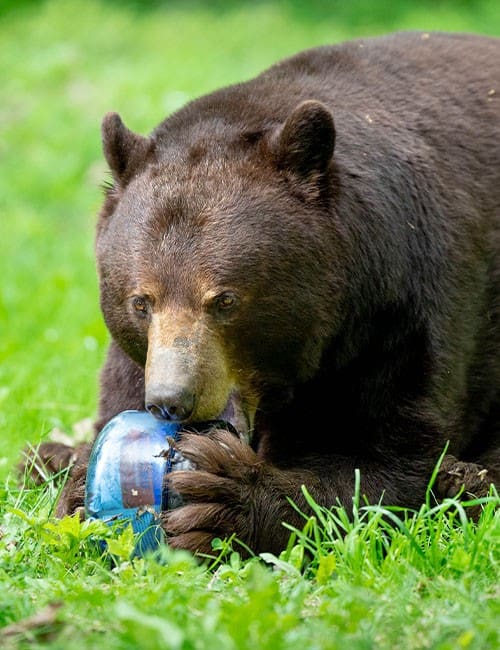
Once closed, ensure the gasket is seated correctly and the latches click firmly into place. Shake the canister gently; if you hear or feel movement, unpack and repack. A secure seal is critical for keeping odors inside and maintaining the structural integrity of the container during transport.
Proper packing transforms your canister from a simple box into a secure, odor-proof vault. By layering items strategically and eliminating air gaps, you reduce the risk of accidental punctures and ensure that the container remains heavy and stable on the trail. Always verify that your specific park requires bear canisters, as regulations vary by region.
Hang food if canisters are not required
When regulations allow it, hanging your food bag is a reliable backup to bear canisters. The goal is to create a barrier that bears cannot reach, keeping your supplies safe and your campsite secure. This method works best when you follow the PCT (Pacific Crest Trail) technique, which uses a counterbalance system to hoist the bag high and far from the trunk.
Choose the right tree and branch
Find a sturdy, dead or live branch that is at least 12 feet off the ground and 4 feet away from the main trunk. The branch should be strong enough to hold the weight of your food bag, rope, and any counterweight. Avoid thin, dead branches that might snap under pressure.
Pack your food bag
Place all food, trash, toiletries, and scented items into a durable, waterproof bag. Squeeze out as much air as possible before sealing. If you are using a bear bag specifically designed for hanging, ensure the drawstring closure is tight. This minimizes odors that might attract curious animals.
Set up the counterbalance system
Throw a long, strong rope over the chosen branch. Attach your food bag to one end and a heavy rock or water-filled bottle to the other. Pull the rope until the food bag is high up in the tree, ideally 15 feet or more. The counterweight helps lift the bag smoothly without tangling.
Secure the rope and bag
Once the bag is at the desired height, tie the rope securely to the tree trunk below the branch. Make sure the knot is tight and will not slip. Pull the bag away from the trunk as much as possible. A good rule of thumb is to hang it at least 4 feet horizontally from the trunk and 10 feet vertically from the ground.
Test the setup
Give the bag a gentle tug to ensure it is stable and secure. If it swings too freely or touches the trunk, adjust the rope. Bears are clever and can learn to access food if it is within reach. A well-hung bag should be out of reach and difficult to dislodge.
Store food safely in your vehicle
Many campers assume a locked car is a safe vault, but this is a dangerous misconception. Bears are intelligent and persistent; they can smell food through closed windows and will easily break a window or rip through a soft-sided vehicle to get a meal. To keep your food secure and your vehicle intact, you must treat every car as a potential entry point.
Never leave food in an unattended soft-sided vehicle.
Bears have no problem ripping through a tent trailer, pop-up camper, or soft-shell RV in minutes. If you are camping in a tent or soft-sided shelter, do not store any food, trash, or scented items inside your car. Instead, use a bear-resistant container hung at a safe distance from your tent, or a designated bear box if one is available at the campsite.
In hard-sided vehicles, store food in a cooler or container out of sight.
If you are in a hard-sided RV or SUV, you can store food, but you must follow strict protocols. Keep all food in a sealed cooler or bear-resistant container. Place this container in the trunk or under a seat where it cannot be seen from the outside. Bears are more likely to break a window if they see food than if the interior appears empty.
Keep windows rolled up and doors locked at all times.
Even with food hidden, never leave a hard-sided vehicle unattended with windows down. A bear can reach through a small gap or smash a window with minimal effort. When you are away from your vehicle, ensure all windows are fully closed and doors are locked. This simple step removes the temptation and makes your vehicle a much harder target.
Remember, the goal is not just to protect your food, but to prevent bears from becoming habituated to human sources. A bear that learns cars are easy targets may become aggressive, leading to dangerous encounters and the eventual removal of the animal.
Place storage far from your tent
Food storage isn't just about keeping bears out of your snacks; it's about keeping them away from your sleeping bag. Bears are driven by scent, and if your food smells like your campsite, they will investigate. The goal is to create a scent-free zone around your tent where the only thing that smells like "you" is you.
Maintain at least 100 feet between your food storage and your sleeping area. This distance is the critical buffer that prevents bears from associating your tent with a meal. If a bear finds your food this far away, it is unlikely to wander back to where you are sleeping. This separation breaks the link between human presence and food availability.
Pack all scented items—food, toiletries, and cookware—into your bear canister or hang your bear bag at this designated distance. Do not store toothpaste, deodorant, or trash near your tent, as these carry strong odors that attract bears just as much as food does. By moving everything smelly far away, you ensure that your tent remains a safe haven, not a buffet.
Verify your storage setup works
Before you settle in for the night, treat your campsite like a security checkpoint. One overlooked item can turn a peaceful evening into a bear encounter. Walk through this final checklist to ensure every scented object is locked away or hung correctly.
- The Distance Rule: Verify your food storage is at least 100 feet downwind from your tent. Bears have an incredible sense of smell, and distance is your best buffer.
- Scent Audit: Check for hidden odors. This includes toothpaste, deodorant, sunscreen, lip balm, and trash. If it has a smell, it belongs in the canister or hang.
- Container Integrity: If using a bear canister, ensure the lid is fully seated and the latch clicks shut. For hanging bags, confirm the knot is secure and the bag is high enough that a bear cannot reach it.
- Cleanliness: Sweep your tent and cooking area. No crumbs, no grease stains, and no food wrappers left behind.
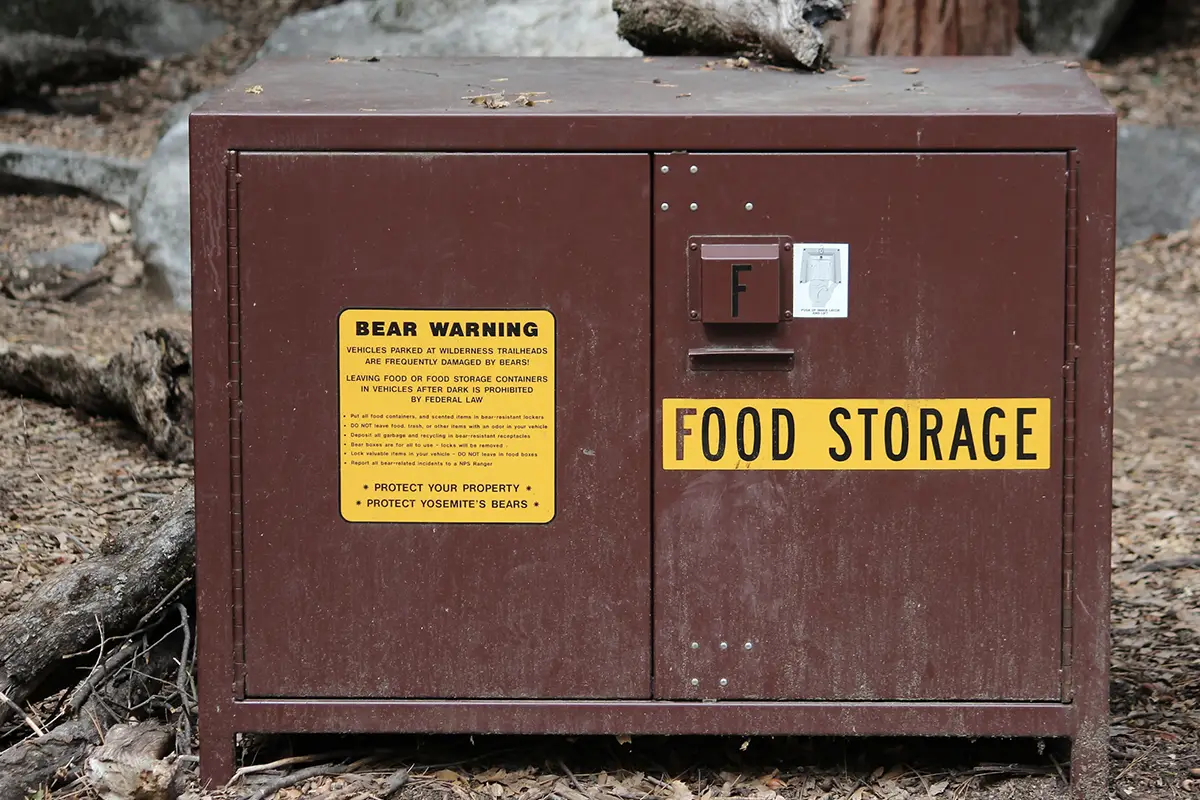
A quick visual sweep of your campsite now prevents costly repairs later. Proper bear country food storage isn't just about protecting wildlife; it's about keeping your gear and your safety intact for the rest of the trip.
Common questions about bear storage
Getting the details right matters more than just packing a cooler. Bears are opportunistic and persistent, so following local regulations is the first step in keeping your supplies—and yourself—safe.
No comments yet. Be the first to share your thoughts!