

Why Vegan Trail Food Matters
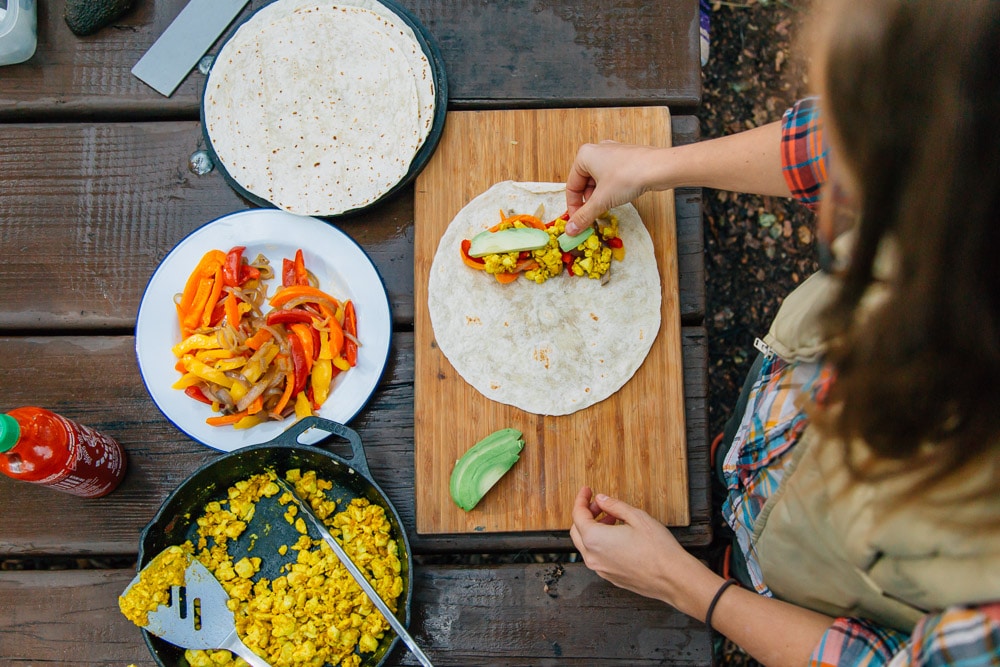
Plant-based meals offer a distinct logistical advantage for hikers: they are lighter and easier to digest than their animal-based counterparts. Dried legumes and grains provide dense caloric energy without the heavy fat content that can slow digestion on steep ascents. This makes them ideal for multi-day treks where every ounce counts.
Beyond weight, vegan trail food simplifies packing. You avoid the need for strict temperature control for perishable proteins, reducing the risk of spoilage. Most plant-based options are shelf-stable and require only water to rehydrate, streamlining meal prep at camp. This efficiency allows you to focus on the trail rather than complex cooking logistics.
Top freeze-dried vegan backpacking meals
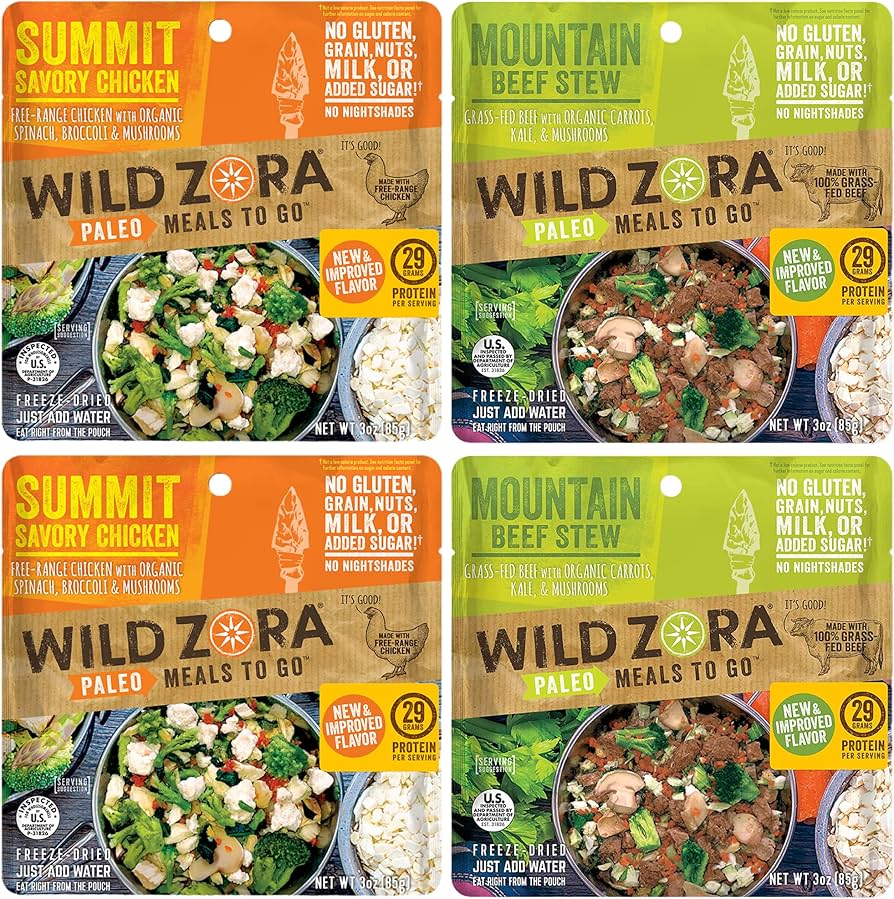
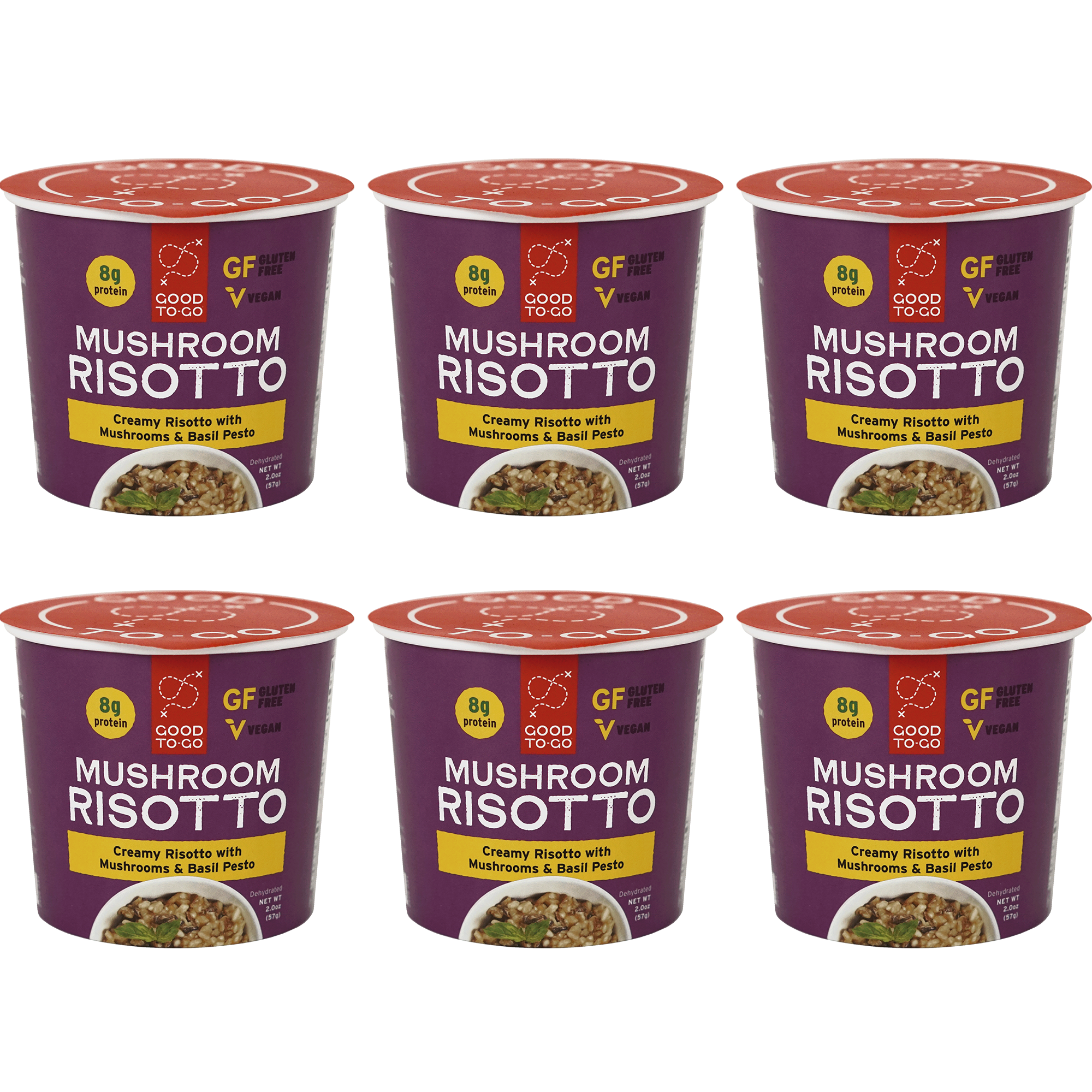
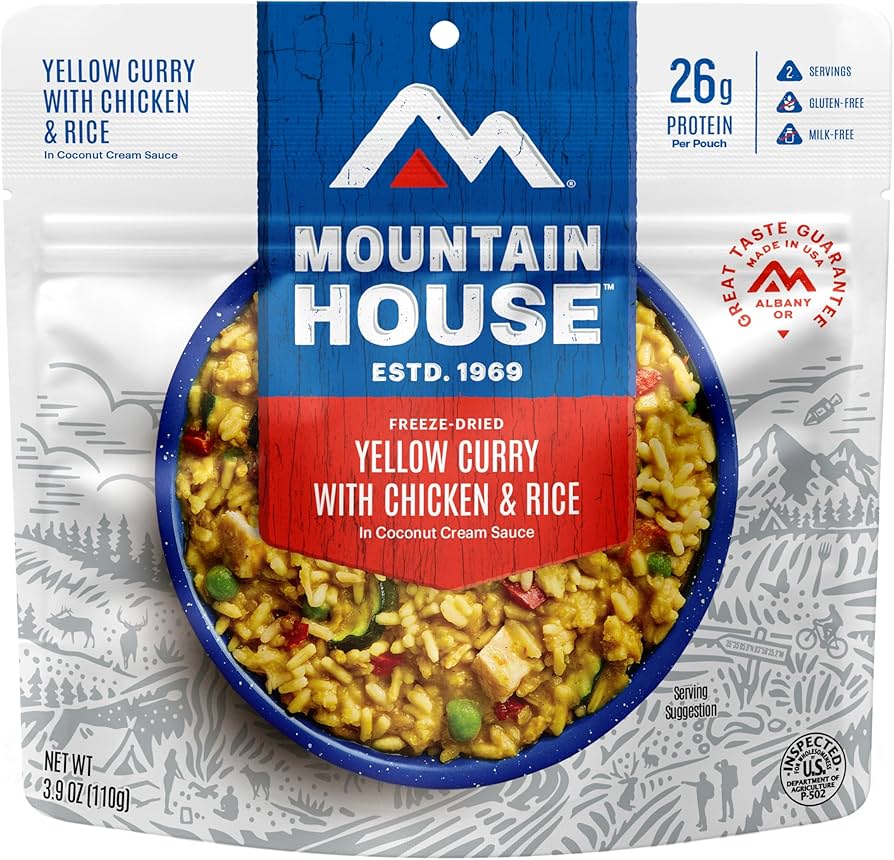
For hikers who want to ditch the stove or minimize cleanup, freeze-dried meals offer the ultimate convenience. These commercial options require only boiling water and a wait time of ten to fifteen minutes. They are shelf-stable, lightweight, and designed to provide high-calorie fuel for strenuous activity without the hassle of chopping vegetables or managing pots.
The market has shifted from bland, single-ingredient packets to chef-inspired recipes that actually taste good. Brands like Outdoor Herbivore and Good To-Go have led this charge, focusing on organic ingredients and complex flavor profiles that mimic restaurant-quality dinners. Whether you are craving a hearty chili or a creamy pasta dish, there are reliable options that meet strict vegan standards.
Choosing the right meal depends on your dietary needs and taste preferences. Some hikers prioritize high protein content to support muscle recovery, while others look for low-sodium options to prevent bloating at altitude. Below are three standout products that consistently rank high for flavor, rehydration quality, and nutritional balance.
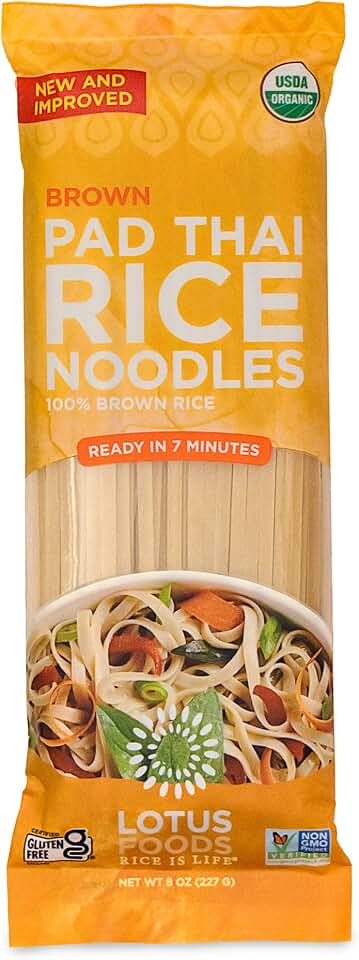
As an Amazon Associate, we may earn from qualifying purchases.
Best lightweight vegan snacks and bars
Mid-hike refueling requires snacks that pack a caloric punch without adding bulk to your pack. Unlike full meals, these items need to be non-perishable, resistant to crushing, and easy to eat with one hand while navigating trails. The goal is steady energy release, avoiding the sugar crashes that come from overly processed sweets.
When selecting snacks, prioritize calorie density and ingredient simplicity. Nut butters, dark chocolate, and dense granola bars form the backbone of most successful hiking diets. They provide a reliable mix of fats, proteins, and carbohydrates that sustain energy over long distances. Look for options that seal well in individual portions to prevent waste and maintain freshness in variable weather conditions.
The following products represent reliable choices for plant-based hikers seeking high-energy, shelf-stable fuel.


As an Amazon Associate, we may earn from qualifying purchases.
Simple no-cook vegan camp meals
Use this section to make the Best Vegan Camping Meals for Hiking decision easier to compare in real life, not just on paper. Start with the reader's actual constraint, then separate must-have requirements from details that are merely nice to have. A practical choice should survive normal use, maintenance, timing, and budget. If a recommendation only works in an ideal situation, call that out plainly and give the reader a fallback path.
The simplest way to use this section is to write down the must-have criteria first, then compare each option against those criteria before weighing nice-to-have features.
Vegan Food Storage in Bear Country
A common myth suggests that vegan camping meals are safe to leave out because they lack meat scents. This is dangerous. Bears are opportunistic omnivores with an incredible sense of smell, and they are just as attracted to the oils in peanut butter, the sugar in dried fruit, and the starches in rice as they are to bacon. In bear country, all food, trash, and scented items must be stored away from your sleeping area to prevent dangerous encounters.
1. Use an Approved Bear Canister
In many wilderness areas, hanging food is no longer sufficient or even permitted. A hard-sided bear canister is the most reliable way to store your vegan staples like dehydrated meals, nuts, and spices. These containers are designed to withstand bear paws and teeth, keeping your food secure and your camp safe.
2. Hang Your Food Bag Properly
If canisters are not required, use the PCT (Pack Caster Thread) hang method. Choose a tree branch at least 12 feet high and 6 feet away from the trunk. Place all your vegan snacks, cooking utensils, and trash inside a bear bag. This keeps the scent away from your tent and prevents bears from associating your camp with food.
3. Store Scented Items Too
Bears are drawn to strong smells, including sunscreen, toothpaste, and lip balm. Store these items in the same container as your food. Even if you are not cooking, leaving a tube of toothpaste in your tent can attract a bear. Treat all scented items as potential food sources.
4. Cook and Eat Away from Your Tent
Never cook or eat inside your tent. Set up your kitchen area at least 200 feet downwind from where you sleep. This ensures that any lingering food odors do not drift into your sleeping quarters. Clean all cooking gear thoroughly and pack out all food scraps.
5. Pack Out All Waste
Leave no trace by packing out all food waste, including peels, cores, and wrappers. Bears can learn to open trash cans, so never leave garbage unattended. Store your trash in the same bear-resistant container as your food until you leave the wilderness area.
Faq: vegan hiking food: what to check next
How do I get enough protein on a vegan hiking trip? Focus on calorie-dense, plant-based staples that travel well. Canned or pouch beans, lentils, and quinoa are excellent protein sources that require minimal prep. Pair these with nuts, seeds, and nut butters for a complete amino acid profile without the weight of heavy cooking gear.
What is the easiest vegan camping meal to make? Burrito bowls are widely considered the most hassle-free option. Combine ready rice, canned beans, and durable veggies like cabbage and grape tomatoes. You can eat them cold or warm them quickly over a camp stove, making them perfect for high-energy days on the trail.
Do I need to prep vegan meals before camping? Prep saves time and weight in the backcountry. Pre-mix dry ingredients for oatmeal or granola bars at home and store them in ziplock bags. For meals like dehydrated soups or pasta, portion out spices and dried goods ahead of time to streamline cooking at the campsite.
No comments yet. Be the first to share your thoughts!