

Pack high-energy vegan meals
Your pack weight is the enemy. Every ounce you carry must earn its place by delivering sustained fuel. The goal is calorie density: maximizing energy per ounce of food. Aim for 100 to 125 calories per ounce for ultralight hiking nutrition. This ratio ensures you carry less bulk while maintaining the energy reserves needed for steep ascents and long days on the trail.
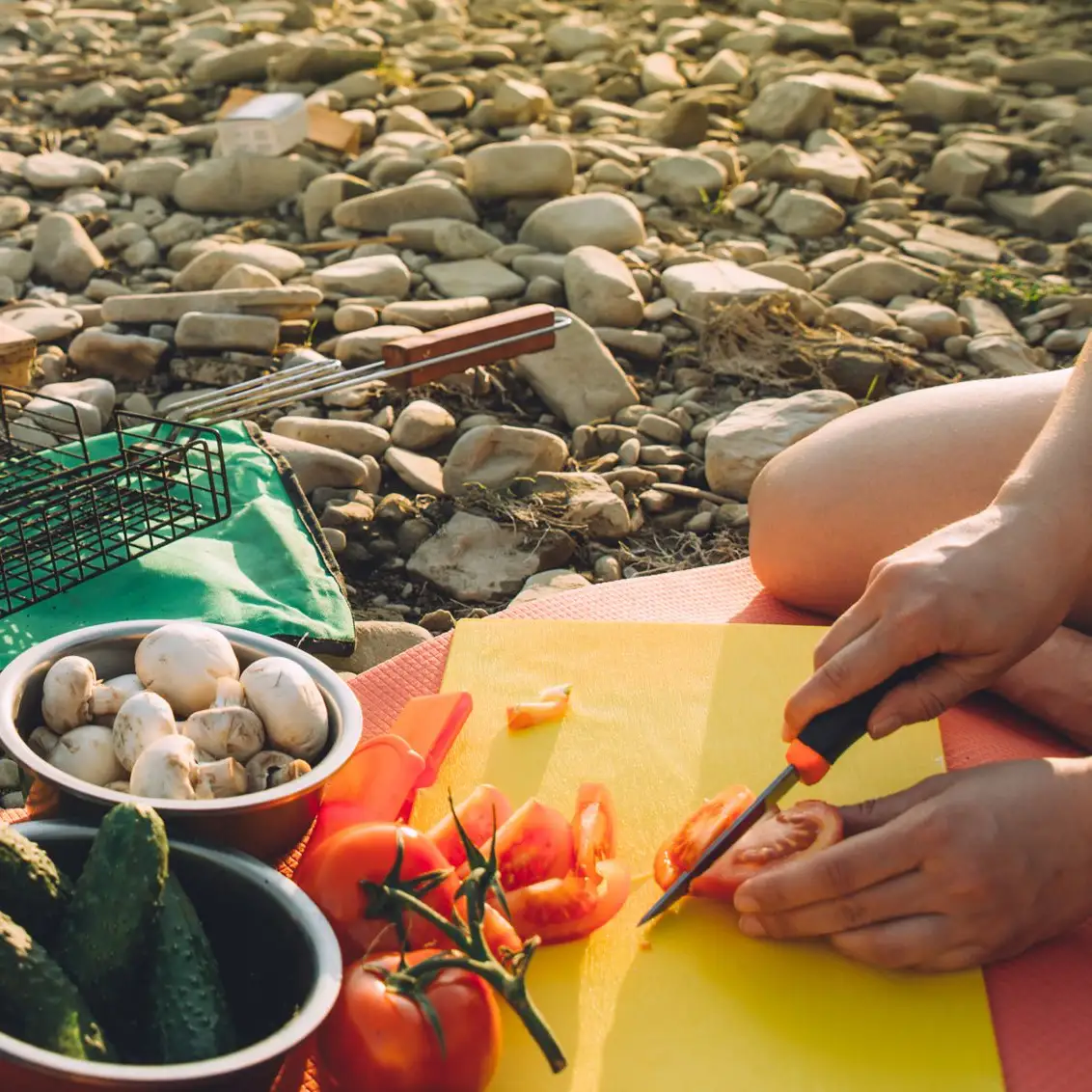
Achieving this density requires prioritizing fats and complex carbohydrates over high-water-content vegetables. Nuts, seeds, nut butters, olive oil, and dried grains form the backbone of efficient hiking meals. These ingredients are lightweight, shelf-stable, and resistant to spoilage. They provide the slow-burning energy necessary to keep your blood sugar stable during intense physical exertion.
Avoid packing heavy, water-rich foods like fresh fruits or raw vegetables. These add significant weight without contributing proportionally to your calorie count. Instead, opt for dehydrated versions or calorie-dense alternatives like dried mango or nut-based energy bars. This shift in strategy allows you to carry a smaller food supply, freeing up pack space for other essentials like shelter and water filtration systems.
Consider the preparation method as part of your weight calculation. Meals that require minimal water or fuel to cook are inherently more efficient. Instant oats, quick-cooking quinoa, and dehydrated bean pouches fit this criteria perfectly. They reduce the need to carry heavy cooking gear and fuel canisters, further optimizing your overall pack weight.
The key is balance. While calorie density is paramount, don't neglect the need for variety and flavor. Monotonous meals can lead to appetite suppression, causing you to eat less than your body needs. Incorporate a mix of textures and flavors—salty, sweet, and savory—to keep your appetite stimulated throughout the trip. This psychological factor is just as important as the physical weight of your food.
Finally, test your meal plan before hitting the trail. Cook your chosen meals at home to verify portion sizes and cooking times. This practice helps you refine your calorie calculations and ensures you aren't underestimating your energy needs. A well-tested plan prevents food-related emergencies and keeps your hiking experience smooth and enjoyable.
Prepare breakfast and lunch
Your morning fuel sets the pace for the day, so prioritize meals that require little to no cooking. Overnight oats are a reliable staple because they hydrate in the jar overnight, leaving you with a ready-to-eat breakfast that needs only a spoon. Combine rolled oats with chia seeds, plant-based milk, and a pinch of salt in a mason jar. Top with dried fruit or nuts before hitting the trail. This method eliminates the need for a stove and keeps ingredients fresh without refrigeration.
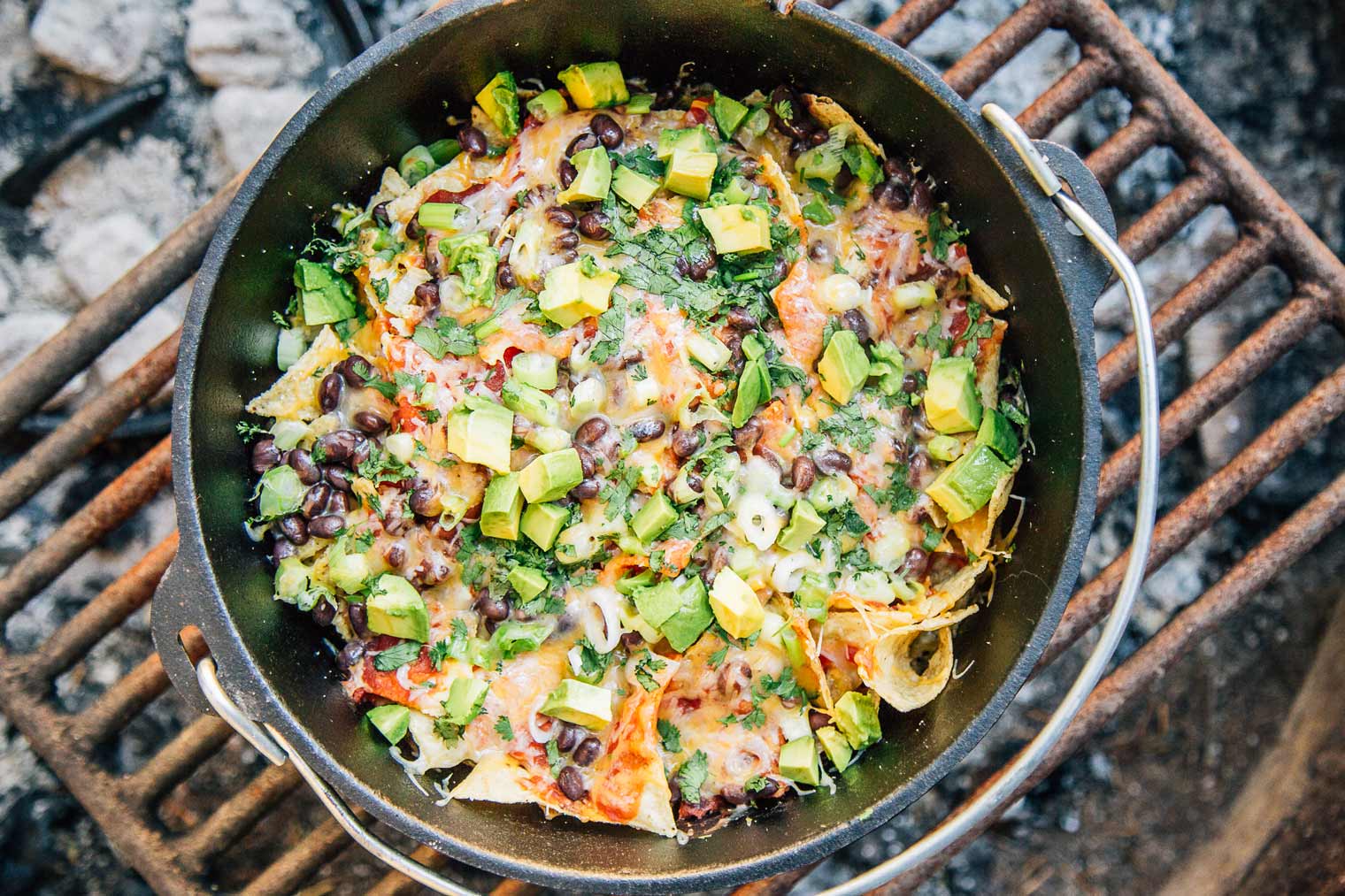
For lunch, aim for high-energy foods that do not spoil easily and require zero preparation. A tortilla wrap filled with nut butter, banana slices, and honey offers dense calories in a lightweight package. Alternatively, build a no-cook salad using sturdy greens like kale, which holds up better than lettuce, topped with chickpeas and a simple olive oil dressing. These options provide sustained energy without the hassle of cleaning pots or managing fire risk.
Carry a small, insulated container for dips like hummus or guacamole to pair with raw vegetables or crackers. This adds variety and healthy fats to your midday break. Keep all food stored in a bear canister or hang bag to protect wildlife and your supplies. The goal is to minimize weight and preparation time so you can spend more time on the trail and less time managing meals.
Cook simple dinner recipes
Cooking a hot vegan dinner at camp doesn't require a gourmet setup. The goal is to maximize flavor while minimizing cleanup and fuel usage. A one-pot strategy works best here: you boil, simmer, and eat from the same vessel, saving water and dishwashing time.
We will walk through preparing a hearty bean and rice bowl. This meal is calorie-dense, easy to digest after a long hike, and relies on shelf-stable ingredients that travel well.
Start by measuring your grains and legumes. If using quick-cook rice or pre-cooked pouches, you save significant fuel time. Rinse dried beans or lentils if you are using them, but skip this step for canned or pouch varieties to keep water usage low. Chop any fresh vegetables like cabbage or tomatoes before you leave home to save space and time at the campsite.
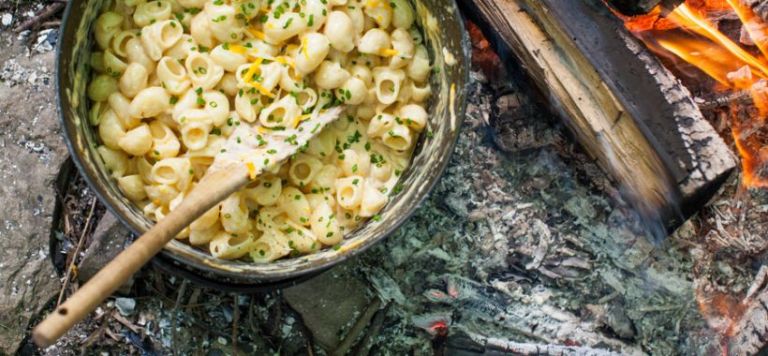
Place your pot on the camp stove and bring water to a rolling boil. Add your grains first, as they take the longest to cook. If you are using a one-pot method, add dried beans or lentils at this stage as well. Cover the pot to retain heat and reduce cooking time. Stir occasionally to prevent sticking.
Once the grains are tender and the water has mostly absorbed, add your canned beans, lentils, or tofu. If using fresh vegetables that cook quickly, like spinach or zucchini, add them now. For heartier veggies like carrots or potatoes, add them with the grains. Stir everything together to combine flavors and ensure even heating.
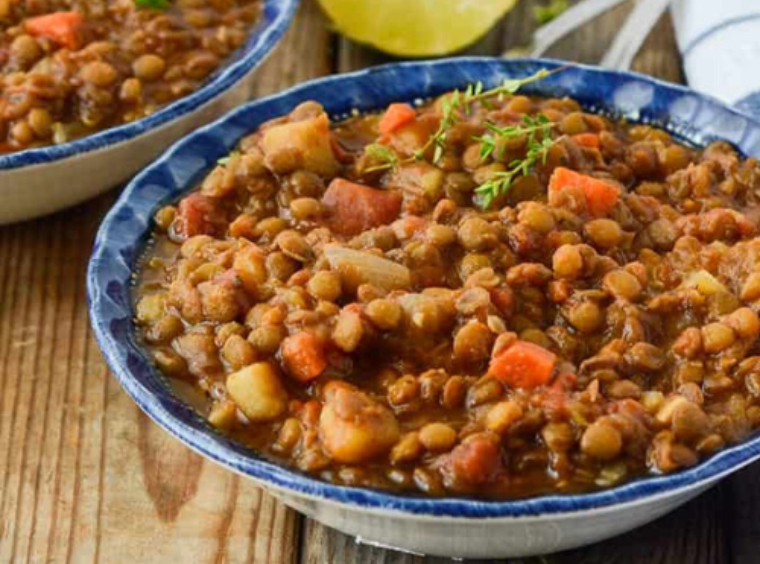
Remove the pot from the heat. Stir in your seasonings: salt, pepper, garlic powder, or a pre-made spice blend. A splash of olive oil or coconut milk can add richness and help carry the flavors. Taste and adjust seasoning as needed. Let the meal sit covered for five minutes to allow the flavors to meld and the heat to distribute evenly.
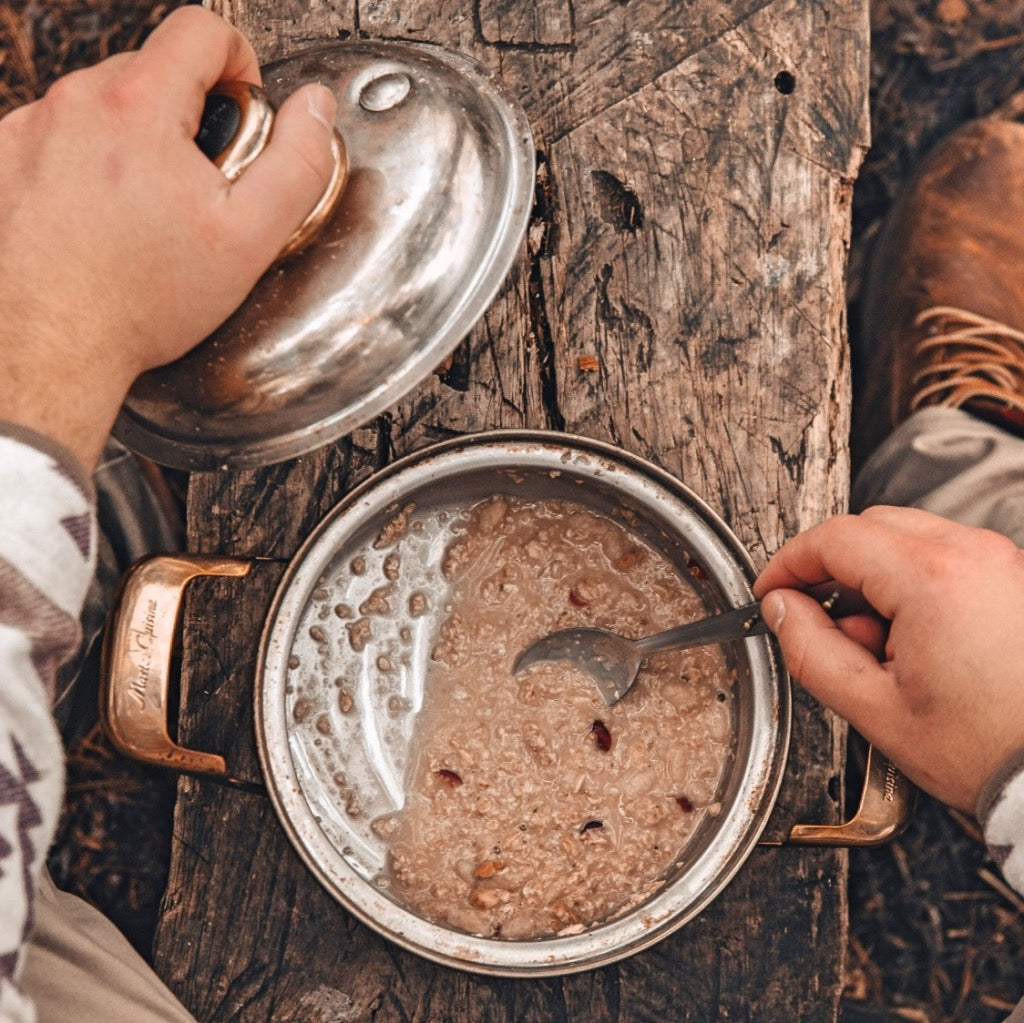
Ladle the meal directly into your bowls or plates. Eat immediately while hot. To clean up, scrape out any remaining food and rinse with a small amount of water. Use biodegradable soap if required by your campsite rules, and scatter the wash water at least 200 feet from any water source.
This approach keeps your dinner simple and satisfying. By focusing on one-pot meals, you reduce the environmental impact and make cleanup effortless, leaving you more time to enjoy the evening.
Store food safely in bear country
Vegan camping meals rely heavily on aromatic staples like nuts, dried fruits, and nut butters. These high-calorie, high-scent foods are just as attractive to wildlife as bacon or cheese. In bear country, failing to store these items correctly puts both you and the animals at risk. Follow this sequence to secure your food and prevent dangerous encounters.
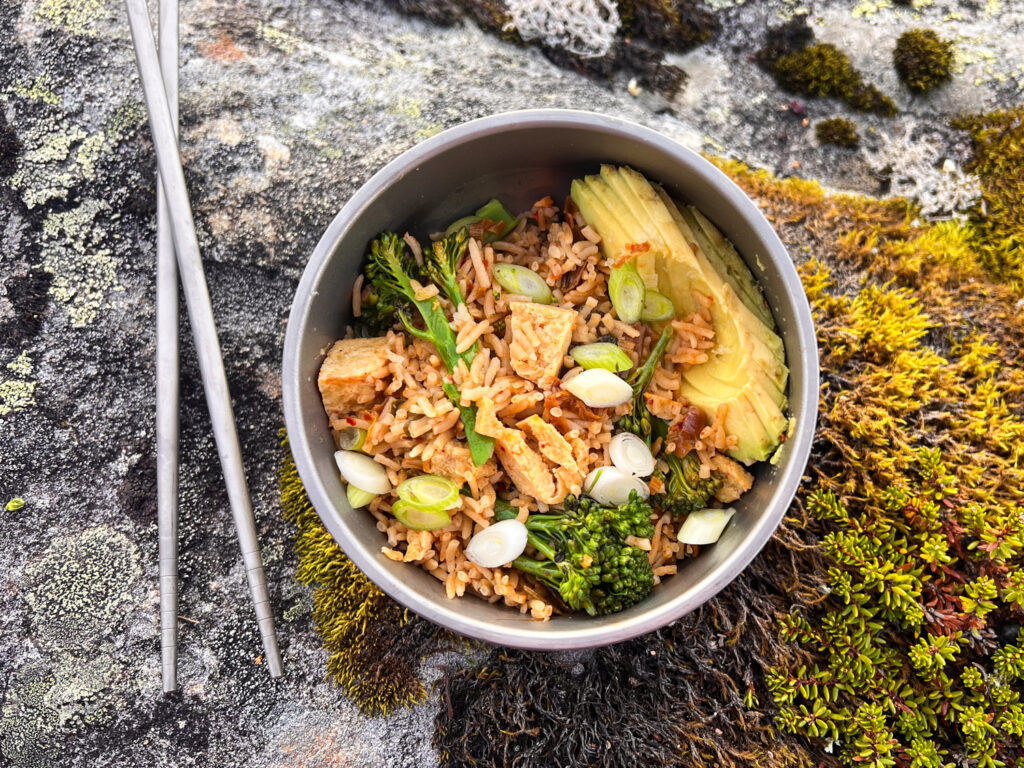
Place all food, trash, and scented items (toothpaste, sunscreen) into a certified odor-proof bag. These bags block scent molecules from escaping. Double-bagging is recommended for strong-smelling vegan items like dehydrated bean stews or spicy nut mixes.
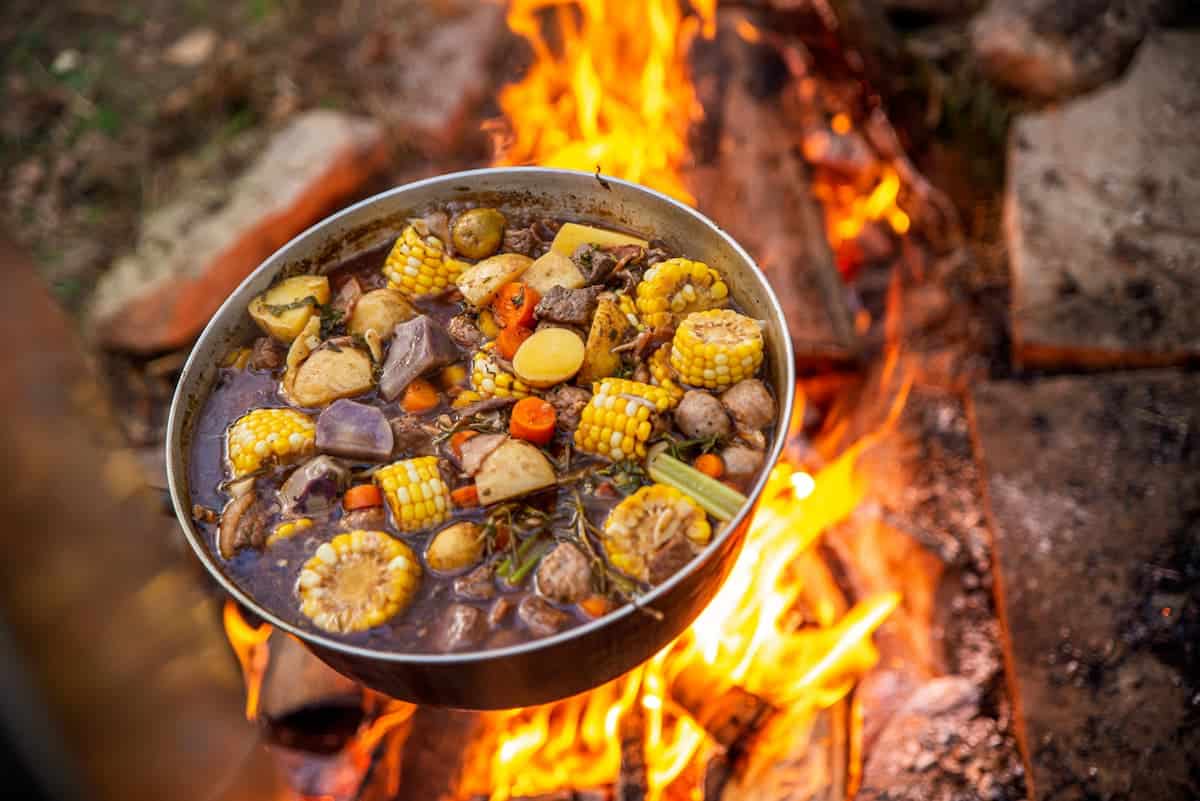
Use a bear canister or a bear hang. If using a hang, suspend your bag at least 12 feet high and 6 feet away from the tree trunk. If using a canister, place it on bare ground, not on rocks or logs, which can provide access for bears. Never store these near your tent.
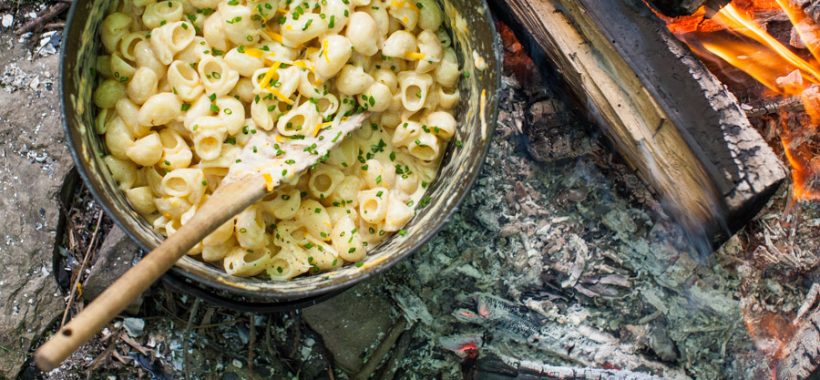
Set up your cooking area at least 200 feet downwind from your sleeping tent. Cook, eat, and clean your dishes in this designated zone. This creates a scent buffer that keeps food odors away from where you sleep.
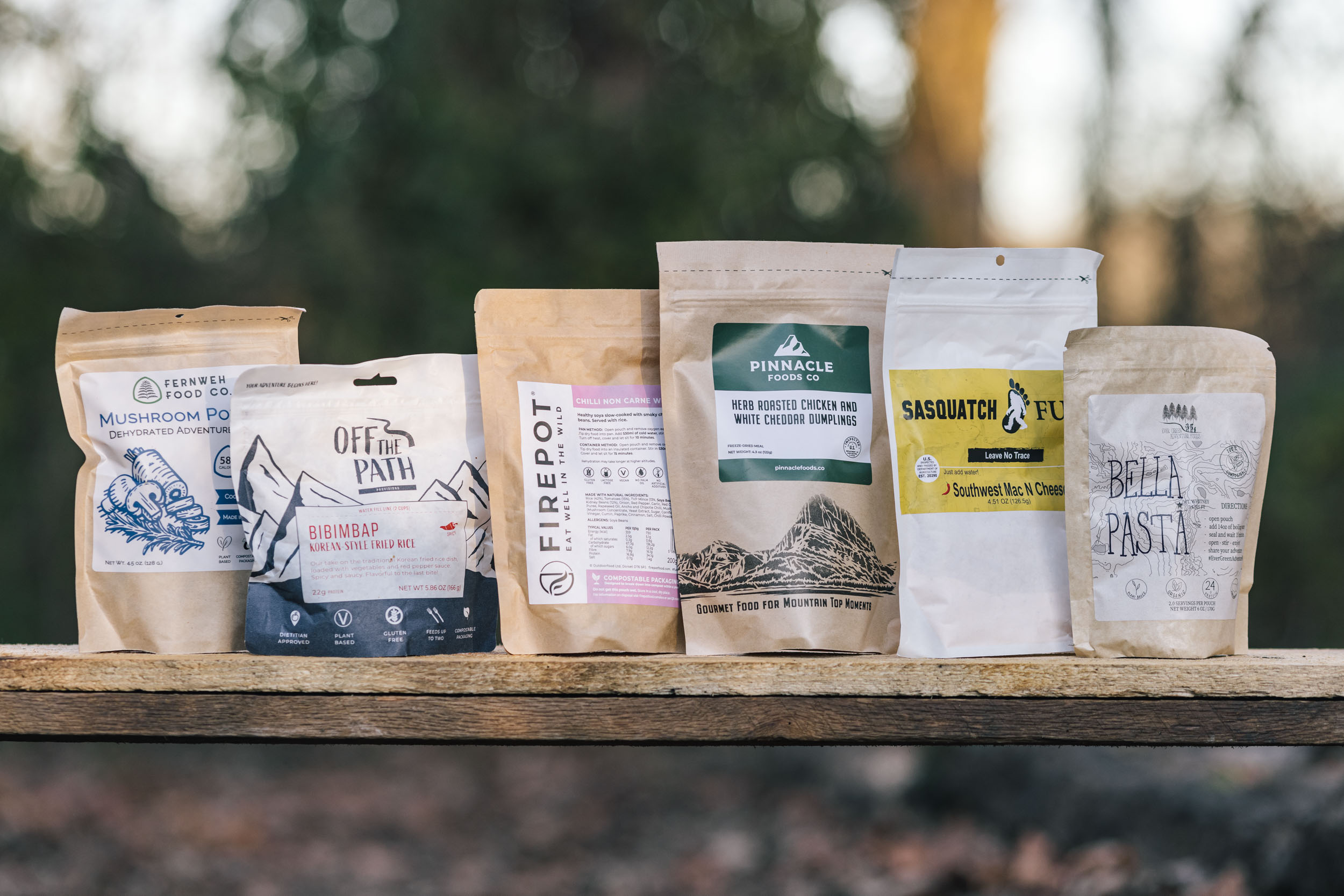
Pack out all food scraps, trash, and leftover vegan meals. Do not bury or burn waste; it often attracts scavengers and does not decompose quickly in many environments. Seal waste in the same odor-proof bag used for your food.
By treating your vegan food with the same caution as meat-based camping meals, you ensure a safe trip for everyone involved. Proper storage is not just about protecting your snacks; it is about preserving the natural behavior of wildlife and keeping our trails open for future hikers.
Watch a vegan camping meal demo
Seeing the process helps clarify portion sizes and prep timing. This short video shows a two-day vegan camping trip with advance prep, giving you a realistic look at trail food in action.
Check your vegan camping gear list
Before you head out, verify that your kitchen kit can handle the specific meals you planned. A streamlined setup prevents wasted weight and ensures you can cook efficiently on the trail.

Bring a single pot with a lid, a durable spork, and a collapsible bowl. One pot minimizes cleanup and fits neatly into a stuff sack. Avoid heavy cast iron unless you are car camping for multiple days.
Test your canister stove or alcohol burner before leaving home. Check that your fuel canisters are compatible with your regulator and that you have enough for all planned breakfasts and dinners. Pack a lighter and waterproof matches as backup.
Use airtight containers for dry goods like oats, quinoa, and spices. For perishables like tofu or fresh vegetables, bring a small cooler with ice packs if car camping. On backpacking trips, rely on shelf-stable items like nuts, dried fruit, and dehydrated meals.
Bring a biodegradable soap, a small sponge, and a quick-dry towel. Pack out all food waste and leftover scraps to keep wildlife away. A small bag for trash and a separate bag for recyclables help you stay organized.
Double-check that you have all necessary spices, oil, and condiments in small, leak-proof containers. A well-organized gear list makes meal prep on the trail much less stressful.
Questions about vegan camping meals
Planning plant-based food for the trail often brings up specific worries about nutrition, pack weight, and food safety. Addressing these concerns directly helps you focus on the hike rather than worrying about your next meal.
Is it hard to get enough protein on a vegan camping trip?
Protein is essential for muscle recovery after a long day of hiking. You do not need to carry heavy meat substitutes to meet your needs. Nuts, seeds, lentils, and quinoa are dense, lightweight sources that provide complete amino acids. A mix of peanut butter and oats can easily cover your morning protein requirements without adding bulk to your pack.
How do you keep vegan food from spoiling without a cooler?
Perishable items like tofu or fresh vegetables can spoil quickly in warm weather. Rely on shelf-stable ingredients such as dried beans, rice, and dehydrated meals. If you must carry fresh items, choose hardy vegetables like carrots or bell peppers that withstand pressure and heat. Always store food in bear-proof containers or hang it properly to avoid attracting wildlife.
Will vegan camping meals make my backpack too heavy?
Weight is a major concern for hikers, but plant-based foods are often lighter than their meat counterparts. Dried pasta, couscous, and instant oats have high calorie-to-weight ratios. Avoid water-heavy fresh produce and heavy canned goods. Instead, opt for freeze-dried meals or dehydrated soups, which require only boiling water to prepare, significantly reducing your pack weight.
No comments yet. Be the first to share your thoughts!