

Plan your vegan camping meals
Your backpack has a hard limit on weight, and your body has a hard limit on energy. The goal of planning vegan camping meals is to bridge that gap efficiently. You need food that provides sustained energy without turning your pack into a burden. This means prioritizing calorie density over volume.
Aim for foods that deliver at least 100 calories per ounce. This ratio keeps your pack light while ensuring you have enough fuel for long hikes and cold nights. Dehydrated meals, nuts, and dense grains are your best allies here. They offer high energy returns with minimal weight penalties.
Building a menu around this principle simplifies everything else. You spend less time weighing ingredients and more time enjoying the trail. Start by listing your activities, then select vegan camping meals that match the energy output. This approach prevents overpacking and ensures you never run out of steam.
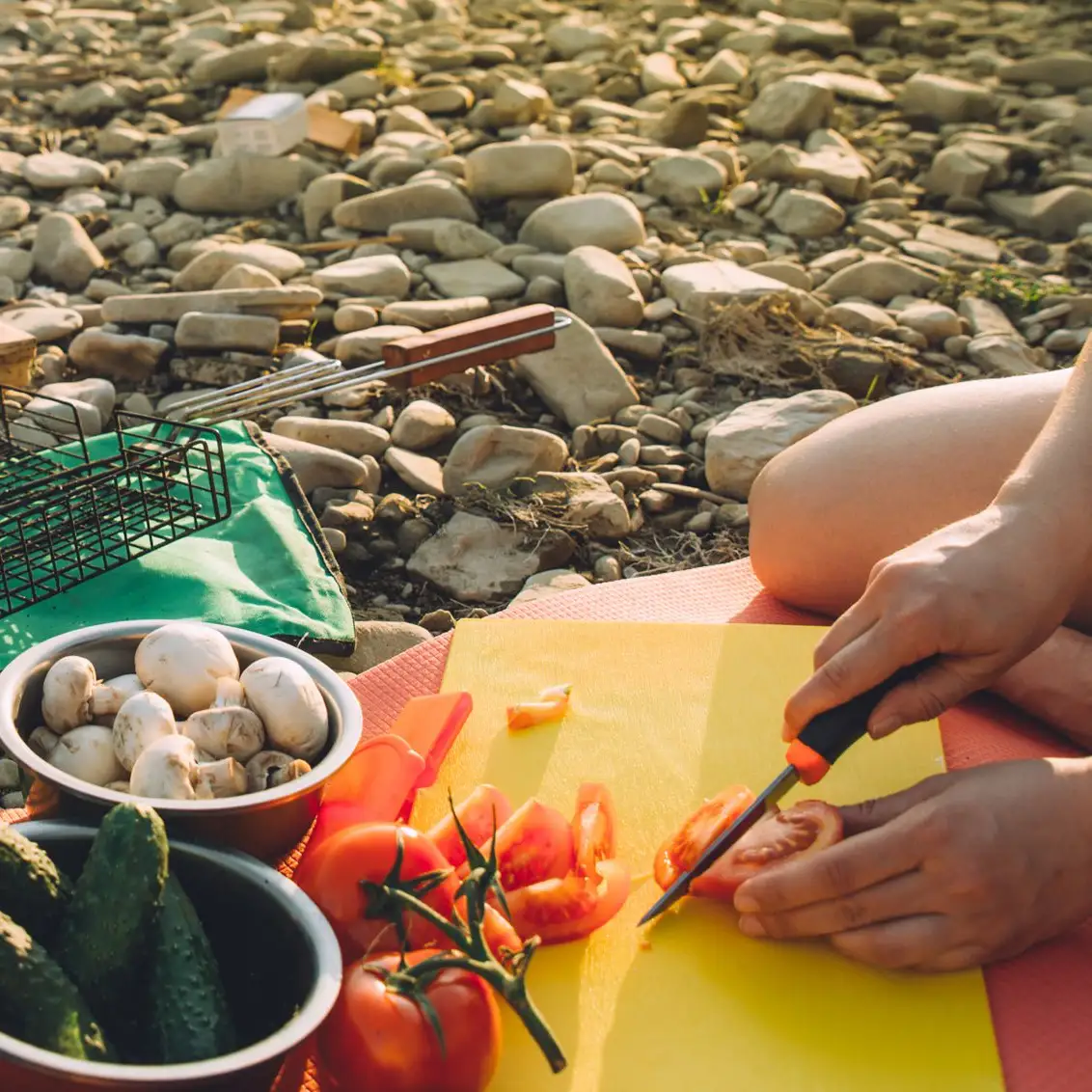
Estimate how many calories you burn based on hike length and terrain. Use this number as your baseline for meal planning.
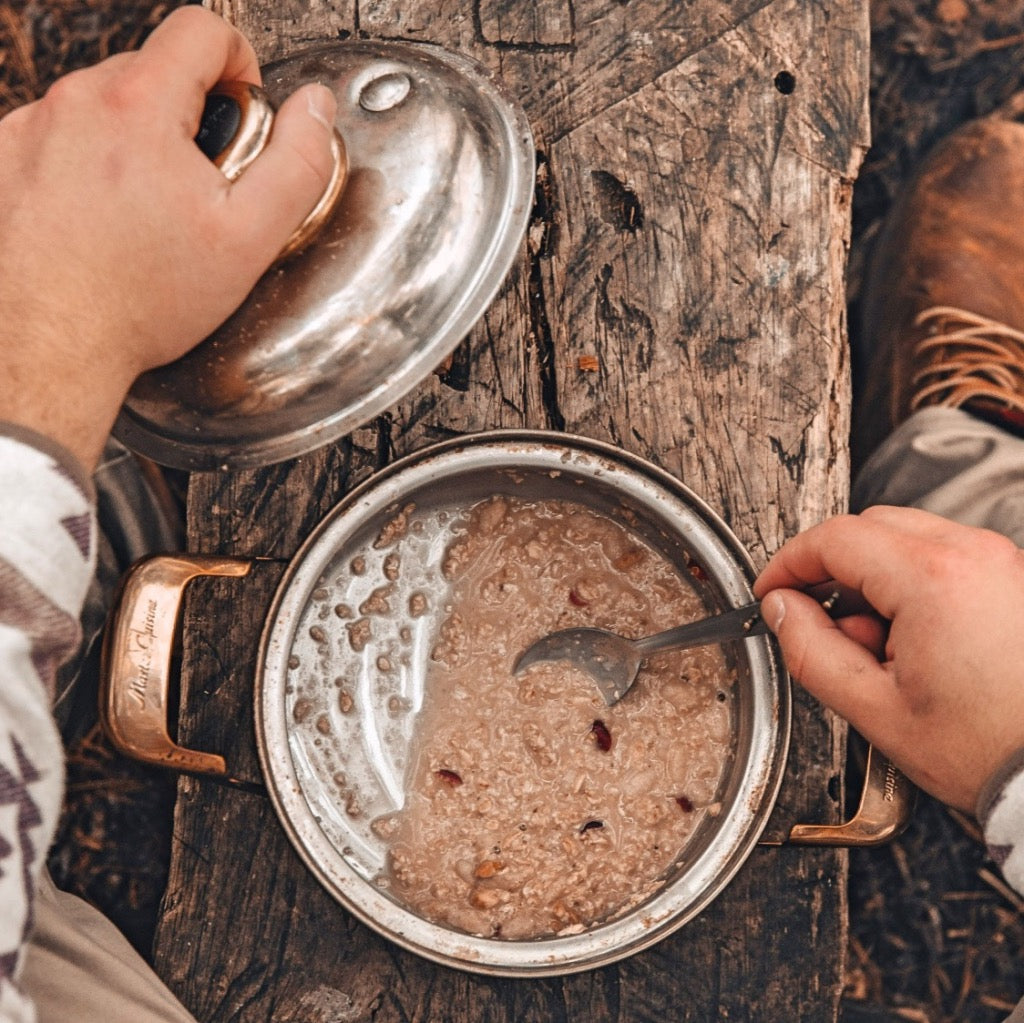
Choose dehydrated meals, nut butters, and dense grains that meet the 100-calorie-per-ounce target.
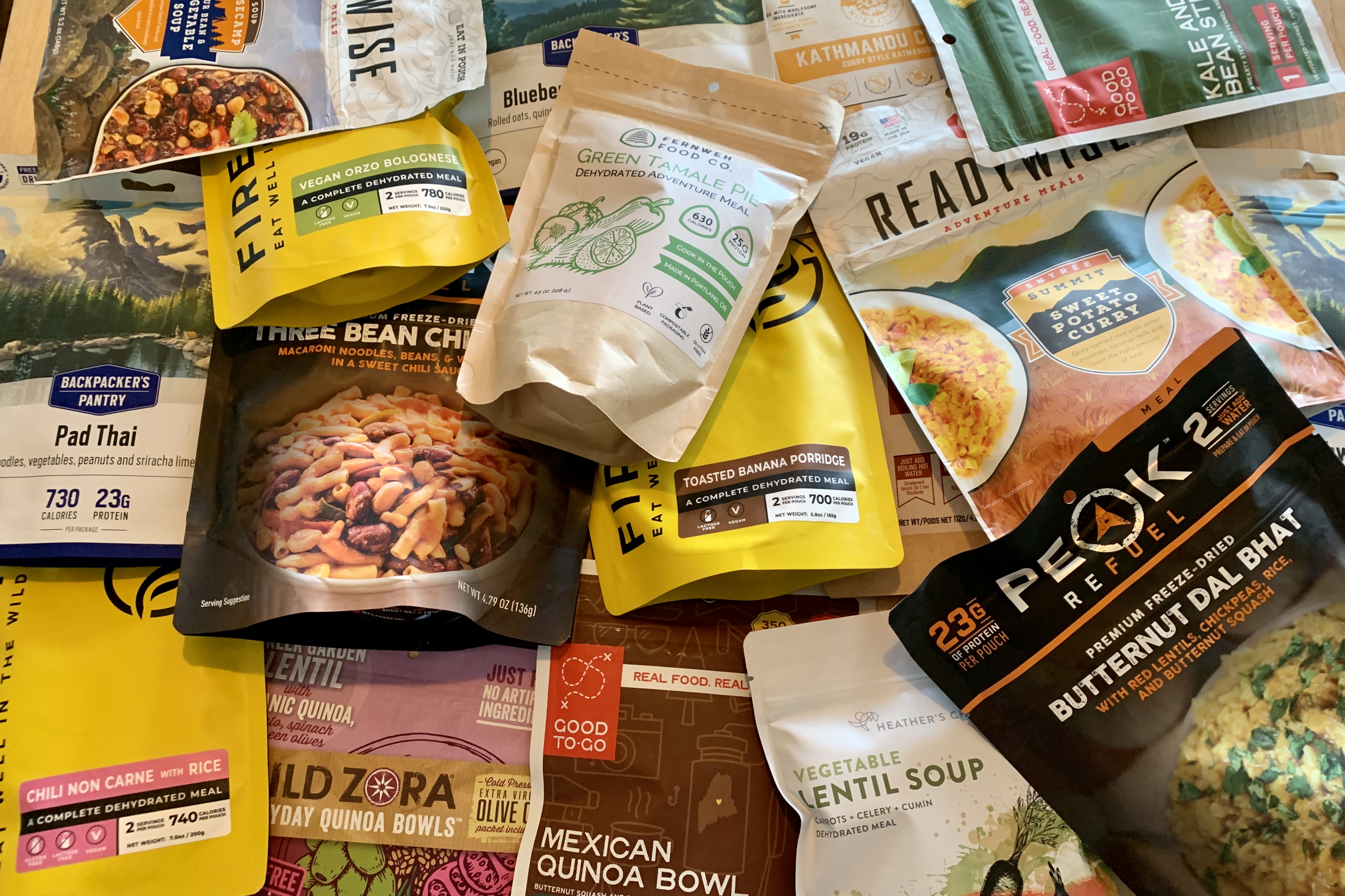
Cook one meal from your list at home. Check the weight, taste, and preparation time to ensure it works for the trail.
Prep ingredients at home
Most vegan camping meals fail because cooks try to chop, dice, and sauté fresh produce on a cramped camp stove. By shifting the heavy lifting to your kitchen, you reduce campsite effort to simple rehydration or heating. This approach keeps your backpack lighter and your campsite cleaner, turning a potential chore into a quick, enjoyable ritual.
The goal is to maximize convenience without sacrificing flavor. Pre-cooking grains, roasting vegetables, and dehydrating sauces allows you to carry only what you need to assemble or reconstitute. You trade a few hours of kitchen time for significant relief in the wild.
1. Cook and dry grains
Cook your preferred grains—quinoa, rice, or couscous—until just tender. Spread them on a baking sheet to cool completely, then dehydrate them at low heat (around 135°F/57°C) or leave them in a food dehydrator until crisp. Dried grains take up minimal space and rehydrate rapidly when boiling water is added, restoring their texture without the mushiness of overcooked camp food.
2. Roast and dehydrate vegetables
Chop sturdy vegetables like bell peppers, onions, mushrooms, and carrots. Toss them in olive oil and spices, then roast until slightly caramelized. Dehydrate these pieces until they are brittle. These roasted bits add deep, concentrated flavor to any meal. When rehydrated in hot water or broth, they regain enough moisture to feel substantial in a bowl or wrap.
3. Pre-mix dry ingredients
Combine dry components like instant oatmeal, protein powder, dried fruit, nuts, and seeds in individual zip-top bags or reusable containers. This "just add water" strategy eliminates measuring at the campsite. For savory meals, mix dried spices, bouillon powder, and powdered milk alternatives into small packets. Having these blends ready means you can throw a dinner together in minutes, even in the dark.
4. Pack for protection
Use rigid containers for fragile items like dehydrated vegetables and pre-cooked grains to prevent crushing. Place heavier items at the bottom of your pack and lighter, bulkier items like dried fruit on top. Seal everything in waterproof bags to protect against moisture and pests. Proper packing ensures your prepped ingredients arrive at the trailhead intact and ready to cook.
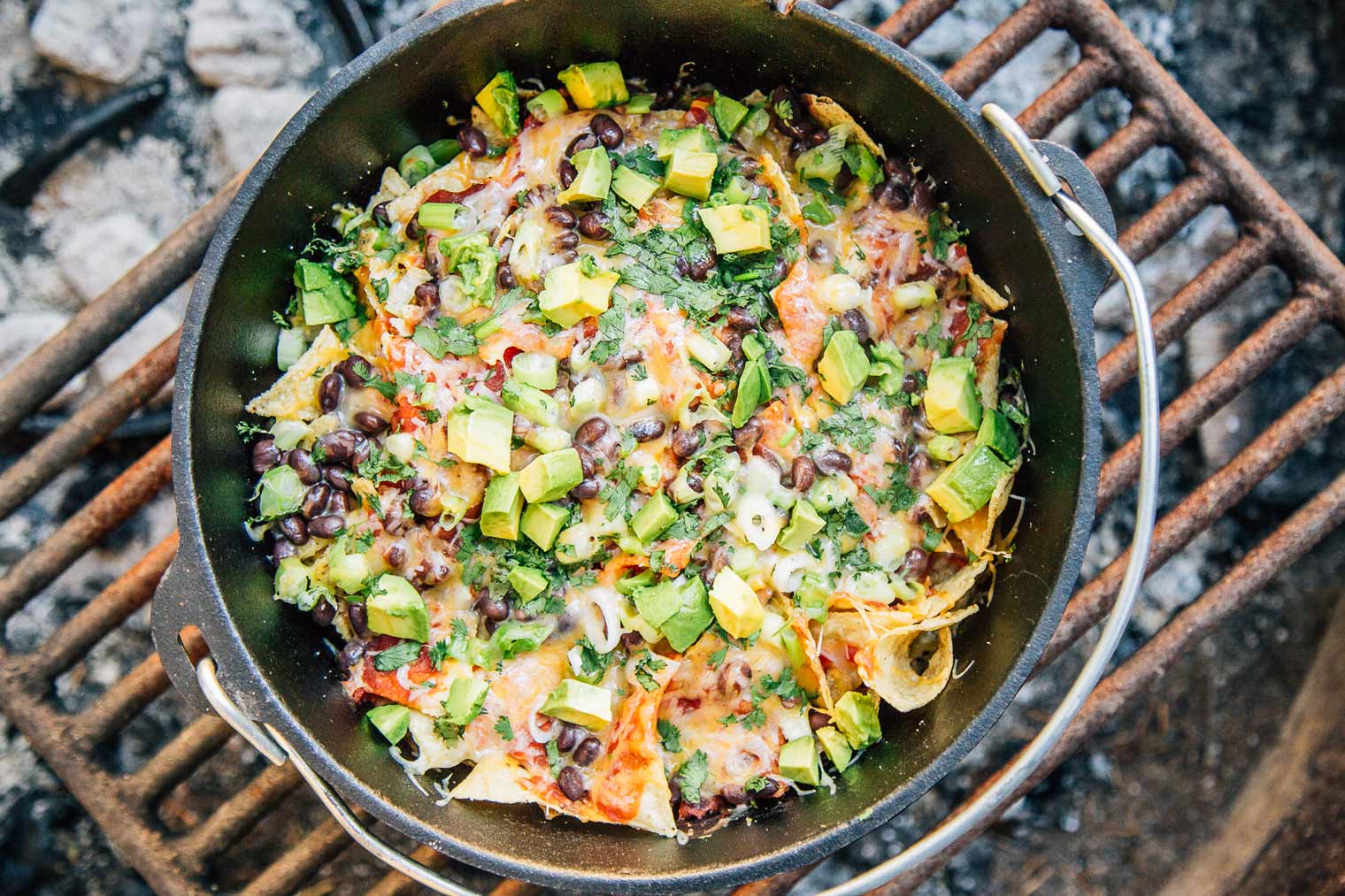
Cook grains and roast vegetables at home, then dehydrate them to save space and weight. Pack these dry components in sealed bags for quick rehydration on the trail.
Group similar ingredients together in your pack. Keep your pre-mixed dry blends and rehydration packets accessible so you can assemble meals quickly at camp.
Cook simple vegan camping meals
The best vegan camping meals rely on ingredients that require minimal prep and cook quickly over a single flame. Focus on combinations that balance carbohydrates for energy with plant-based protein to keep you fueled on the trail. By sticking to one-pot recipes or no-cook assemblies, you reduce cleanup time and conserve precious fuel canisters.
One-pot quinoa and black bean bowl
This dish is a staple for lightweight hiking because quinoa cooks in just fifteen minutes, half the time required for rice. Start by rinsing your quinoa to remove its natural coating, then combine it with equal parts water and a pinch of salt in your camping pot. Bring the mixture to a boil, reduce the heat to a simmer, and cover tightly. While the grains absorb the water, warm up a can of low-sodium black beans in a separate pan or directly in the pot once the quinoa is done. Mix in pre-chopped bell peppers, corn, and a squeeze of lime juice for brightness. This meal provides a complete protein profile and can be eaten warm or cold, making it versatile for any time of day.
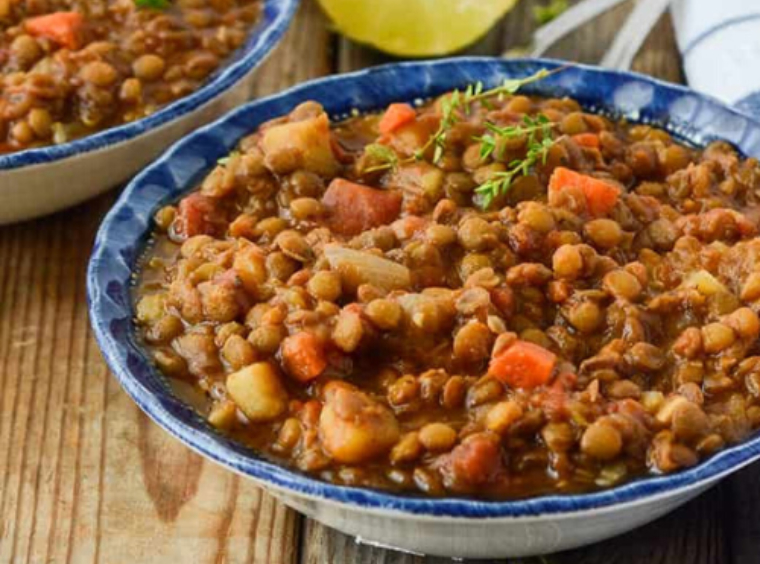
Hearty lentil soup
Dried lentils are superior to most beans for camping because they do not require soaking and cook relatively fast in about twenty minutes. Sauté onions and garlic in a small amount of oil until translucent, then add dried red or green lentils, vegetable broth, and diced carrots. Simmer until the lentils are tender and the soup has thickened naturally. Season with cumin, turmeric, and a dash of cayenne for warmth. Lentils are dense in fiber and iron, helping to sustain energy levels during long hikes. You can carry the dry ingredients in a single ziplock bag, and the soup reheats well if you have leftovers for the next morning.
Quick chickpea and spinach wrap
For days when you want to avoid cooking entirely, wraps offer a zero-waste solution. Mash a can of chickpeas with a fork and mix in vegan mayo, Dijon mustard, diced celery, and red onion for crunch. Spread the mixture onto a large tortilla, add a handful of fresh spinach or arugula, and roll it tightly. This meal requires no heat, no cleanup, and provides a satisfying crunch and creamy texture. It is ideal for lunch on the trail or a quick dinner after a long day of hiking. You can also substitute the chickpeas with hummus for a smoother spread.
Store food safely in bear country
Vegan Camping Meals works best when the purchase path is explicit. Verify the source, compare the offer against real alternatives, check the total cost, and confirm what happens after payment before you decide. After each comparison, write down the one risk that would change your mind. If the seller, condition, support, warranty, shipping, or upkeep still feels uncertain, resolve that question before moving to checkout.
The simplest way to use this section is to verify the seller, compare the total cost, and resolve the biggest risk before you commit.
Pack a hiking food checklist
A forgotten ingredient can derail a trip faster than a broken zipper. Before you tie your boots, run through this final packing audit. This list covers the essentials for vegan camping meals, ensuring you have the fuel and tools to cook without waste or hassle.
The Essentials
Start with your base calories. Pack enough dehydrated meals, oats, or instant potatoes for every meal plus two extra emergency rations. Don’t forget your stove fuel—calculate roughly one canister per three days of cooking. Check your lighter or matches; carry at least two separate ignition sources in waterproof containers.
Cookware and Hygiene
Bring a compact stove, a lightweight pot, and a spork. Add a small bottle of biodegradable soap and a quick-dry towel. A stuff sack for trash is non-negotiable; leave no trace by packing out all food scraps and wrappers.
The Packing Checklist
Use this interactive checklist to verify your gear before hitting the trail. Check off each item as you place it in your pack.
-
Dehydrated meals or base grains (oats, rice, pasta)
-
Stove fuel (calculate 1 canister per 3 days)
-
Lighter and backup matches in waterproof case
-
Lightweight pot, spoon, and mug
-
Biodegradable soap and quick-dry towel
-
Stuff sacks for trash and food storage
-
Water filter or purification tablets
-
Emergency snack bar or trail mix
Common questions about vegan camping
What do vegans eat when camping?
Trail mix is the classic non-perishable staple because it delivers protein and calories without a cooler. Pack salted nuts and dried fruit in your hiking pack for immediate energy on the trail. At the campsite, keep a cooler close by for protein-rich hummus paired with cucumbers or carrots.
How to camp as a vegan?
Plan your meals around simple, heat-and-eat formats to keep your pack light. Oatmeal, cereal, and bagels with vegan cream cheese require minimal prep. For cooked meals, tofu scramble and hearty salads provide satisfying variety without complex cooking gear.
Is vegan camping food expensive?
It is often cheaper than traditional camping fare because you avoid meat and dairy. Staples like beans, rice, oats, and pasta are low-cost and lightweight. Buying these in bulk before your trip reduces per-meal costs significantly compared to buying pre-packaged trail snacks.
No comments yet. Be the first to share your thoughts!