

Check park storage rules first
You spot fresh scat near your tent. You smell burnt toast drifting from a nearby campsite. These are the symptoms of poor food storage, and they usually point to a simple oversight: ignoring local regulations.
Before you pack your bear canister or hang your rope, verify the specific rules for your destination. Storage methods are dictated by law, not preference. What works in one wilderness area might be illegal in the next.
Some parks provide large metal bear-proof boxes at campgrounds. Others ban hanging entirely and require hard-sided bear canisters. A few areas allow traditional bear hangs, but only if specific criteria are met. Assuming your gear will suffice without checking is a risk you don’t need to take.
Always check the specific park’s website for mandatory storage types. Some areas ban hanging entirely.
The National Park Service provides detailed guidelines on bear safety and food storage requirements for each unit. These rules exist to protect both you and the wildlife. Ignoring them can result in fines, confiscated gear, or dangerous encounters.
Start your planning by visiting the official park page. Look for the "Safety" or "Backcountry" section. Note whether lockers, canisters, or hangs are required. This single check prevents the most common mistakes in food storage.
Choose the right container type
Smells drifting from a backpack or a scratched tent door are the first signs that your current storage method isn't working. In bear country, food storage isn't just about protecting your snacks; it's about keeping bears from associating humans with food, which can lead to dangerous encounters and permanent closures of popular trails. Selecting the right container depends on your group size, trip length, and the specific regulations of the area you're visiting.
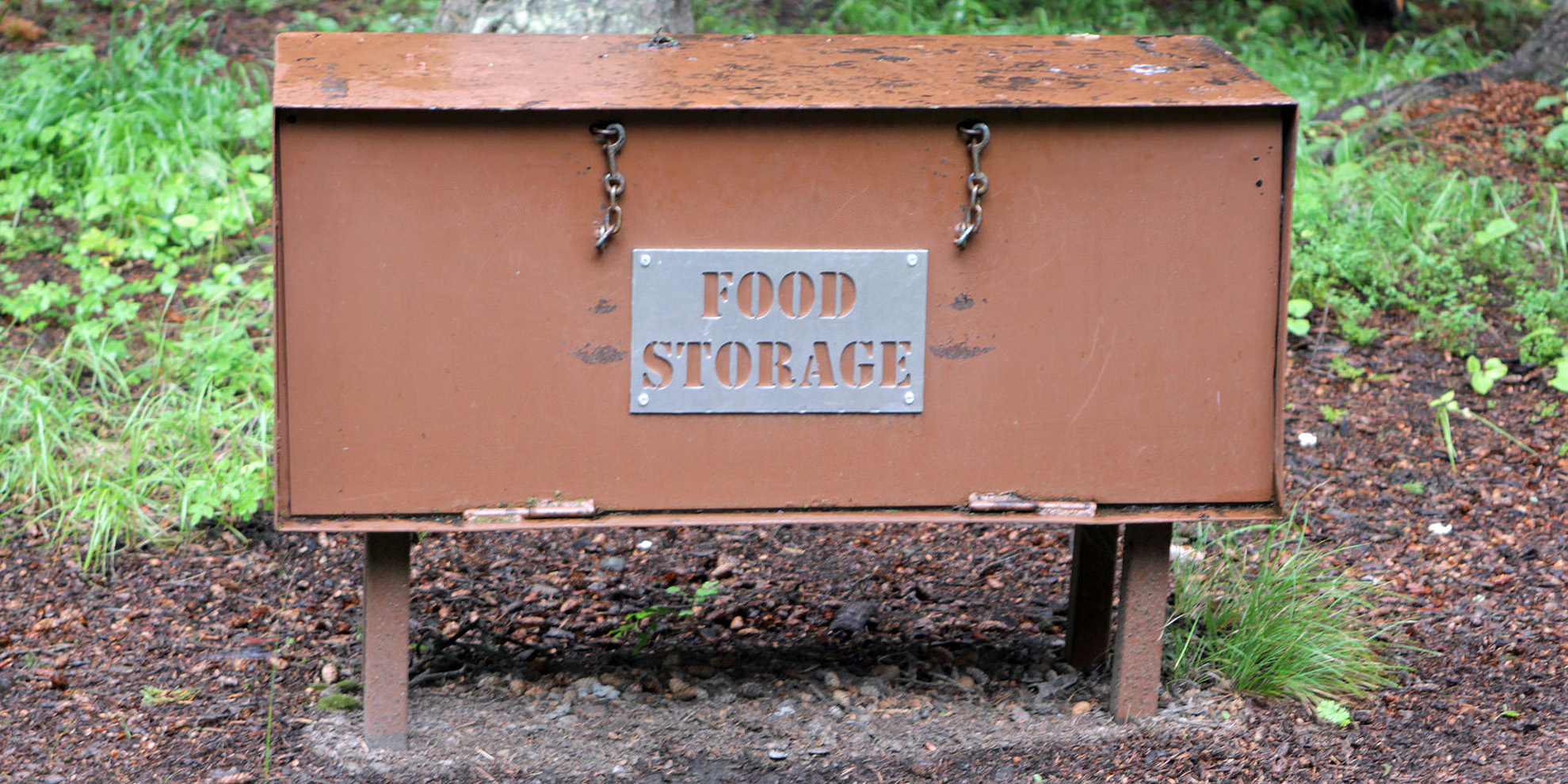
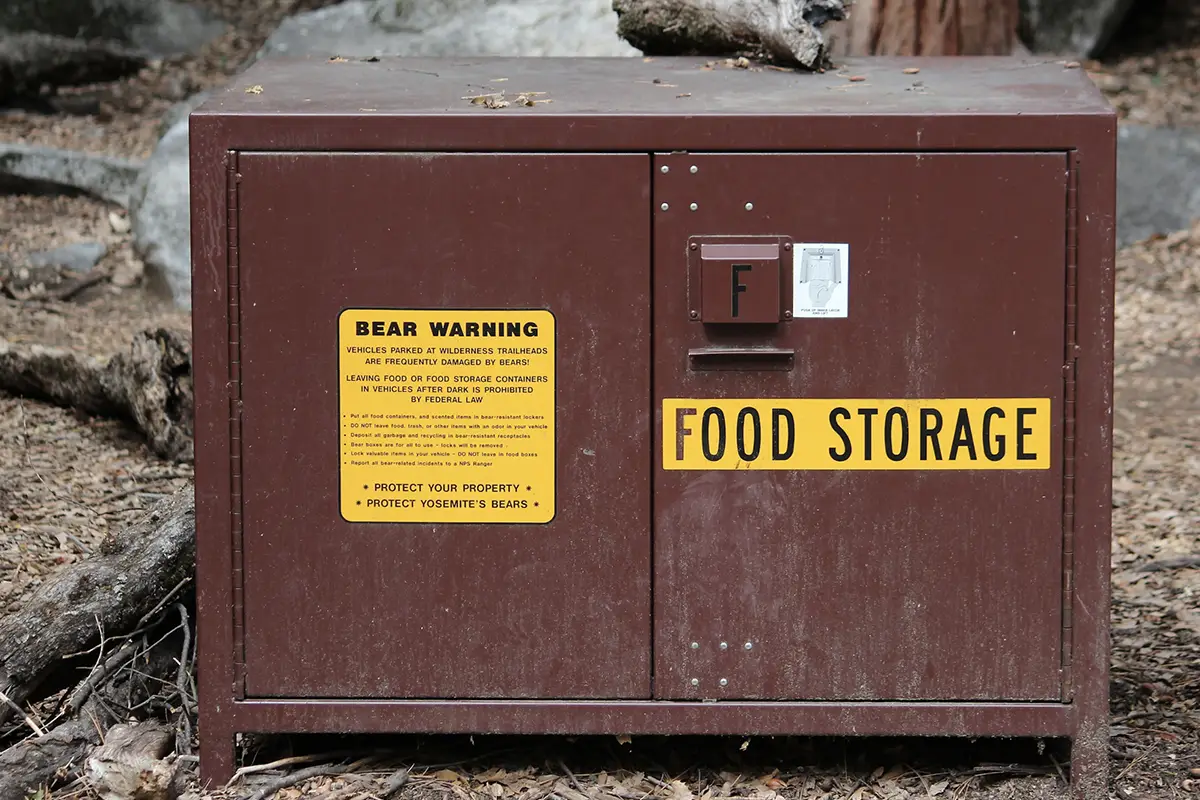
Bear canisters are hard-sided, cylindrical containers that bears cannot open. They are the gold standard for many backcountry areas, particularly in the Sierra Nevada and Appalachian regions where regulations often mandate their use. While they add weight to your pack, they offer the highest level of security against curious or hungry wildlife. Ursacks are a lighter, soft-sided alternative made from Kevlar-reinforced fabric. They are effective in many areas but may not meet the strict requirements of all parks. Finally, metal bear lockers are provided at many established campgrounds and high-traffic trailheads. These are the most convenient option but offer no protection if you are camping in the backcountry away from designated sites.
To help you decide, here is a comparison of the three main storage methods based on weight, capacity, and durability.
| Type | Weight | Capacity | Durability |
|---|---|---|---|
| Bear Canister | 2-3 lbs | 3-5 days food | High (hard plastic) |
| Ursack | 1-1.5 lbs | 3-5 days food | Medium (Kevlar fabric) |
| Bear Locker | N/A | Variable | Very High (metal) |
If you are hiking in a region that requires bear canisters, you have no choice but to carry one. In areas where Ursacks are permitted, you might save a pound or two on your base weight. However, always check the specific regulations for your destination before you pack, as rules can change and vary significantly between national parks and forests.
Pack food to minimize odors
A single crumb or a faint scent of vanilla can draw a bear from hundreds of yards away. The goal isn't just to keep the food safe; it is to make your backpack smell like nothing at all. Bears have an incredible sense of smell, so treating your gear as a potential scent trap is the only way to stay safe.
Remove all outer packaging
Factory packaging is designed to hold food, not to hide it. Plastic wrappers, cardboard boxes, and even some thick plastic bags allow odors to escape. Strip everything down to the bare essentials. Move meals into smaller, dedicated containers or bags. This reduces bulk and removes the primary source of scent leakage.
Double-bag everything
Single bags can fail. A puncture from a sharp corner or a zipper leak can release your dinner’s scent into the wild. Use a two-layer system: place your food in a heavy-duty resealable bag, squeeze out as much air as possible, and seal it. Then, place that sealed bag inside a second, larger odor-proof bag. This creates a redundant barrier that keeps smells contained even if the inner layer is compromised.
Squeeze out the air
Oxygen helps odors travel. The more air trapped in your bag, the stronger the scent trail. When sealing your inner bags, press firmly to push out excess air before locking the zipper. If you are using a vacuum-seal bag, use it. If not, manual squeezing is effective. The tighter the bag, the less scent escapes.
Store scented items with food
It isn’t just food that smells. Toothpaste, deodorant, sunscreen, and lip balm all carry scents that attract bears. Treat these items with the same care as your meals. Place them in the same double-bagged system or inside your bear-resistant container. This ensures that your personal care routine doesn’t become a beacon for wildlife.
Use approved bear canisters
In many areas, regulations require specific bear-resistant containers. These canisters are designed to be airtight and durable. Even if not required, they are the gold standard for food storage. They protect your food from physical damage and contain odors far better than any bag. Always check local regulations before your trip to ensure you are compliant.
Check for leaks before heading out
Before you leave home, do a final scent check. Seal your bags and give them a gentle squeeze. If you smell anything, re-seal or add another layer. A small leak in the trail is a major problem. Taking five minutes to verify your packing can prevent a dangerous encounter later.
Hang or place food correctly
If you smell grease on your pack or find disturbed gear, your storage is failing. When canisters are banned or left behind, hanging or wrapping food becomes your only defense against curious bears. This section covers the technical fixes for the PCT method and Ursack wrapping.
Seal every item, including trash and toothpaste, in double Ziploc bags. Squeeze out all air before sealing. Bears can smell raw meat through thin plastic; you must eliminate the scent trail before it leaves your camp.
If using a Ursack, place your odor-proof bag inside the Ursack liner. Then, wrap the Ursack itself tightly around your sleeping bag and clothes. This hides the food scent inside your bedding, which bears are less likely to investigate than a bare food bag.
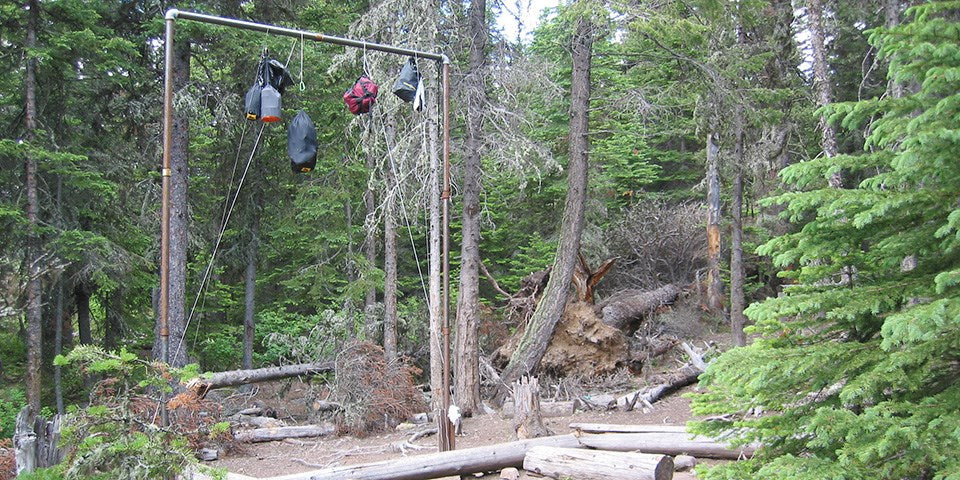
Find a tree with a horizontal branch at least 12 feet high and 6 feet from the trunk. Throw a rope over the branch using a rock or stick. Pull your food bag up to the branch, then lower it another 4 feet so it hangs freely. Ensure it is at least 4 feet from the trunk and 12 feet off the ground.
Lock the rope with a carabiner or a secure knot. Double-check that the bag cannot swing into the trunk or drop to the ground. If the bag touches the tree, a bear can climb it easily. Leave the site exactly as you found it.
Always verify local regulations before you pack. Some areas mandate bear canisters regardless of hanging ability. If canisters are allowed, they are the most reliable food storage method because they remove the guesswork entirely.
Fix common storage mistakes
A scent trail is a bear’s GPS. If you’re waking up to a ripped pack or finding food scattered in the snow, the issue is rarely bad luck—it’s usually a preventable storage error. Addressing these specific failure points is the most effective way to ensure safety.
Smells are leaking from your pack
Bears have a sense of smell up to seven times better than a bloodhound. If your backpack smells like bacon, it’s a beacon.
- Double-bag everything: Place all scented items (food, toiletries, trash) inside two separate, sealable bags. This creates a redundant barrier against leaks.
- Squeeze the air out: Use a pump or your hands to remove as much air as possible before sealing. Oxygen accelerates odor migration.
- Check your gear: Inspect zippers and seams for tiny tears. Even a pinhole leak can allow scent to escape over a multi-day trip.
Containers are damaged or improperly locked
Bear-resistant containers are only effective if they are intact and correctly sealed. A cracked canister or a loose latch turns a fortress into an open pantry.
- Inspect before you go: Check for cracks, especially around the locking mechanism. Replace any container with visible wear.
- Verify the seal: Ensure the lid sits flush and the latches click firmly into place. If it doesn’t lock securely, do not use it.
- Don’t rely on knots alone: If hanging a bag, ensure the knot is tight and the bag is fully enclosed. A loose knot can unravel in the wind, dropping your food into bear territory.
Hanging height is too low or unstable
Proper hanging technique keeps food out of reach. A bag hanging too low or in an unstable position is an easy meal for a determined bear.
- Aim for 10-15 feet high: The food bag should be high enough that a bear cannot reach it, even standing on its hind legs.
- Choose a sturdy branch: Hang from a branch that can support the weight and is at least 4 feet away from the trunk. This prevents bears from climbing the tree to reach the bag.
- Use the PCT method: Tie your rope to a sturdy anchor, loop it over the branch, and secure the food bag. Ensure the bag is suspended well below the branch line.
Pre-trip storage checklist
Before you hit the trail, verify your gear matches the specific regulations of your destination. Some parks mandate certified bear canisters, while others permit traditional hang methods. Confirming these rules early prevents dangerous improvisation in the backcountry.
Pack all attractants—food, trash, toiletries, and scented items—into approved bear-resistant containers. Ensure bags are sealed tight and containers are locked. This discipline is the foundation of effective food storage.
Use this final checklist to ensure nothing is left behind:
-
Verify required storage method (canister vs. hang) for each park
-
Confirm all food is in certified bear-resistant containers
-
Pack scented items (shampoo, sunscreen) with food supplies
-
Seal all bags to contain odors and crumbs
-
Check that container locks and carabiners function properly
Where to store food in bear country
If you smell bacon or see bear scat near your tent, your current storage method is failing. The right solution depends entirely on where you are camping. Always check with the parks you plan to visit to learn their regulations before you pack.
At established campgrounds: Use provided food lockers or bear-resistant containers. These are mandatory in many areas and offer the highest security against curious animals.
In backcountry sites: Hang food from a tree in a food bag or use a bear canister. Some parks require canisters specifically. Ensure bags are hung at least 10 feet high and 4 feet from the trunk.
General packing rules: Use resealable bags instead of bottles, jars, and cans. Force air out of packages to minimize odors. Carry food and garbage in plastic bags to contain crumbs and grease that can leave smells in your backpack. Bear-resistant containers only work if they are closed and locked.
Quick checklist
-
Match the sizeEnsure the bear canister fits your group's food volume for the trip duration.
-
Check the materialVerify the canister or Ursack is free of cracks or tears before packing.
-
Plan the cleanupPack out all trash and food scraps in sealed bags to prevent attracting bears.
-
Keep one fallbackCarry extra cord or paracord in case your primary hanging setup fails.
No comments yet. Be the first to share your thoughts!