

Check park storage rules first
Walking into a campground expecting to hang your food bag, only to be fined or turned away, is a preventable mistake. Regulations for bear country food storage vary wildly by location. Your first step isn’t packing gear; it’s verifying local requirements.
Some parks mandate hard-sided bear-resistant food containers (bear canisters), particularly in high-traffic areas like Yosemite or the Sierra Nevada. Other areas may provide metal lockers, while still others permit traditional bear hangs if specific height and distance rules are followed. Ignoring these rules endangers local bear populations by encouraging them to associate humans with food.
Always check with the specific park you plan to visit. The U.S. National Park Service and local wildlife agencies maintain up-to-date guidelines. Verify the rules before you buy any storage equipment to ensure you’re compliant and prepared.
Canisters versus hangs
The choice between a bear canister and a bear hang usually comes down to two things: park regulations and your pack weight. If you are in parks like Yosemite or the Sierra Nevada, canisters are mandatory. In many other wilderness areas, they are optional, leaving you to choose based on your comfort with knots and tree availability.
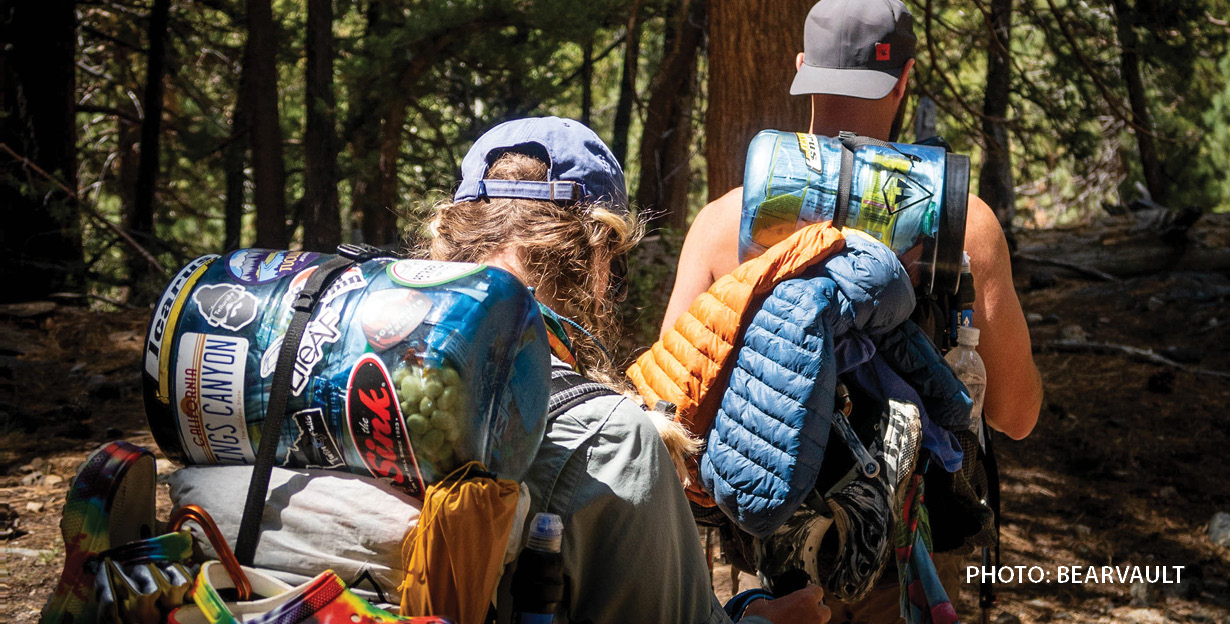
Bear canisters are hard plastic tubes. They are heavy, bulky, and hard to hide, but they are nearly impossible for a bear to open. A hang uses a lighter bag and rope. It keeps food off the ground and away from the bear's reach, but it requires skill to set up correctly and trees that can support the weight.
| Feature | Bear Canister | Bear Hang |
|---|---|---|
| Weight | 4-5 lbs (1.8-2.3 kg) | 1-2 lbs (0.4-0.9 kg) |
| Security | Very High | High (if done right) |
| Ease of Use | Very Easy | Moderate (requires skill) |
| Park Rules | Mandatory in many areas | Allowed where trees are available |
| Pack Space | Bulky | Compressible |
When to choose a canister
Choose a canister if you are in a high-traffic area or a park that requires it. They are also better if you are traveling with a group and want to minimize the time spent setting up camp. Canisters are safer if you are unfamiliar with the area and cannot find suitable trees for a hang. The trade-off is the weight and the space they take up in your pack.
When to choose a hang
Choose a hang if you are in an area where they are allowed and you want to save weight. Hangs are ideal for long-distance hikers who need to carry less gear. They are also better for smaller groups or solo travelers who do not need to store large amounts of food. The trade-off is the time and skill required to set up a proper bear hang.
Pack your food correctly
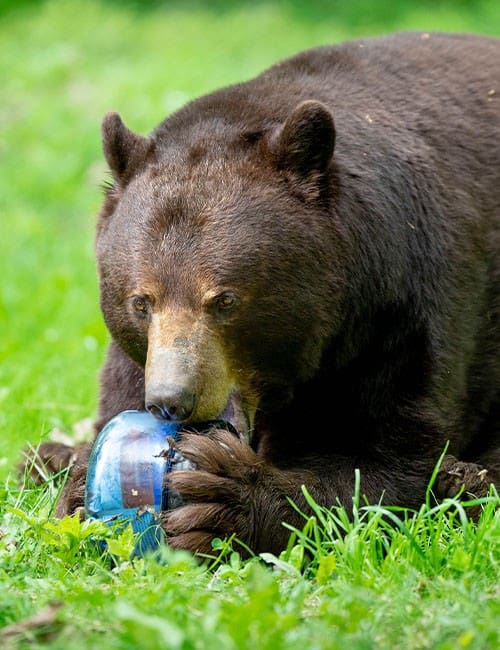
Smell is the primary attractant. Bears have an olfactory sense up to seven times stronger than a bloodhound's, meaning even the faint scent of toothpaste, sunscreen, or spicy leftovers can draw them to your camp. Proper packing is an odor-containment strategy. If your food storage fails, you risk damaging your gear, losing your meals, or endangering your safety and the bear's life.
Treat all scented items as potential food sources. This includes toothpaste, deodorant, lip balm, sunscreen, and trash. Place these items in the same odor-proof bag or canister as your actual food. Bears are attracted to the smell of mint and fruit flavors just as much as they are to bacon. Keeping everything together ensures you don't leave a "scent trail" of small items that lead a bear to your main food supply.
Double-bagging is a simple but critical practice. Place your food inside a heavy-duty, sealable plastic bag (like a Ziploc) to contain initial odors. Then, place that bag inside a certified bear-resistant container or a high-quality odor-proof bag (such as a Bearsak or OPSak). This creates a redundant barrier. If the outer container is breached, the inner bag should still hold the scent, buying you time to react.
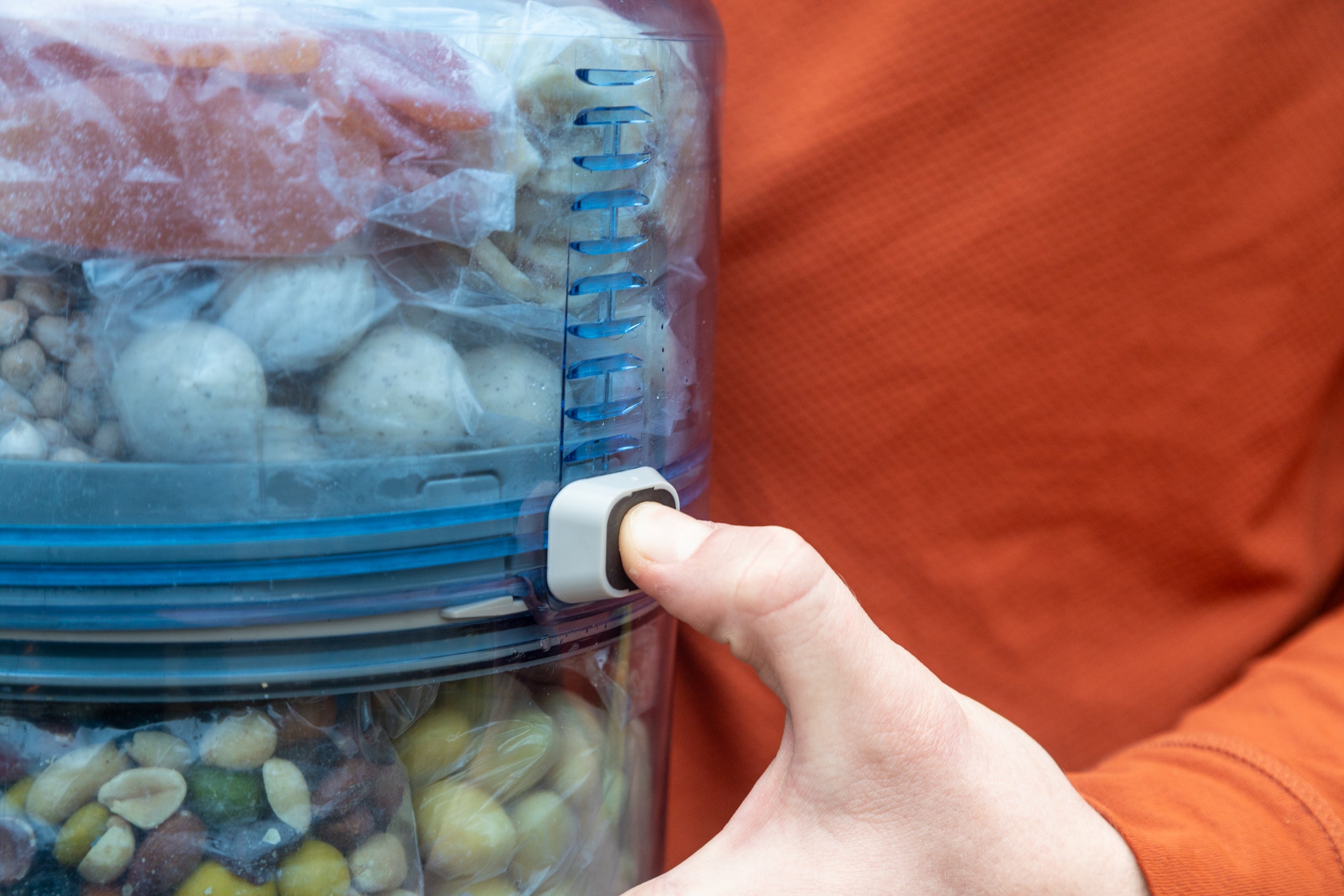
Air takes up space and can compromise the seal of some containers. Remove as much air as possible from your food bags before sealing. Organize your meals by day or trip length inside your canister or bag. This prevents you from having to open and close the container multiple times, which releases scent each time. Efficient packing also ensures the lid or locking mechanism of your bear canister closes securely without food items blocking the seal.
Never keep food, trash, or scented items inside your tent or sleeping area. This is the most common mistake campers make. Store your packed food at least 100 feet (about 30 meters) downwind from your sleeping area. This distance is generally sufficient to prevent bears from associating the scent of food with the safety of your tent. Use a bear hang, bear box, or bear canister placed on a flat, clear surface to avoid rolling.
By following these packing protocols, you create a secure perimeter around your provisions. This not only protects your food but also respects the bear's natural behavior, reducing the likelihood of a dangerous encounter.
Hang your food bag properly
If your food bag is swinging like a pendulum, sitting lower than your waist, or dangling within arm’s reach of the ground, the hang is insecure. Bears are opportunistic; they don’t need to climb high if the bag is accessible from the ground or a lower branch. A poorly executed hang defeats the purpose of the entire system.
The goal is to create a secure anchor point at least 12 feet off the ground and 4 feet away from the trunk. This keeps the food out of reach and prevents bears from using the tree trunk as a ramp. We will walk through the counterbalance method, which is widely regarded as the most reliable technique for heavy loads.
Look for a sturdy, horizontal branch at least 12 feet high. The branch should be thick enough to support the weight of your food bag and rope without snapping. Ensure there is a clear vertical space above the branch for the counterweight, and check that the branch is at least 4 feet away from the main trunk to prevent climbing access.
Throw one end of your rope over the branch using a rock or a weighted bag. Make sure the rope is long enough to reach the ground and back up. If you are using a bear canister, tie it securely to one end of the rope. If you are using a stuff sack, pack it tightly to minimize volume.
Tie a smaller, lighter rock or a small stuff sack to the other end of the rope. This is your counterweight. The counterweight should be light enough that you can pull it down easily, but heavy enough to help lift the food bag. This setup allows you to adjust the height and position of the food bag from the ground.
Pull down on the counterweight end to lift the food bag up the branch. Slide the bag along the branch until it is centered and at least 4 feet from the trunk. Tie the rope securely to a smaller branch or wrap it around the main branch multiple times to lock it in place. Ensure the bag is not touching the trunk.
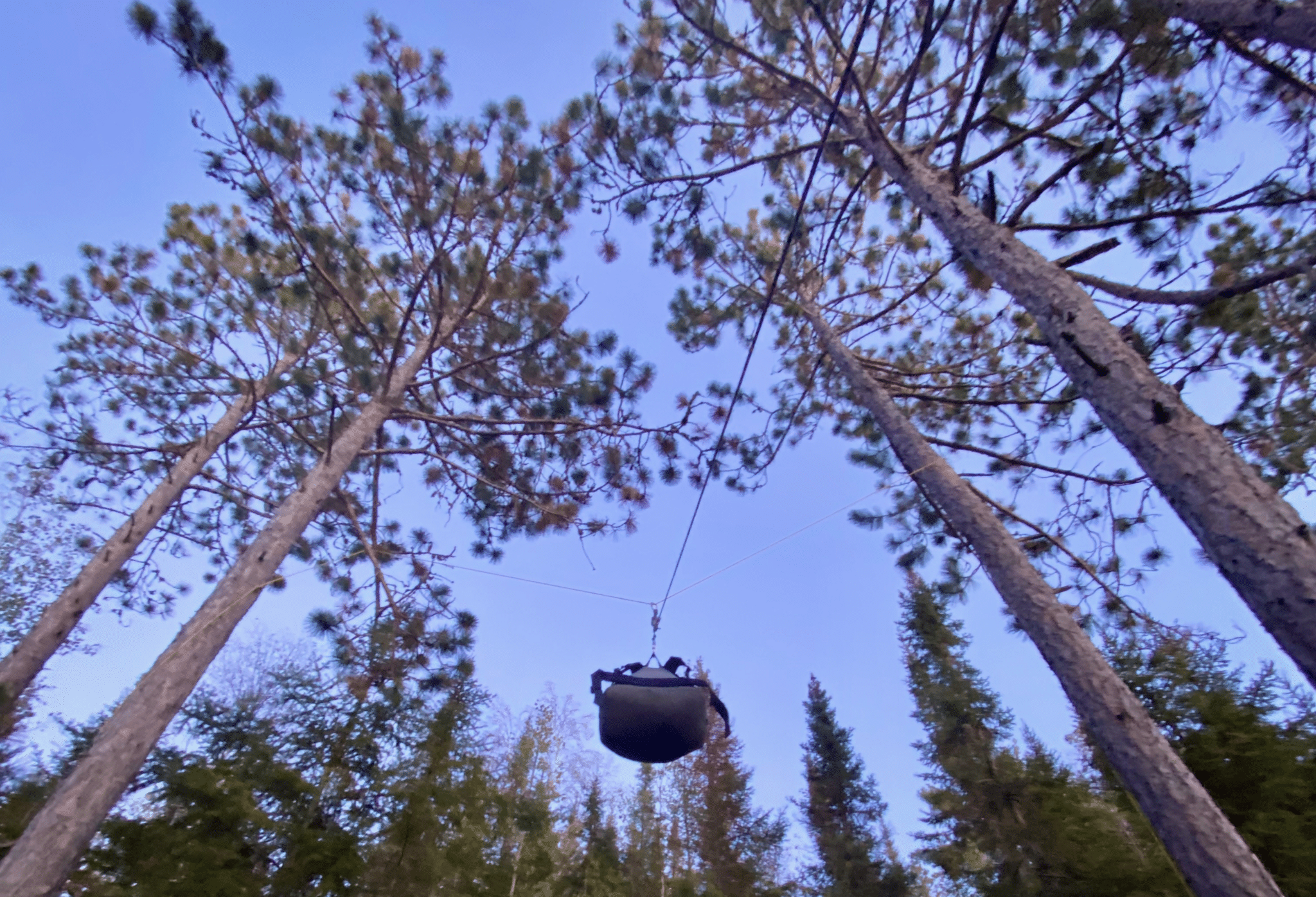
Give the bag a gentle tug to ensure it is secure. Shake the branch slightly to see if the bag swings excessively. If it swings too much, adjust the position or add more friction to the rope. The bag should hang steadily without touching the ground or the trunk.
A common mistake is placing the bag too close to the trunk. Bears can climb trees and reach out to grab food hanging just a few feet from the bark. Always maintain that 4-foot clearance. Additionally, never hang food directly under a tree where branches might drop debris or where the rope could chafe against sharp bark, causing it to snap.
Once the bag is hung, double-check that the rope is not frayed and the knot is tight. If you are using a bear canister, ensure the lid is sealed properly before hanging. A secure hang is your primary defense against food theft and bear encounters in the backcountry.
Store scented items with food
You might think only granola bars and jerky attract bears, but a tube of toothpaste or a bottle of sunscreen can be just as tempting. Bears have an incredible sense of smell, capable of detecting food-related scents from miles away. When they catch a whiff of anything with a scent profile similar to food, they will investigate, often resulting in damaged gear or dangerous encounters.
The most common mistake campers make is treating toiletries as separate from their meals. Items like deodorant, lip balm, sunscreen, and even trash containing food residue carry strong odors. To prevent attracting bears to your campsite, you must store all scented items with your food. This includes everything from shampoo and lotions to air fresheners and cleaning supplies.
Place all scented items at least 100 feet away from your tent, either properly hung or in a bear-resistant canister. This distance helps ensure that the scent doesn't drift into your sleeping area. By keeping all scented items together, you reduce the risk of attracting bears to your campsite.
It's a good idea to keep scented items like shampoo, lotions, and air fresheners stored securely with your food or in bear-resistant containers.
Check your gear before you head out. If it smells like food, it belongs in the bear canister or hung properly. This simple step can make a big difference in keeping your campsite safe.
Common food storage mistakes to avoid
Even experienced campers make errors that invite bears into their campsites. Most incidents stem from simple oversights rather than bad luck. By understanding these common pitfalls, you can secure your gear and keep your camp safe.
Leaving food in your car
Many campers believe their vehicle is a safe deposit box, but cars are not bear-proof. Bears can easily crush windows or break locks to access snacks, coolers, or scented items like toothpaste. If you must leave food in a vehicle, do so only when you are far from the campsite, and never leave it unattended.
Hanging food too low
A bear can stand on its hind legs and reach nearly 10 feet high. Hanging a food bag lower than that renders the effort useless. Always hang your food at least 10 feet off the ground and 4 feet away from the tree trunk. This distance prevents bears from climbing the trunk and reaching the bag.
Storing scented items with food
Bears have an exceptional sense of smell, detecting food from miles away. This includes toiletries, sunscreen, and even empty food wrappers. All scented items must be stored in the same secure location as your food, whether that is a bear canister, a locker, or a hung bag. Keeping these items separate creates a scent trail that leads bears directly to your tent.
Final food storage checklist
Before you break camp or head out on the trail, run through this verification list. A single missed item can turn a peaceful hike into a dangerous encounter. This checklist covers the essentials for keeping your food safe and compliant with local regulations.
- Empty all trash bags: Double-check that no food scraps remain in your pack, stove, or cooler.
- Secure scented items: Store toothpaste, sunscreen, and lip balm in your bear-resistant container or hang them with your food.
- Inspect your canister or bag: Ensure latches are locked or the hang line is secured at least 10 feet high and 4 feet from the trunk.
- Clean cooking gear: Wash dishes and filter water at least 200 feet from your sleeping area.
- Verify local rules: Confirm if your destination requires specific bear canisters or allows tree hangs.
If you are in a designated area like the Boundary Waters, specific orders may apply. Always check the latest park regulations before you arrive to avoid fines or dangerous situations.
-
All food and scented items packed in bear-resistant container or hung properly
-
Cooking area cleaned and trash secured
-
Bear canister latches checked or hang line tension verified
-
Local park food storage regulations confirmed
-
Campsite free of food scraps or trash
Where to store food in bear country?
If you wake up to scratched tent fabric or scattered trash, you likely stored food incorrectly. The right spot depends entirely on the specific regulations of the park you are visiting. Ignoring these rules risks your gear and the safety of local wildlife.
Most backcountry areas offer three primary storage methods, each with distinct requirements:
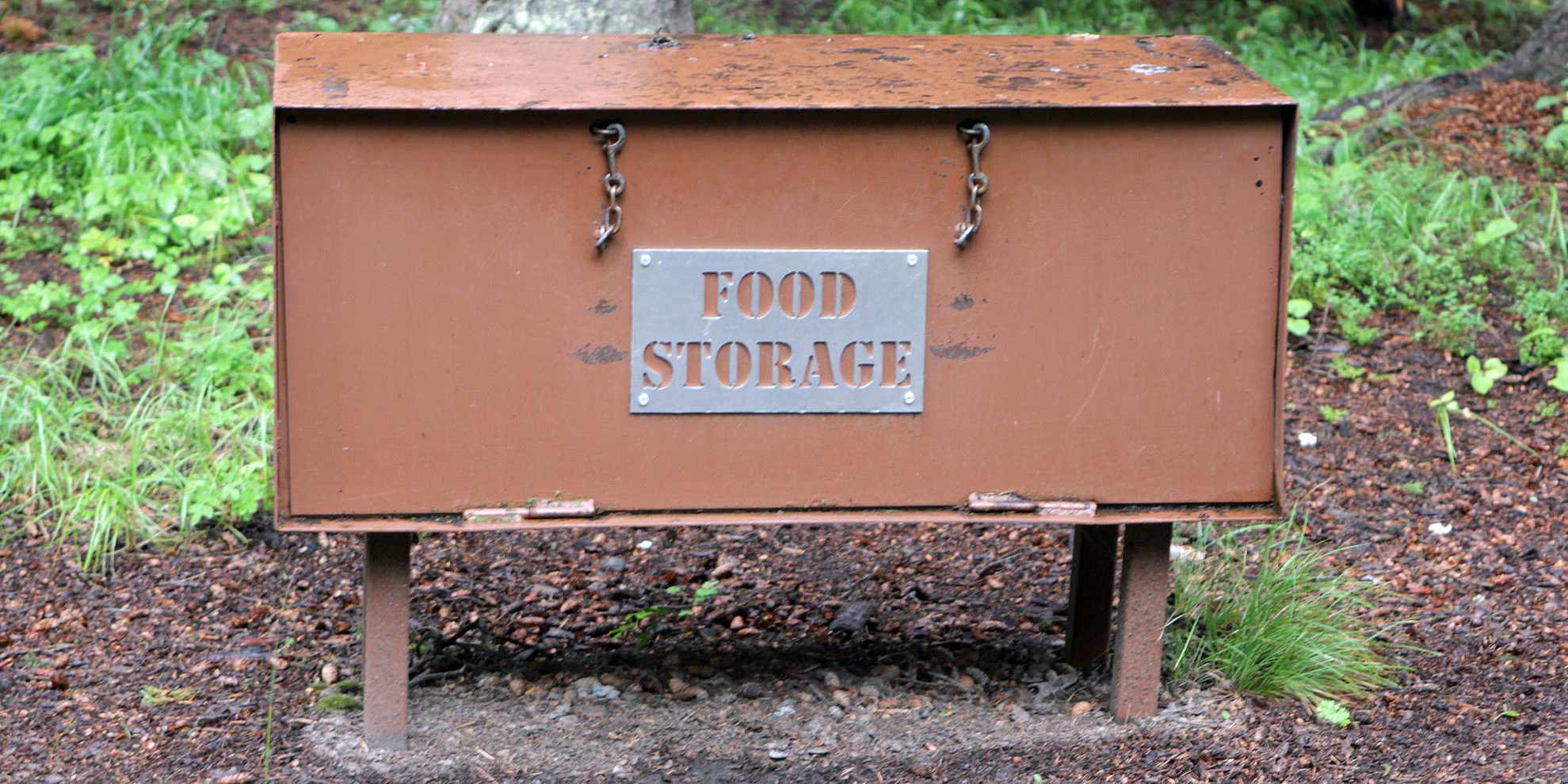
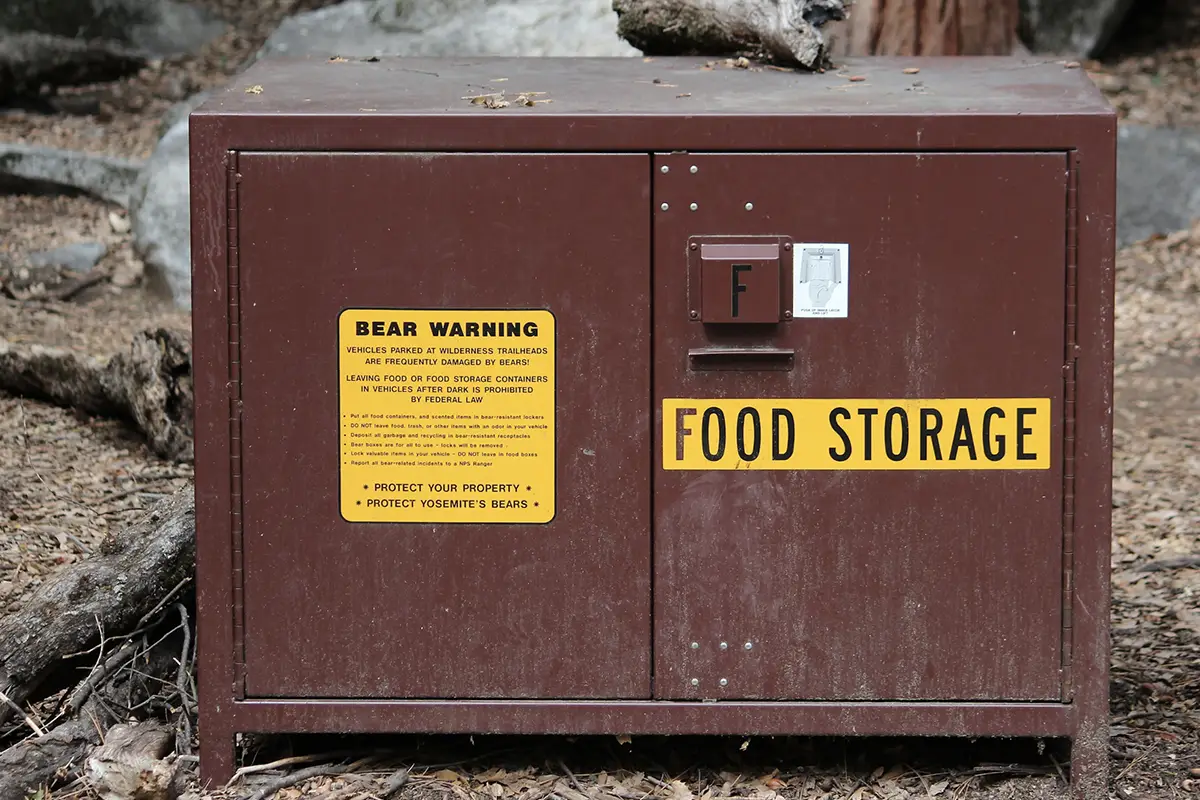
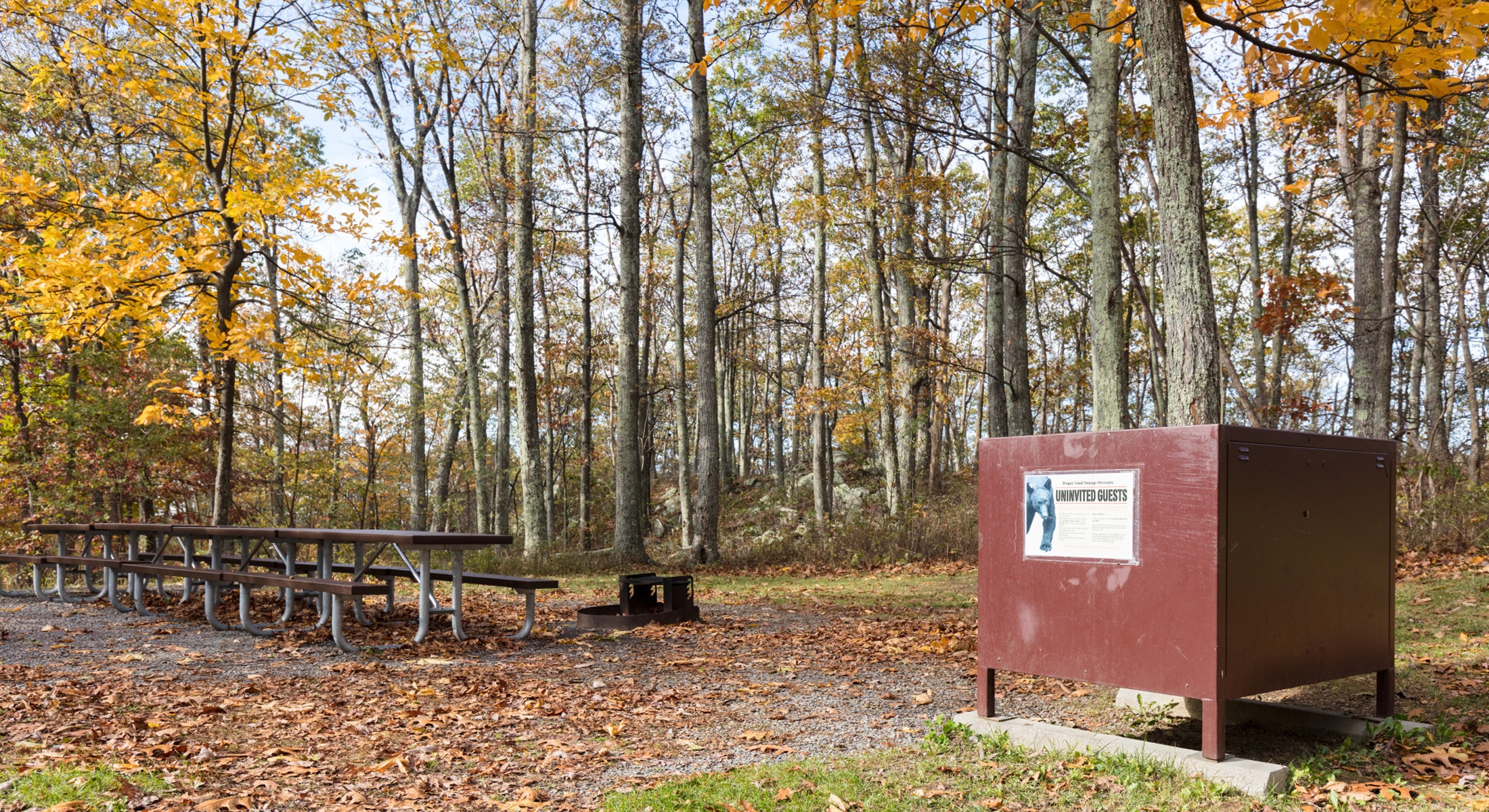
- Food Lockers: Many established campgrounds provide metal lockers. These are mandatory in high-traffic areas and offer the easiest, zero-effort solution.
- Bear-Resistant Canisters: In wilderness zones without lockers, hard-sided bear canisters are often required. They are heavy but prevent access even if a bear investigates your camp.
- Bear Hangs: Some parks still allow hanging food from a tree using the PCT method. This is only permitted where lockers or canisters are not mandated.
Always check the official National Park Service website for the specific area you plan to visit before you pack. Regulations change frequently, and compliance is your responsibility. Learn more about storing food safely.
No comments yet. Be the first to share your thoughts!