

What makes a great vegan camping meal
Choosing the right food for backpacking requires balancing four competing priorities: calorie density, weight, rehydration time, and nutritional balance. Unlike urban cooking, where you can carry a full pantry, backpacking demands that every gram earns its place in your pack. A meal that is too bulky or requires complex preparation can slow your pace and drain the energy you need for the trail ahead.
Calorie density is the primary metric for selecting vegan camping foods. Because plant-based foods often have higher water content or fiber than animal products, you must be intentional about choosing energy-dense options. A 100g serving should ideally provide at least 400-500 calories. This ensures you are carrying enough fuel for sustained effort without overloading your pack with volume. Foods like nuts, seeds, dried legumes, and olive oil are staples because they pack a powerful energy punch in a small footprint.
Weight and rehydration time are equally critical. The lighter your food, the less fatigue you experience on steep ascents. Ideally, you want meals that rehydrate quickly in a pot of boiling water, minimizing the fuel and time spent cooking. Complex meals that require hours of simmering are generally impractical for fast-paced hiking trips. Instead, look for dehydrated meals, instant oats, or pre-cooked grains that only need a few minutes of heat to become edible.
Finally, nutritional balance ensures you recover well and maintain stamina. A great vegan camping meal should offer a mix of carbohydrates for immediate energy, protein for muscle repair, and fats for long-lasting fuel. Relying solely on simple carbs can lead to energy crashes, while insufficient protein can hinder recovery after a long day. Combining grains with legumes, such as rice and beans or pasta with lentil sauce, provides a complete amino acid profile that supports your body’s needs on the trail.
Top freeze-dried vegan backpacking meals
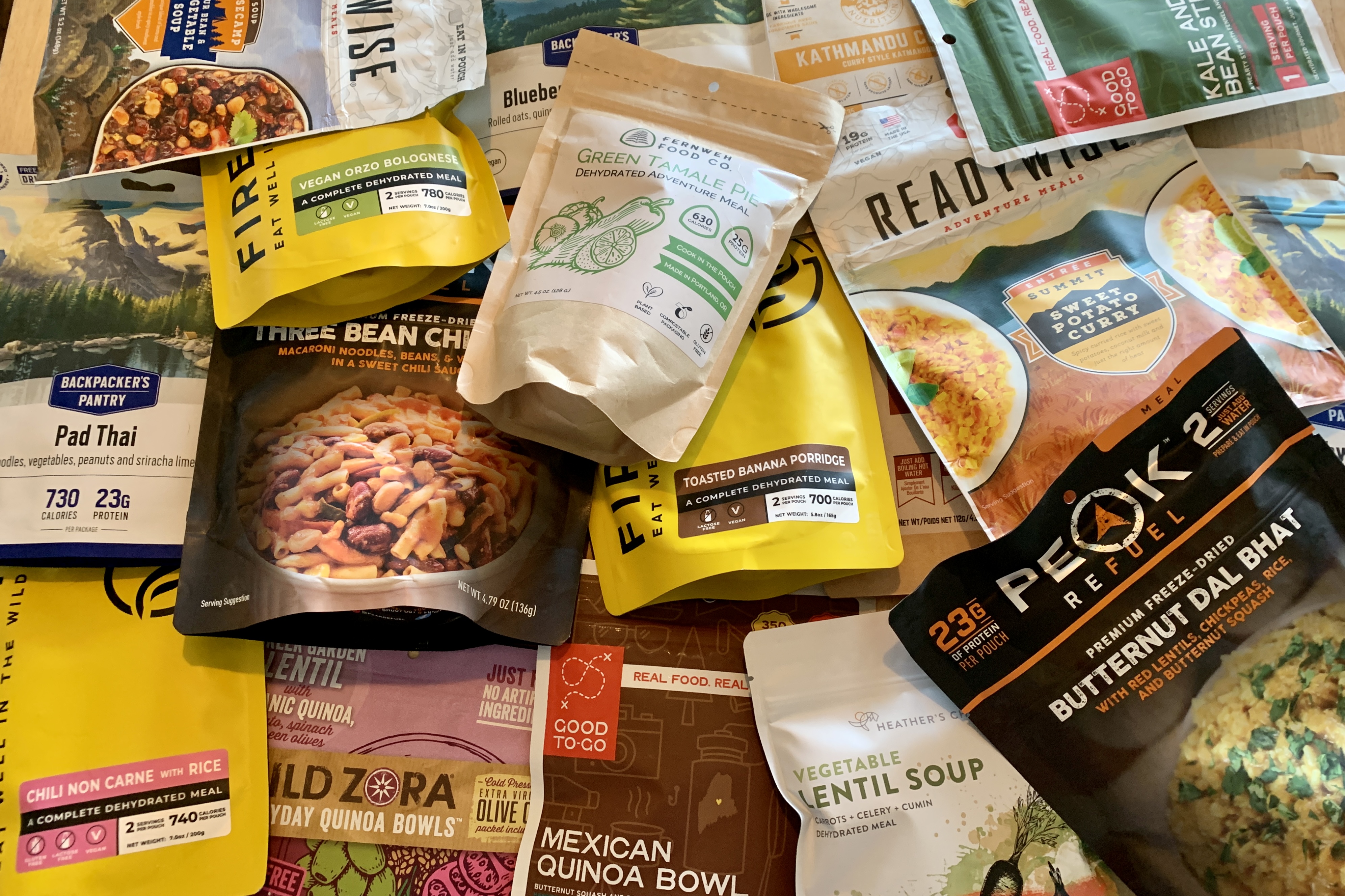
Freeze-dried meals are the backbone of efficient backpacking because they remove the weight and cleanup of cooking from scratch. A single pouch weighs less than a paperback book and requires only boiling water to rehydrate. This efficiency allows you to carry more calories per ounce, which is critical when every gram matters on the trail.
When selecting vegan options, look for brands that prioritize whole-food ingredients over isolated protein powders. The best freeze-dried meals balance carbohydrates for immediate energy with plant-based proteins like lentils, chickpeas, and tofu to sustain muscle repair during long days of hiking. We focused on commercially available products that offer reliable rehydration and flavorful profiles without relying on obscure supplements.
The following selections represent the most reliable freeze-dried vegan meals currently on the market. These products have been chosen for their nutritional density, taste, and ease of preparation in backcountry conditions.


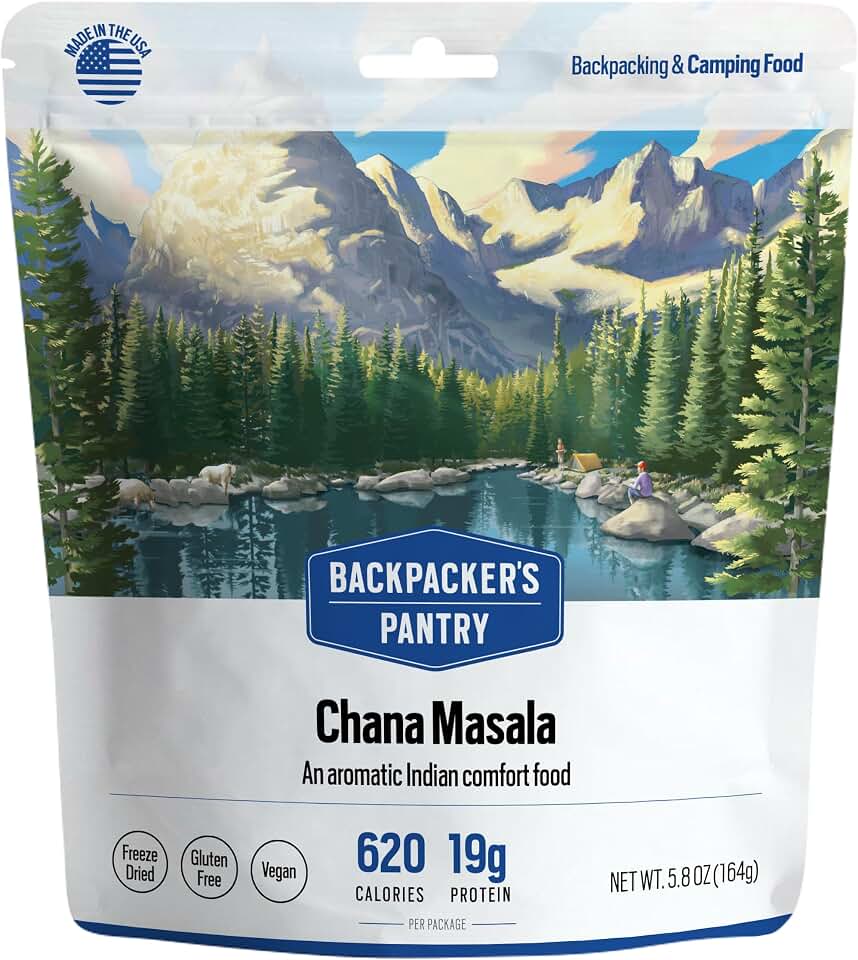
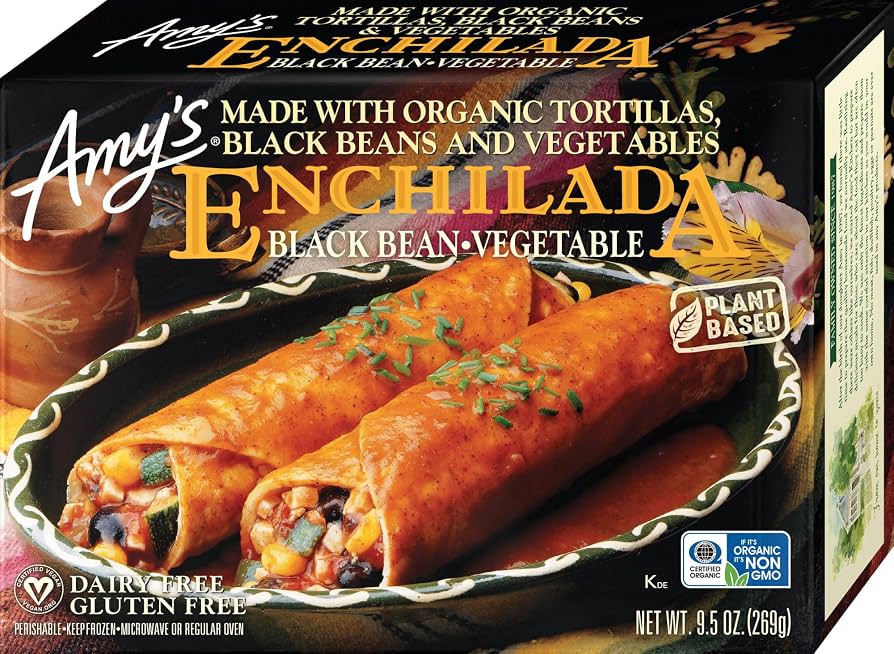
As an Amazon Associate, we may earn from qualifying purchases.
These meals typically require just 10 to 15 minutes of prep time. Boil water, pour it into the pouch, seal it, and wait. This simplicity means you can eat quickly while the weather is still good, rather than spending precious daylight hours managing a camp stove. For trips where weight is the primary constraint, these pouches offer the best ratio of calories to pack space available today.
Best dehydrated meals and quick-cook options
Dehydrated meals and quick-cook options offer a middle ground between freeze-dried convenience and fresh cooking. Unlike freeze-dried items, which are often pre-cooked and then dried, dehydrated meals may require slightly more water or time to rehydrate but often retain better texture and flavor profiles for certain dishes like soups, stews, and curries.
When choosing between freeze-dried and dehydrated, consider your stove fuel constraints. Freeze-dried meals generally rehydrate faster, saving gas. Dehydrated meals, such as instant mashed potatoes, quick-cook quinoa, or dehydrated bean mixes, are often cheaper and allow you to customize flavors with spices you carry. For example, a simple dehydrated potato and leek soup can be enhanced with fresh herbs or a squeeze of lemon at camp, offering a more varied culinary experience than many pre-seasoned freeze-dried pouches.
To maximize efficiency, pre-mix dry ingredients at home. Combine your spices, grains, and dehydrated vegetables in a single bag before you leave. This "just add water" approach minimizes prep time at camp and reduces the number of containers you need to wash. Look for ingredients that rehydrate within 5-10 minutes, such as couscous, instant rice, or thin-cut dehydrated vegetables, to keep your cooking time short and your fuel usage low.
High-energy vegan snacks for the trail
Trail fuel doesn’t need to come in a box, but it does need to be calorie-dense and easy to eat while moving. Heavy meals slow you down; the right snacks keep your glycogen stores topped up without weighing down your pack. Focus on foods that offer a mix of fats, carbs, and protein, and that won’t melt or crumble into dust before you reach camp.
Nuts and seeds are the backbone of trail snacking. Almonds, walnuts, and pumpkin seeds provide healthy fats that burn slowly, offering sustained energy for long hikes. You can buy them pre-portioned or mix your own blend in a reusable container. Adding a little dark chocolate or dried fruit like cranberries or apricots increases the sugar content for that quick burst of energy needed during steep climbs.
Homemade trail mix lets you control the ingredients and avoid the excessive sugar and preservatives found in many commercial brands. Combine raw nuts, seeds, unsweetened coconut flakes, and your favorite dried fruit. For a savory option, try roasted chickpeas or edamame, which provide a solid protein boost and a satisfying crunch that keeps hunger at bay between major meals.


As an Amazon Associate, we may earn from qualifying purchases.
Bear-safe food storage for campers
Storing your vegan camping meals properly isn’t just about protecting your gear; it’s about keeping wildlife safe and preserving their natural behaviors. In bear country, leaving food, scented items, or trash unsecured can lead to dangerous encounters for both hikers and animals. The goal is to create an impenetrable barrier that smells like a locked vault, not a picnic table.
Choose the right container for your trail
The Gold Standard for most wilderness areas is a hard-sided bear canister. These rigid containers are designed to withstand a bear’s strength and teeth, making them the most reliable option for backcountry camping. They are also compliant with regulations in many popular national parks where hanging food is no longer permitted.
For areas where canisters are not required or allowed, a bear bag system is the alternative. This method involves suspending your food from a tree branch at least 10 feet high and 4 feet away from the trunk. While effective in low-risk zones, it requires practice to master the rope techniques and suitable trees, which aren’t always available in alpine or desert environments.
Pack out everything, including scraps
Vegan camping meals often involve nuts, seeds, spices, and dehydrated fruits, all of which have strong scents that attract wildlife. You must pack out all food waste, including peels, cores, and cooking water. Do not bury trash or scatter it in the wilderness; bears can dig it up, and other animals will find it, creating bad habits. Use odor-proof bags inside your canister or bear bag to add an extra layer of security.
Store food away from your tent
Never sleep with your food, trash, or scented items (like toothpaste or sunscreen) inside your tent. Establish a "bear zone" at least 200 feet downwind from your sleeping area. This distance ensures that even if a curious animal investigates the scent, it won’t find its way to your campsite while you are vulnerable.
Portion your meals into individual bags before you leave home. This reduces the number of times you open your storage container in the field, minimizing scent release. Use heavy-duty, odor-blocking bags to lock in aromas from spices and nuts.
Place your food bags inside the canister or bear bag. If using a canister, ensure the lid is screwed on tightly until it clicks. For bear bags, tie a secure knot and attach it to a strong cord. Double-bag highly aromatic items like peanut butter or coconut oil.
If using a bear bag, throw the rope over a high branch and lift the bag until it is out of reach. If using a canister, bury it partially in leaves or place it in a visible spot away from your tent. Never leave it near water sources, as bears often frequent rivers and lakes.
Key Takeaways:
- Use a bear canister in high-risk areas or where required by regulations.
- Hang bear bags only in low-risk areas with suitable trees.
- Always store food at least 200 feet from your sleeping area.
- Pack out all waste and scented items to protect wildlife.
No comments yet. Be the first to share your thoughts!