
Plan the route
Sequencing your meals around the trail map turns a chaotic camp kitchen into a smooth routine. By mapping food stops to specific miles or landmarks, you avoid the "what's for dinner" panic when you're tired and hungry. This approach also helps you manage bear-safe storage, as you can pre-position meals in your bear canister based on when you plan to eat them.
1. Map meal stops to trail landmarks
Identify natural stopping points like water sources, trail junctions, or scenic overlooks. Plan to eat your largest meal at these spots. For example, if a clean water source is 4 miles from your camp, plan a carb-heavy lunch there to refuel before the final push. This keeps you from arriving at camp starving, which often leads to poor food choices or unsafe handling.
2. Schedule breakfast near water
Breakfast is the easiest meal to mess up if you're far from water. Plan to camp within a half-mile of a reliable water source if possible. If you can't, schedule your breakfast for the very first stop after waking up, rather than hiking further. This minimizes the distance you need to carry heavy water for cooking coffee or rehydrating oatmeal.
3. Pre-portion meals for the day
Once your route is set, portion out your vegan meals into zip-top bags or containers the night before. Group items that go together, like the rice, beans, and cabbage for burrito bowls. This reduces decision fatigue at camp and ensures you have everything you need for each specific leg of the journey. It also makes it easier to store unused portions back in the bear canister.
4. Build in buffer days
Weather and fatigue are unpredictable. Always have one extra day's worth of food packed, even if you plan to resupply. This buffer allows you to stop early if a storm rolls in or skip a day if you're recovering from a tough hike. It prevents the stress of running out of food mid-trail and keeps your bear canister weight manageable.
-
Plot major meal stops on your map
-
Pre-portion vegan meals into day-by-day bags
-
Pack one extra day of food as a buffer
-
Verify water sources near planned camp spots
Stops Worth Prioritizing
Choosing where to stop and what to eat on the trail comes down to balancing flavor with weight. You can carry a full pantry or pack a few versatile staples that multiply into different meals. The goal is to avoid dead weight while keeping your energy high.
Start by identifying meals that require minimal water and fuel. Foil-wrapped dinners and no-cook grain bowls are reliable anchors. These options reduce cleanup and leave more time for the hike itself.
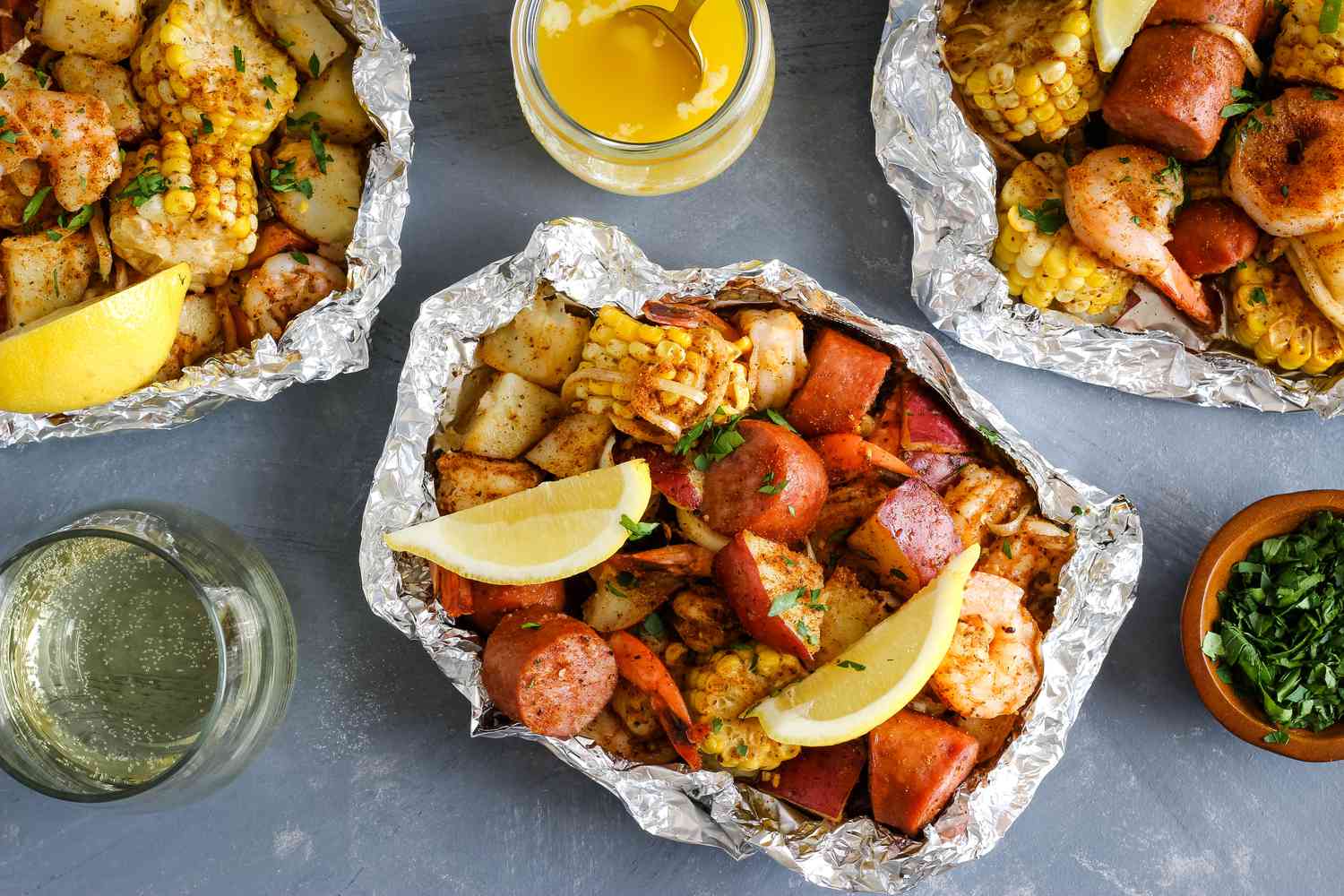
Foil-Wrapped Vegetable & Tofu Packets
These are the backbone of lightweight vegan camping. Chop firm tofu, bell peppers, onions, and zucchini. Toss with olive oil, soy sauce, and garlic powder. Wrap tightly in heavy-duty aluminum foil and cook on coals for 15–20 minutes. The foil acts as a bear-safe container if hung properly, and cleanup is non-existent.
No-Cook Quinoa & Bean Bowls
Pre-cooked quinoa or instant rice saves significant fuel weight. Combine with shelf-stable beans, dried cranberries, and pumpkin seeds. Add a squeeze of lime and fresh cilantro if you can carry it. This meal requires no fire, making it ideal for fire bans or high-altitude camps where fuel is scarce.
Peanut Butter & Banana Tortillas
For quick energy, tortillas are superior to bread. They don’t crush and last weeks. Spread natural peanut butter on a tortilla, add a banana, and sprinkle with chia seeds or cacao nibs. Roll it up. It’s a dense calorie source that requires zero cooking equipment.
Instant Oatmeal with Nut Butter
Morning fuel should be fast. Boil water and pour over instant oats. Stir in a tablespoon of almond butter and a handful of dried fruit. The fat from the nut butter keeps you full longer than sugar alone. It’s a simple, warm start that doesn’t require a heavy cooler.
Comparison of Meal Strategies
| Strategy | Weight | Fuel Needed | Bear-Safe Storage | Best For |
|---|---|---|---|---|
| Foil Packets | Medium | High | Hang or locker | Campsites with fire rings |
| No-Cook Bowls | Low | None | Bear canister | Fire bans, alpine zones |
| Tortilla Wraps | Low | None | Bear canister | Hiking days, quick breaks |
| Instant Oats | Very Low | Low | Bear canister | Morning breakfast |
Prioritize meals that fit your group’s cooking style. If you hate washing pots, stick to foil and no-cook options. If you have a sturdy bear canister, you can carry slightly heavier ingredients like fresh produce or nuts. Always check local regulations for food storage before you pack.
Timing and logistics
Parking and transit are the first hurdles for any backcountry trip. Most state parks and national forests require reservations for day-use parking, especially on weekends. Arriving without a pass often means circling for an hour or turning back. Check the local land management agency website for shuttle requirements if you are visiting popular trailheads in high-traffic areas like the Pacific Northwest or Colorado Rockies. Early starts are not just for the best light; they secure your spot and beat the midday heat.
Reservations for campsites should be booked months in advance for peak seasons. If you are driving a large van or RV, verify width and weight restrictions on access roads. Many scenic routes are narrow and winding, unsuitable for oversized vehicles. For hikers carrying heavy vegan meal kits, consider the trade-off between convenience and pack weight. Lightweight, dehydrated meals reduce the burden but require more water and fuel to prepare, which impacts your timing and resource management.
-
Confirm parking reservation or day-use pass availability
-
Verify vehicle size restrictions for access roads
-
Download offline maps for areas with no cell service
-
Check fire ban regulations for cooking methods
Vegan camping meals: what to check next
Planning plant-based meals in the backcountry often raises practical concerns about weight, safety, and taste. Here are the most common hurdles hikers face and how to solve them without adding bulk or risk.
How do I keep vegan camping food bear-safe?
Bears are attracted to strong odors, not just meat. Store all vegan food, including nut butters, dried fruits, and even oatmeal packets, in a certified bear canister or hang it using a PCT method. Never leave food in your tent, even if it’s just a granola bar. The scent of peanut butter is just as inviting to wildlife as bacon.
What are the easiest vegan meals to pack for weight?
Focus on dehydrated or shelf-stable ingredients that require only boiling water. Ready rice pouches, canned beans (in lightweight cans), and quinoa are excellent bases. Pair these with cabbage instead of lettuce, as cabbage travels better and lasts longer without refrigeration. Simple burrito bowls or grain salads require minimal cooking gear and very little cleanup.
How do I get enough protein on a vegan camping diet?
Protein needs don’t drop just because you’re hiking. Pack high-density sources like lentils, chickpeas, hemp seeds, and nutritional yeast. A tablespoon of hemp seeds adds nine grams of protein to any meal with almost no weight. Combining grains with legumes ensures you get complete amino acids throughout the day.
Can I make fresh-tasting vegan meals without a cooler?
Yes, by using hardy produce and smart prep. Pre-chop vegetables at home and freeze them; they’ll thaw in your cooler or pack by mealtime. Hardier veggies like carrots, bell peppers, and cabbage hold up well. For fruits, bring apples, oranges, or bananas that withstand pressure. Avoid leafy greens that wilt quickly unless you plan to eat them on day one.
No comments yet. Be the first to share your thoughts!