

Plan Your Meals Ahead of Time
One of the most important aspects of camping nutrition is planning your meals ahead of time. This not only ensures that you have enough food for your trip, but also allows you to choose nutrient-dense foods that will keep you energized and healthy throughout your outdoor adventure.
Make a meal plan: Before you leave for your camping trip, take some time to plan out your meals. Consider the length of your trip, the number of people in your group, and any dietary restrictions or preferences. This will help you determine how much food you need to bring and what types of meals you can make.
Prep your meals: Once you have your meal plan, prepare as much food as you can ahead of time. This can include chopping vegetables, marinating meat, or pre-cooking grains. This will save you time and effort while camping, and also make it easier to cook healthy meals.
Choose easy-to-pack foods: When planning your meals, choose foods that are easy to pack and store. This can include canned or dried goods, pre-packaged snacks, and fresh fruits and vegetables that don't require refrigeration.
Consider one-pot meals: One-pot meals are a great option for camping because they are easy to make and require minimal cleanup. Consider making stews, soups, or stir-fries that include a variety of vegetables, protein, and grains.
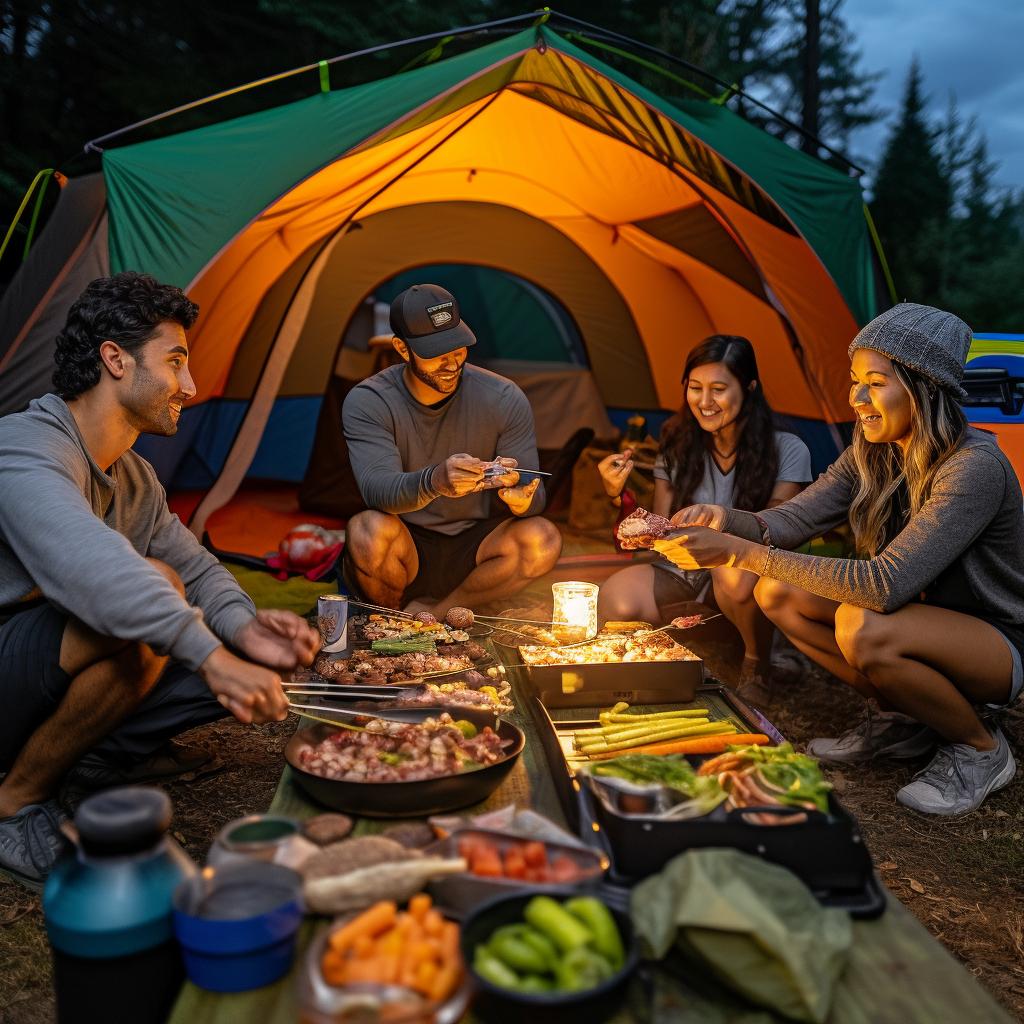
Don't forget the snacks: In addition to your main meals, be sure to pack high-energy snacks that will keep you fueled throughout the day. This can include trail mix, energy bars, and fresh fruit.
By planning your meals ahead of time, you can ensure that you have a healthy and energizing camping experience. Take the time to make a meal plan, prep your meals, and choose easy-to-pack foods and snacks. Your body will thank you for it!
Choose Nutrient-Dense Foods
Choosing nutrient-dense foods is crucial for a healthy and energized camping experience. Nutrient-dense foods are those that provide a high amount of nutrients relative to their calorie content. These foods are essential for maintaining optimal health and energy levels while camping.
What are nutrient-dense foods?
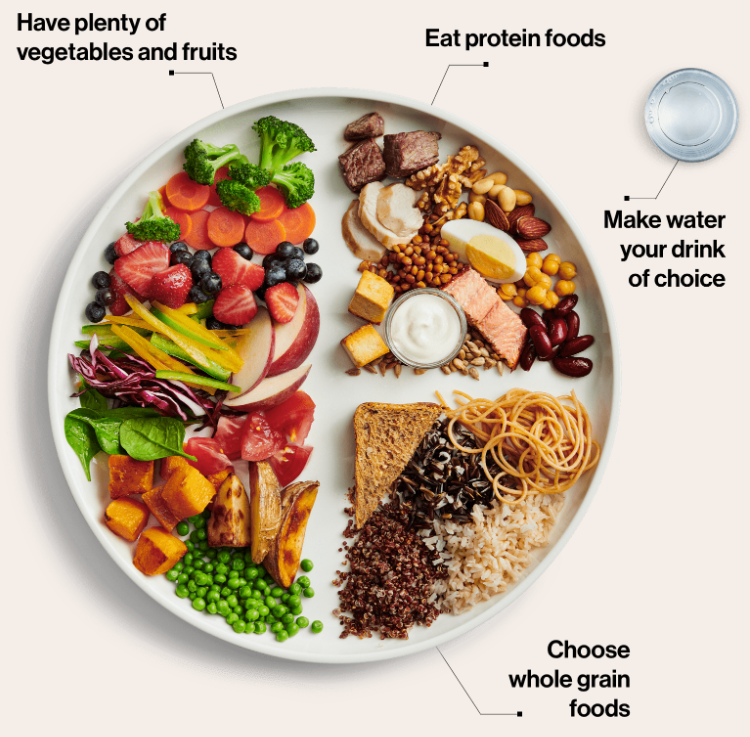
Nutrient-dense foods are those that are rich in vitamins, minerals, and other essential nutrients. These foods include fruits, vegetables, whole grains, lean proteins, and healthy fats. By choosing these foods, you can ensure that your body is getting the nutrients it needs to function properly.
Why choose nutrient-dense foods for camping?
When camping, your body needs more energy than usual to keep up with the physical demands of hiking, setting up camp, and other outdoor activities. Nutrient-dense foods provide the energy your body needs to keep going, without the added calories and unhealthy ingredients found in processed foods.
Examples of nutrient-dense foods for camping:
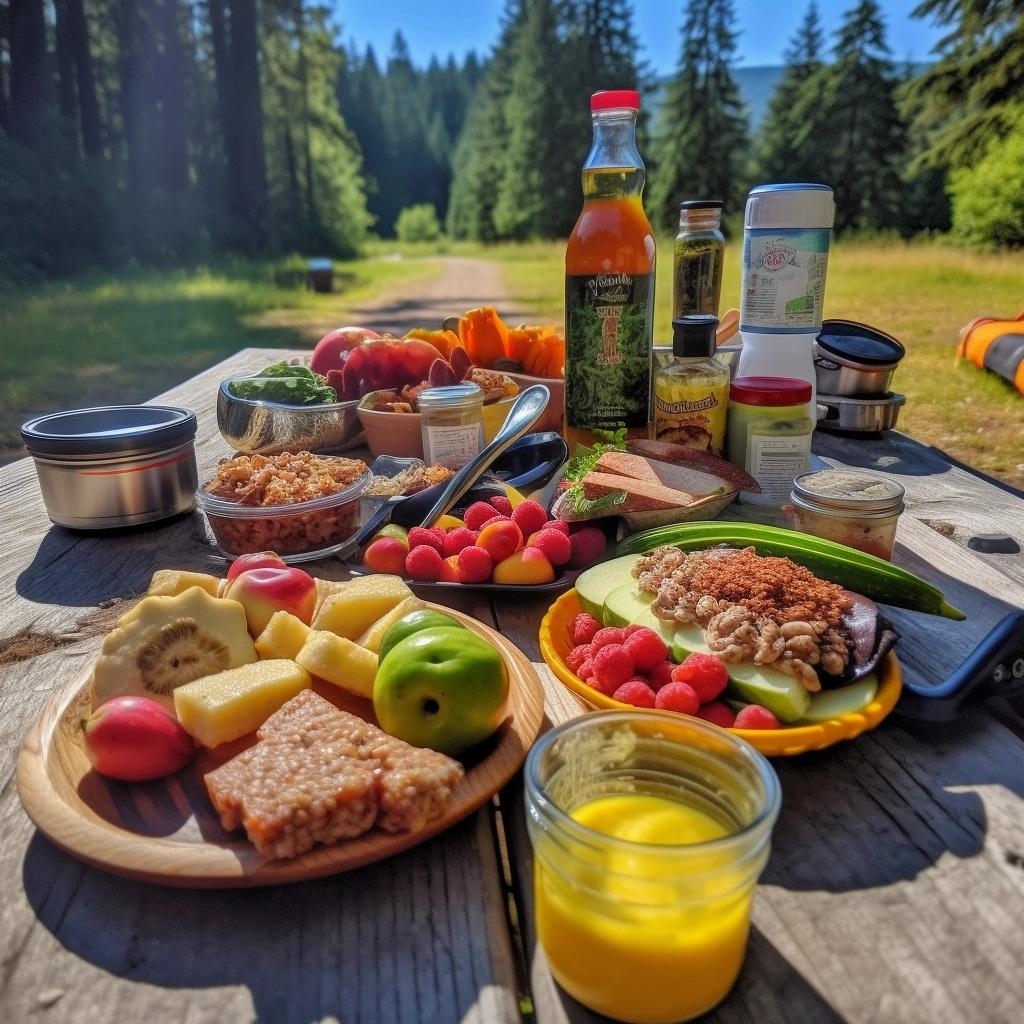
- Fresh fruits and vegetables: These are easy to pack and provide essential vitamins and minerals. Consider packing carrots, apples, oranges, and bananas for a quick and healthy snack.
- Whole grains: Whole grains like quinoa, brown rice, and oats are packed with fiber and provide sustained energy throughout the day.
- Lean proteins: Pack lean proteins like chicken, turkey, and fish for a healthy source of protein. Plant-based proteins like beans and lentils are also a great option for vegetarians and vegans.
- Healthy fats: Nuts, seeds, and avocado are all great sources of healthy fats that provide sustained energy and keep you feeling full.
By choosing nutrient-dense foods for your camping trip, you can ensure that your body is getting the nutrients it needs to stay healthy and energized. Don't forget to pack a variety of fruits, vegetables, whole grains, lean proteins, and healthy fats for a well-rounded and nutritious camping experience.
Stay Hydrated
Stay Hydrated
Staying hydrated is crucial for a successful camping trip. The physical demands of hiking and setting up camp can quickly deplete your body's water supply, leading to dehydration. Dehydration can cause fatigue, headaches, and even heat stroke in severe cases. To avoid dehydration, it's important to drink plenty of water throughout the day.
How much water should you drink?
The amount of water you need to drink depends on a variety of factors, including your age, weight, and activity level. As a general rule, aim to drink at least 8 cups of water per day while camping. If you're hiking or engaging in other strenuous activities, you may need to drink more to stay hydrated.
How to stay hydrated while camping
There are several ways to stay hydrated while camping. First and foremost, make sure to pack plenty of water. Consider bringing a water filter or purification tablets to treat water from natural sources like streams and lakes. This can be a great way to reduce the amount of water you need to carry with you.
In addition to water, you can also stay hydrated by drinking other fluids like sports drinks, coconut water, and herbal tea. These beverages can provide electrolytes and other nutrients that help your body stay hydrated.
Signs of dehydration
It's important to be aware of the signs of dehydration so you can take action before it becomes a serious problem. Signs of dehydration include:
- Thirst
- Dry mouth and throat
- Fatigue
- Headache
- Dizziness
- Dark urine
If you experience any of these symptoms, stop and rest in a shaded area and drink water or other fluids. If your symptoms persist or worsen, seek medical attention.
Conclusion
Staying hydrated is essential for a healthy and energized camping experience. Make sure to pack plenty of water and other fluids, and be aware of the signs of dehydration. By staying hydrated, you can ensure that your body is getting the nutrients it needs to function properly and enjoy your camping trip to the fullest.
Pack High-Energy Snacks
Pack High-Energy Snacks
When you're out camping, it's important to have snacks on hand to keep your energy levels up throughout the day. High-energy snacks are a great way to refuel and keep you going until your next meal. Here are some ideas for high-energy snacks to pack on your next camping trip:
- Trail mix: A classic camping snack, trail mix is a great source of protein, healthy fats, and carbohydrates. Make your own mix with nuts, seeds, dried fruit, and dark chocolate for a tasty and nutritious snack.
- Energy bars: There are many different types of energy bars on the market, but look for ones that are made with whole food ingredients and are low in added sugars. These bars are a convenient and portable snack that can provide a quick energy boost.
- Fruit: Fresh fruit like apples, bananas, and oranges are easy to pack and provide a natural source of energy from their natural sugars. They're also a great source of vitamins and minerals.
- Jerky: Beef, turkey, or vegan jerky are all great sources of protein and can be a satisfying snack to munch on throughout the day.
Remember to pack snacks that are easy to carry and won't spoil in the heat. Keep them in a separate bag or container so you can easily access them throughout the day.
By packing high-energy snacks, you can keep your energy levels up and stay fueled for all your camping activities. Don't forget to also drink plenty of water and stay hydrated to ensure optimal performance and enjoyment on your camping trip.
Cooking Tips for Healthy Meals
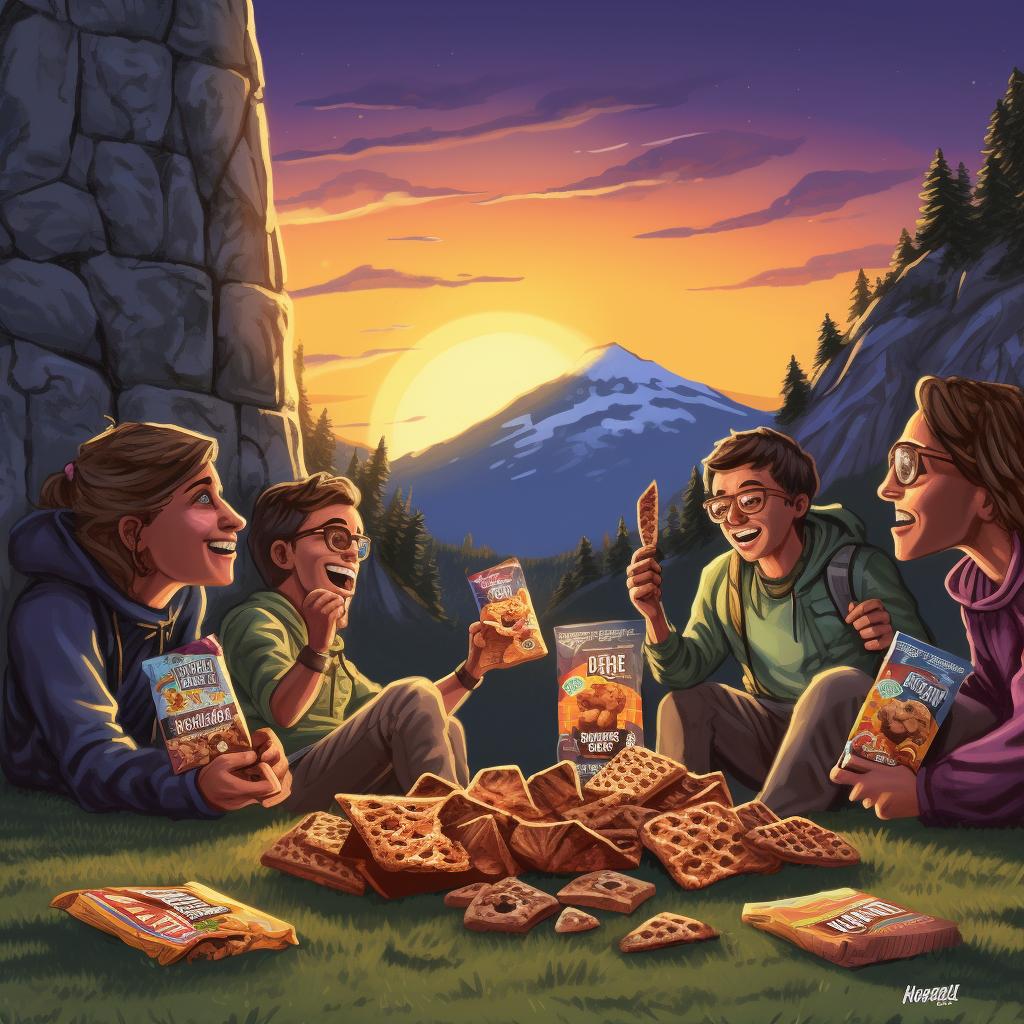
Cooking Tips for Healthy Meals When it comes to camping, cooking healthy meals can seem like a daunting task. But with a little planning and preparation, it's easy to create delicious and nutritious meals that will keep you energized and satisfied throughout your trip. Here are some cooking tips for healthy meals while camping: 1. Plan your meals ahead of time: Before you head out on your camping trip, plan out your meals for each day. This will help you make sure you have all the ingredients you need and can avoid last-minute trips to the store. It will also help you make sure you're getting a balanced mix of nutrients. 2. Choose nutrient-dense foods: When you're camping, it's important to choose foods that are high in nutrients to keep you fueled for all your outdoor activities. Look for foods that are high in protein, healthy fats, and complex carbohydrates. Some great options include quinoa, lentils, nuts, seeds, and fresh fruits and vegetables. 3. Use a one-pot meal approach: Cooking with just one pot can save you time and make clean-up a breeze. Try making a hearty soup, stew, or chili that includes a mix of protein, vegetables, and whole grains. You can also make a stir-fry with rice or noodles and plenty of veggies. 4. Pack a variety of spices and seasonings: Spices and seasonings can add flavor and variety to your meals without adding extra calories or unhealthy ingredients. Pack a variety of spices like garlic, cumin, paprika, and chili powder to add flavor to your meals. 5. Consider a vegan or vegetarian diet: A vegan or vegetarian diet can be a great option for camping since it's easy to pack and store plant-based foods. Plus, plant-based meals are often lighter and easier to digest, which can be helpful when you're out in nature. By following these cooking tips for healthy meals, you can enjoy delicious and nutritious food while camping. Don't forget to also practice proper food storage in bear country and consider taking supplements for optimal nutrition. Happy camping!Midjourney image prompt:
Consider a Vegan or Vegetarian Diet
Consider a Vegan or Vegetarian Diet
Opting for a vegan or vegetarian diet while camping can offer numerous benefits for your health, energy levels, and the environment. Plant-based diets are rich in nutrients, fiber, and antioxidants, which can help keep you feeling energized and satisfied throughout your outdoor adventures. Moreover, vegan and vegetarian meals are often lighter and easier to digest, making them an excellent choice for active campers.
One of the main advantages of a plant-based diet is the ease of packing and storing ingredients. Fresh fruits, vegetables, nuts, and seeds can be easily transported and stored without the need for refrigeration. Additionally, many plant-based protein sources, such as beans, lentils, and tofu, can be purchased in shelf-stable packaging, making them perfect for camping trips.
When planning your vegan or vegetarian camping menu, focus on incorporating a variety of nutrient-dense foods to ensure you're getting all the essential vitamins and minerals. Some delicious and nutritious plant-based meal ideas include:
- Overnight oats with chia seeds, nuts, and fresh fruit for breakfast
- Quinoa and black bean salad with avocado and lime dressing for lunch
- Lentil and vegetable curry with rice or couscous for dinner
Don't forget to pack a variety of spices and seasonings to add flavor and variety to your meals. Some great options for plant-based dishes include turmeric, cumin, coriander, and smoked paprika.
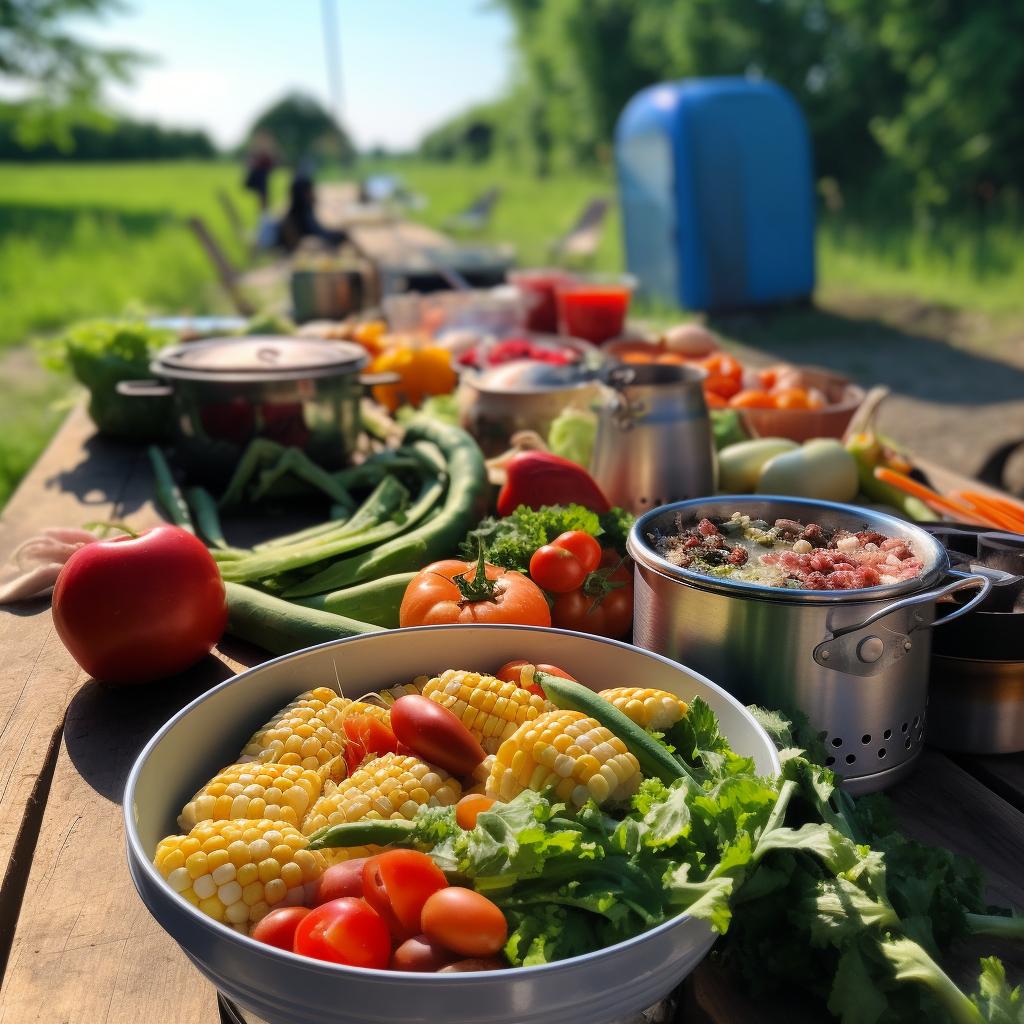
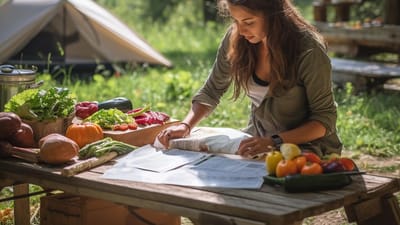
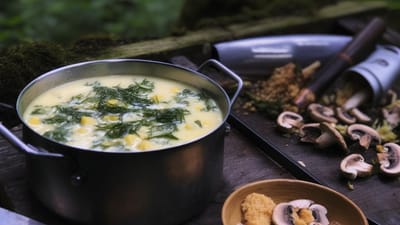
Midjourney image prompt: A campsite with a vegan meal being prepared, including a pot of lentil curry, a bowl of quinoa salad, and a cutting board with fresh vegetables.
By choosing a vegan or vegetarian diet for your camping trip, you'll not only enjoy delicious and healthy meals but also contribute to a more sustainable and eco-friendly outdoor experience. Remember to plan your meals ahead of time, pack high-energy snacks, and stay hydrated to ensure a successful and energized camping adventure.
Food Storage in Bear Country
Food Storage in Bear Country
When camping in bear country, it's essential to store your food properly to prevent attracting bears to your campsite. Bears have an incredible sense of smell and can detect food from miles away. Therefore, it's crucial to store your food in a bear-resistant container or hang it from a tree at least 10 feet off the ground and 4 feet away from the trunk.
Here are some tips for storing your food in bear country:
- Use bear-resistant containers: These containers are made of sturdy materials and designed to keep bears out. They are available for purchase or rent at most outdoor gear stores.
- Hang your food: If you don't have a bear-resistant container, hang your food from a tree at least 10 feet off the ground and 4 feet away from the trunk. Use a sturdy rope and tie a rock to the end to throw it over a high branch.
- Store your food away from your sleeping area: Keep your food storage area at least 100 yards away from your sleeping area to avoid attracting bears to your tent.
- Don't bring scented items into your tent: Avoid bringing scented items like toiletries, gum, or candy into your tent, as they can attract bears.
- Clean up after meals: Clean up your cooking area and dispose of food scraps and trash properly. Don't leave any food or trash lying around your campsite.
Midjourney image prompt: A bear-resistant container with a lock and a rope hanging from a tree branch.
Remember, bears are wild animals, and it's crucial to respect their habitat and behavior. By storing your food properly and following these tips, you can help prevent bear encounters and ensure a safe and enjoyable camping trip for everyone.
Supplements for Optimal Nutrition
Supplements for Optimal Nutrition
While planning your meals and choosing nutrient-dense foods are crucial for a healthy camping trip, sometimes it can be challenging to get all the necessary nutrients from food alone. That's where supplements can come in handy. Here are some supplements to consider for optimal nutrition during your camping trip:
1. Multivitamins: A good quality multivitamin can help fill in any nutritional gaps in your diet. Look for a multivitamin that contains vitamins A, C, D, E, and K, as well as essential minerals like calcium, magnesium, and zinc.
2. Omega-3 fatty acids: Omega-3 fatty acids are essential for brain function, heart health, and reducing inflammation. They are found in fatty fish like salmon, but if you're not a fan of fish, consider taking an omega-3 supplement.
3. Probiotics: Probiotics are beneficial bacteria that live in your gut and help support a healthy immune system. They can be found in fermented foods like yogurt and sauerkraut, but if you're not a fan of these foods, consider taking a probiotic supplement.
4. Electrolytes: Electrolytes like sodium, potassium, and magnesium are essential for hydration and muscle function. You can find electrolyte supplements in powder or tablet form, which can be added to your water bottle during hikes or other activities.
Remember, supplements should not replace a healthy diet, but they can help fill in any nutritional gaps. Always consult with your healthcare provider before starting any new supplements.
Midjourney image prompt: 
No comments yet. Be the first to share your thoughts!