
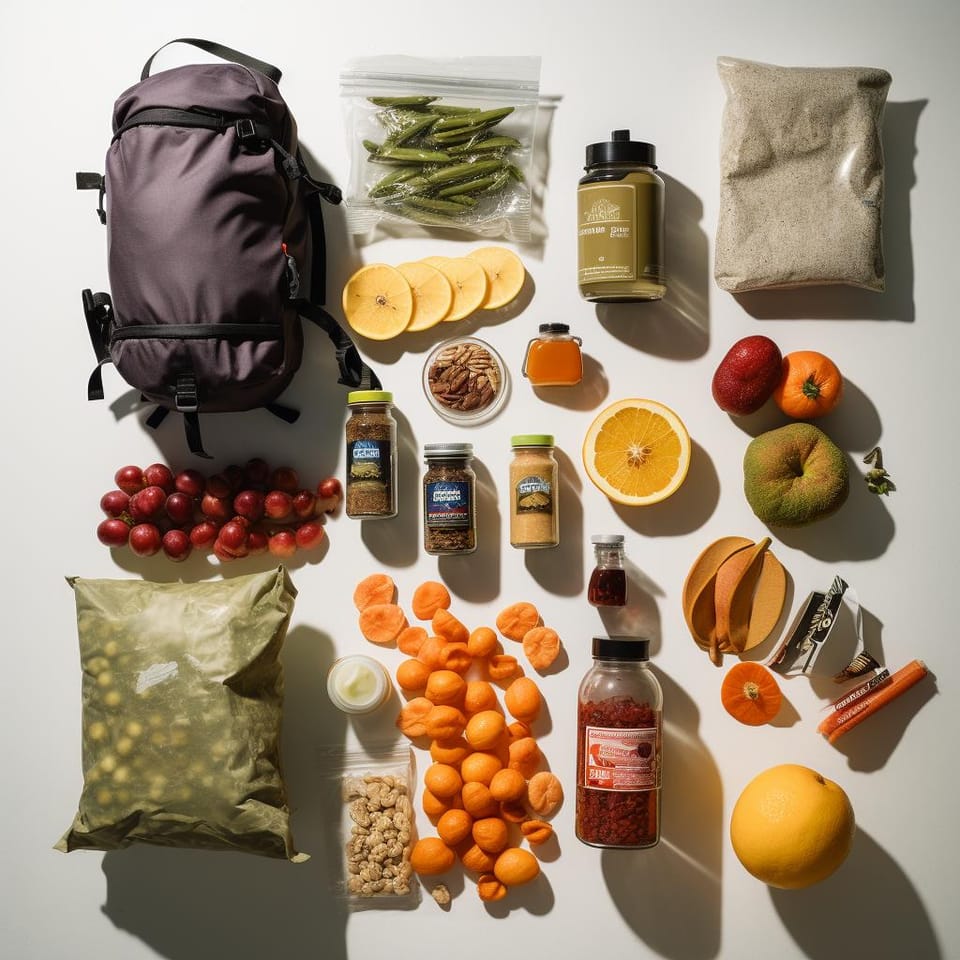

Understanding the Benefits of Dehydrated Camping Meals
Imagine this: you're miles away from the nearest grocery store, surrounded by the serenity of nature, and your stomach starts to grumble. What do you reach for? If you're a seasoned camper, you already know the answer: dehydrated camping meals. But why are these lightweight, long-lasting foods the go-to choice for outdoor enthusiasts? Let's dive into the benefits of these camping essentials.
Firstly, dehydrated camping meals are the epitome of convenience. They're lightweight, making them perfect for backpacking trips where every ounce counts. Picture yourself effortlessly trekking through the wilderness, your backpack filled with nutritious meals that won't weigh you down. Sounds ideal, doesn't it?
Secondly, these meals are long-lasting. Dehydration removes the moisture that bacteria need to grow, thereby preserving the food. This means you can prepare your meals weeks, even months, in advance of your trip. Imagine the peace of mind knowing you have a stash of ready-to-eat meals at your disposal.
Lastly, preparing dehydrated camping meals gives you control over your diet. You decide what goes into your meals, allowing you to cater to dietary preferences or restrictions. Whether you're a vegan, gluten-intolerant, or just trying to eat healthier, dehydrated meals can accommodate your needs. Imagine enjoying a delicious, home-cooked meal under the stars. Isn't that the ultimate camping experience?
So, are you ready to explore the world of dehydrated camping meals? In this guide, we'll walk you through choosing the right foods for dehydration, the art of preparing long-lasting foods for camping, and even share some easy lightweight backpacking recipes. Plus, we'll give you tips on how to preserve the taste of your meals and pack them for maximum efficiency. Let's embark on this culinary adventure together!
Essential Equipment for Preparing Lightweight Camping Foods
Now that you understand the benefits of dehydrated camping meals, you might be wondering how to prepare these lightweight, long-lasting foods for your next adventure. The secret lies in having the right equipment. Let's explore the essential tools that will transform your camping meals from ordinary to extraordinary.
At the heart of this process is a good quality food dehydrator. This device circulates warm air to gently remove moisture from your food, preserving it for future use. Imagine being able to convert fresh fruits, vegetables, and even meats into ultralight camping meals with just the push of a button. Sounds simple, right? That's because it is!
Next, you'll need a set of airtight containers or vacuum-sealed bags. These are crucial for storing your dehydrated meals, ensuring they stay fresh and protected from moisture. Picture this: you're on a week-long hiking trip, and each day you reach into your backpack to find a perfectly preserved, delicious meal. That's the power of proper storage!
Lastly, a lightweight camping stove and a durable pot are essential for rehydrating and cooking your meals. With these tools, you can transform your dehydrated ingredients back into a hearty, satisfying meal, even in the heart of the wilderness. Imagine sitting by the campfire, a warm bowl of your favorite food in your hands. Isn't that a scene worth preparing for?
With this essential equipment, preparing lightweight camping foods becomes an easy and enjoyable task. So, are you ready to take your camping meals to the next level? Stay tuned as we delve deeper into the art of creating your own dehydrated meals in the next section of this guide.
The Essentials of Dehydrated Camping Meals
Imagine this: you're deep in the wilderness, surrounded by the serenity of nature, and your stomach begins to rumble. You reach into your backpack and pull out a lightweight, compact package. Within minutes, you're enjoying a hearty, nutritious meal that tastes as if it was made fresh from your kitchen. This isn't a fantasy—it's the reality of dehydrated camping meals.
Dehydrated camping meals are the ultimate solution for outdoor enthusiasts seeking lightweight, long-lasting foods for camping. They're not just convenient; they're also a delicious way to refuel after a long day of hiking or exploring. And the best part? You can make them yourself, tailoring the ingredients to your personal taste and dietary needs, including one-pot vegan camping meals.
But what exactly are dehydrated meals? Simply put, they're meals where the water content has been removed through a process called dehydration. This not only makes the food lighter and more compact, but it also extends its shelf life, making it perfect for those long camping trips. From fruits and vegetables to grains and proteins, almost any food can be dehydrated.
Whether you're a seasoned backpacker or a camping newbie, this guide will walk you through the essentials of preparing dehydrated camping meals. You'll discover how to choose the right foods for dehydration, the step-by-step process of preparing these meals, and even some delicious vegan one-pot camping meal recipes. So, are you ready to revolutionize your camping food preparation?
Choosing the Right Foods for Dehydration
Now that we've covered the benefits of dehydrated camping meals, let's delve into the crux of the matter: choosing the right foods for dehydration. Not all foods are created equal when it comes to dehydration, and understanding what works best will set you up for success in creating lightweight camping foods that are both delicious and nutritious.
When selecting foods for dehydration, consider their water content, texture, and flavor. High-water-content foods like fruits and vegetables are excellent choices. They lose a significant amount of weight during dehydration, making them perfect for ultralight camping meals. Plus, they retain their nutritional value and offer a sweet or savory crunch that's hard to resist on the trail.
Think about apples, bananas, strawberries, tomatoes, peppers, and zucchini. These not only dehydrate well but also rehydrate quickly when you're ready to eat.
Lean meats like chicken, turkey, and fish are also great for dehydration. They provide a high-protein, low-fat source of energy that's essential for those long hikes. And let's not forget about legumes and whole grains. They're a staple in one-pot vegan camping meals and can be easily dehydrated for a hearty, fiber-rich meal.
But what about flavor? Dehydration can sometimes dull the taste of foods, so it's important to season your meals well before dehydrating. Herbs, spices, and marinades can significantly enhance the flavor of your easy lightweight backpacking meals. Imagine savoring a spicy dehydrated chili or a sweet apple-cinnamon oatmeal while gazing at a stunning sunset. Sounds heavenly, doesn't it?
Remember, the goal is to create hiking recipes lightweight in your pack but heavy on taste and nutrition. So, are you ready to start experimenting with different foods and flavors? Let's move on to the next step: preparing your long-lasting foods for camping.
Choosing the Right Foods for Dehydration: A Guide to Lightweight Camping Foods
Now that we've established the benefits of dehydrated camping meals, let's delve into the exciting process of selecting the right foods for dehydration. This step is crucial in ensuring your meals are not only lightweight and long-lasting but also packed with the nutrients you'll need to fuel your outdoor adventures.
When it comes to choosing foods for dehydration, it's important to consider their water content. Foods with high water content, such as fruits and vegetables, are excellent choices. Imagine biting into a piece of dehydrated apple or enjoying a hearty stew made from dried carrots, peas, and potatoes. These foods not only rehydrate well but also retain much of their original flavor, making them ideal for lightweight camping dishes.
Protein is another essential component of your camping diet. Lean meats like chicken, turkey, and fish dehydrate well and can be used in a variety of hiking recipes lightweight enough to carry on your backpacking trips. For vegetarians and vegans, tofu and tempeh are excellent alternatives. And let's not forget legumes! Beans, lentils, and chickpeas are protein-packed options that dehydrate beautifully and can be used in a myriad of lightweight backpacking meals.
Grains, too, should have a place in your dehydration plan. Rice, quinoa, and pasta are versatile, filling, and, once dehydrated, become easy lightweight backpacking meals. Just add water, and you'll have a delicious, energy-boosting meal ready in no time.
Lastly, consider dehydrating sauces and seasonings. These can significantly enhance the taste of your meals, turning them from bland to grand. Imagine enjoying a pasta dish with dehydrated tomato sauce or a curry made with dried spices under the open sky. Sounds mouthwatering, doesn't it?
Remember, the key to successful dehydrated camping meals is variety. By including a range of fruits, vegetables, proteins, grains, and seasonings in your meal plan, you'll ensure a balanced diet that keeps you energized and satisfied throughout your camping trip. So, are you ready to start dehydrating?
DIY Dehydrated Camping Food: A Comprehensive Guide
Embarking on the journey of DIY dehydrated camping food preparation can be both exciting and rewarding. Not only will you have the satisfaction of creating your own meals, but you'll also be able to customize them to your specific dietary needs and preferences. Whether you're seeking high-energy foods for those strenuous hikes or vegan camping meals that don't compromise on taste, the world of dehydrated foods has you covered.
Start by selecting fresh, high-quality ingredients. Fruits, vegetables, lean meats, and legumes are all excellent choices. Remember, the better the quality of your starting ingredients, the more nutritious and flavorful your dehydrated meals will be. 
Next, invest in a good dehydrator. While it's possible to dehydrate food in your oven, a dehydrator gives you more control over the temperature and ensures even drying. Slice your chosen ingredients thinly for optimal dehydration and arrange them in a single layer on the dehydrator trays. Patience is key here; depending on the moisture content of your food, dehydration can take anywhere from 4 to 12 hours.
Once your ingredients are dehydrated, it's time to get creative. Mix and match different ingredients to create a variety of meals. Think spicy lentil soup, vegetable stir-fry, or even a fruit and nut trail mix. Remember, the goal is to create lightweight camping food that's not only nutritious but also delicious.
Proper storage is crucial for maintaining the quality of your dehydrated camping meals. Use vacuum-sealed bags or airtight containers to keep moisture and air out. If you're venturing into bear country, consider investing in bear-resistant containers to ensure your food stays safe. 
Finally, don't forget to test your meals before your trip. Rehydrate a small portion to check the taste and texture. This step will also give you an idea of how much water you'll need to carry for meal preparation.
So, are you ready to take control of your camping diet? With a little planning and creativity, you can create long-lasting foods for camping that are both satisfying and enjoyable. Happy dehydrating!
Healthy Eating While Camping: Incorporating Dehydrated Meals
Embracing the world of dehydrated camping meals is a surefire way to ensure healthy eating while camping. These meals are not only lightweight and long-lasting, but they also offer a wealth of nutritional benefits that can fuel your outdoor adventures. So, how can you incorporate these meals into your camping diet?
Firstly, consider the types of meals you typically enjoy. Do you have a penchant for spicy dishes? Or perhaps you prefer the simplicity of a hearty soup? With DIY dehydrated camping food, you can recreate your favorite meals in a form that's easy to pack and prepare. All it takes is a little creativity and some trial and error.
For instance, if you're a fan of Mexican cuisine, why not try making a dehydrated black bean and corn salsa? Simply rehydrate with a little water at your campsite, and you've got a flavorful and nutritious meal that's sure to satisfy. Or, if you're a pasta lover, dehydrated tomato sauce with herbs and spices can be a game-changer. Pair it with lightweight pasta, and you've got a classic comfort dish that's perfect for those chilly camping nights.
Are you following a vegan diet? No problem! Dehydrated vegan camping meals can be just as delicious and satisfying. Think dehydrated lentil curry, vegetable stir-fry, or even a fruit and nut mix for a quick energy boost during your hikes. The possibilities are truly endless.
Remember, the key to successful dehydrated camping meals lies in the preparation. Make sure your food is thoroughly dehydrated and stored properly to ensure it stays fresh and safe to eat. If you're camping in bear country, bear-resistant containers are a must for food storage.
So, are you ready to revolutionize your camping meals? With dehydrated foods, you can enjoy a variety of tasty and nutritious meals, no matter where your adventures take you. Bon appétit!
Vegan Camping Meals: Dehydrated Options to Try
Transitioning to the next chapter of our culinary camping journey, let's delve into the realm of vegan camping meals. For our plant-based adventurers, dehydrated meals offer a cornucopia of options that are as flavorful as they are nutritious.
Imagine this: you've just returned from a long day of hiking. Your muscles ache, your stomach grumbles, but the thought of preparing a meal seems daunting. What if you could whip up a delicious, protein-packed vegan chili in minutes? With DIY dehydrated camping food, this dream can become a reality.
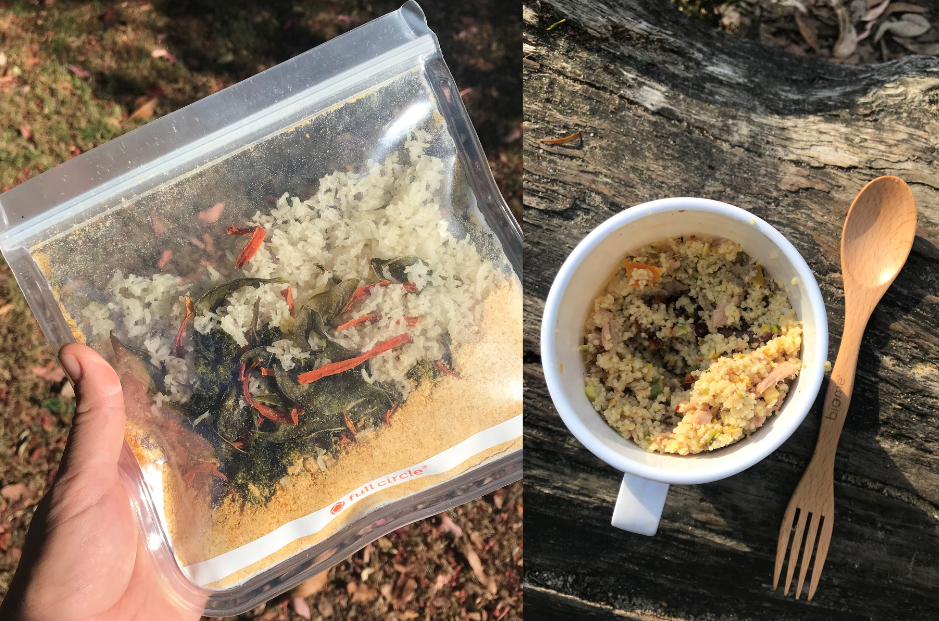
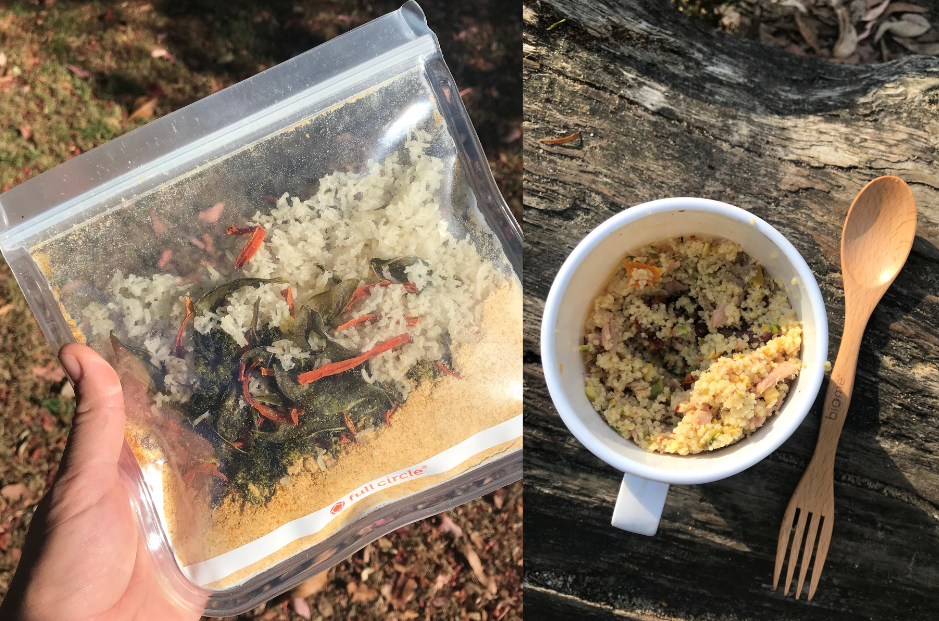
Consider a dehydrated vegan chili made from kidney beans, bell peppers, onions, and a blend of spices. Simply add hot water, let it sit for a few minutes, and voila! You have a hearty, satisfying meal that's perfect for refueling after a strenuous day.
Or perhaps you're craving something a bit more exotic? Try a dehydrated Thai green curry with vegetables and tofu. This lightweight, long-lasting meal packs a punch of flavor and provides essential nutrients to keep you energized on your adventures.
And let's not forget about breakfast! A dehydrated fruit and oat mix can be a quick, easy, and healthy start to your day. Just add water and enjoy a bowl of wholesome goodness amidst the beauty of nature.
Remember, the beauty of dehydrated camping meals lies in their versatility. You can tailor them to your dietary preferences, making them an excellent choice for vegans. Plus, they're lightweight and easy to carry, making them ideal for backpacking trips.
When it comes to food storage in bear country, the same rules apply. Keep your dehydrated meals in bear-resistant containers to ensure your food stays safe and your camping experience remains undisturbed.
So, ready to take your camping meals to the next level? With a bit of preparation and creativity, you can enjoy a variety of delicious, nutritious vegan meals on your next camping trip. The wilderness is waiting, and so is your next meal.
Lightweight Camping Food Preparation: Tips and Tricks
Moving on to the next exciting chapter of our camping food guide, we're going to explore the art of lightweight camping food preparation. You've already discovered the wonders of dehydrated camping meals and how they can revolutionize your vegan camping experience. But how can you make these meals even more convenient and travel-friendly? Let's dive in.
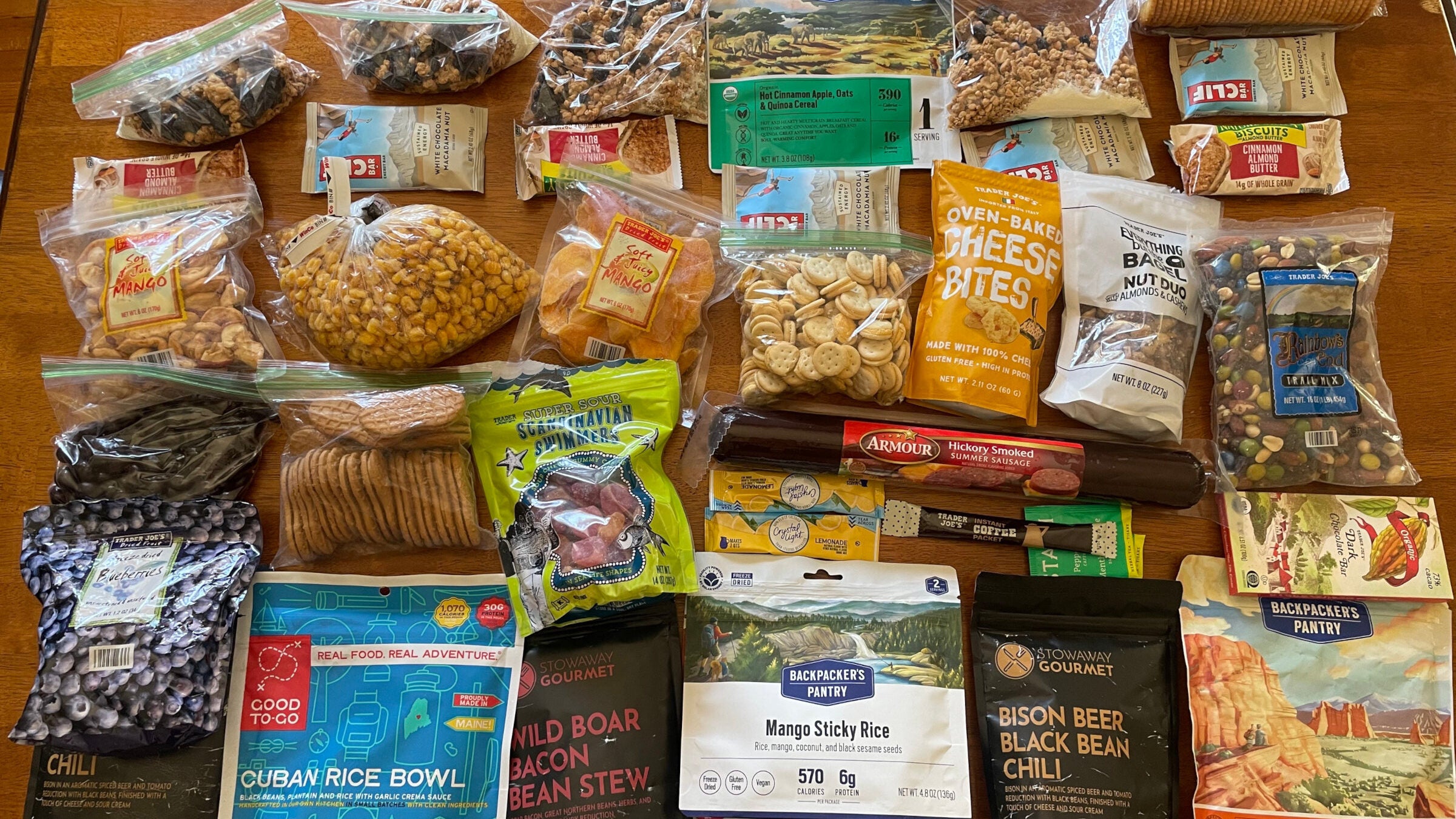
Imagine this: you're packing for your next camping trip. Your backpack is already brimming with essential gear, and you're wondering how you're going to fit all your food. This is where the magic of DIY dehydrated camping food truly shines. Dehydrated meals are not only nutritious and versatile, but they're also incredibly lightweight and compact. They take up minimal space in your backpack, leaving more room for other essentials. Plus, they're long-lasting, making them ideal for extended trips in the wilderness.
So, how can you make your dehydrated meals even more packable? One trick is to vacuum seal your meals. This not only reduces their size but also helps to preserve their freshness. Another tip is to plan your meals strategically. Consider the weight and volume of each ingredient. Opt for ingredients that offer the most nutritional bang for their weight, such as lentils, quinoa, and dried fruits and vegetables.
When it comes to food storage in bear country, lightweight doesn't mean compromising on safety. Remember to store your dehydrated meals in bear-resistant containers. This will keep your food safe and ensure a peaceful camping experience.
Ultimately, healthy eating while camping doesn't have to be a challenge. With a bit of creativity and preparation, you can enjoy a variety of delicious, nutritious, and lightweight meals on your next camping adventure. So, are you ready to take your camping cuisine to new heights?
Storing Your Dehydrated Meals in Bear Country: A Safety Guide
As we delve deeper into the world of dehydrated camping meals, it's essential to consider the unique challenges that come with camping in bear country. After all, the last thing you want is an uninvited guest at your campsite! So, how do you store your DIY dehydrated camping food safely in bear country? Let's explore.
Firstly, it's crucial to understand that bears have an excellent sense of smell. They can detect food from miles away. Therefore, your food storage strategy should focus on minimizing odors. One effective method is to use odor-proof bags. These bags are designed to lock in the smell of your food, making it less likely to attract bears. However, remember that these bags are not bear-proof. They should be used in conjunction with a bear-resistant container.
Speaking of bear-resistant containers, these are your best line of defense against curious bears. These containers are designed to be difficult for bears to open, keeping your food safe. When storing your healthy eating while camping meals, ensure that all food, including your vegan camping meals, is securely stored in these containers.
But where should you place these containers? Ideally, they should be stored at least 100 yards from your sleeping area. This distance helps to ensure that bears are not attracted to your sleeping area by the smell of food.
Remember, lightweight camping food preparation and storage is not just about convenience. It's also about safety. By following these guidelines, you can enjoy your long-lasting foods for camping, including the best backpacking camping meals, without worrying about bear encounters.
So, are you ready to embark on your next camping adventure with your dehydrated meals in tow? With these tips, you can confidently navigate food storage in bear country, ensuring a safe and enjoyable trip.
Long-lasting Foods for Camping: Why Dehydrated Meals are the Best
As we continue our journey into the world of dehydrated camping meals, it's time to shine a spotlight on why they are the ultimate long-lasting foods for camping. Imagine this: you're on a multi-day hiking trip, your backpack is light, and you're not worried about your food spoiling. Sounds like a dream, right? With dehydrated meals, this can be your reality.
Dehydrated meals are not only lightweight, making them perfect for backpacking, but they also have a long shelf life. The dehydration process removes water from the food, inhibiting the growth of bacteria and mold. This means your DIY dehydrated camping food can last for months, even years without refrigeration, making them ideal for those extended trips into the wilderness.
But it's not just about convenience. Dehydrated meals also contribute to healthy eating while camping. They retain most of their nutritional value during the dehydration process, providing you with the energy you need for those strenuous hikes. And let's not forget about variety. From hearty stews to vegan camping meals, there's a dehydrated dish to satisfy every palate.
So, are dehydrated meals the best backpacking camping meals? With their lightweight, long-lasting nature, and contribution to a balanced diet, it's hard to argue otherwise. Whether you're navigating food storage in bear country or planning your meals for a week-long adventure, dehydrated meals are a game-changer.
Ready to revolutionize your camping experience with dehydrated meals? Stay tuned as we delve into the world of DIY dehydrated camping food preparation in the next section. Happy camping!
Best Backpacking Camping Meals: Spotlight on Dehydrated Dishes
As we reach the end of our culinary journey, let's revisit the reasons why dehydrated camping meals are the undisputed champions of the great outdoors. Picture yourself exploring the wilderness, your backpack feather-light and filled with a variety of delicious, nutritious meals. That's the freedom dehydrated meals offer.
These meals are the epitome of convenience. They're lightweight, making them the best backpacking camping meals for those long treks. They're long-lasting, thanks to the magic of dehydration that keeps bacteria and mold at bay. This means you can confidently navigate food storage in bear country without worrying about spoilage. And let's not forget, they're nutritious. Despite the water being removed, these meals retain most of their nutritional value, ensuring you're fuelled for your adventures.
But the benefits don't stop there. Dehydrated meals offer a smorgasbord of options to cater to every dietary preference. From hearty meat dishes to vegan camping meals, there's a dehydrated dish to tantalize every taste bud. And the best part? You can create these meals yourself with our DIY dehydrated camping food guide.
So, are you ready to elevate your camping experience? To embrace the convenience, nutrition, and variety that dehydrated meals offer? To embark on your own DIY dehydrated camping food adventure? 
Remember, camping isn't just about exploring the wilderness; it's also about enjoying delicious, healthy food that fuels your adventure. And with dehydrated meals, you can do just that. So, go ahead, pack your backpack, and let's hit the trail with the best camping meals in tow. Happy camping!
No comments yet. Be the first to share your thoughts!