


Why Hydration is Important While Camping
Why Hydration is Important While Camping
Camping is a fun and exciting way to spend time outdoors, but it can also be physically demanding. Whether you're hiking, fishing, or simply lounging around the campsite, it's important to stay hydrated. Dehydration can lead to a range of health problems, from headaches and fatigue to more serious conditions like heat exhaustion and heat stroke.
When you're camping, you're likely to be more active than you are in your everyday life. You may be hiking, swimming, or engaging in other outdoor activities that require physical exertion. All of this activity can cause you to sweat, which means you're losing fluids and electrolytes. If you don't replace those fluids, you can become dehydrated.
Dehydration can also be caused by the dry air and high altitude that are common in many camping environments. When you're at high altitude, your body loses water more quickly than it does at sea level. This means you need to drink even more water to stay hydrated.
By staying hydrated, you'll feel more energized and alert, and you'll be able to enjoy all the activities that camping has to offer. So make sure you bring plenty of water with you on your camping trip, and drink it regularly throughout the day.
How Much Water Should You Drink While Camping?
How Much Water Should You Drink While Camping?
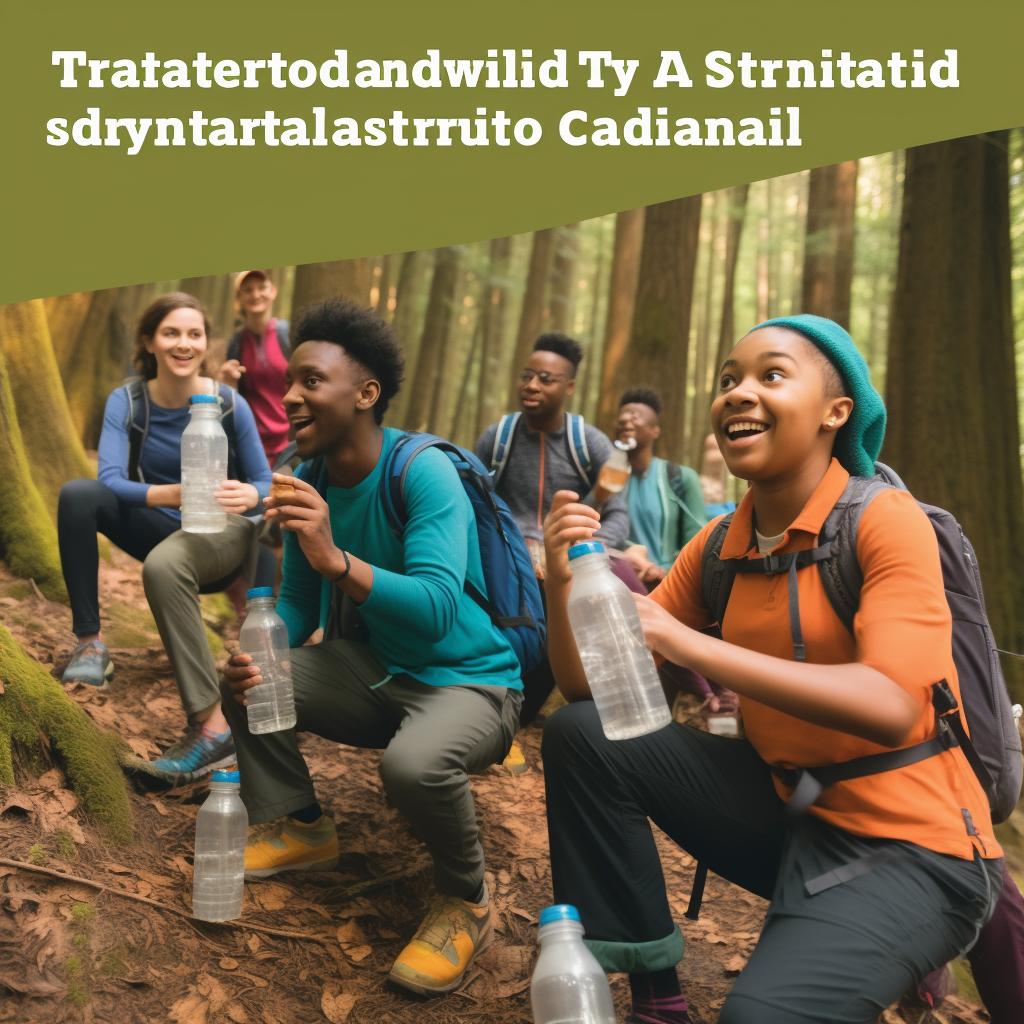
When it comes to staying hydrated while camping, the general rule of thumb is to drink at least 2-3 liters of water per day. However, this can vary depending on a number of factors, such as your age, weight, activity level, and the climate you're in.
If you're camping in a hot and dry environment, you'll need to drink more water to compensate for the fluids you're losing through sweat. On the other hand, if you're camping in a cooler climate, you may not need to drink as much water.
It's also important to remember that you'll need to drink more water if you're engaging in physical activity, such as hiking or swimming. As a general rule, you should drink an additional 500ml of water for every hour of moderate activity.
In addition to water, you can also stay hydrated by drinking other fluids, such as sports drinks, coconut water, or herbal tea. However, it's important to avoid sugary drinks and alcohol, as these can actually dehydrate you.
Hydration Tips:
- Drink water regularly throughout the day, even if you don't feel thirsty.
- Carry a water bottle with you at all times.
- Drink an extra 500ml of water for every hour of moderate activity.
- Avoid sugary drinks and alcohol.
- Consider using a hydration pack or water filter if you're camping in a remote area.
By staying hydrated, you'll be able to enjoy all the activities that camping has to offer and avoid the negative effects of dehydration. So make sure you drink plenty of water and other fluids throughout your camping trip.
Best Hydration Methods for Camping
Best Hydration Methods for Camping
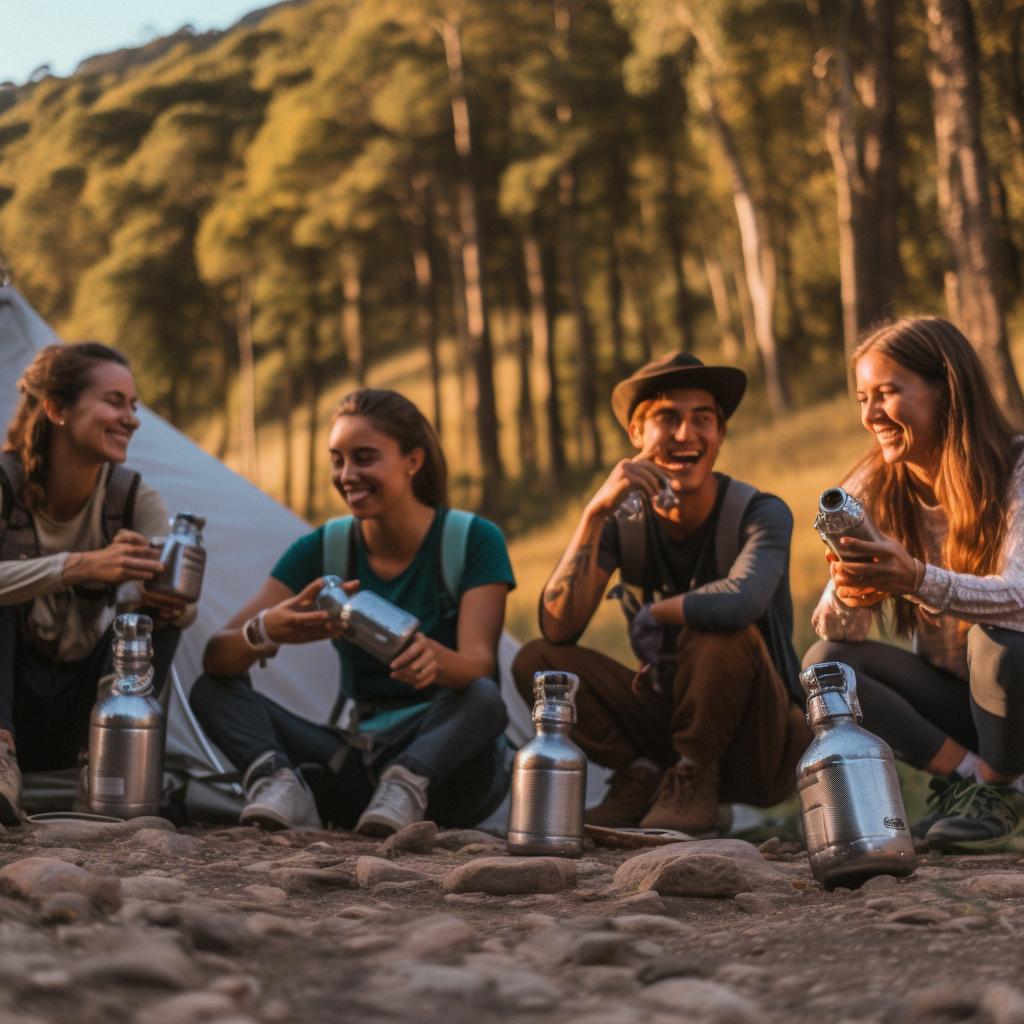
When it comes to staying hydrated while camping, it's essential to have a reliable and efficient method for accessing clean drinking water. Here are some of the best hydration methods for camping that will help you stay healthy and energized during your outdoor adventures:
1. Water Bottles
Carrying a reusable water bottle is a simple and effective way to stay hydrated while camping. Opt for a lightweight, durable, and insulated bottle that can keep your water cold for longer periods. Make sure to refill your water bottle whenever you come across a clean water source, such as a spring or a designated campground faucet. 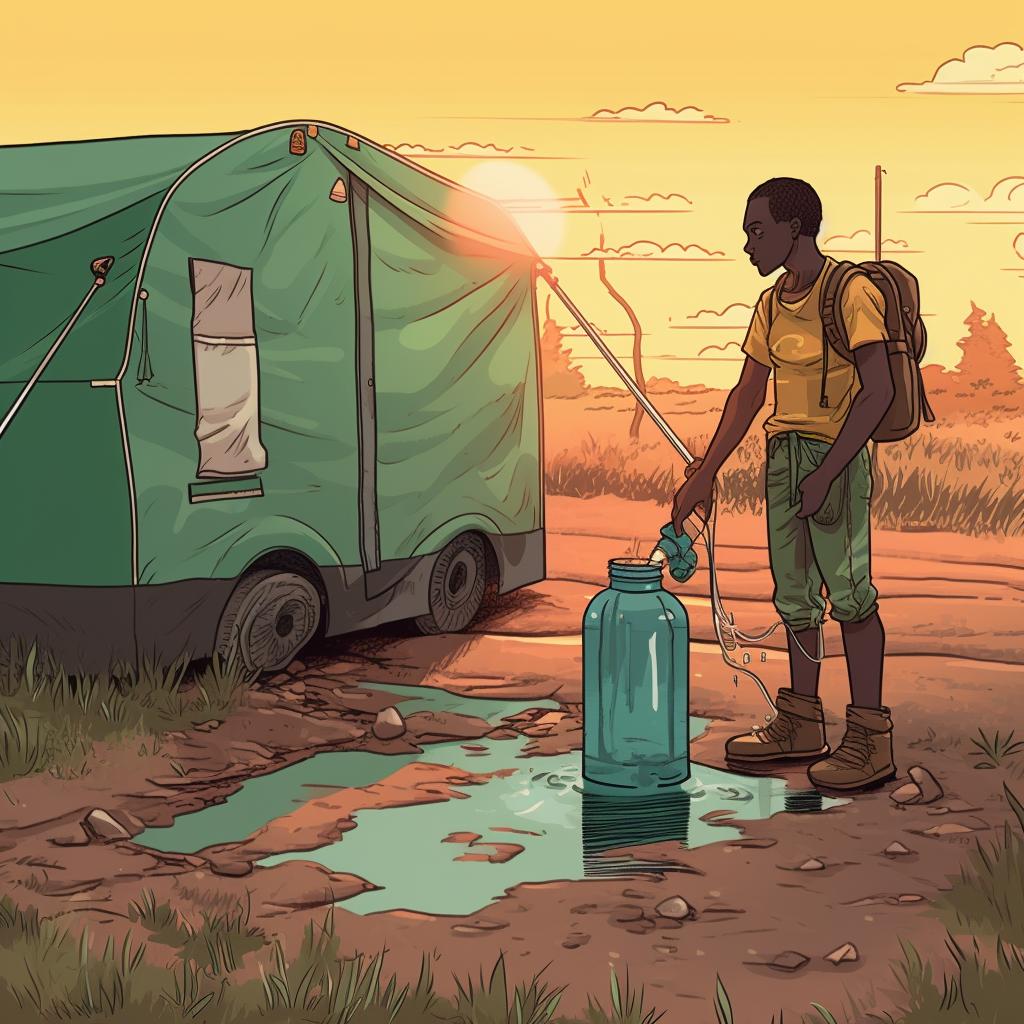
2. Hydration Packs
Hydration packs are a convenient option for those who plan on engaging in activities like hiking or biking. These packs come with a built-in water reservoir and a drinking tube, allowing you to sip water without having to stop and reach for a bottle. This hands-free hydration method helps you maintain a steady intake of water throughout the day. 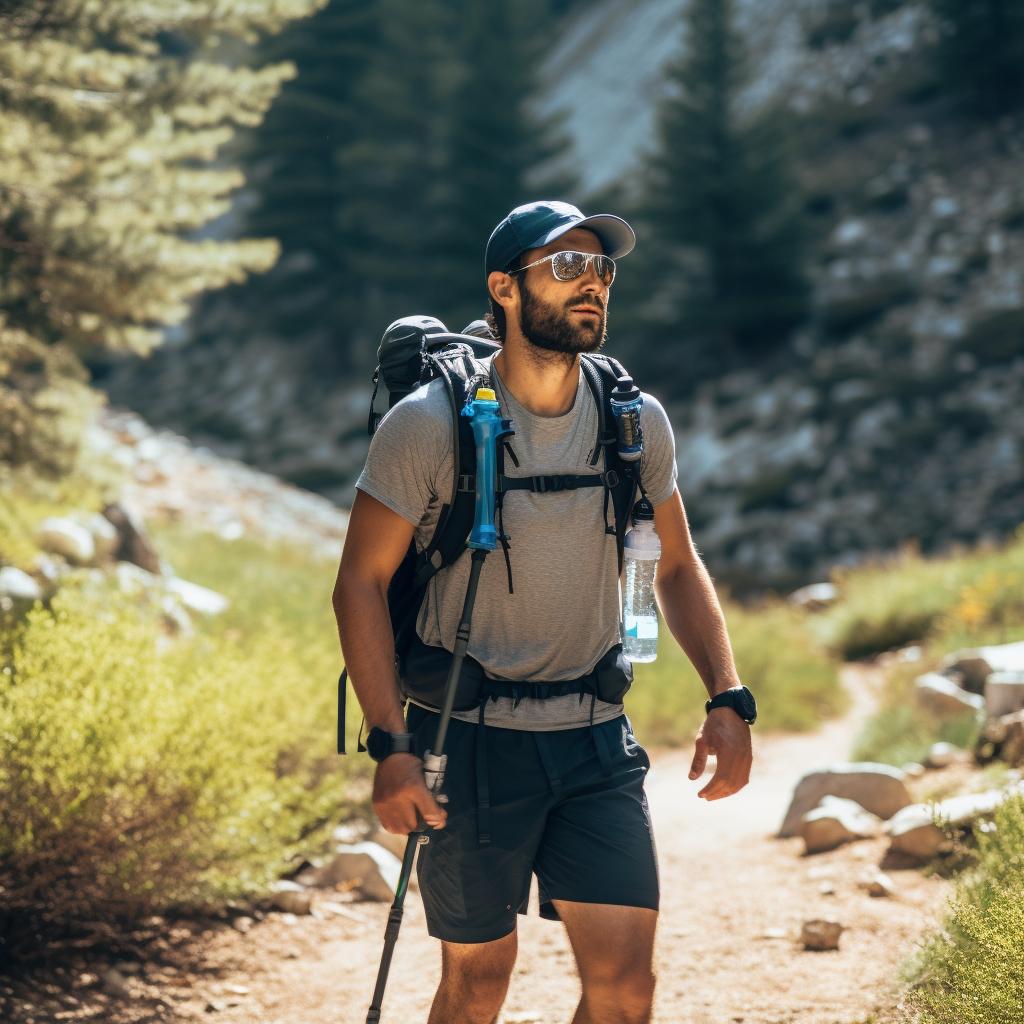
3. Water Purification Systems
When camping in remote areas, it's crucial to have a reliable water purification system. Options include water filters, purification tablets, or UV light purifiers. These methods help remove harmful bacteria, viruses, and protozoa from natural water sources, ensuring you have access to safe drinking water. 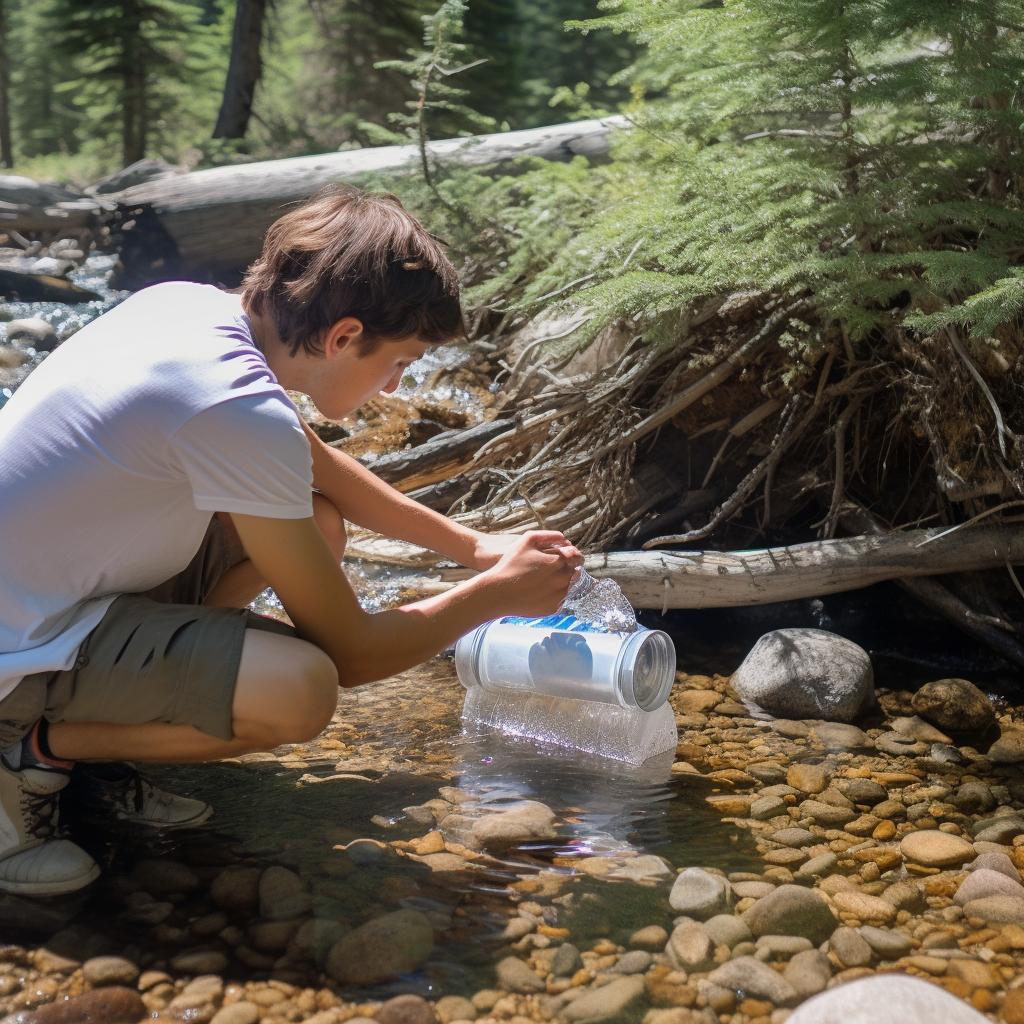
4. Electrolyte Supplements
While water is essential for hydration, it's also important to replenish electrolytes lost through sweat during physical activities. Consider adding electrolyte supplements, such as tablets or powders, to your water to help maintain a proper balance of minerals in your body. This can help prevent dehydration and muscle cramps. 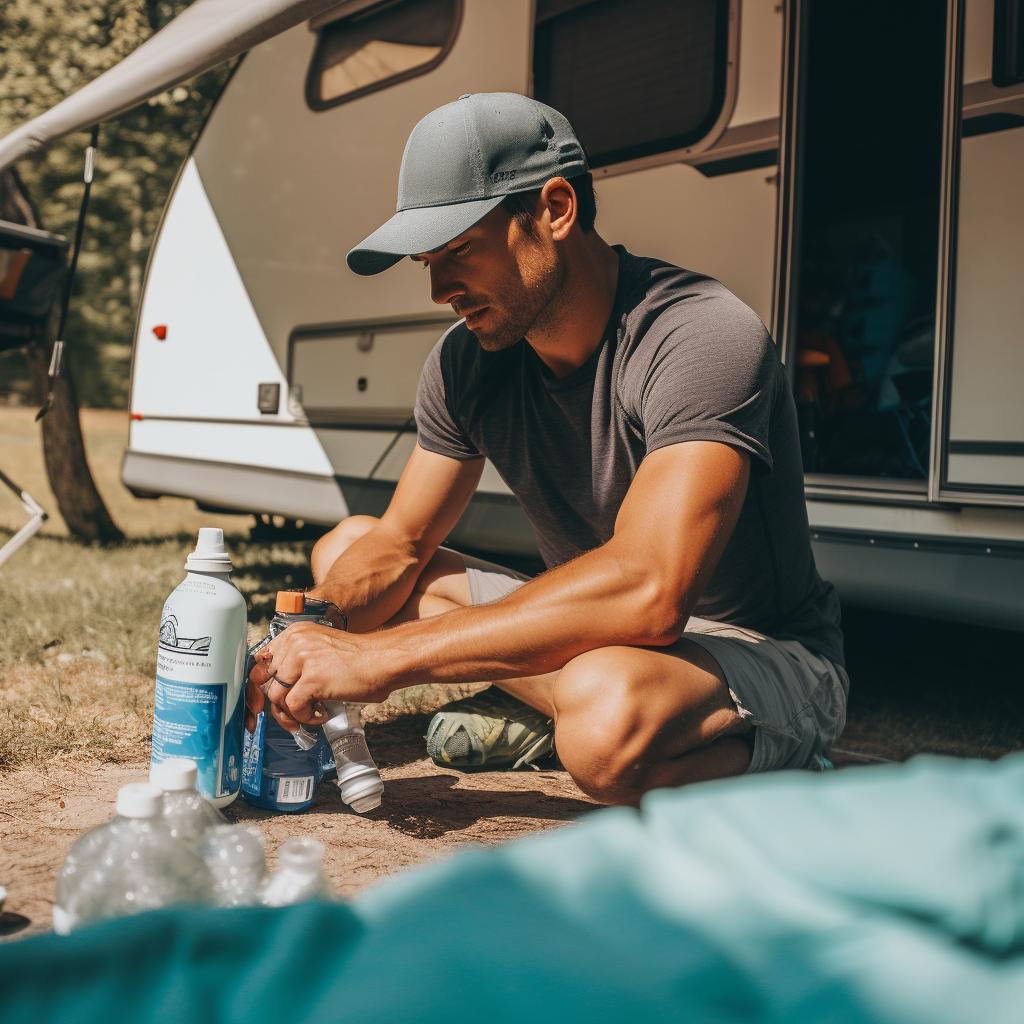
Remember, staying hydrated is crucial for maintaining your energy levels and overall health while camping. By using these hydration methods and following the tips mentioned earlier, you can ensure a safe and enjoyable outdoor experience.
Hydration Tips for Hiking and Outdoor Activities
Hydration Tips for Hiking and Outdoor Activities
Hiking and other outdoor activities can be strenuous, making it even more crucial to stay hydrated. Here are some hydration tips to keep in mind during your next camping trip:
1. Start Hydrating Early
Don't wait until you're thirsty to start drinking water. Begin hydrating the night before your hike or activity, and continue drinking water throughout the day. This will help ensure that you're properly hydrated before you even start your outdoor adventure.
2. Drink Water Frequently
During your hike or activity, make sure to drink water frequently, even if you don't feel thirsty. Sipping water regularly can help prevent dehydration and keep your energy levels up.
3. Monitor Your Urine Color
One way to tell if you're properly hydrated is to monitor the color of your urine. If it's pale yellow or clear, you're well-hydrated. If it's dark yellow or amber, it's a sign that you need to drink more water.
4. Bring Extra Water
Always bring more water than you think you'll need, especially if you're going on a long hike or engaging in a strenuous activity. It's better to have too much water than not enough.
5. Avoid Sugary Drinks
While it may be tempting to bring sugary drinks like soda or sports drinks, they can actually dehydrate you. Stick to water or electrolyte-enhanced drinks to stay properly hydrated.
By following these hydration tips, you can ensure that you stay healthy and energized during your outdoor activities. Remember, proper hydration is key to a safe and enjoyable camping experience.
Foods and Drinks to Avoid While Camping
Foods and Drinks to Avoid While Camping
When it comes to staying hydrated while camping, it's not just about what you drink, but also what you eat. Some foods and drinks can actually dehydrate you, making it important to avoid them during your camping trip.
Avoid Alcohol
Alcohol can be dehydrating, so it's best to avoid it while camping. Instead, opt for water or other non-alcoholic beverages to stay properly hydrated.
Say No to Soda
Soda is high in sugar and can also dehydrate you, so it's best to avoid it while camping. If you're looking for a flavorful drink, try adding some fruit to your water or bringing along some herbal tea bags.
Limit Your Caffeine Intake
Caffeine is a diuretic, which means it can increase urine production and lead to dehydration. While it's okay to have a cup of coffee or tea in the morning, it's best to limit your caffeine intake while camping.
Watch Out for Salty Snacks
Salty snacks like chips and pretzels can make you thirsty and dehydrate you. Instead, opt for fresh fruits and vegetables or trail mix with nuts and seeds.
Avoid Processed Foods
Processed foods like canned soups and packaged snacks can be high in sodium, which can dehydrate you. Try making your own meals from fresh ingredients or bringing along dehydrated meals that you can rehydrate with water.
By avoiding these dehydrating foods and drinks, you can ensure that you stay properly hydrated during your camping trip. Remember, staying hydrated is key to a safe and enjoyable camping experience.
Signs of Dehydration and How to Prevent It
Signs of Dehydration and How to Prevent It
Dehydration occurs when your body loses more fluids than it takes in. This can happen quickly while camping, especially if you're hiking or engaging in other outdoor activities. It's important to recognize the signs of dehydration and take steps to prevent it.
Some common signs of dehydration include:
- Thirst
- Dry mouth and throat
- Dark yellow urine
- Headache
- Fatigue
- Dizziness or lightheadedness
- Dry skin
If you experience any of these symptoms, it's important to take action to prevent further dehydration. Here are some tips to help you stay hydrated while camping:
- Drink plenty of water throughout the day, even if you don't feel thirsty.
- Carry a water bottle with you and sip from it regularly.
- Take frequent breaks to rest and drink water.
- Avoid hiking during the hottest part of the day.
- Eat foods with high water content, such as fruits and vegetables.
- Consider bringing along electrolyte replacement drinks or tablets.
By staying hydrated, you can prevent dehydration and enjoy your camping trip to the fullest. Remember to listen to your body and take action if you experience any signs of dehydration. With proper hydration, you can stay healthy and energized while exploring the great outdoors.
Hydration for Different Types of Camping Environments
Hydration for Different Types of Camping Environments
When camping, it's important to consider the environment you'll be in, as different environments require different approaches to hydration. Whether you're camping in a desert, a forest, or at high altitudes, understanding the unique challenges of each environment will help you stay properly hydrated and maintain your energy levels.
Desert Camping: Camping in a desert environment presents unique challenges due to the extreme heat and lack of available water sources. In these conditions, it's crucial to drink more water than you normally would to compensate for the increased rate of fluid loss through sweating. Make sure to carry enough water with you and consider using a hydration bladder for easy access. Wearing light-colored, loose-fitting clothing and a wide-brimmed hat can also help minimize fluid loss by keeping you cooler.
Forest Camping: Forest environments tend to have more available water sources, but it's still important to stay vigilant about your hydration levels. Be aware of the quality of the water you're drinking, as untreated water from streams and rivers can contain harmful bacteria and parasites. Always filter or purify water before drinking it. Additionally, the humidity in forest environments can make it harder for your body to cool down, so be sure to drink plenty of water to help regulate your body temperature.
High Altitude Camping: Camping at high altitudes can lead to increased fluid loss due to the lower air pressure and drier air. This can cause you to feel dehydrated even if you're drinking the same amount of water as you would at lower elevations. To combat this, drink more water than usual and consider adding electrolyte supplements to your water to help maintain proper hydration levels. Be aware of the symptoms of altitude sickness, which can include headache, nausea, and dizziness, and take appropriate action if you experience any of these symptoms.
Coastal Camping: Coastal environments can be deceiving when it comes to hydration, as the cool ocean breeze may make you feel less thirsty. However, the salty air can actually increase your body's need for water. Be sure to drink plenty of water and avoid consuming too much salt, as this can exacerbate dehydration. If you're swimming or engaging in water activities, remember that you can still become dehydrated even if you're surrounded by water.
In conclusion, staying properly hydrated while camping is essential for maintaining your health and energy levels. By understanding the unique challenges of different camping environments and adjusting your hydration strategies accordingly, you can ensure a safe and enjoyable outdoor experience.


No comments yet. Be the first to share your thoughts!